Richardson Elisabeth, Dorrell Richard G, Howe Christopher J
Department of Biochemistry, University of Cambridge, Cambridge, United Kingdom.
Department of Biochemistry, University of Cambridge, Cambridge, United Kingdom
Mol Biol Evol. 2014 Sep;31(9):2376-86. doi: 10.1093/molbev/msu189. Epub 2014 Jun 12.
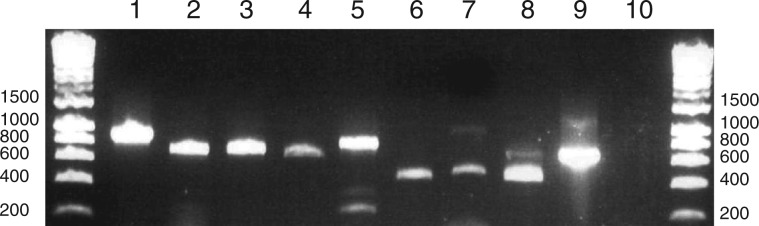
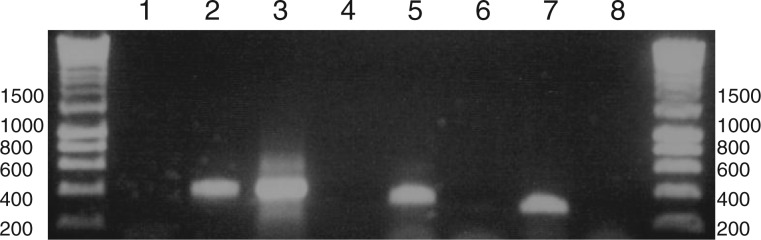
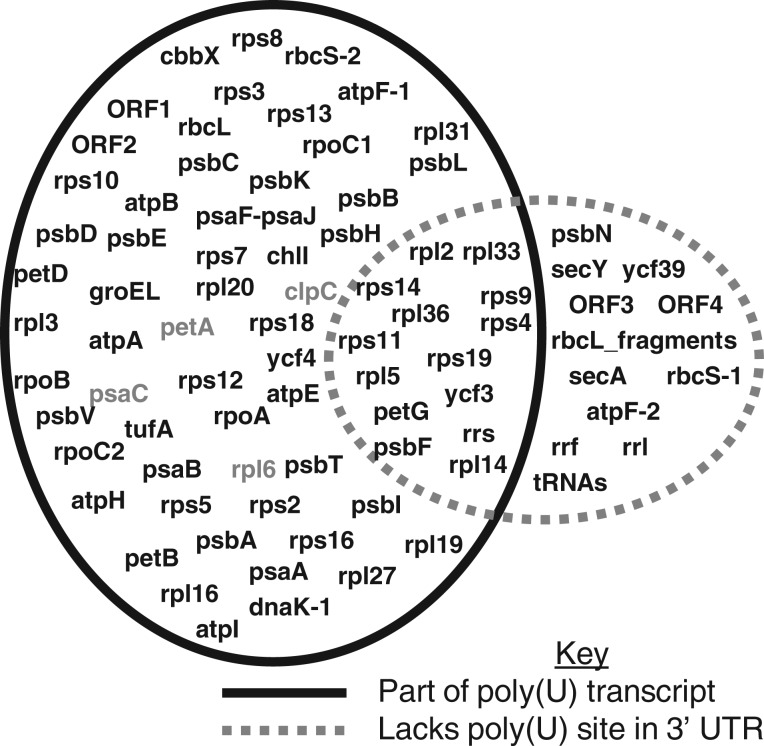
Plastids utilize a complex gene expression machinery, which has coevolved with the underlying genome sequence. Relatively, little is known about the genome-wide evolution of transcript processing in algal plastids that have undergone complex endosymbiotic events. We present the first genome-wide study of transcript processing in a plastid acquired through serial endosymbiosis, in the fucoxanthin-containing dinoflagellate Karlodinium veneficum. The fucoxanthin dinoflagellate plastid has an extremely divergent genome and utilizes two unusual transcript processing pathways, 3'-poly(U) tail addition and sequence editing, which were acquired following the serial endosymbiosis event. We demonstrate that poly(U) addition and sequence editing are widespread features across the Karl. veneficum plastid transcriptome, whereas other dinoflagellate plastid lineages that have arisen through independent serial endosymbiosis events do not utilize either RNA processing pathway. These pathways constrain the effects of divergent sequence evolution in fucoxanthin plastids, for example by correcting mutations in the genomic sequence that would otherwise be deleterious, and are specifically associated with transcripts that encode functional plastid proteins over transcripts of recently generated pseudogenes. These pathways may have additionally facilitated divergent evolution within the Karl. veneficum plastid. Transcript editing, for example, has contributed to the evolution of a novel C-terminal sequence extension on the Karl. veneficum AtpA protein. We furthermore provide the first complete sequence of an episomal minicircle in a fucoxanthin dinoflagellate plastid, which contains the dnaK gene, and gives rise to polyuridylylated and edited transcripts. Our results indicate that RNA processing in fucoxanthin dinoflagellate plastids is evolutionarily dynamic, coevolving with the underlying genome sequence.
质体利用一套复杂的基因表达机制,该机制已与基础基因组序列共同进化。相对而言,对于经历了复杂内共生事件的藻类质体中转录本加工的全基因组进化了解较少。我们首次对通过连续内共生获得的质体中的转录本加工进行了全基因组研究,该质体存在于含岩藻黄素的甲藻威氏卡尔藻(Karlodinium veneficum)中。含岩藻黄素的甲藻质体具有极其不同的基因组,并利用两种不同寻常的转录本加工途径,即3'-聚(U)尾添加和序列编辑,这两种途径是在连续内共生事件之后获得的。我们证明聚(U)添加和序列编辑是威氏卡尔藻质体转录组中的普遍特征,而通过独立的连续内共生事件产生的其他甲藻质体谱系则不使用这两种RNA加工途径。这些途径限制了岩藻黄素质体中序列差异进化的影响,例如通过纠正基因组序列中否则将有害的突变,并且特别与编码功能性质体蛋白的转录本相关,而不是与最近产生的假基因的转录本相关。这些途径可能还促进了威氏卡尔藻质体内部的差异进化。例如,转录本编辑促成了威氏卡尔藻AtpA蛋白上新的C末端序列延伸的进化。我们还提供了含岩藻黄素的甲藻质体中一个游离型小环的首个完整序列,该小环包含dnaK基因,并产生多聚尿苷酸化和编辑的转录本。我们的结果表明,含岩藻黄素的甲藻质体中的RNA加工在进化上是动态的,与基础基因组序列共同进化。