Vilos Cristian, Constandil Luis, Rodas Paula I, Cantin Mario, Zepeda Katherine, Herrera Natalia, Velasquez Luis A
Center for Integrative Medicine and Innovative Science (CIMIS), Faculty of Medicine, Universidad Andres Bello, Santiago ; Centro para el Desarrollo de la Nanociencia y Nanotecnología, Universidad de Santiago de Chile, Ecuador, Santiago, Chile.
Laboratory of Neurobiology, Department of Biology, Faculty of Chemistry and Biology, Universidad de Santiago de Chile, Santiago, Chile ; Centro para el Desarrollo de la Nanociencia y Nanotecnología, Universidad de Santiago de Chile, Ecuador, Santiago, Chile.
Drug Des Devel Ther. 2014 May 29;8:651-66. doi: 10.2147/DDDT.S60444. eCollection 2014.
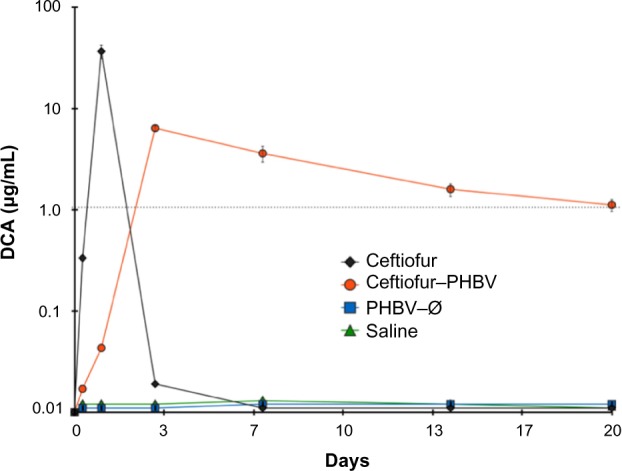
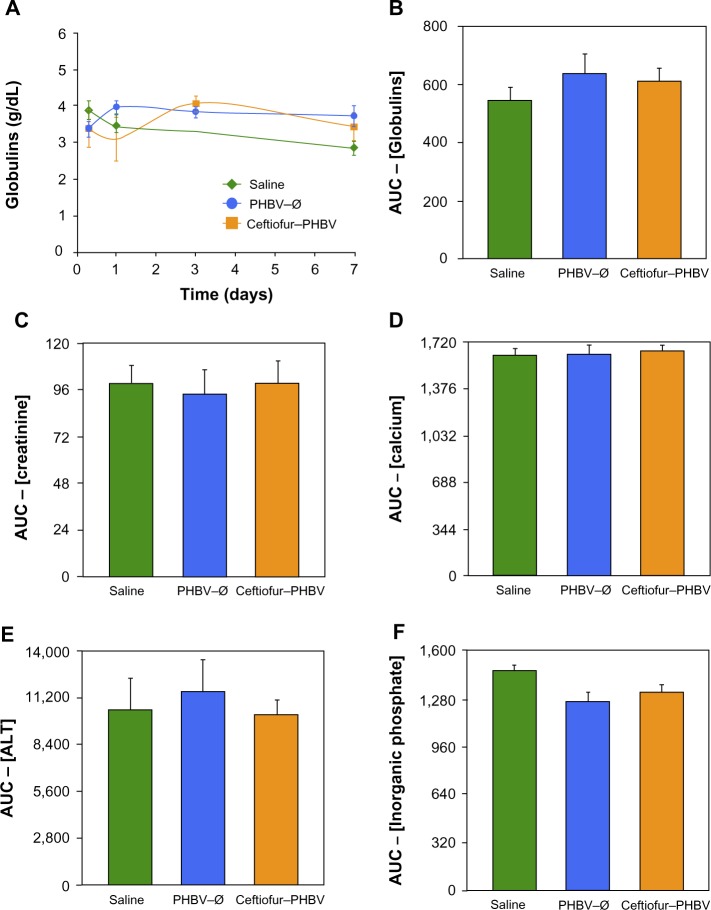
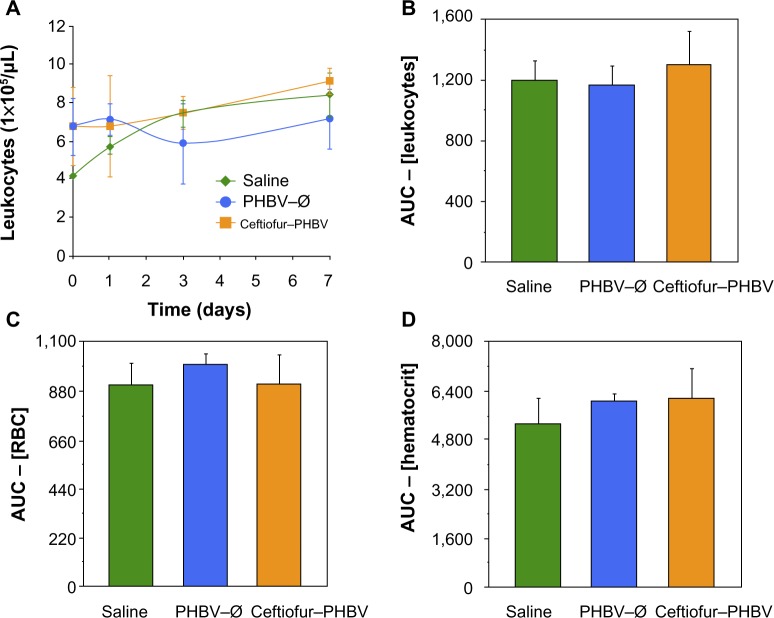
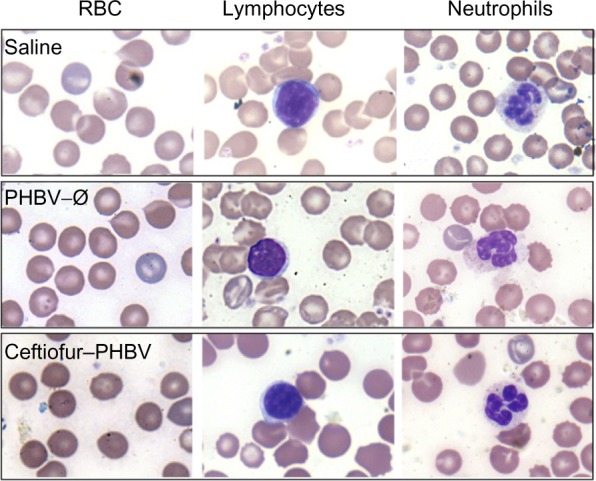
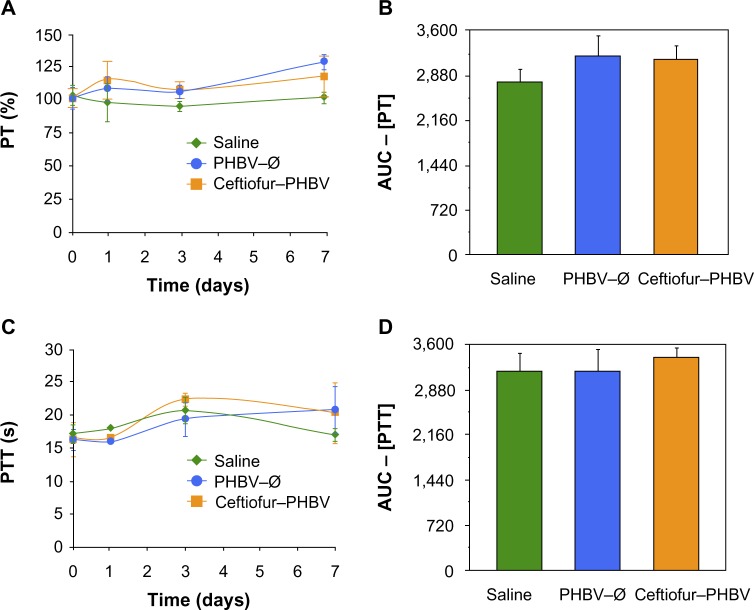
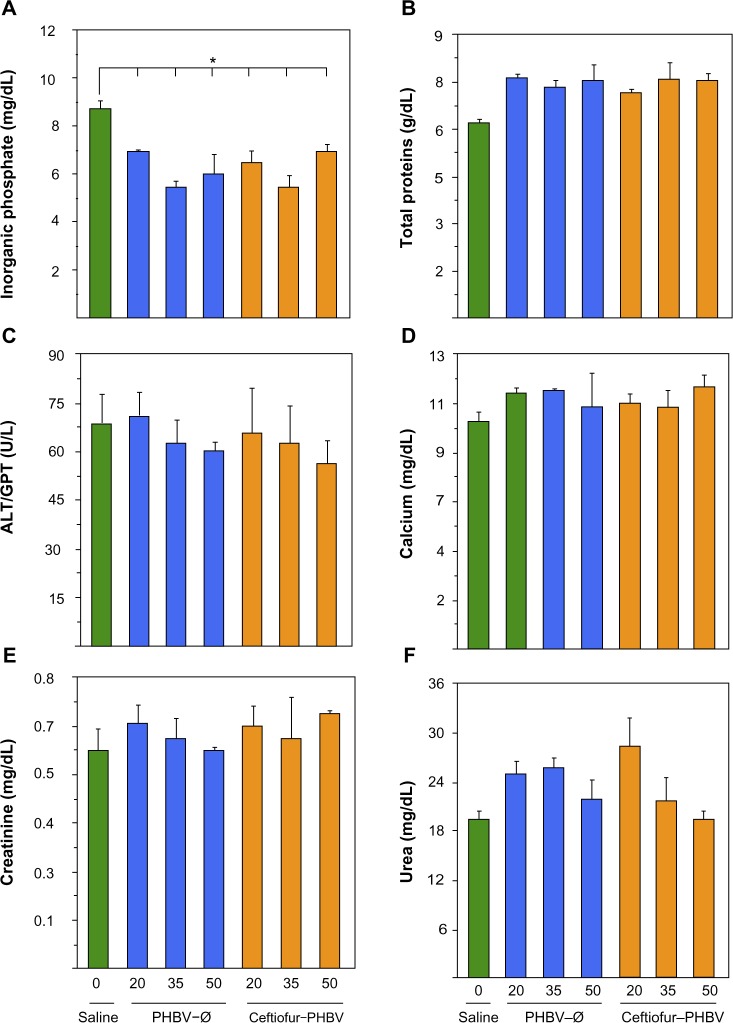
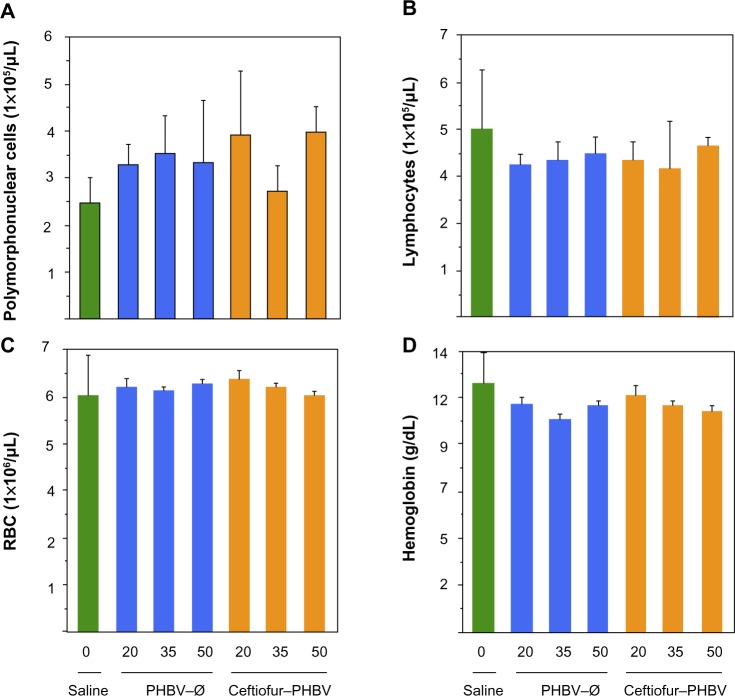
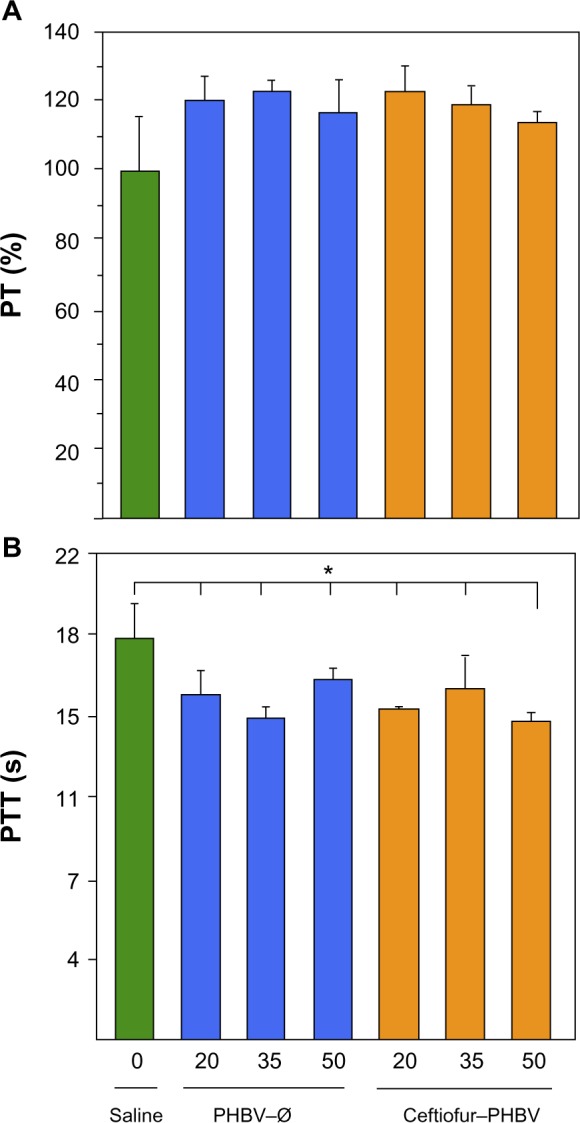
Despite the high number of antibiotics used for the treatment of infectious disease in animals, the development of slow release formulations presents a significant challenge, particularly in using novel biomaterials with low cost. In this report, we studied the pharmacokinetics, toxicity, and therapeutic activity of ceftiofur-PHBV (ceftiofur-poly(3-hydroxybutyrate-co-3-hydroxyvalerate)) in rats. The pharmacokinetic study demonstrated a sustained release of ceftiofur into the bloodstream, with detectable levels over the minimum inhibitory concentration for at least 17 days after a single intramuscular injection of ceftiofur-PHBV (10 mg/kg weight). In addition, the toxicological evaluation of biochemical, hematological, and coagulation blood parameters at the therapeutic dose demonstrated the safety of ceftiofur-PHBV, with no adverse effects. In addition, ceftiofur-PHBV exhibited a therapeutic effect for a longer time period than the nonencapsulated ceftiofur in rats challenged with Salmonella Typhimurium. The slow release of ceftiofur from the ceftiofur-PHBV, its low toxicity in the blood parameters evaluated, and the efficacy in the rats infected with Salmonella Typhimurium make ceftiofur-PHBV a strong candidate for biotechnological applications in the veterinary industry.
尽管用于治疗动物传染病的抗生素数量众多,但开发缓释制剂仍面临重大挑战,尤其是在使用低成本新型生物材料方面。在本报告中,我们研究了头孢噻呋 - PHBV(头孢噻呋 - 聚(3 - 羟基丁酸酯 - 共 - 3 - 羟基戊酸酯))在大鼠体内的药代动力学、毒性和治疗活性。药代动力学研究表明,单次肌内注射头孢噻呋 - PHBV(10毫克/千克体重)后,头孢噻呋在血液中持续释放,其可检测水平在最低抑菌浓度以上至少持续17天。此外,治疗剂量下对生化、血液学和凝血血液参数的毒理学评估表明头孢噻呋 - PHBV是安全的,没有不良反应。另外,在感染鼠伤寒沙门氏菌的大鼠中,头孢噻呋 - PHBV比未包封的头孢噻呋表现出更长时间的治疗效果。头孢噻呋从头孢噻呋 - PHBV中的缓慢释放、在评估的血液参数中其低毒性以及在感染鼠伤寒沙门氏菌大鼠中的疗效,使头孢噻呋 - PHBV成为兽医行业生物技术应用的有力候选者。