LEAD, CNRS-UMR 5022, Université de Bourgogne Dijon, France ; Institut Universitaire de France Paris, France.
LEAD, CNRS-UMR 5022, Université de Bourgogne Dijon, France.
Front Syst Neurosci. 2014 Jun 6;8:94. doi: 10.3389/fnsys.2014.00094. eCollection 2014.
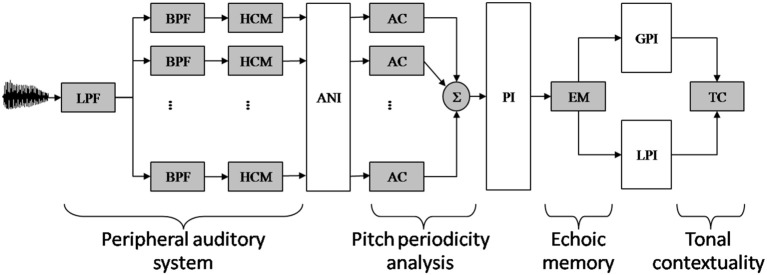
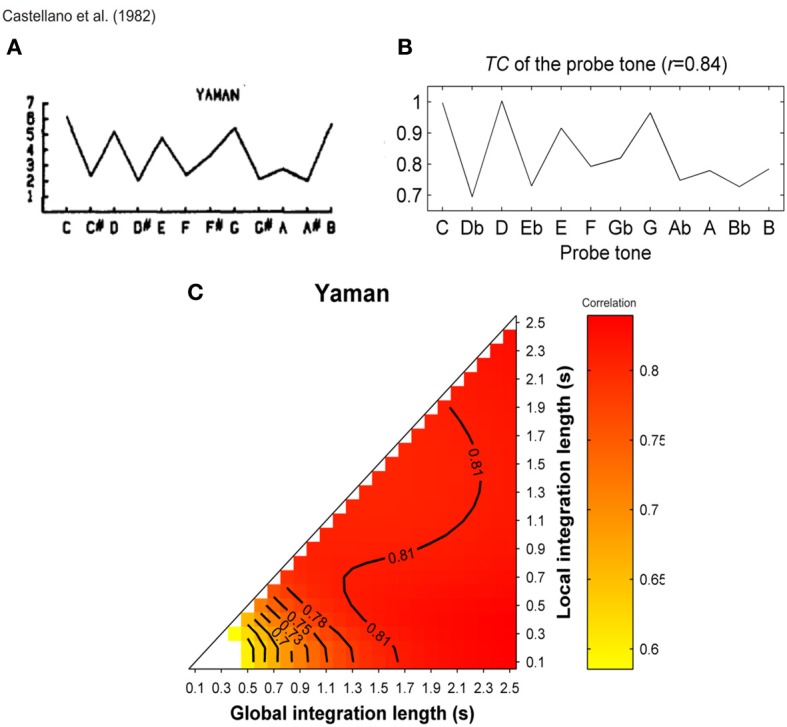
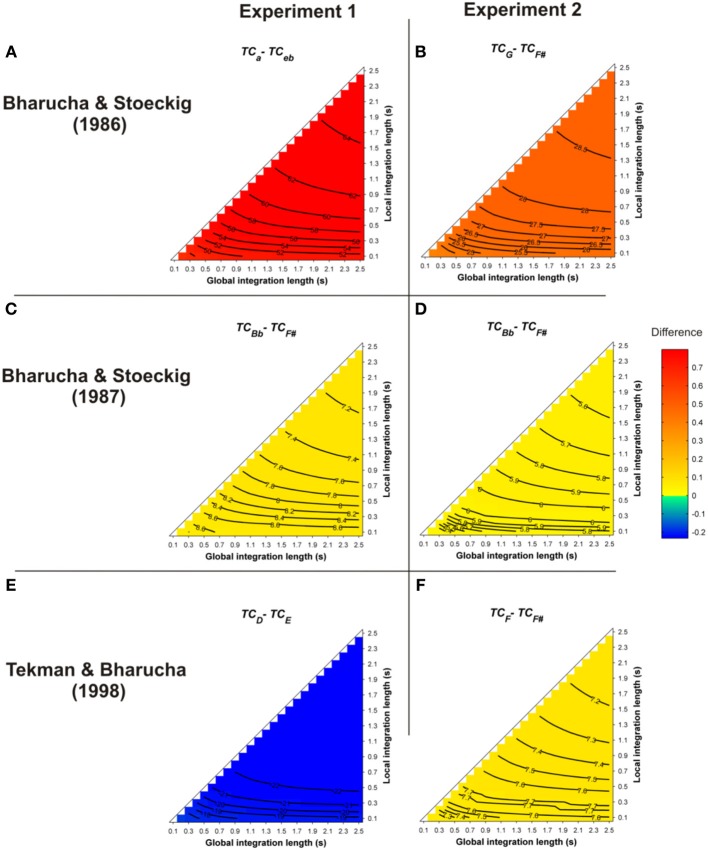
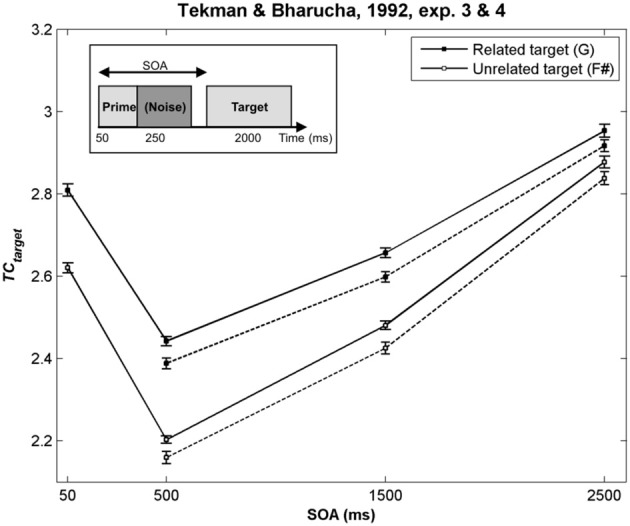
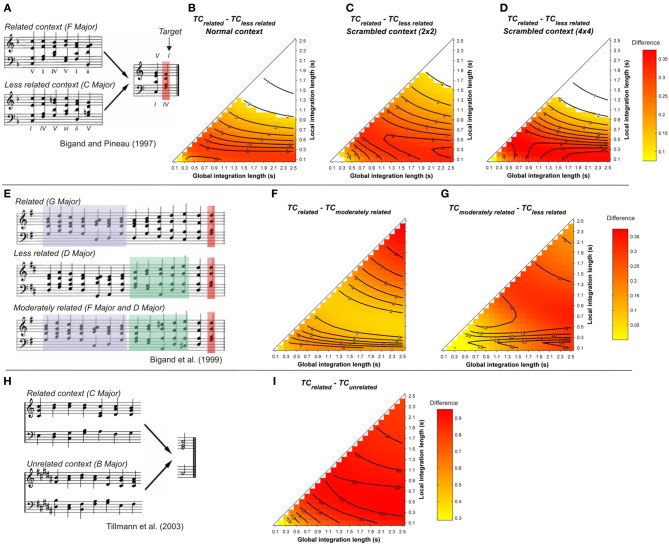
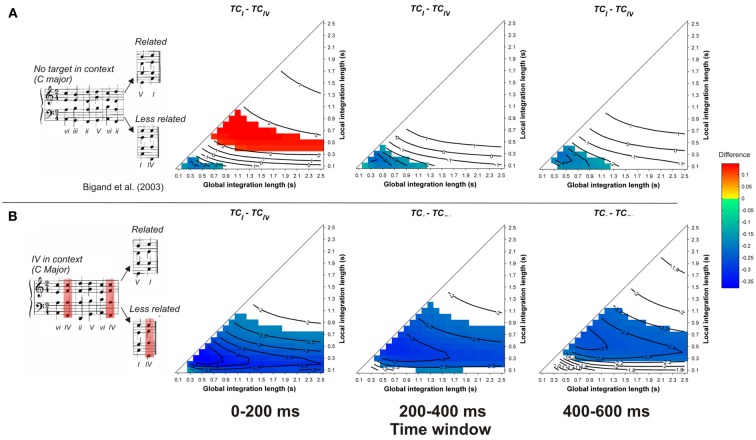
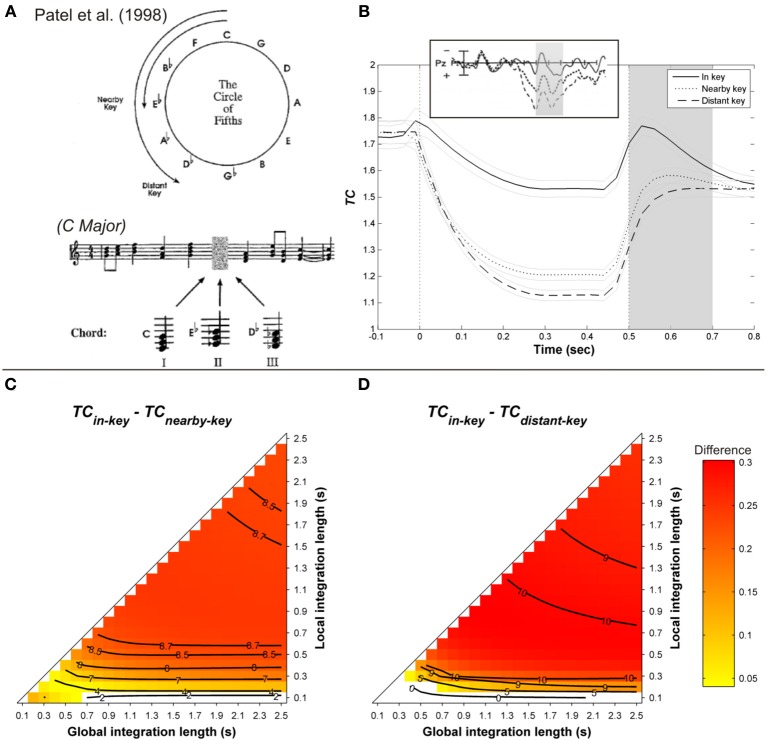
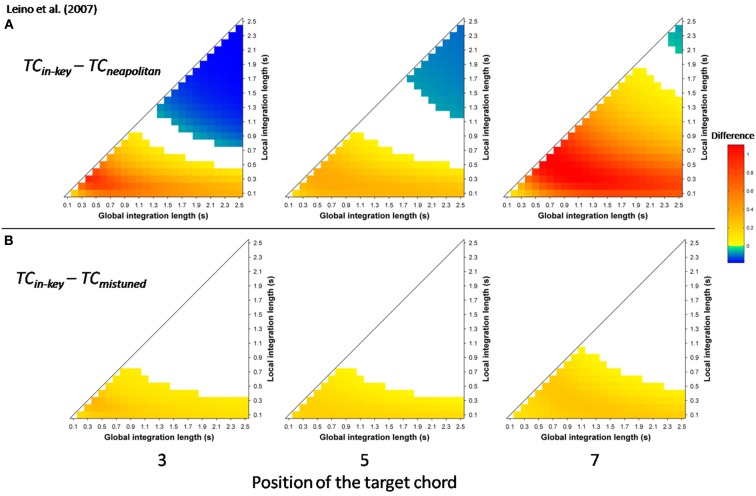
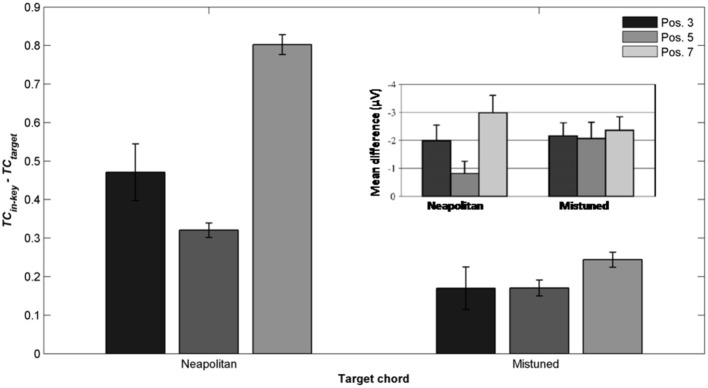
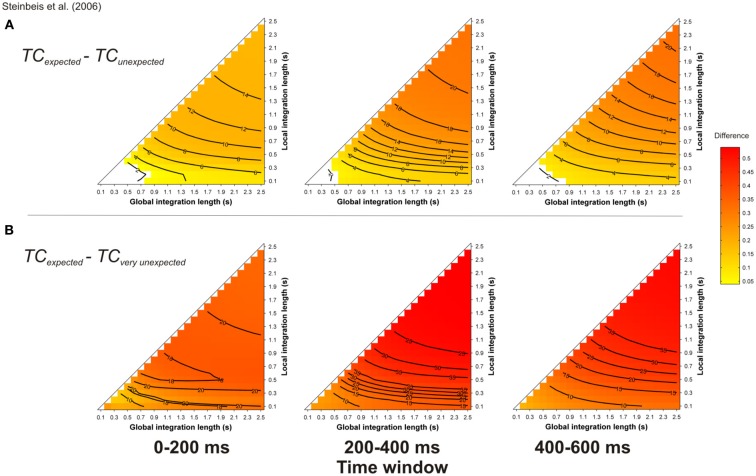
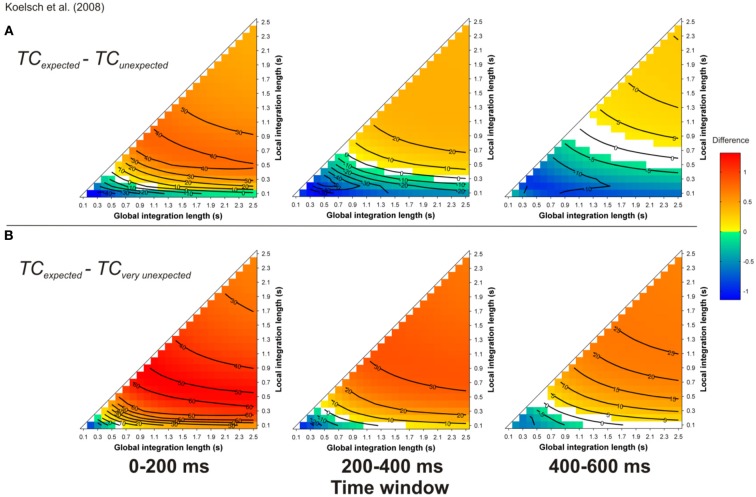
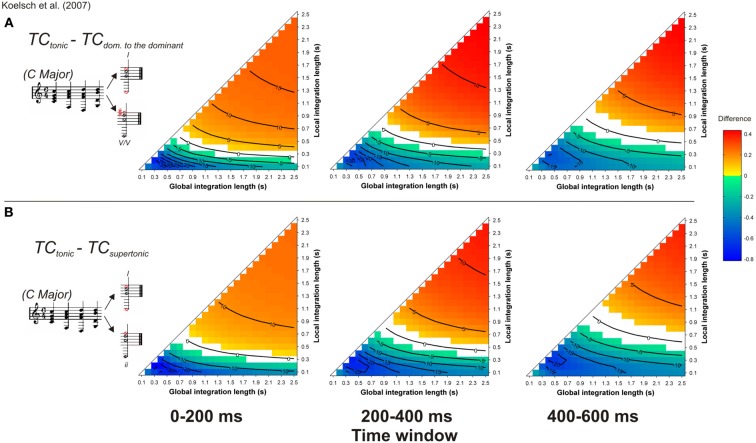
During the last decade, it has been argued that (1) music processing involves syntactic representations similar to those observed in language, and (2) that music and language share similar syntactic-like processes and neural resources. This claim is important for understanding the origin of music and language abilities and, furthermore, it has clinical implications. The Western musical system, however, is rooted in psychoacoustic properties of sound, and this is not the case for linguistic syntax. Accordingly, musical syntax processing could be parsimoniously understood as an emergent property of auditory memory rather than a property of abstract processing similar to linguistic processing. To support this view, we simulated numerous empirical studies that investigated the processing of harmonic structures, using a model based on the accumulation of sensory information in auditory memory. The simulations revealed that most of the musical syntax manipulations used with behavioral and neurophysiological methods as well as with developmental and cross-cultural approaches can be accounted for by the auditory memory model. This led us to question whether current research on musical syntax can really be compared with linguistic processing. Our simulation also raises methodological and theoretical challenges to study musical syntax while disentangling the confounded low-level sensory influences. In order to investigate syntactic abilities in music comparable to language, research should preferentially use musical material with structures that circumvent the tonal effect exerted by psychoacoustic properties of sounds.
在过去的十年中,人们一直认为:(1)音乐处理涉及到与语言中观察到的类似的句法表示,(2)音乐和语言共享类似的句法过程和神经资源。这一说法对于理解音乐和语言能力的起源非常重要,此外,它还有临床意义。然而,西方音乐体系根植于声音的心理声学特性,而语言语法则并非如此。因此,音乐句法处理可以被合理地理解为听觉记忆的一种涌现特性,而不是与语言处理类似的抽象处理特性。为了支持这一观点,我们使用基于听觉记忆中感官信息积累的模型,模拟了许多研究和声结构处理的实证研究。模拟结果表明,行为和神经生理学方法以及发展和跨文化方法中使用的大多数音乐句法操作都可以用听觉记忆模型来解释。这使我们质疑当前关于音乐句法的研究是否真的可以与语言处理相媲美。我们的模拟还对研究音乐句法提出了方法学和理论上的挑战,需要在分离混淆的低级感官影响的同时,研究音乐句法。为了研究与语言相当的音乐句法能力,研究应该优先使用具有结构的音乐材料,这些结构可以规避声音心理声学特性产生的调性影响。