Kostopoulou Ourania N, Kouvela Ekaterini C, Magoulas George E, Garnelis Thomas, Panagoulias Ioannis, Rodi Maria, Papadopoulos Georgios, Mouzaki Athanasia, Dinos George P, Papaioannou Dionissios, Kalpaxis Dimitrios L
Department of Biochemistry, School of Medicine, University of Patras, GR-26504 Patras, Greece.
Division of Hematology, Department of Internal Medicine, School of Medicine, University of Patras, GR-26504 Patras, Greece.
Nucleic Acids Res. 2014 Jul;42(13):8621-34. doi: 10.1093/nar/gku539. Epub 2014 Jun 17.
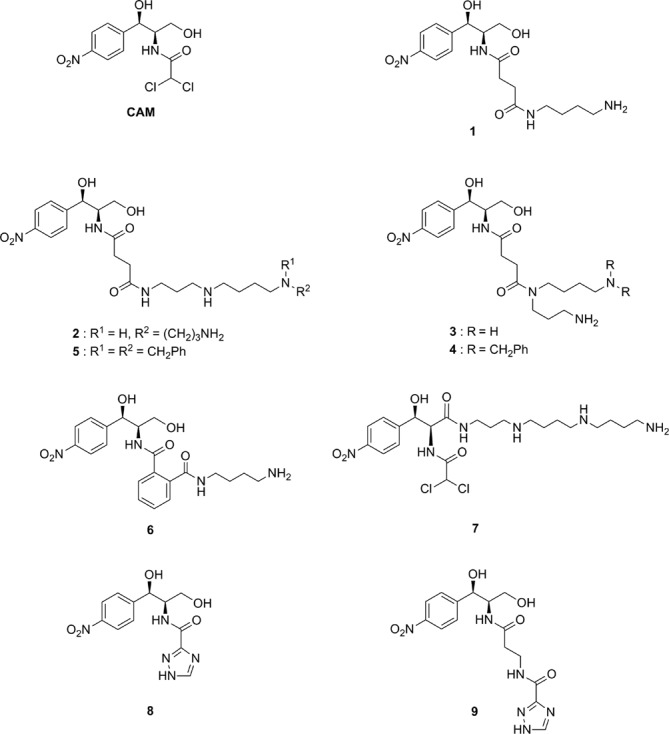
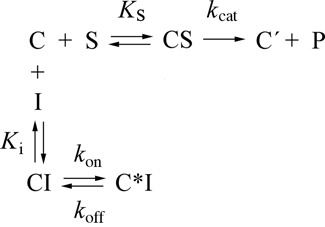
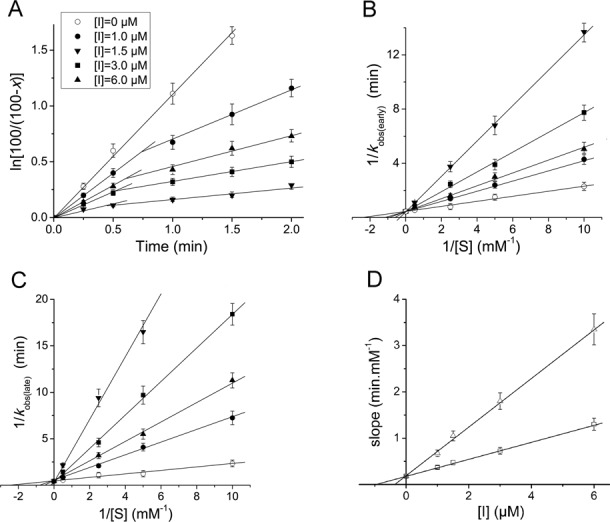
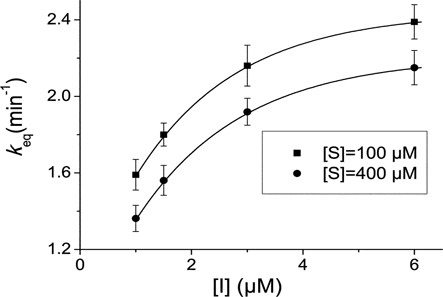
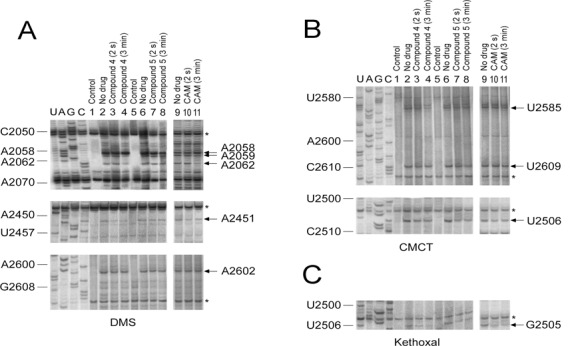
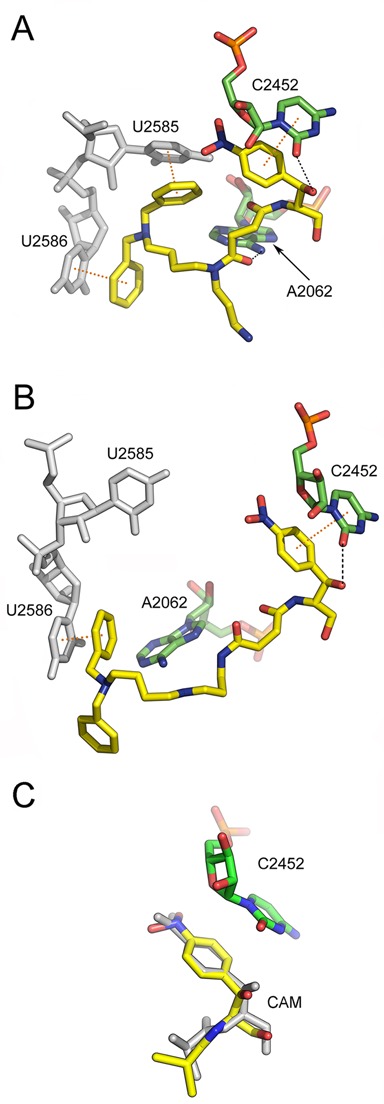
Chloramphenicol (CAM) is a broad-spectrum antibiotic, limited to occasional only use in developed countries because of its potential toxicity. To explore the influence of polyamines on the uptake and activity of CAM into cells, a series of polyamine-CAM conjugates were synthesized. Both polyamine architecture and the position of CAM-scaffold substitution were crucial in augmenting the antibacterial and anticancer potency of the synthesized conjugates. Compounds 4 and 5, prepared by replacement of dichloro-acetyl group of CAM with succinic acid attached to N4 and N1 positions of N(8),N(8)-dibenzylspermidine, respectively, exhibited higher activity than CAM in inhibiting the puromycin reaction in a bacterial cell-free system. Kinetic and footprinting analysis revealed that whereas the CAM-scaffold preserved its role in competing with the binding of aminoacyl-tRNA 3'-terminus to ribosomal A-site, the polyamine-tail could interfere with the rotatory motion of aminoacyl-tRNA 3'-terminus toward the P-site. Compared to CAM, compounds 4 and 5 exhibited comparable or improved antibacterial activity, particularly against CAM-resistant strains. Compound 4 also possessed enhanced toxicity against human cancer cells, and lower toxicity against healthy human cells. Thus, the designed conjugates proved to be suitable tools in investigating the ribosomal catalytic center plasticity and some of them exhibited greater efficacy than CAM itself.
氯霉素(CAM)是一种广谱抗生素,由于其潜在毒性,在发达国家仅限于偶尔使用。为了探索多胺对CAM进入细胞的摄取和活性的影响,合成了一系列多胺-CAM缀合物。多胺结构和CAM支架取代的位置对于增强合成缀合物的抗菌和抗癌效力至关重要。化合物4和5分别通过用连接到N(8),N(8)-二苄基亚精胺的N4和N1位置的琥珀酸取代CAM的二氯乙酰基制备,在无细胞细菌系统中抑制嘌呤霉素反应方面表现出比CAM更高的活性。动力学和足迹分析表明,虽然CAM支架在与氨酰基-tRNA 3'-末端与核糖体A位点的结合竞争中保留了其作用,但多胺尾部可能会干扰氨酰基-tRNA 3'-末端向P位点的旋转运动。与CAM相比,化合物4和5表现出相当或更高的抗菌活性,特别是对CAM耐药菌株。化合物4对人癌细胞也具有增强的毒性,而对健康人细胞的毒性较低。因此,设计的缀合物被证明是研究核糖体催化中心可塑性的合适工具,其中一些表现出比CAM本身更高的功效。