• 文献检索
  • 文档翻译
  • 深度研究
  • 学术资讯
  • Suppr Zotero 插件Zotero 插件
  • 邀请有礼
  • 套餐&价格
  • 历史记录
应用&插件
Suppr Zotero 插件Zotero 插件浏览器插件Mac 客户端Windows 客户端微信小程序
定价
高级版会员购买积分包购买API积分包
服务
文献检索文档翻译深度研究API 文档MCP 服务
关于我们
关于 Suppr公司介绍联系我们用户协议隐私条款
关注我们

Suppr 超能文献

核心技术专利:CN118964589B侵权必究
粤ICP备2023148730 号-1Suppr @ 2026

文献检索

告别复杂PubMed语法,用中文像聊天一样搜索,搜遍4000万医学文献。AI智能推荐,让科研检索更轻松。

立即免费搜索

文件翻译

保留排版,准确专业,支持PDF/Word/PPT等文件格式,支持 12+语言互译。

免费翻译文档

深度研究

AI帮你快速写综述,25分钟生成高质量综述,智能提取关键信息,辅助科研写作。

立即免费体验

微型种植体失败的原因:应重视植入部位的选择!

Reasons for mini-implants failure: choosing installation site should be valued!

作者信息

Consolaro Alberto, Romano Fábio Lourenço

出版信息

Dental Press J Orthod. 2014 Mar-Apr;19(2):18-24. doi: 10.1590/2176-9451.19.2.018-024.oin.

DOI:10.1590/2176-9451.19.2.018-024.oin
PMID:24945511
原文链接:https://pmc.ncbi.nlm.nih.gov/articles/PMC4296612/
Abstract

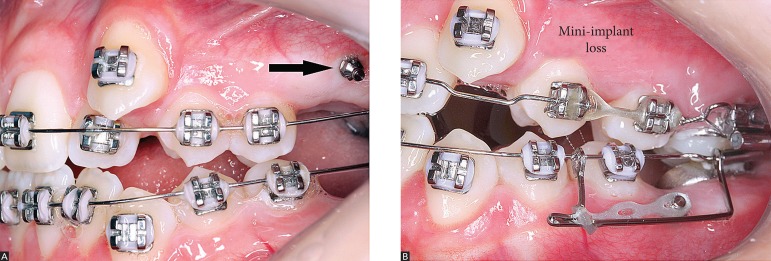
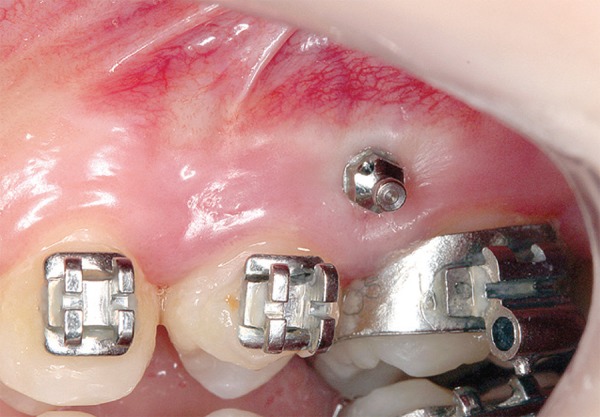
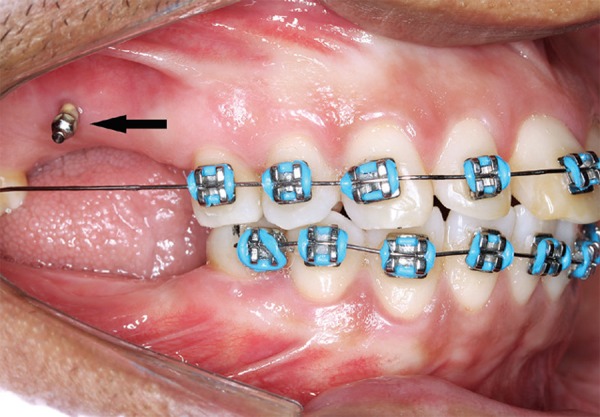
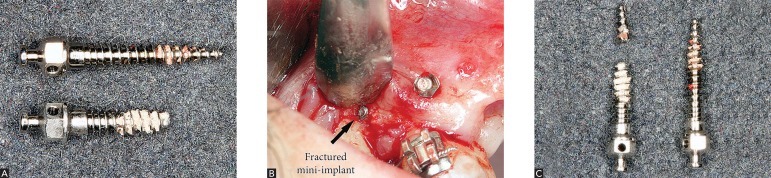
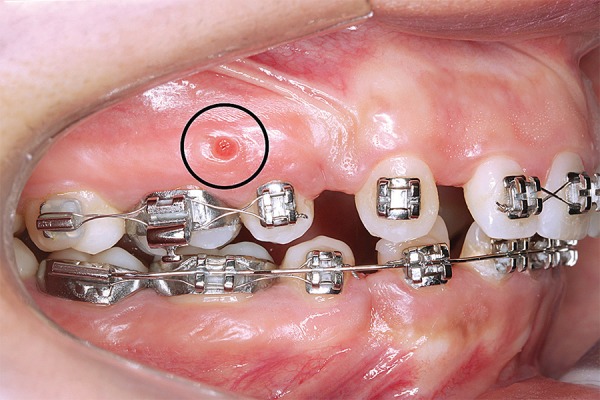
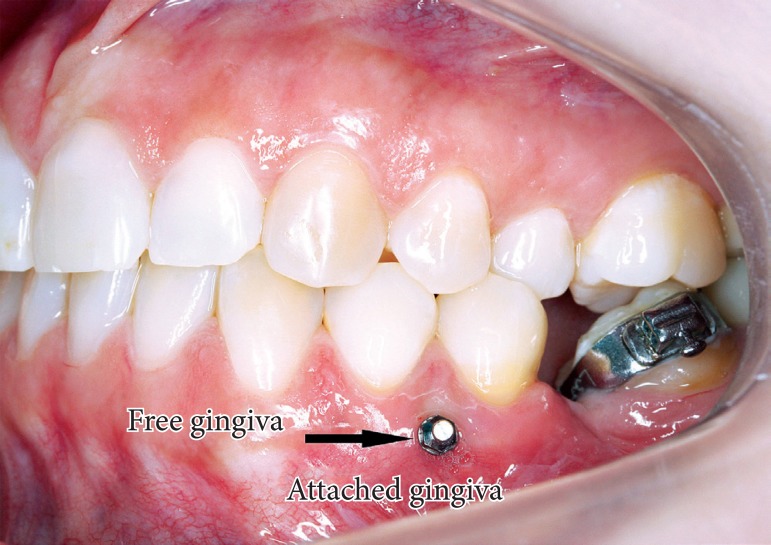
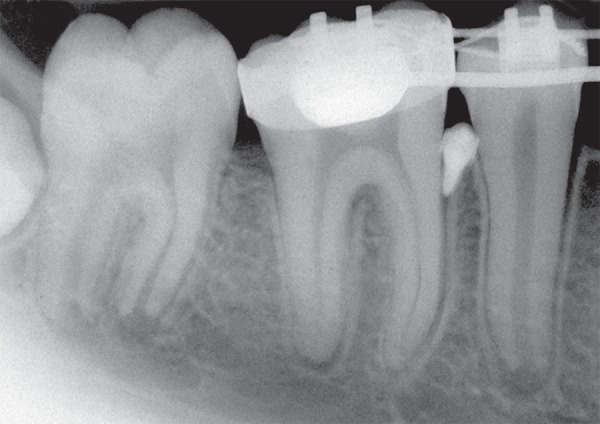
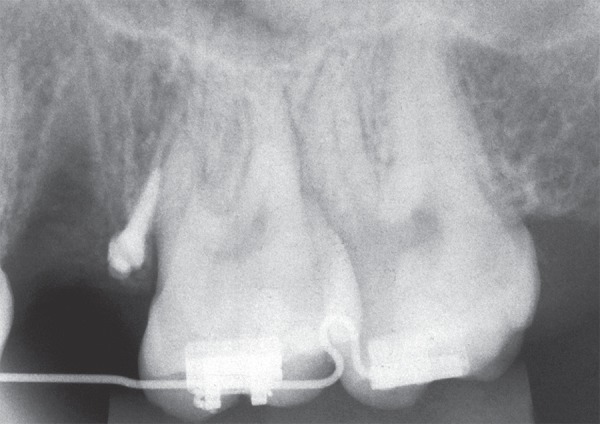
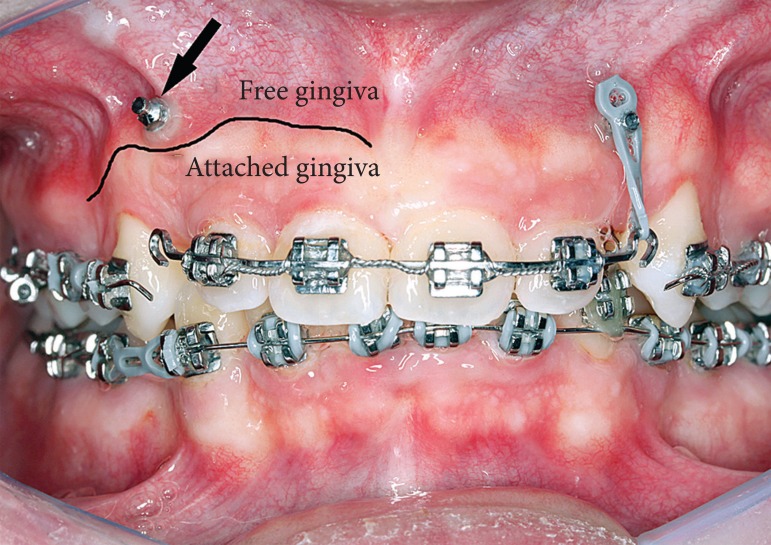
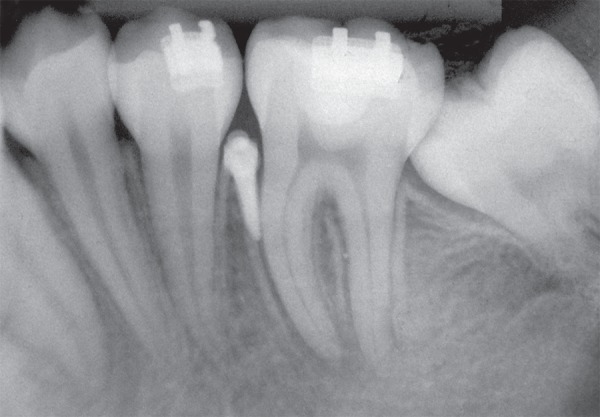
Mini-implant loss is often associated with physical and mechanical aspects that result from choosing an inappropriate placement site. It is worth highlighting that: a) Interdental alveolar bone crests are flexible and deformable. For this reason, they may not offer the ideal absolute anchorage. The more cervical the structures, the more delicate they are, thus offering less physical support for mini-implant placement; b) Alveolar bone crests with triangular shape are more deformable, whereas those with rectangular shape are more flexible; c) The bases of the alveolar processes of the maxilla and the mandible are not flexible, for this reason, they are more likely to receive mini-implants; d) The more cervical a mini-implant is placed, the higher the risk of loss; the more apical a mini-implant is placed, the better its prognosis will be; e) 3D evaluations play a major role in planning the use of mini-implants. Based on the aforementioned considerations, the hypotheses about mini-implant loss are the following: 1) Deflection of maxillary and mandibular alveolar processes when mini-implants are more cervically placed; 2) Mini-implants placed too near the periodontal ligament, with normal intra-alveolar tooth movement; 3) Low bone density, low thickness and low alveolar bone volume; 4) Decreased alveolar cortical bone thickness; 5) Excessive pressure inducing trabecular bone microfracture; 6) Sites with higher anatomical weakness in the mandible and the maxilla; 7) Thicker gingival tissue not considered when choosing the mini-implant.

摘要

微型种植体脱落通常与因选择不合适的植入部位而导致的物理和机械方面的因素有关。值得强调的是:a) 牙间牙槽嵴是灵活且可变形的。因此,它们可能无法提供理想的绝对锚固。结构越靠近颈部,就越脆弱,从而为微型种植体植入提供的物理支撑越少;b) 三角形的牙槽嵴更易变形,而矩形的牙槽嵴更灵活;c) 上颌和下颌牙槽突的基部不灵活,因此,它们更有可能接受微型种植体;d) 微型种植体植入位置越靠近颈部,脱落风险越高;微型种植体植入位置越靠近根尖,其预后越好;e) 三维评估在微型种植体的使用规划中起主要作用。基于上述考虑,关于微型种植体脱落的假说是以下几点:1) 微型种植体植入位置更靠近颈部时,上颌和下颌牙槽突的偏斜;2) 微型种植体植入位置离牙周膜过近,牙槽内牙齿正常移动;3) 骨密度低、厚度小和牙槽骨体积小;4) 牙槽皮质骨厚度减小;5) 过大压力导致小梁骨微骨折;6) 下颌和上颌解剖学上较弱的部位;7) 选择微型种植体时未考虑较厚的牙龈组织。
https://cdn.ncbi.nlm.nih.gov/pmc/blobs/7470/4296612/458250d7dabf/dpjo-19-02-0018-g10.jpg
https://cdn.ncbi.nlm.nih.gov/pmc/blobs/7470/4296612/687e1bf654e1/dpjo-19-02-0018-g01.jpg
https://cdn.ncbi.nlm.nih.gov/pmc/blobs/7470/4296612/eba5767a0c8b/dpjo-19-02-0018-g02.jpg
https://cdn.ncbi.nlm.nih.gov/pmc/blobs/7470/4296612/39e04c2c9d8c/dpjo-19-02-0018-g03.jpg
https://cdn.ncbi.nlm.nih.gov/pmc/blobs/7470/4296612/b69cf26d9f41/dpjo-19-02-0018-g04.jpg
https://cdn.ncbi.nlm.nih.gov/pmc/blobs/7470/4296612/a0552b9b5cc8/dpjo-19-02-0018-g05.jpg
https://cdn.ncbi.nlm.nih.gov/pmc/blobs/7470/4296612/971a7006c259/dpjo-19-02-0018-g06.jpg
https://cdn.ncbi.nlm.nih.gov/pmc/blobs/7470/4296612/dd3dde134aa2/dpjo-19-02-0018-g07.jpg
https://cdn.ncbi.nlm.nih.gov/pmc/blobs/7470/4296612/17ad7e334436/dpjo-19-02-0018-g08.jpg
https://cdn.ncbi.nlm.nih.gov/pmc/blobs/7470/4296612/aa999d6c2266/dpjo-19-02-0018-g09.jpg
https://cdn.ncbi.nlm.nih.gov/pmc/blobs/7470/4296612/458250d7dabf/dpjo-19-02-0018-g10.jpg
https://cdn.ncbi.nlm.nih.gov/pmc/blobs/7470/4296612/687e1bf654e1/dpjo-19-02-0018-g01.jpg
https://cdn.ncbi.nlm.nih.gov/pmc/blobs/7470/4296612/eba5767a0c8b/dpjo-19-02-0018-g02.jpg
https://cdn.ncbi.nlm.nih.gov/pmc/blobs/7470/4296612/39e04c2c9d8c/dpjo-19-02-0018-g03.jpg
https://cdn.ncbi.nlm.nih.gov/pmc/blobs/7470/4296612/b69cf26d9f41/dpjo-19-02-0018-g04.jpg
https://cdn.ncbi.nlm.nih.gov/pmc/blobs/7470/4296612/a0552b9b5cc8/dpjo-19-02-0018-g05.jpg
https://cdn.ncbi.nlm.nih.gov/pmc/blobs/7470/4296612/971a7006c259/dpjo-19-02-0018-g06.jpg
https://cdn.ncbi.nlm.nih.gov/pmc/blobs/7470/4296612/dd3dde134aa2/dpjo-19-02-0018-g07.jpg
https://cdn.ncbi.nlm.nih.gov/pmc/blobs/7470/4296612/17ad7e334436/dpjo-19-02-0018-g08.jpg
https://cdn.ncbi.nlm.nih.gov/pmc/blobs/7470/4296612/aa999d6c2266/dpjo-19-02-0018-g09.jpg
https://cdn.ncbi.nlm.nih.gov/pmc/blobs/7470/4296612/458250d7dabf/dpjo-19-02-0018-g10.jpg

相似文献

1
Reasons for mini-implants failure: choosing installation site should be valued!微型种植体失败的原因:应重视植入部位的选择!
Dental Press J Orthod. 2014 Mar-Apr;19(2):18-24. doi: 10.1590/2176-9451.19.2.018-024.oin.
2
Effect of cortical bone thickness and implant placement torque on stability of orthodontic mini-implants.皮质骨厚度和种植体植入扭矩对正畸微型种植体稳定性的影响。
Int J Oral Maxillofac Implants. 2007 Sep-Oct;22(5):779-84.
3
Why are mini-implants lost: the value of the implantation technique!微型种植体为何会丢失:种植技术的重要性!
Dental Press J Orthod. 2015 Jan-Feb;20(1):23-9. doi: 10.1590/2176-9451.20.1.023-029.oin.
4
Factors associated with the stability of mini-implants for orthodontic anchorage: a study of 414 samples in Taiwan.与正畸支抗微型种植体稳定性相关的因素:台湾地区414例样本的研究
J Oral Maxillofac Surg. 2009 Aug;67(8):1595-9. doi: 10.1016/j.joms.2009.04.015.
5
Computed tomographic characterization of mini-implant placement pattern and maximum anchorage force in human cadavers.在人体尸体中对微型种植体放置模式和最大锚固力的计算机断层扫描特征进行研究。
Am J Orthod Dentofacial Orthop. 2011 Sep;140(3):356-65. doi: 10.1016/j.ajodo.2010.05.024.
6
Cortical bone thickness in the buccal posterior region for orthodontic mini-implants.正畸微型种植体颊侧后部区域的皮质骨厚度
Int J Oral Maxillofac Surg. 2008 Apr;37(4):334-40. doi: 10.1016/j.ijom.2008.01.005. Epub 2008 Mar 4.
7
A retrospective analysis of the failure rate of three different orthodontic skeletal anchorage systems.三种不同正畸骨锚固系统失败率的回顾性分析。
Clin Oral Implants Res. 2007 Dec;18(6):768-75. doi: 10.1111/j.1600-0501.2007.01405.x. Epub 2007 Sep 14.
8
Buccal cortical bone thickness for mini-implant placement.用于微型种植体植入的颊侧皮质骨厚度。
Am J Orthod Dentofacial Orthop. 2009 Aug;136(2):230-5. doi: 10.1016/j.ajodo.2007.10.045.
9
Replacing a failed mini-implant with a miniplate to prevent interruption during orthodontic treatment.用微型钢板替换失败的微型种植体,以防止正畸治疗过程中出现中断。
Am J Orthod Dentofacial Orthop. 2011 Jun;139(6):849-57. doi: 10.1016/j.ajodo.2009.08.032.
10
Three-dimensional modeling and finite element analysis in treatment planning for orthodontic tooth movement.三维建模和有限元分析在正畸牙齿移动治疗计划中的应用。
Am J Orthod Dentofacial Orthop. 2011 Jan;139(1):e59-71. doi: 10.1016/j.ajodo.2010.09.020.

引用本文的文献

1
The Influence of the Diameter of Orthodontic Mini-Implants on Primary Stability: Bending Tests-An In Vitro Study.正畸微型种植体直径对初期稳定性的影响:弯曲试验——一项体外研究。
Materials (Basel). 2024 Jun 27;17(13):3149. doi: 10.3390/ma17133149.
2
Influence of the Computer-Aided Static Navigation Technique and Mixed Reality Technology on the Accuracy of the Orthodontic Micro-Screws Placement. An In Vitro Study.计算机辅助静态导航技术和混合现实技术对正畸微螺钉植入准确性的影响。一项体外研究。
J Pers Med. 2021 Sep 27;11(10):964. doi: 10.3390/jpm11100964.
3
Influence of the Computer-Aided Static Navigation Technique on the Accuracy of the Orthodontic Micro-Screws Placement: An In Vitro Study.

本文引用的文献

1
Microbial colonization in orthodontic mini-implants.正畸微型种植体中的微生物定植
Braz Dent J. 2012;23(4):422-7. doi: 10.1590/s0103-64402012000400019.
2
Insertion torque and success of orthodontic mini-implants: a systematic review.正畸微种植体的植入扭矩与成功率:系统评价。
Am J Orthod Dentofacial Orthop. 2012 Nov;142(5):596-614.e5. doi: 10.1016/j.ajodo.2012.06.013.
3
Clinical study of temporary anchorage devices for orthodontic treatment--stability of micro/mini-screws and mini-plates: experience with 455 cases.
计算机辅助静态导航技术对正畸微螺钉植入准确性的影响:一项体外研究。
J Clin Med. 2021 Sep 13;10(18):4127. doi: 10.3390/jcm10184127.
4
Stress and displacement of mini-implants and appliance in Mini-implant Assisted Rapid Palatal Expansion: analysis by finite element method.微型种植体支抗和装置在微型种植体辅助快速腭扩张中的应力和位移:有限元分析。
Dental Press J Orthod. 2021 Aug 27;26(4):e21203. doi: 10.1590/2177-6709.26.4.e21203.oar. eCollection 2021.
5
Design and ex vivo characterization of narrow implants with custom piezo-activated osteotomy for patients with substantial bone loss.设计并对具有定制压电激活截骨术的窄型种植体进行离体特征分析,用于治疗严重骨质流失的患者。
Clin Exp Dent Res. 2020 Jun;6(3):336-344. doi: 10.1002/cre2.276. Epub 2019 Dec 31.
6
Mechanical and histological evaluation of a titanium device for orthodontic anchorage, placed with or without cyanoacrylate adhesive.使用或不使用氰基丙烯酸酯粘合剂放置的正畸锚固钛装置的力学和组织学评估。
Dental Press J Orthod. 2019 Aug 1;24(3):71-78. doi: 10.1590/2177-6709.24.3.071-078.oar.
7
Why are mini-implants lost: the value of the implantation technique!微型种植体为何会丢失:种植技术的重要性!
Dental Press J Orthod. 2015 Jan-Feb;20(1):23-9. doi: 10.1590/2176-9451.20.1.023-029.oin.
正畸治疗中临时支抗装置的临床研究——微/迷你螺钉及迷你钛板的稳定性:455例经验
Bull Tokyo Dent Coll. 2010;51(3):151-63. doi: 10.2209/tdcpublication.51.151.
4
Mini-implants in orthodontics: a systematic review of the literature.正畸微种植体:文献系统综述
Am J Orthod Dentofacial Orthop. 2009 May;135(5):564.e1-19; discussion 564-5. doi: 10.1016/j.ajodo.2008.09.026.
5
Critical factors for the success of orthodontic mini-implants: a systematic review.正畸微型种植体成功的关键因素:一项系统评价
Am J Orthod Dentofacial Orthop. 2009 Mar;135(3):284-91. doi: 10.1016/j.ajodo.2007.08.017.
6
Osseointegration of miniscrews: a histomorphometric evaluation.微型螺钉的骨结合:组织形态计量学评估
Eur J Orthod. 2007 Oct;29(5):437-42. doi: 10.1093/ejo/cjm078.
7
Success rate of mini- and micro-implants used for orthodontic anchorage: a prospective clinical study.用于正畸支抗的微型和微小种植体成功率:一项前瞻性临床研究。
Clin Oral Implants Res. 2007 Apr;18(2):263-7. doi: 10.1111/j.1600-0501.2006.01325.x.
8
Factors associated with the stability of titanium screws placed in the posterior region for orthodontic anchorage.与用于正畸支抗的置于后部区域的钛螺钉稳定性相关的因素。
Am J Orthod Dentofacial Orthop. 2003 Oct;124(4):373-8. doi: 10.1016/s0889-5406(03)00565-1.
9
Development of orthodontic micro-implants for intraoral anchorage.用于口腔内支抗的正畸微型种植体的研发。
J Clin Orthod. 2003 Jun;37(6):321-8; quiz 314.