Ma Lei, Li Xiao-Wei, Zhang Shi-Jun, Yang Feng, Zhu Ge-Min, Yuan Xiao-Bing, Jiang Wen
Department of Neurology, Xijing Hospital, Fourth Military Medical University, Xi'an 710032, China.
J Neuroinflammation. 2014 Jun 21;11:114. doi: 10.1186/1742-2094-11-114.
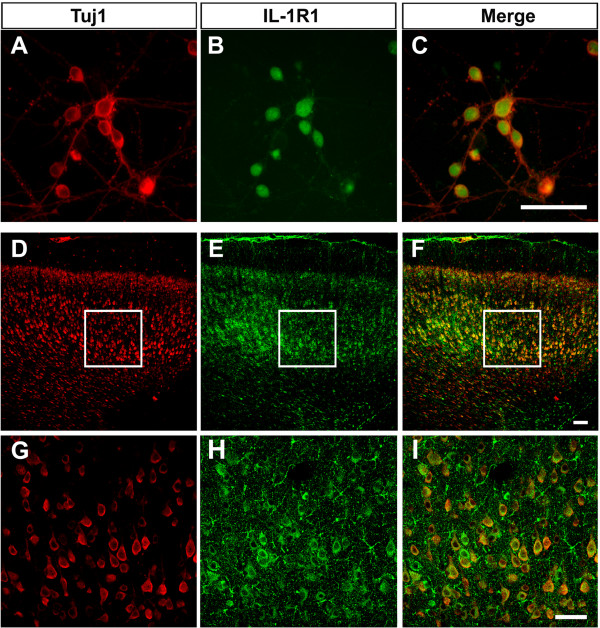
Proinflammatory cytokine interleukin-1beta (IL-1β) is expressed at high levels in the developing brain and declines to low constitutive levels in the adult. However, the pathophysiological function of IL-1β during brain development remains elusive. In this study, we investigated the role of IL-1β in neuronal migration.
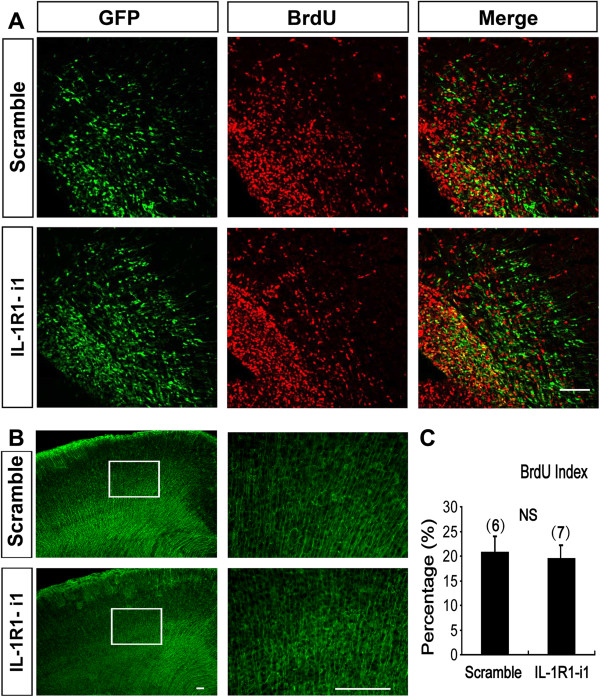
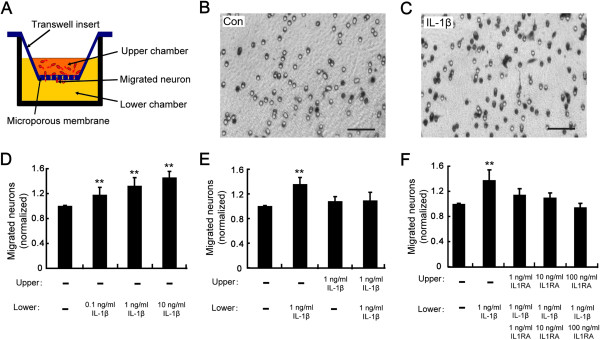
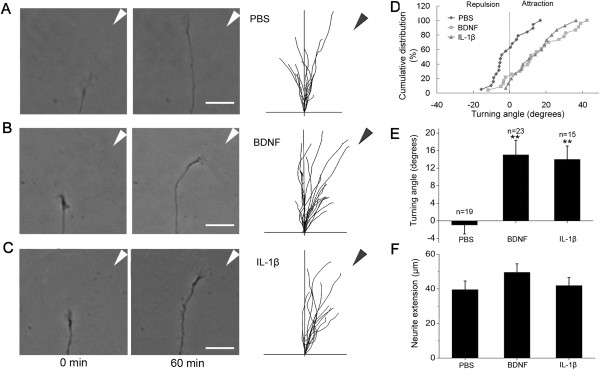
The Boyden transwell assay was used to examine the effects of IL-1β on the migration of dissociated primary cortical neurons. To determine the role of IL-1β in neuron leading process pathfinding, we employed a growth cone turning assay. In utero electroporation combined with RNAi technology was used to examine the neuronal migration in vivo during brain development in Sprague-Dawley rats.
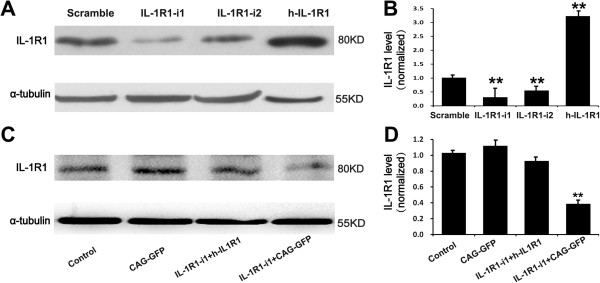
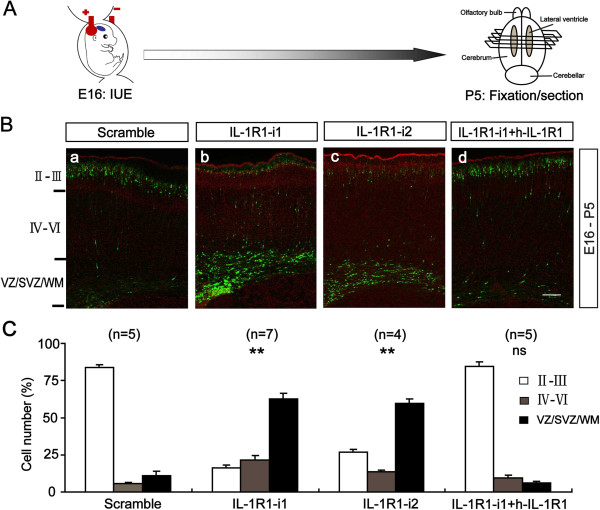
IL-1β at concentrations ranging from 0.1 to 10 ng/mL in the lower chamber of a transwell induced a significant increase in the number of migrating neurons in a dose-dependent manner. When IL-1β was simultaneously put in both the upper and lower chambers to eliminate the gradient, no significant differences in cell migration were observed. IL-1 receptor antagonist IL-1RA dose-dependently blocked the attractive effect of IL-1β on neuronal migration. Microscopic gradients of IL-1β were created near the growth cones of isolated neurons by repetitive pulsatile application of picoliters of a IL-1β-containing solution with a micropipette. We found that growth cones exhibited a clear bias toward the source of IL-1β at the end of a one hour period in the IL-1β gradient. No significant difference was observed in the rate of neurite extension between IL-1β and controls. We electroporated specific siRNA constructs against IL-1R1 mRNA into cortical progenitors at embryonic day 16 and examined the position and distribution of transfected cells in the somatosensory cortex at postnatal day 5. We found that neurons transfected with IL-1R1-siRNA displayed a severe retardation in radial migration, with about 83% of total cells unable to arrive at the upper cortical layers.
Our study suggests an essential contribution of IL-1β to neuronal migration during brain development, which provides a basis to understand the physiological roles of IL-1β in the developing brain and could have significant implications for the prevention of some neurodevelopment disorders due to abnormal neuronal migration.
促炎细胞因子白细胞介素 -1β(IL -1β)在发育中的大脑中高水平表达,而在成体中降至低水平的组成性表达。然而,IL -1β在大脑发育过程中的病理生理功能仍不清楚。在本研究中,我们研究了IL -1β在神经元迁移中的作用。
使用Boyden小室分析法检测IL -1β对解离的原代皮质神经元迁移的影响。为了确定IL -1β在神经元引导过程路径寻找中的作用,我们采用了生长锥转向试验。在Sprague - Dawley大鼠脑发育过程中,运用子宫内电穿孔结合RNAi技术检测体内神经元迁移情况。
在Transwell小室下层中,浓度范围为0.1至10 ng/mL的IL -1β以剂量依赖方式显著增加迁移神经元的数量。当IL -1β同时置于上下层以消除梯度时,未观察到细胞迁移的显著差异。IL -1受体拮抗剂IL -1RA剂量依赖性地阻断IL -1β对神经元迁移的吸引作用。通过用微量移液器重复脉冲施加皮升含IL -1β的溶液,在分离神经元的生长锥附近形成IL -1β的微观梯度。我们发现,在IL -1β梯度中,一小时结束时生长锥明显偏向IL -1β来源。IL -1β与对照组之间在神经突延伸速率上未观察到显著差异。我们在胚胎第16天将针对IL -1R1 mRNA的特异性siRNA构建体电穿孔到皮质祖细胞中,并在出生后第5天检查转染细胞在体感皮质中的位置和分布。我们发现,用IL -1R1 - siRNA转染的神经元在径向迁移中表现出严重延迟,约83%的细胞无法到达皮质上层。
我们的研究表明IL -1β在脑发育过程中对神经元迁移起着重要作用,这为理解IL -1β在发育中大脑的生理作用提供了基础,并且可能对预防因神经元迁移异常导致的一些神经发育障碍具有重要意义。