Yoo Jung-Yoon, Shin Heesung, Kim Tae Hoon, Choi Won-Seok, Ferguson Susan D, Fazleabas Asgerally T, Young Steven L, Lessey Bruce A, Ha Un-Hwan, Jeong Jae-Wook
Department of Obstetrics, Gynecology & Reproductive Biology, Michigan State University, College of Human Medicine, Grand Rapids, Michigan, United States of America.
Department of Obstetrics, Gynecology & Reproductive Biology, Michigan State University, College of Human Medicine, Grand Rapids, Michigan, United States of America; Department of Biotechnology and Bioinformatics, Korea University, Sejong, South Korea.
PLoS One. 2014 Jun 23;9(6):e100481. doi: 10.1371/journal.pone.0100481. eCollection 2014.
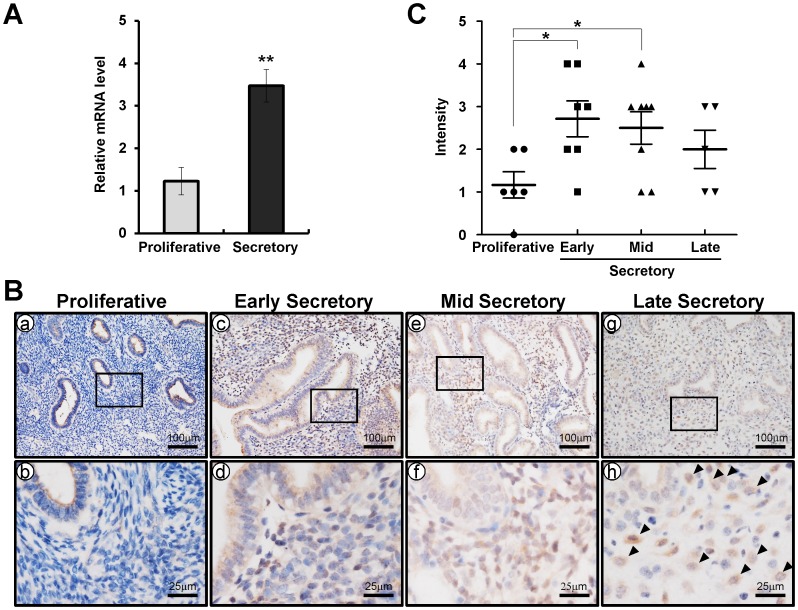
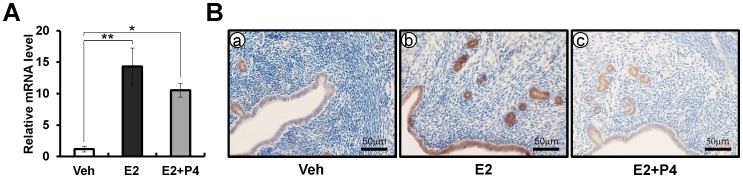
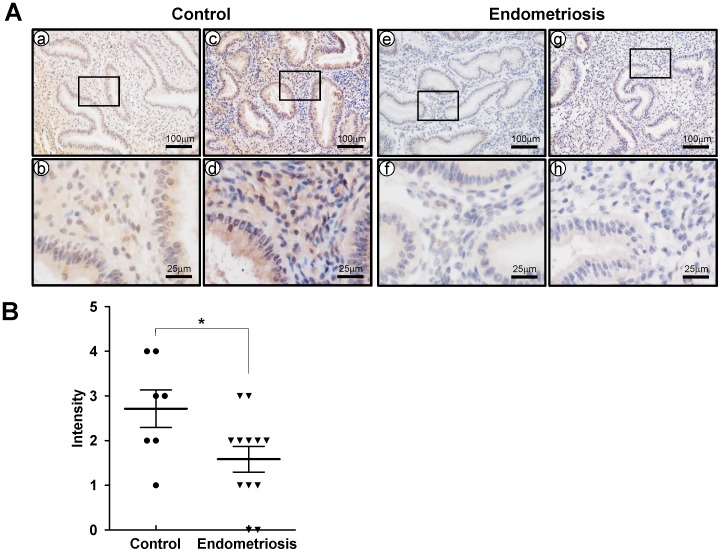
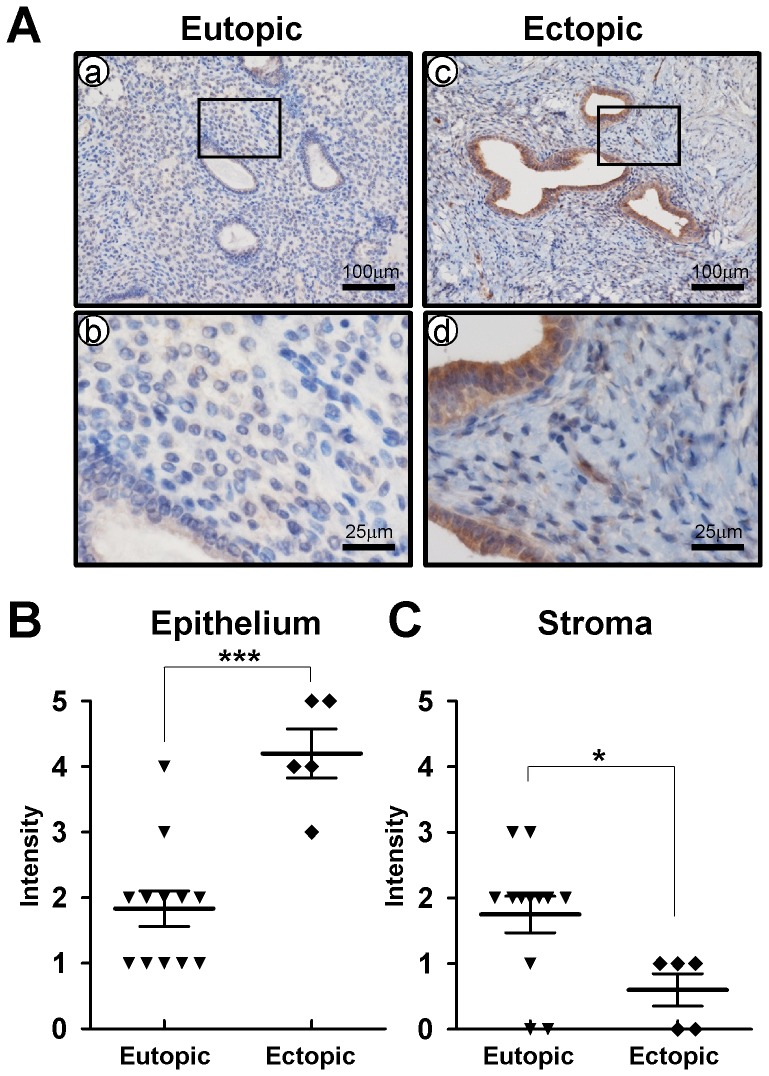
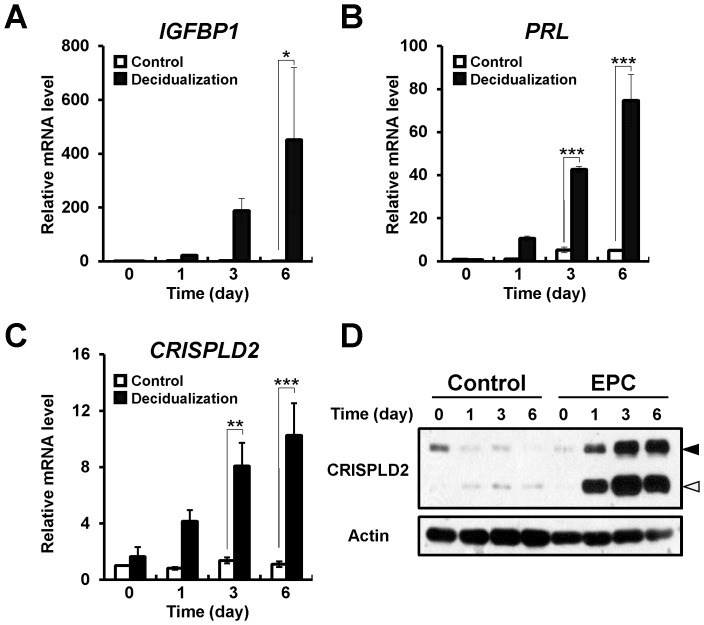
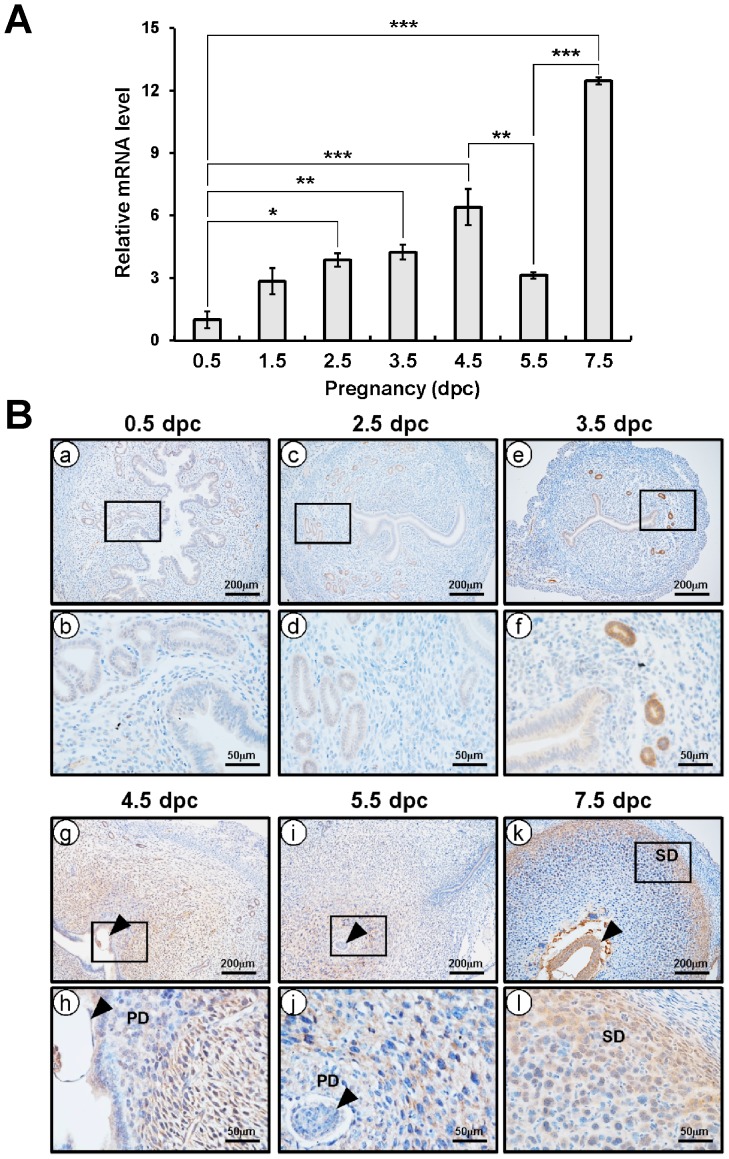
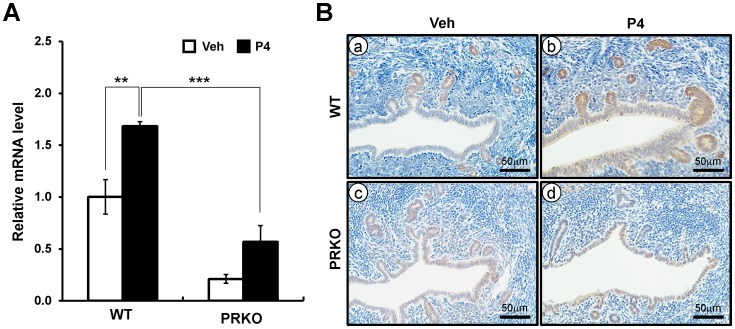
Endometriosis, defined as the presence of endometrial cells outside of the uterine cavity, is a major cause of infertility and pelvic pain, afflicting more than 10% of reproductive age women. Endometriosis is a chronic inflammatory disease and lipopolysaccharide promotes the proliferation and invasion of endometriotic stromal cells. Cysteine-rich secretory protein LCCL domain-containing 2 (CRISPLD2) has high affinity for lipopolysaccharide and plays a critical role in defense against endotoxin shock. However, the function of CRISPLD2 has not been studied in endometriosis and uterine biology. Herein, we examined the expression of CRISPLD2 in endometrium from patients with and without endometriosis using immunohistochemistry. The expression of CRISPLD2 was higher in the secretory phase in human menstrual cycle compared to proliferative phase. The expression of CRISPLD2 was significantly decreased in the endometrium of women with endometriosis in the early secretory phase compared to women without endometriosis. The increase of CRISPLD2 expression at the early secretory and dysregulation of its expression in endometriosis suggest progesterone (P4) regulation of CRISPLD2. To investigate whether CRISPLD2 is regulated by P4, we examined the expression of the CRISPLD2 in the uteri of wild-type and progesterone receptor knock out (PRKO) mice. The expression of CRISPLD2 was significantly increased after P4 treatment in the wild-type mice. However, CRISPLD2 expression was significantly decreased in the (PRKO) mice treated with P4. During early pregnancy, the expression of CRISPLD2 was increased in decidua of implantation and post-implantation stages. CRISPLD2 levels were also increased in cultured human endometrial stromal cells during in vitro decidualization. These results suggest that the CRISPLD2 is a target of the progesterone receptor and may play an important role in pathogenesis of endometriosis.
子宫内膜异位症被定义为子宫腔外存在子宫内膜细胞,是导致不孕和盆腔疼痛的主要原因,影响超过10%的育龄妇女。子宫内膜异位症是一种慢性炎症性疾病,脂多糖可促进子宫内膜间质细胞的增殖和侵袭。富含半胱氨酸的分泌蛋白LCCL结构域包含2(CRISPLD2)对脂多糖具有高亲和力,并在抵御内毒素休克中起关键作用。然而,CRISPLD2在子宫内膜异位症和子宫生物学中的功能尚未得到研究。在此,我们使用免疫组织化学检查了有和没有子宫内膜异位症患者子宫内膜中CRISPLD2的表达。与增殖期相比,CRISPLD2在人类月经周期的分泌期表达更高。与没有子宫内膜异位症的女性相比,患有子宫内膜异位症的女性在分泌早期子宫内膜中CRISPLD2的表达显著降低。CRISPLD2在分泌早期表达增加及其在子宫内膜异位症中表达失调表明孕激素(P4)对CRISPLD2有调节作用。为了研究CRISPLD2是否受P4调节,我们检查了野生型和孕激素受体敲除(PRKO)小鼠子宫中CRISPLD2的表达。野生型小鼠经P4处理后CRISPLD2的表达显著增加。然而,用P4处理的(PRKO)小鼠中CRISPLD2的表达显著降低。在妊娠早期,植入期和植入后蜕膜中CRISPLD2的表达增加。在体外蜕膜化过程中,培养的人子宫内膜间质细胞中CRISPLD2水平也增加。这些结果表明,CRISPLD2是孕激素受体的靶标,可能在子宫内膜异位症的发病机制中起重要作用。