Xu Lihong, Stevens Janine, Hilton Mary Beth, Seaman Steven, Conrads Thomas P, Veenstra Timothy D, Logsdon Daniel, Morris Holly, Swing Deborah A, Patel Nimit L, Kalen Joseph, Haines Diana C, Zudaire Enrique, St Croix Brad
Tumor Angiogenesis Section, Mouse Cancer Genetics Program (MCGP), National Cancer Institute (NCI) at Frederick, National Institutes of Health, Frederick, MD 21702, USA.
Tumor Angiogenesis Section, Mouse Cancer Genetics Program (MCGP), National Cancer Institute (NCI) at Frederick, National Institutes of Health, Frederick, MD 21702, USA. Basic Research Program, Frederick National Laboratory for Cancer Research, Frederick, MD 21702, USA.
Sci Transl Med. 2014 Jun 25;6(242):242ra84. doi: 10.1126/scitranslmed.3008455.
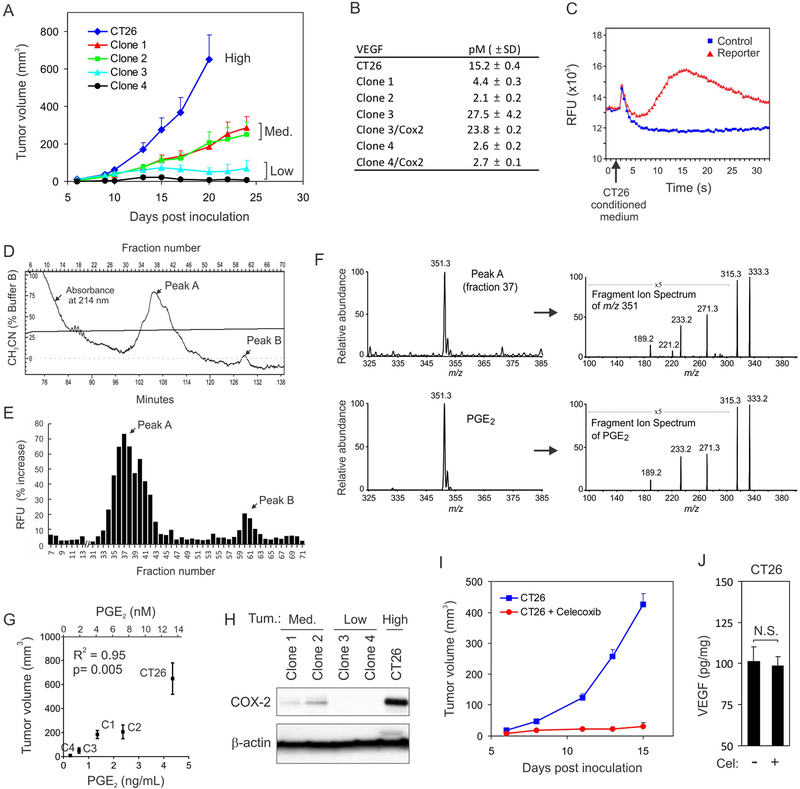
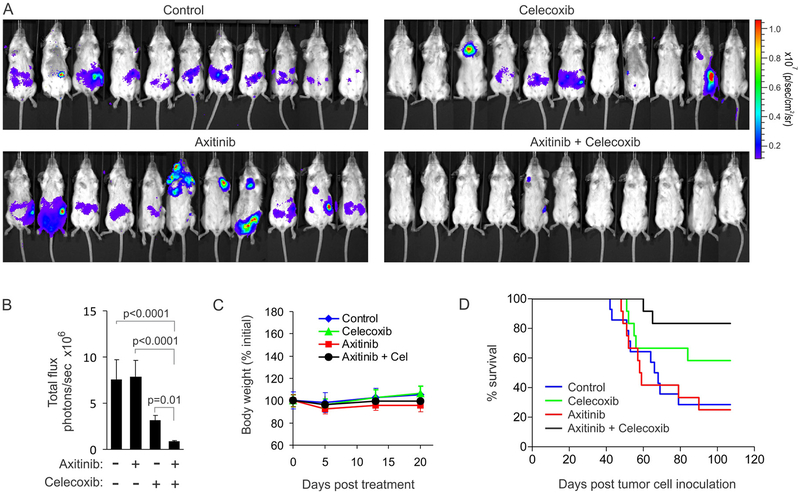
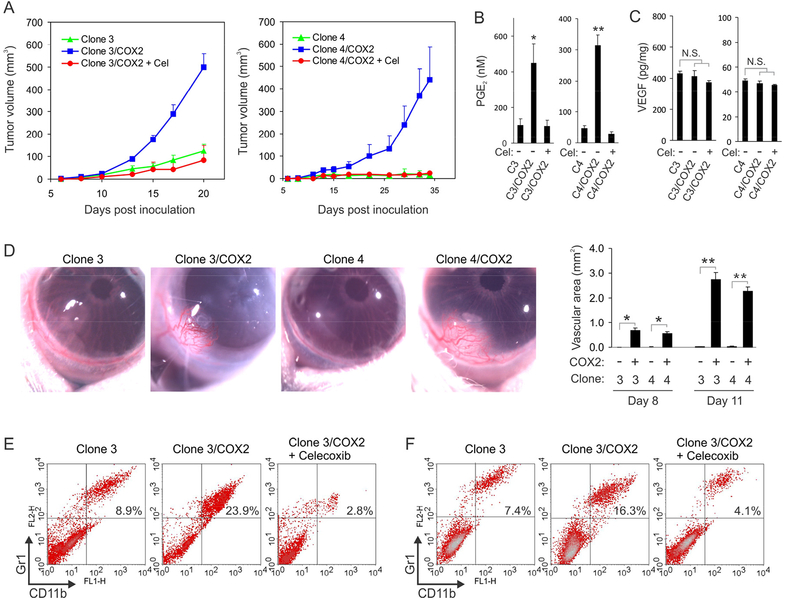
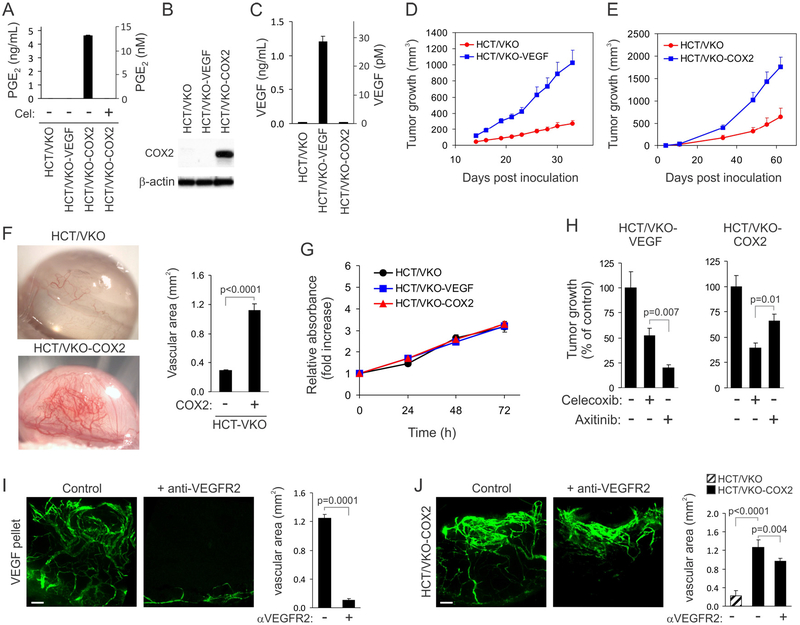
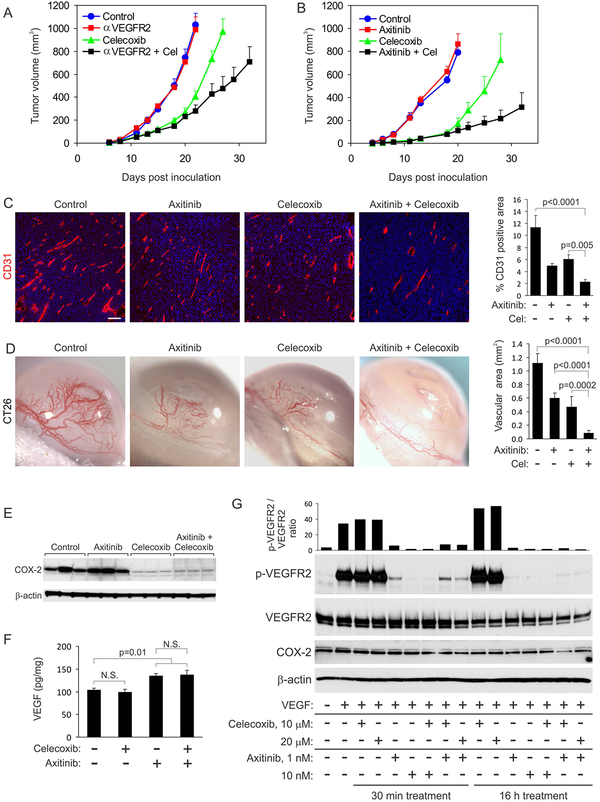
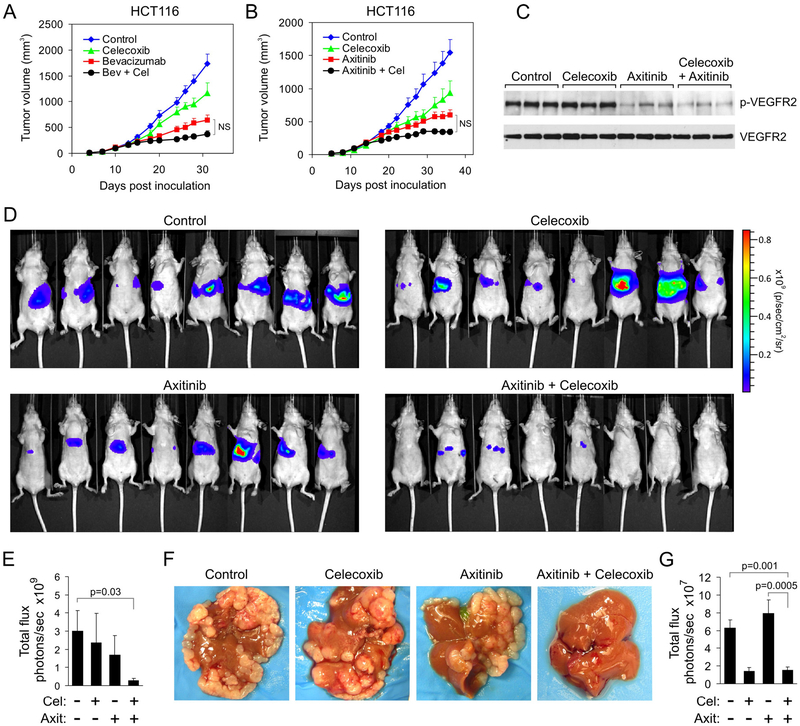
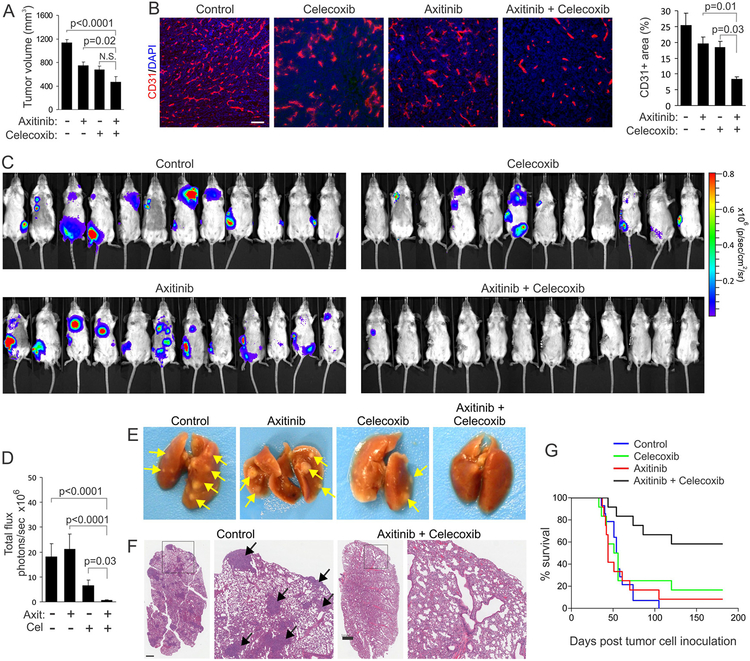
Antiangiogenic agents that block vascular endothelial growth factor (VEGF) signaling are important components of current cancer treatment modalities but are limited by alternative ill-defined angiogenesis mechanisms that allow persistent tumor vascularization in the face of continued VEGF pathway blockade. We identified prostaglandin E2 (PGE2) as a soluble tumor-derived angiogenic factor associated with VEGF-independent angiogenesis. PGE2 production in preclinical breast and colon cancer models was tightly controlled by cyclooxygenase-2 (COX-2) expression, and COX-2 inhibition augmented VEGF pathway blockade to suppress angiogenesis and tumor growth, prevent metastasis, and increase overall survival. These results demonstrate the importance of the COX-2/PGE2 pathway in mediating resistance to VEGF pathway blockade and could aid in the rapid development of more efficacious anticancer therapies.
阻断血管内皮生长因子(VEGF)信号传导的抗血管生成药物是当前癌症治疗模式的重要组成部分,但由于存在其他不明的血管生成机制,在持续阻断VEGF通路的情况下,肿瘤血管仍能持续生成,这限制了此类药物的应用。我们发现前列腺素E2(PGE2)是一种可溶性肿瘤衍生的血管生成因子,与不依赖VEGF的血管生成有关。在临床前乳腺癌和结肠癌模型中,PGE2的产生受环氧合酶-2(COX-2)表达的严格控制,抑制COX-2可增强VEGF通路阻断作用,从而抑制血管生成和肿瘤生长,预防转移,并提高总生存率。这些结果证明了COX-2/PGE2通路在介导对VEGF通路阻断的抗性中的重要性,并有助于更有效抗癌疗法的快速开发。