Shi Z, Li Z, Li Z J, Cheng K, Du Y, Fu H, Khuri F R
1] Department of Cell Biology and Institute of Biomedicine, College of Life Science and Technology, Jinan University, Guangzhou, China [2] Department of Pharmacology, Emory University School of Medicine, Atlanta, GA, USA.
Department of Pharmacology, Emory University School of Medicine, Atlanta, GA, USA.
Oncogene. 2015 May 7;34(19):2538-45. doi: 10.1038/onc.2014.171. Epub 2014 Jun 30.
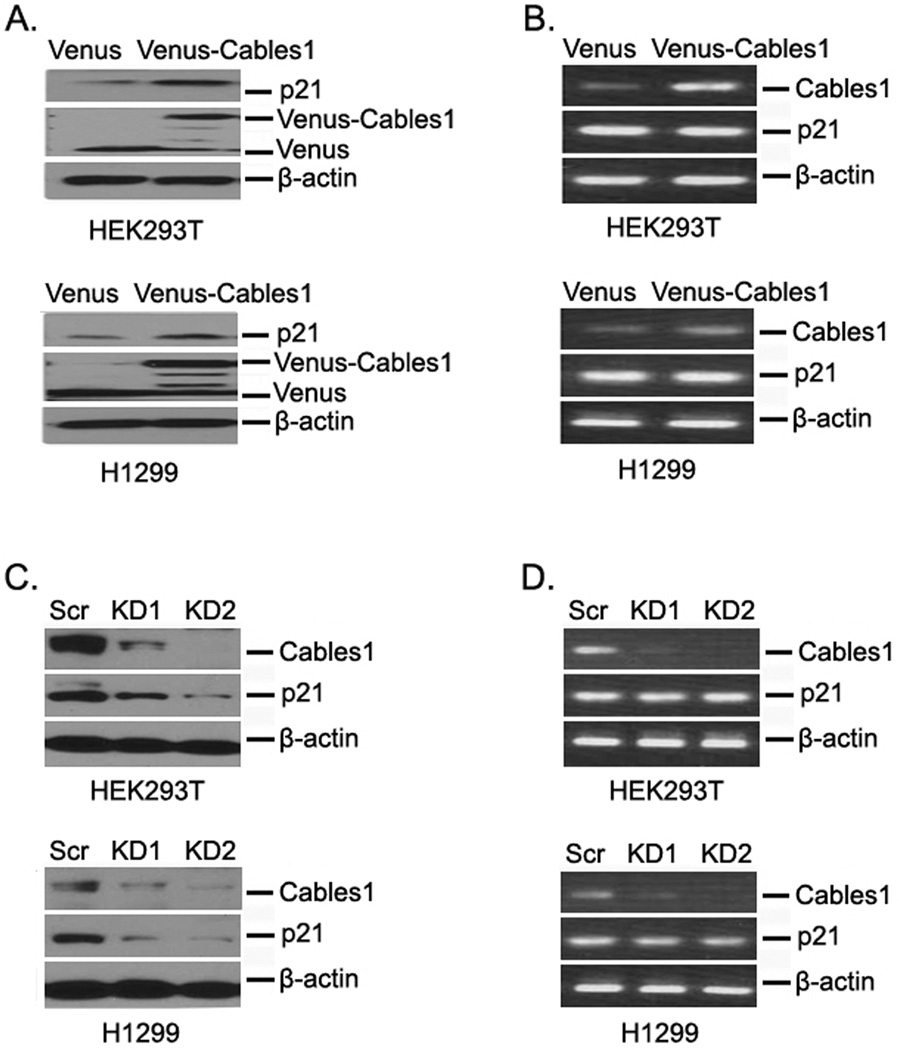
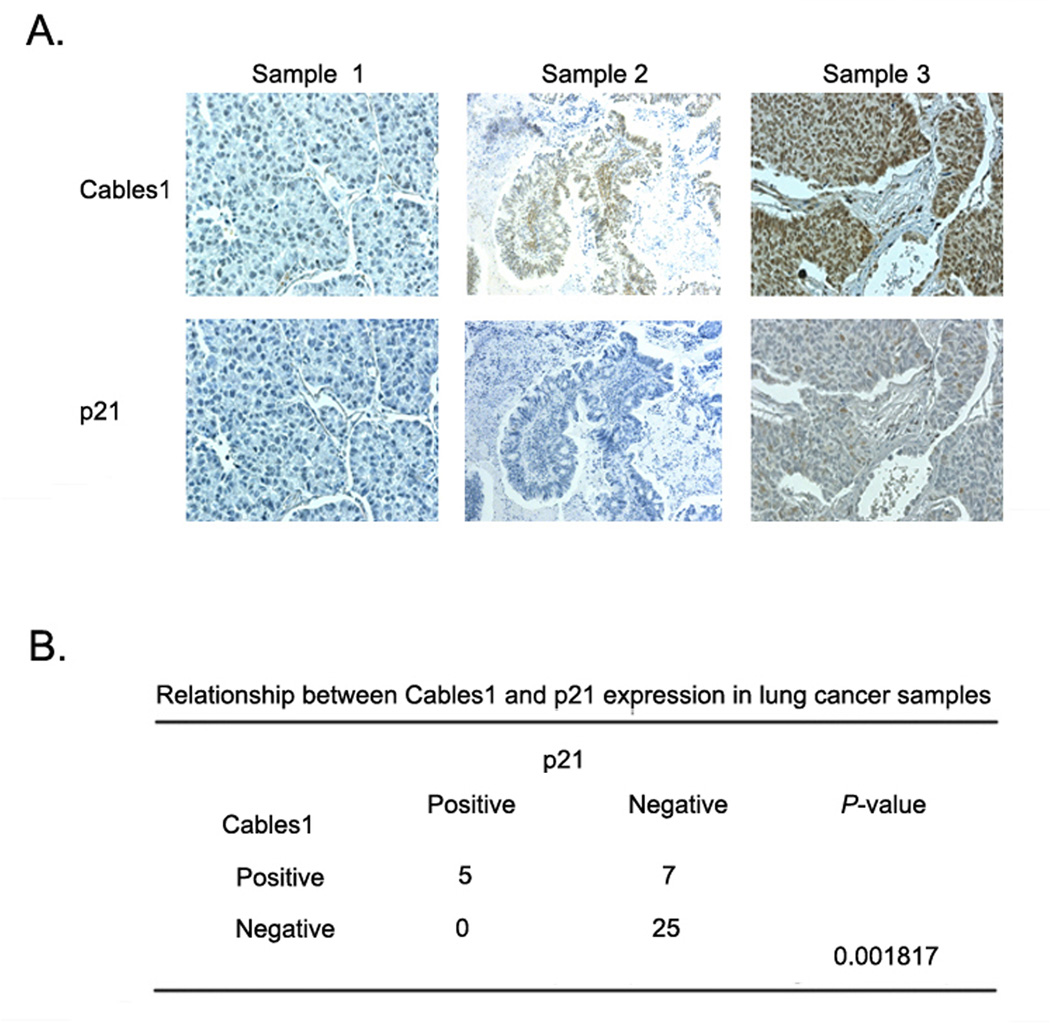
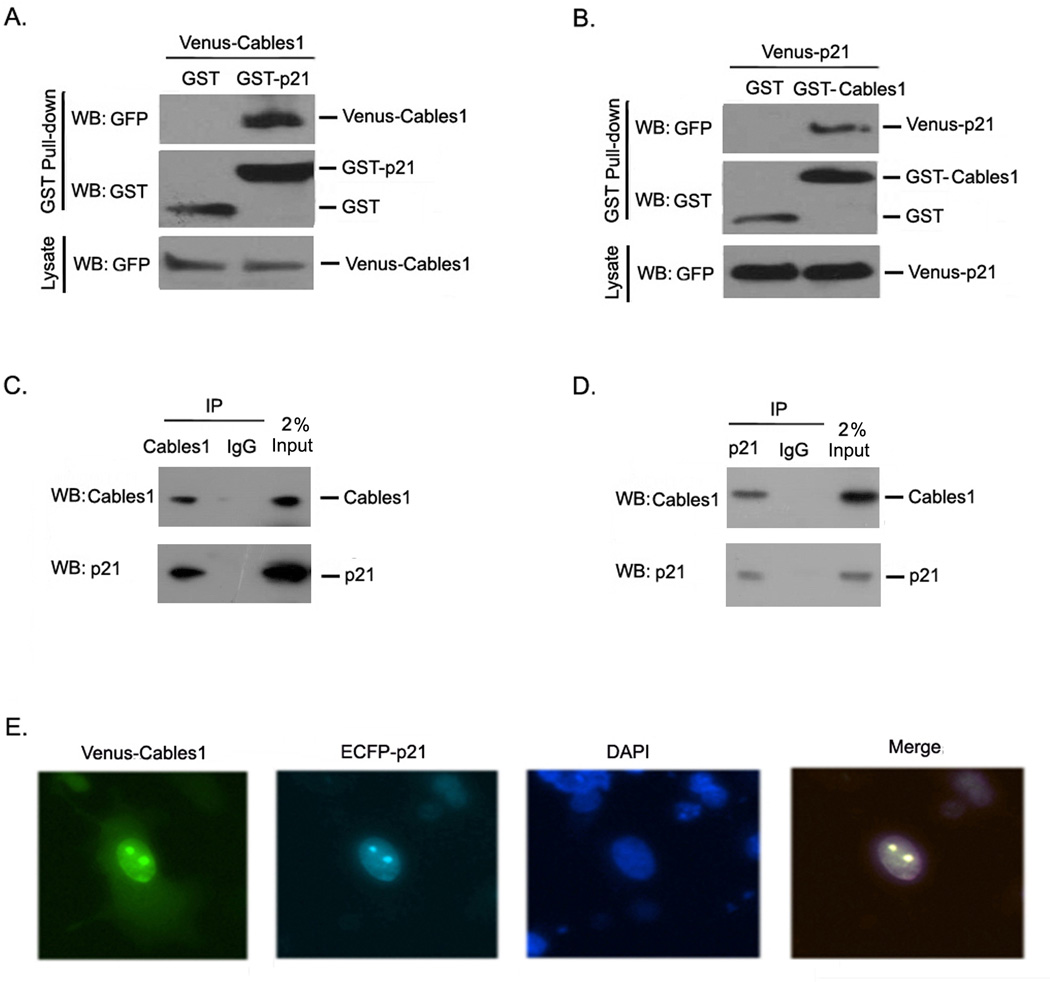
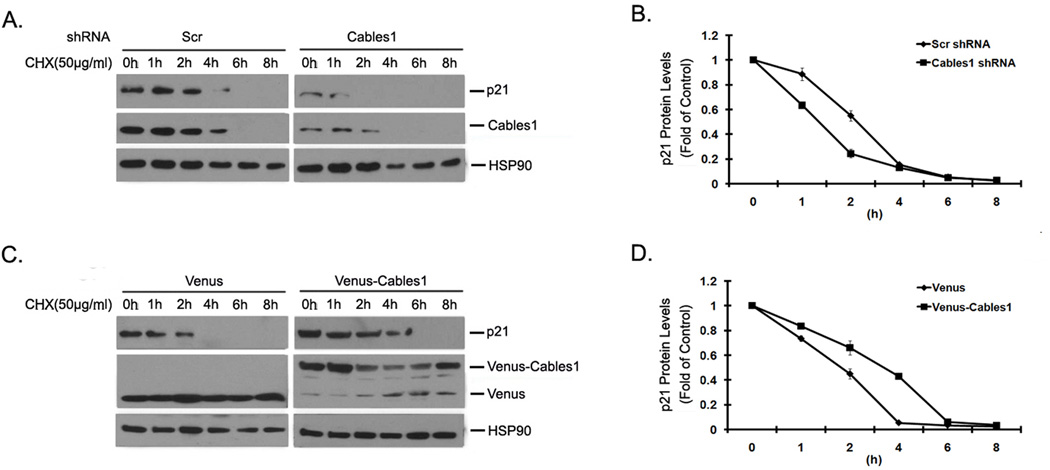
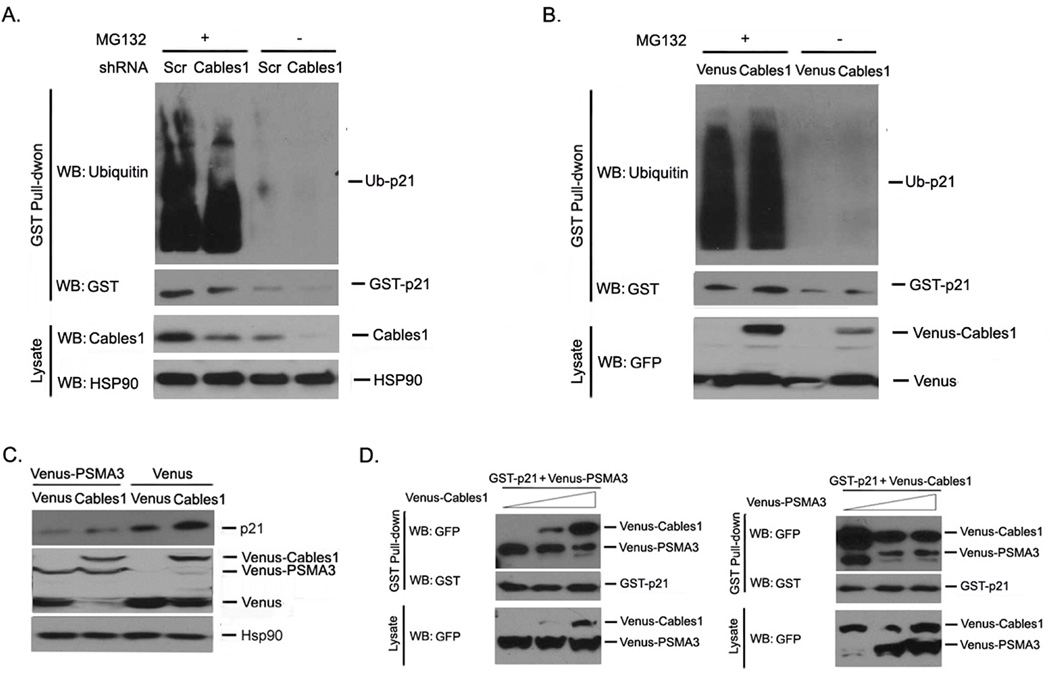
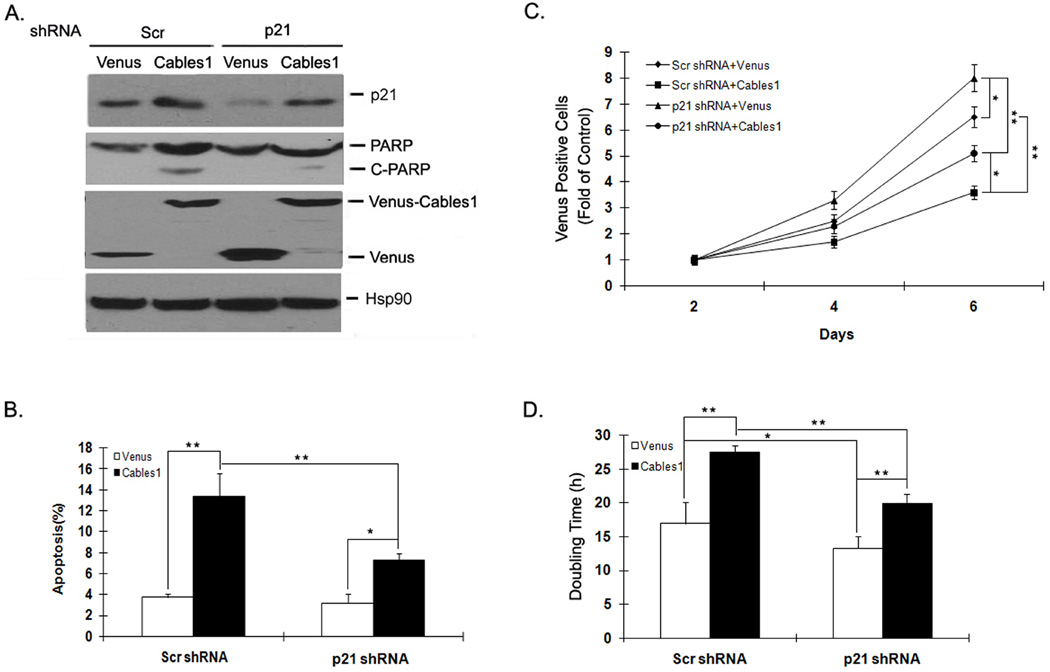
The cyclin-dependent kinase (CDK) inhibitor 1A, p21/Cip1, is a vital cell cycle regulator, dysregulation of which has been associated with a large number of human malignancies. One critical mechanism that controls p21 function is through its degradation, which allows the activation of its associated cell cycle-promoting kinases, CDK2 and CDK4. Thus delineating how p21 is stabilized and degraded will enhance our understanding of cell growth control and offer a basis for potential therapeutic interventions. Here we report a novel regulatory mechanism that controls the dynamic status of p21 through its interaction with Cdk5 and Abl enzyme substrate 1 (Cables1). Cables1 has a proposed role as a tumor suppressor. We found that upregulation of Cables1 protein was correlated with increased half-life of p21 protein, which was attributed to Cables1/p21 complex formation and supported by their co-localization in the nucleus. Mechanistically, Cables1 interferes with the proteasome (Prosome, Macropain) subunit alpha type 3 (PSMA3) binding to p21 and protects p21 from PSMA3-mediated proteasomal degradation. Moreover, silencing of p21 partially reverses the ability of Cables1 to induce cell death and inhibit cell proliferation. In further support of a potential pathophysiological role of Cables1, the expression level of Cables1 is tightly associated with p21 in both cancer cell lines and human lung cancer patient tumor samples. Together, these results suggest Cables1 as a novel p21 regulator through maintaining p21 stability and support the model that the tumor-suppressive function of Cables1 occurs at least in part through enhancing the tumor-suppressive activity of p21.
细胞周期蛋白依赖性激酶(CDK)抑制剂1A,即p21/Cip1,是一种重要的细胞周期调节因子,其失调与大量人类恶性肿瘤相关。控制p21功能的一个关键机制是通过其降解,这使得与其相关的细胞周期促进激酶CDK2和CDK4得以激活。因此,阐明p21如何被稳定和降解将增进我们对细胞生长控制的理解,并为潜在的治疗干预提供依据。在此,我们报告一种新的调节机制,该机制通过p21与细胞周期蛋白依赖性激酶5(Cdk5)和Abl酶底物1(Cables1)的相互作用来控制p21的动态状态。Cables1被认为具有肿瘤抑制作用。我们发现Cables1蛋白的上调与p21蛋白半衰期的延长相关,这归因于Cables1/p21复合物的形成,并且它们在细胞核中的共定位也支持了这一点。从机制上讲,Cables1干扰蛋白酶体(蛋白酶体,大蛋白酶)α3型亚基(PSMA3)与p21的结合,并保护p21免受PSMA3介导的蛋白酶体降解。此外,p21的沉默部分逆转了Cables1诱导细胞死亡和抑制细胞增殖的能力。为进一步支持Cables1潜在的病理生理作用,在癌细胞系和人类肺癌患者肿瘤样本中,Cables1的表达水平都与p21紧密相关。总之,这些结果表明Cables1是一种通过维持p21稳定性来调节p21的新因子,并支持这样一种模型,即Cables1的肿瘤抑制功能至少部分是通过增强p... 展开