Knudsen Gabriel A, Sanders J Michael, Sadik Abdella M, Birnbaum Linda S
NCI at NIEHS, 111 T W Alexander Dr., Research Triangle Park, NC, USA.
Toxicol Rep. 2014;1:214-223. doi: 10.1016/j.toxrep.2014.03.005.
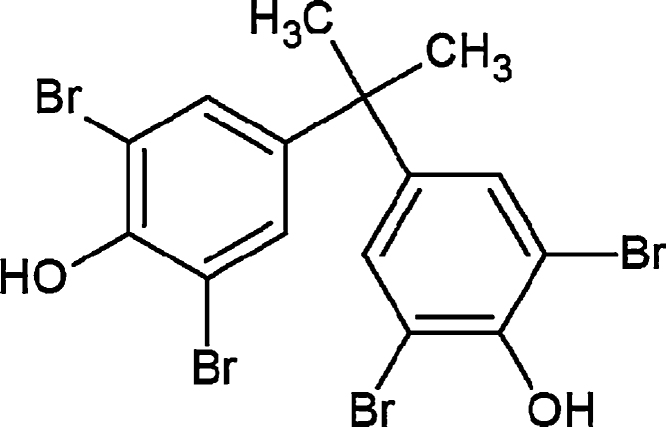
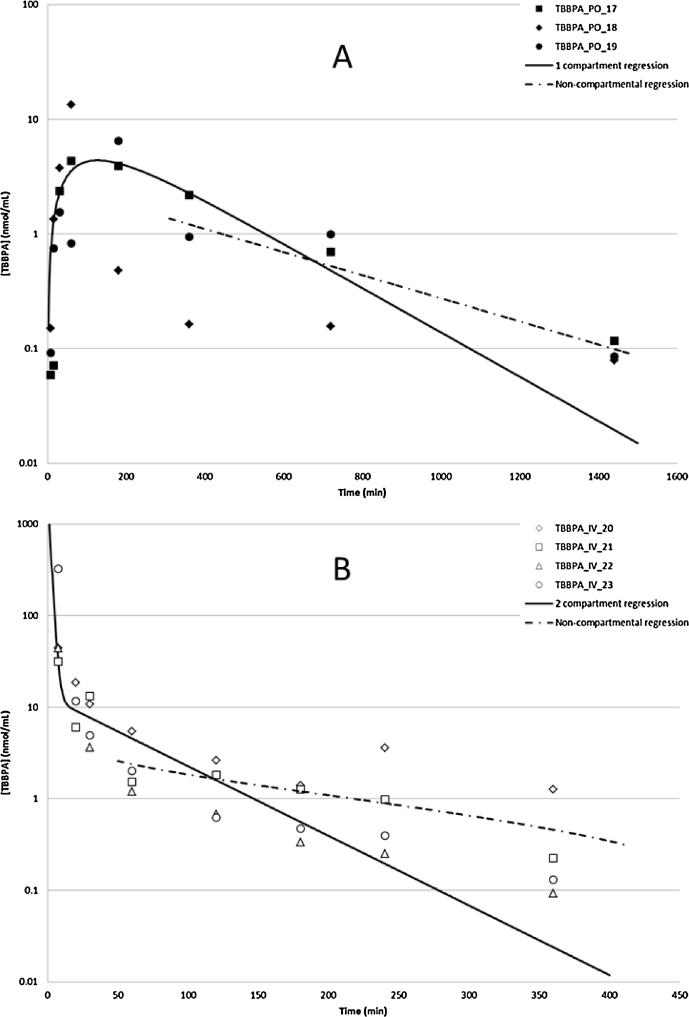
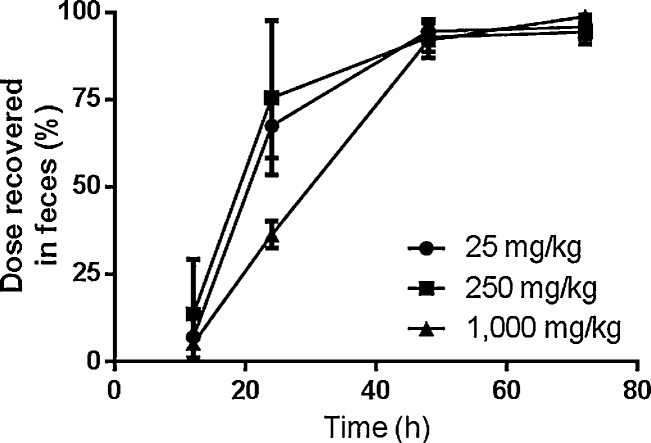
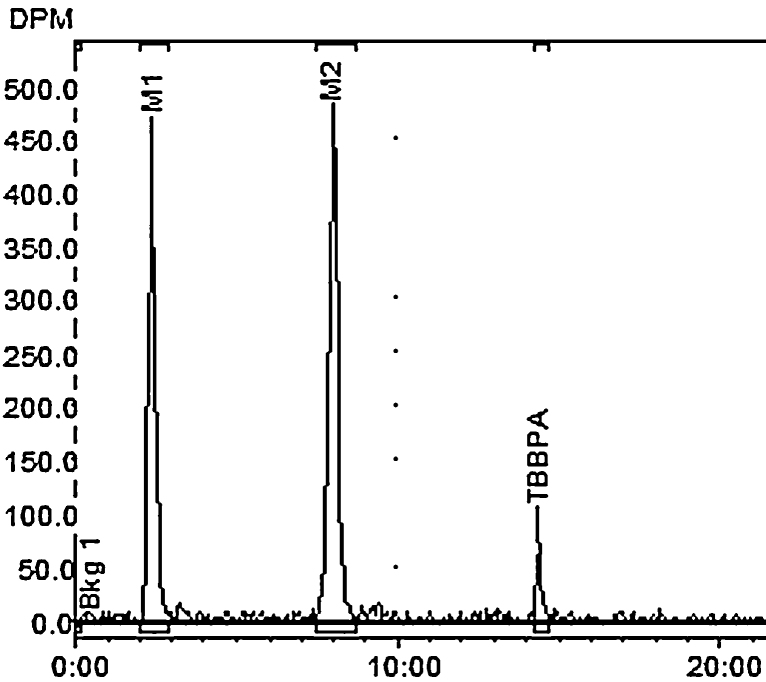
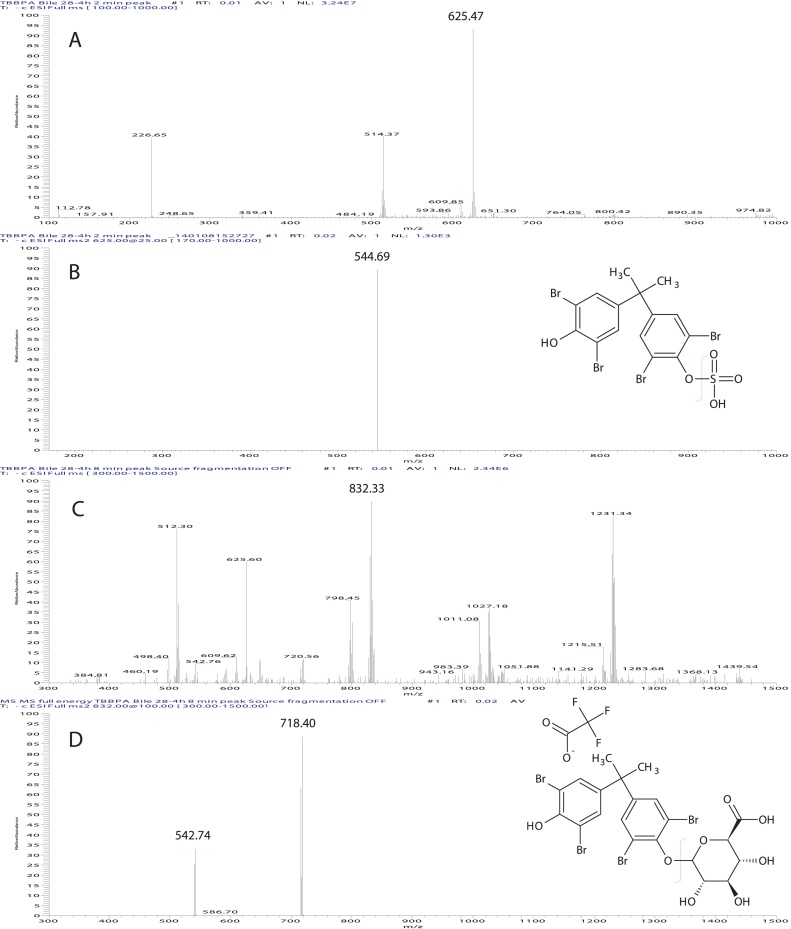
Tetrabromobisphenol A (TBBPA) is the brominated flame retardant with the largest production volume worldwide. NTP 2-year bioassays found TBBPA dose-dependent increases in uterine tumors in female Wistar Han rats; evidence of reproductive tissues carcinogenicity was equivocal in male rats. To explain this apparent sex-dependence, the disposition and toxicokinetic profile of TBBPA were investigated using female Wistar Han rats, as no data were available for female rats. In these studies, the primary route of elimination following [C]-TBBPA administration (25, 250 or 1,000 mg/kg) was in feces; recoveries in 72 h were 95.7±3.5%, 94.3±3.6% and 98.8±2.2%, respectively (urine: 0.2-2%; tissues: <0.1). TBBPA was conjugated to mono-glucuronide and -sulfate metabolites and eliminated in the bile. Plasma toxicokinetic parameters for a 250 mg/kg dose were estimated based on free TBBPA, as determined by UV/radiometric-HPLC analyses. Oral dosing by gavage (250 mg/kg) resulted in a rapid absorption of compound into the systemic circulation with an observed C at 1.5 h post-dose followed by a prolonged terminal phase. TBBPA concentrations in plasma decreased rapidly after an IV dose (25 mg/kg) followed by a long elimination phase. These results indicate low systemic bioavailability (<0.05), similar to previous reports using male rats. Elimination pathways appeared to become saturated leading to delayed excretion after a single oral administration of the highest dose (1,000 mg/kg); no such saturation or delay was detected at lower doses. Chronic high exposures to TBBPA may result in competition for metabolism with endogenous substrates in extrahepatic tissues (e.g., SULT1E1 estrogen sulfation) resulting in endocrine disruption.
四溴双酚A(TBBPA)是全球产量最大的溴化阻燃剂。美国国家毒理学计划(NTP)的两年生物测定发现,TBBPA会使雌性Wistar Han大鼠的子宫肿瘤呈剂量依赖性增加;雄性大鼠生殖组织致癌性的证据不明确。为了解释这种明显的性别依赖性,由于没有雌性大鼠的数据,因此使用雌性Wistar Han大鼠对TBBPA的处置和毒代动力学特征进行了研究。在这些研究中,给予[C]-TBBPA(25、250或1000mg/kg)后,主要消除途径是粪便;72小时内的回收率分别为95.7±3.5%、94.3±3.6%和98.8±2.2%(尿液:0.2-2%;组织:<0.1)。TBBPA与单葡萄糖醛酸和硫酸代谢物结合并通过胆汁排出。根据紫外/放射性HPLC分析测定的游离TBBPA,估算了250mg/kg剂量的血浆毒代动力学参数。经口灌胃给药(250mg/kg)导致化合物迅速吸收进入体循环,给药后1.5小时观察到血药浓度峰值(Cmax),随后是一个较长的终末相。静脉注射剂量(25mg/kg)后,血浆中TBBPA浓度迅速下降,随后是一个较长的消除相。这些结果表明全身生物利用度较低(<0.05),与之前使用雄性大鼠的报道相似。单次口服最高剂量(1000mg/kg)后,消除途径似乎变得饱和,导致排泄延迟;在较低剂量下未检测到这种饱和或延迟现象。长期高暴露于TBBPA可能导致肝外组织中与内源性底物的代谢竞争(例如,SULT1E1雌激素硫酸化),从而导致内分泌干扰。