Sedaghat Fariborz, Pouraliakbar Hamidreza, Motevalli Marzieh, Karimi Mohammad Ali, Armand Sandbad
Department of Radiology and Cardiovascular Imaging, Shahid Rajaie Cardiovascular Medical and Research Center, Iran University of Medical Sciences, Tehran, Iran.
Department of Radiology, Modarres Hospital, Shahid Beheshti University of Medical Sciences, Tehran, Iran.
Pol J Radiol. 2014 Jun 25;79:164-8. doi: 10.12659/PJR.890732. eCollection 2014.
Cardiac dual-source computed tomography (DSCT) is primarily used for coronary arteries. There are limited studies about the application of DSCT for congenital heart diseases. The aim of this study was to determine the diagnostic value of DSCT in the cardiac anomalies.
MATERIAL/METHODS: The images of DSCTs and conventional angiographies of 36 patients (21 male; mean age: 8.5 month) with congenital heart diseases were reviewed and the parameters of diagnostic value of these methods were compared. Cardiac surgery was the gold standard.
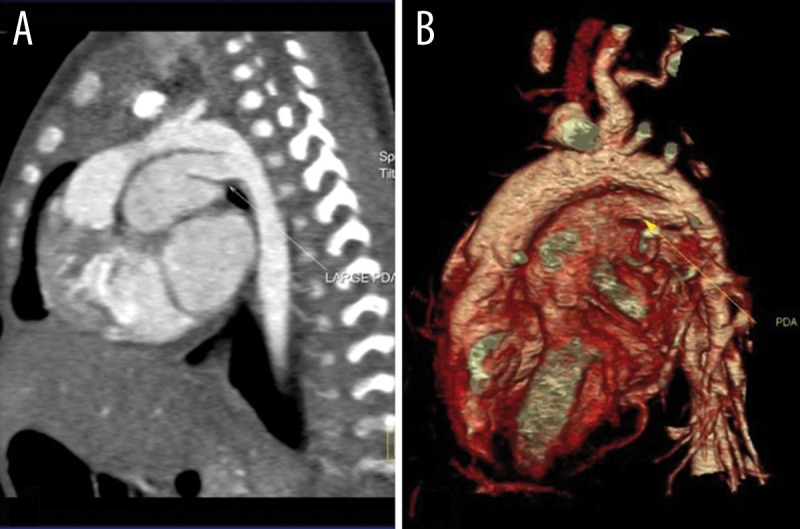
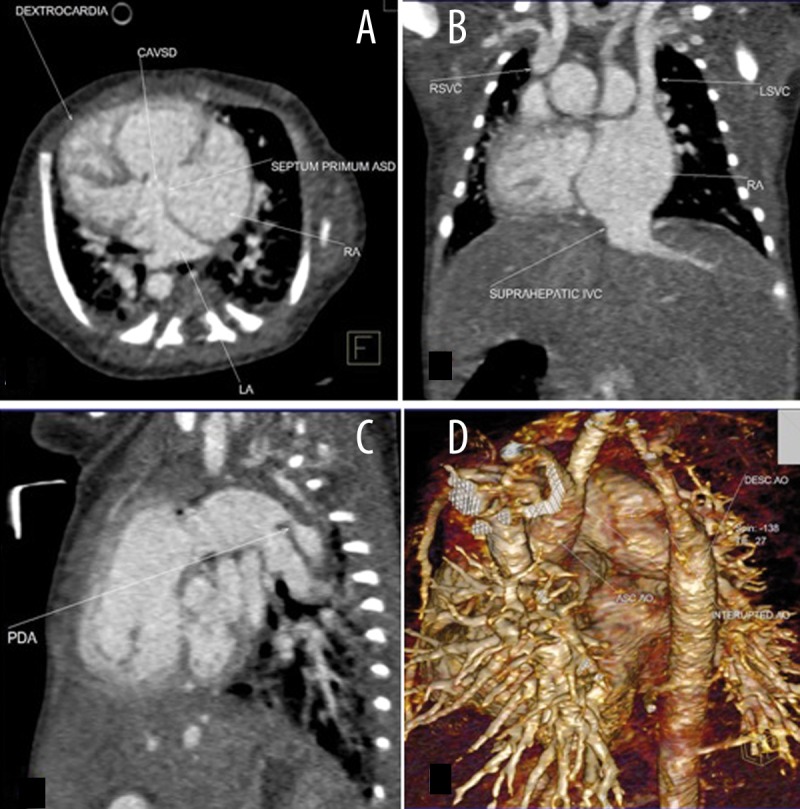
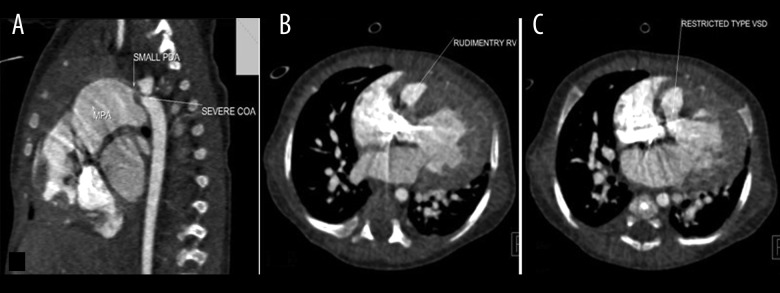
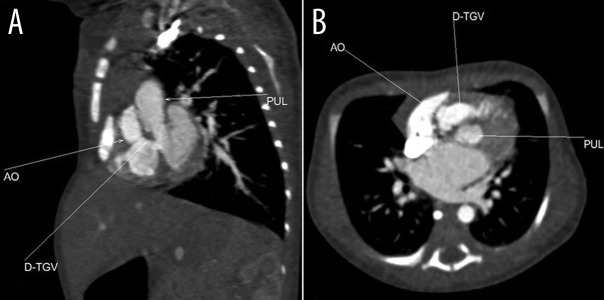
A total of 105 cardiac anomalies were diagnosed at surgery. Sensitivity, specificity, positive predictive value, negative predictive value, and accuracy of DSCT were 98.25%, 97.9%, 98.1%, 99.07%, and 98.2%, respectively. The corresponding values of angiography were 95.04%, 98.7%, 97.8%, 98.1%, and 98%, respectively. Only one atrial septal defect (ASD) and two patent ductus arteriosus (PDA) were missed by DSCT. Angiography missed two ASD and two PDA. DSCT also provided important additional findings (n=35) about the intrathoracic or intraabdominal organs.
DSCT is a highly accurate diagnostic modality for congenital heart diseases, obviating the need for invasive modalities. Beside its noninvasive nature, the advantage of DSCT over the angiography is its ability to provide detailed anatomical information about the heart, vessels, lungs and intraabdominal organs.
心脏双源计算机断层扫描(DSCT)主要用于冠状动脉成像。关于DSCT在先天性心脏病中的应用研究有限。本研究旨在确定DSCT在心脏畸形中的诊断价值。
材料/方法:回顾了36例(21例男性;平均年龄:8.5个月)先天性心脏病患者的DSCT图像和传统血管造影图像,并比较了这些方法的诊断价值参数。心脏手术是金标准。
手术共诊断出105处心脏畸形。DSCT的敏感性、特异性、阳性预测值、阴性预测值和准确性分别为98.25%、97.9%、98.1%、99.07%和98.2%。血管造影的相应值分别为95.04%、98.7%、97.8%、98.1%和98%。DSCT仅漏诊1例房间隔缺损(ASD)和2例动脉导管未闭(PDA)。血管造影漏诊2例ASD和2例PDA。DSCT还提供了有关胸内或腹内器官的重要额外发现(n = 35)。
DSCT是一种诊断先天性心脏病的高度准确的方法,无需侵入性检查。除了其无创性外,DSCT相对于血管造影的优势在于它能够提供有关心脏、血管、肺和腹内器官的详细解剖信息。