Jump Robin L P, Polinkovsky Alex, Hurless Kelly, Sitzlar Brett, Eckart Kevin, Tomas Myreen, Deshpande Abhishek, Nerandzic Michelle M, Donskey Curtis J
Geriatric Research Education and Clinical Center, Cleveland Veterans Affairs Medical Center, Cleveland, Ohio, United States of America; Division of Infectious Diseases and HIV Medicine, Department of Medicine, Case Western Reserve University, Cleveland, Ohio, United States of America.
Research Service, Cleveland Veterans Affairs Medical Center, Cleveland, Ohio, United States of America.
PLoS One. 2014 Jul 2;9(7):e101267. doi: 10.1371/journal.pone.0101267. eCollection 2014.
The intestinal microbiota protect the host against enteric pathogens through a defense mechanism termed colonization resistance. Antibiotics excreted into the intestinal tract may disrupt colonization resistance and alter normal metabolic functions of the microbiota. We used a mouse model to test the hypothesis that alterations in levels of bacterial metabolites in fecal specimens could provide useful biomarkers indicating disrupted or intact colonization resistance after antibiotic treatment.
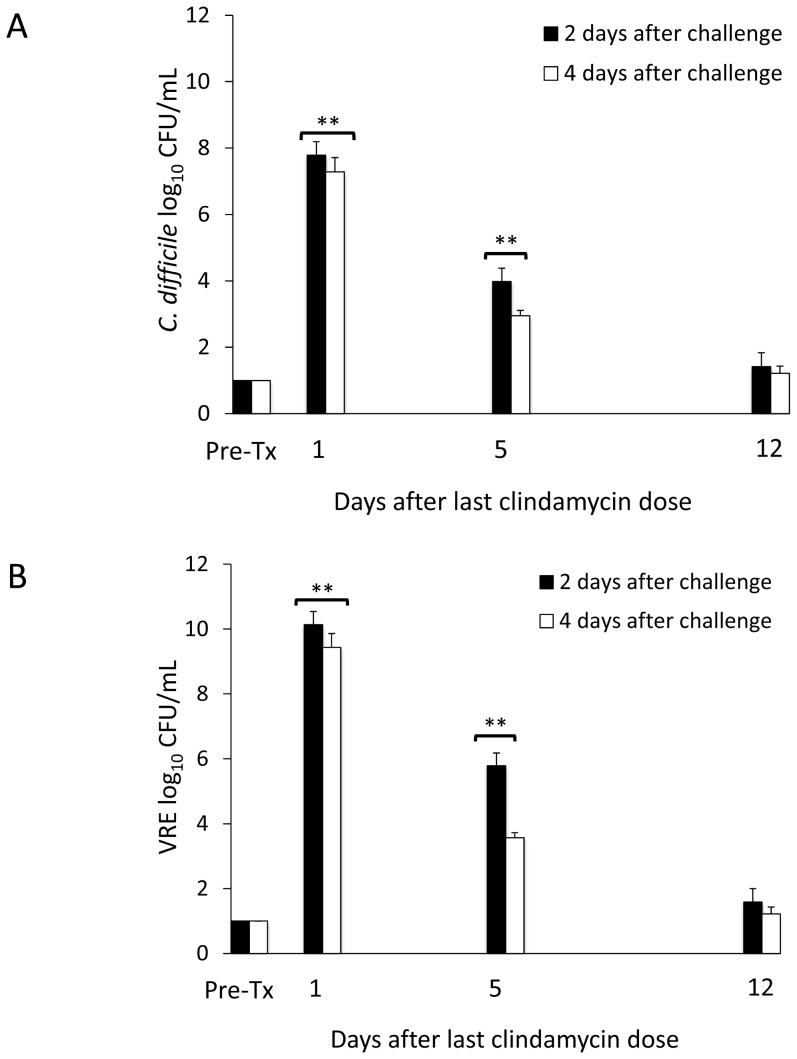
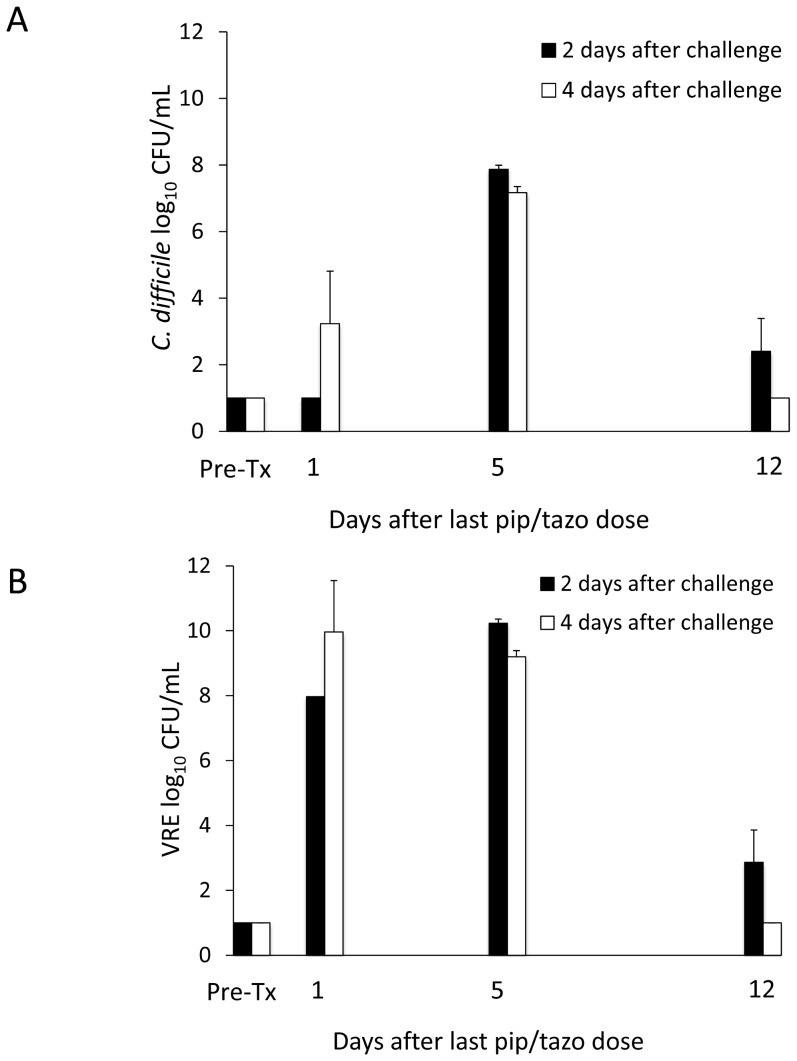
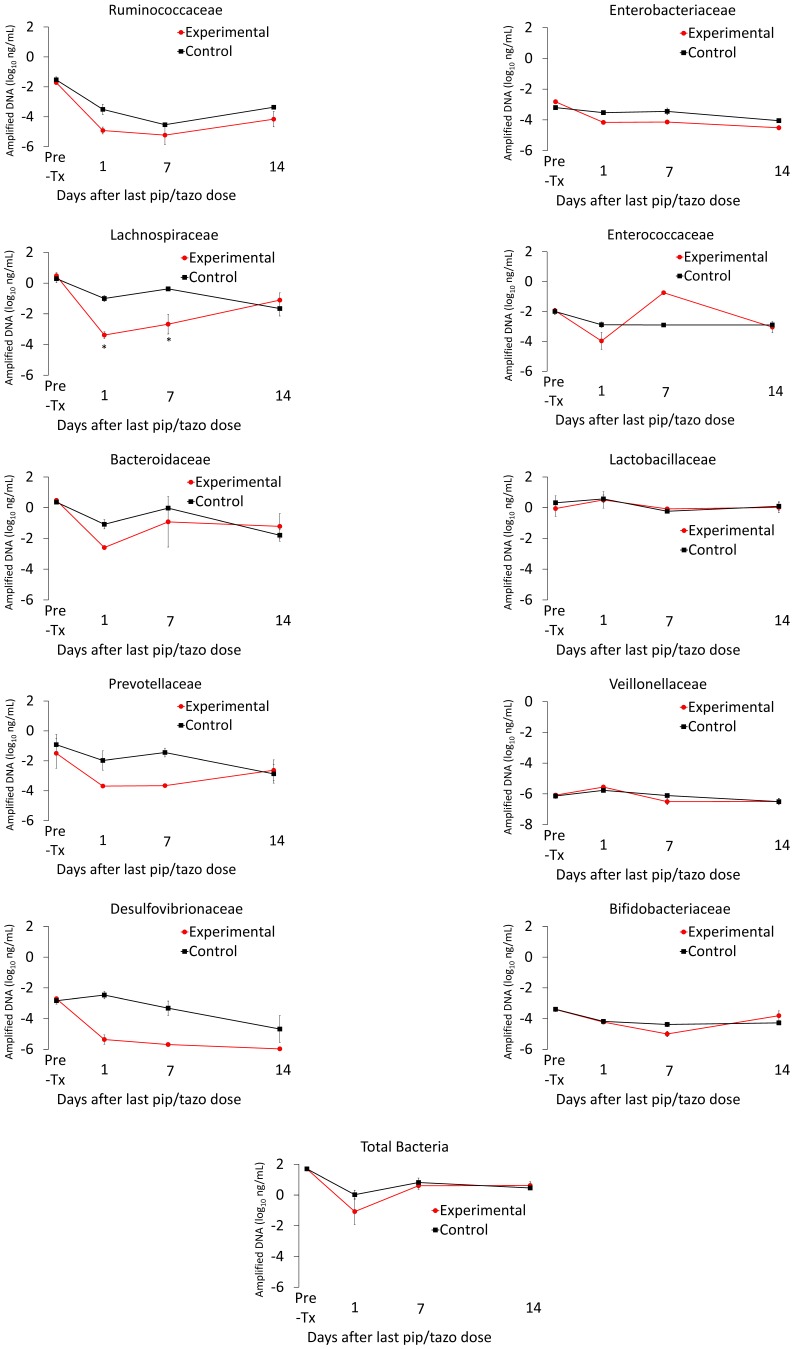
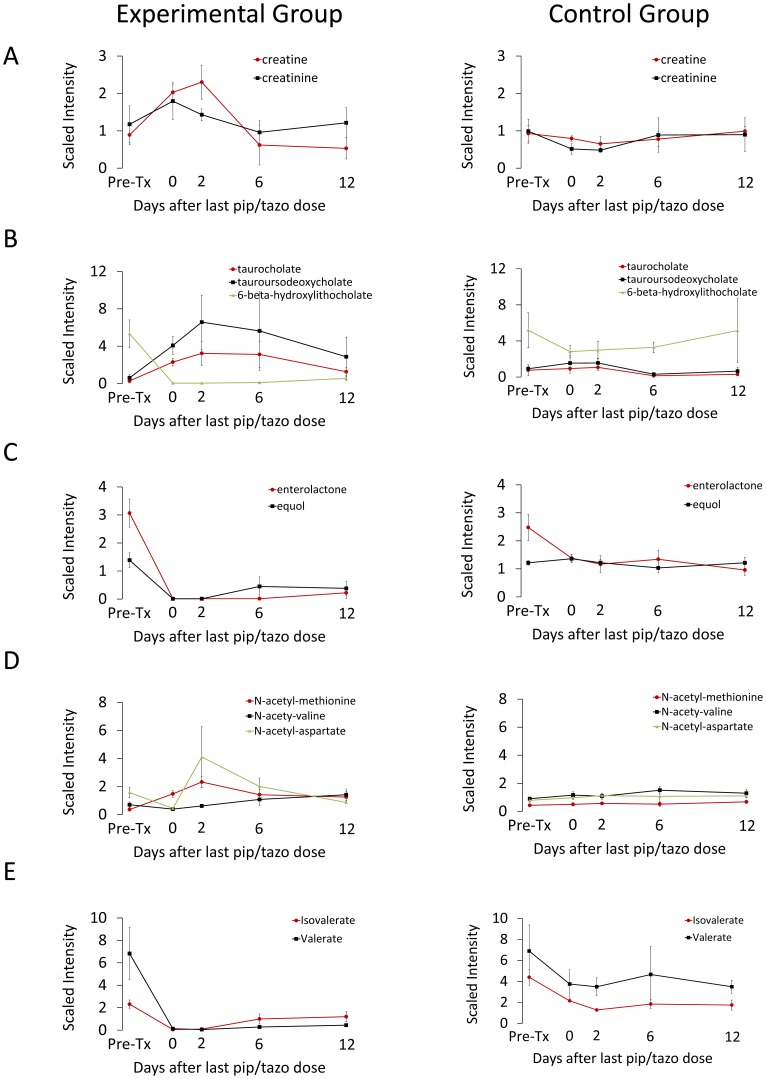
To assess in vivo colonization resistance, mice were challenged with oral vancomycin-resistant Enterococcus or Clostridium difficile spores at varying time points after treatment with the lincosamide antibiotic clindamycin. For concurrent groups of antibiotic-treated mice, stool samples were analyzed using quantitative real-time polymerase chain reaction to assess changes in the microbiota and using non-targeted metabolic profiling. To assess whether the findings were applicable to another antibiotic class that suppresses intestinal anaerobes, similar experiments were conducted with piperacillin/tazobactam.
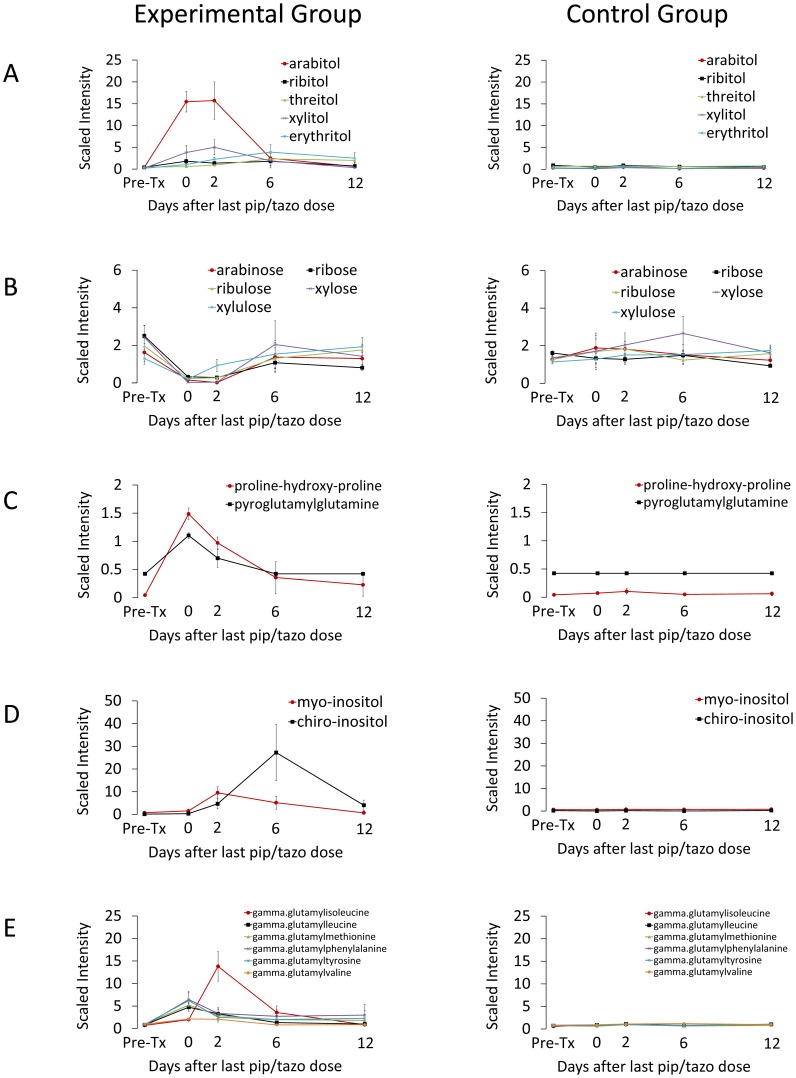
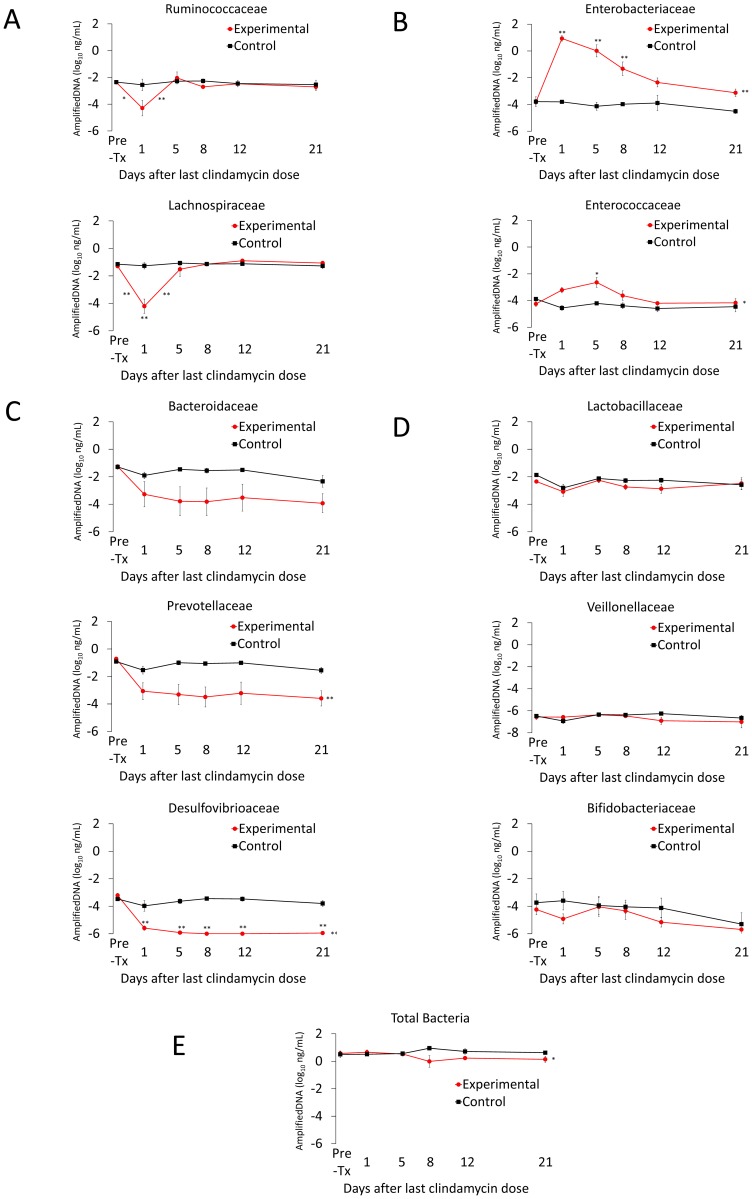
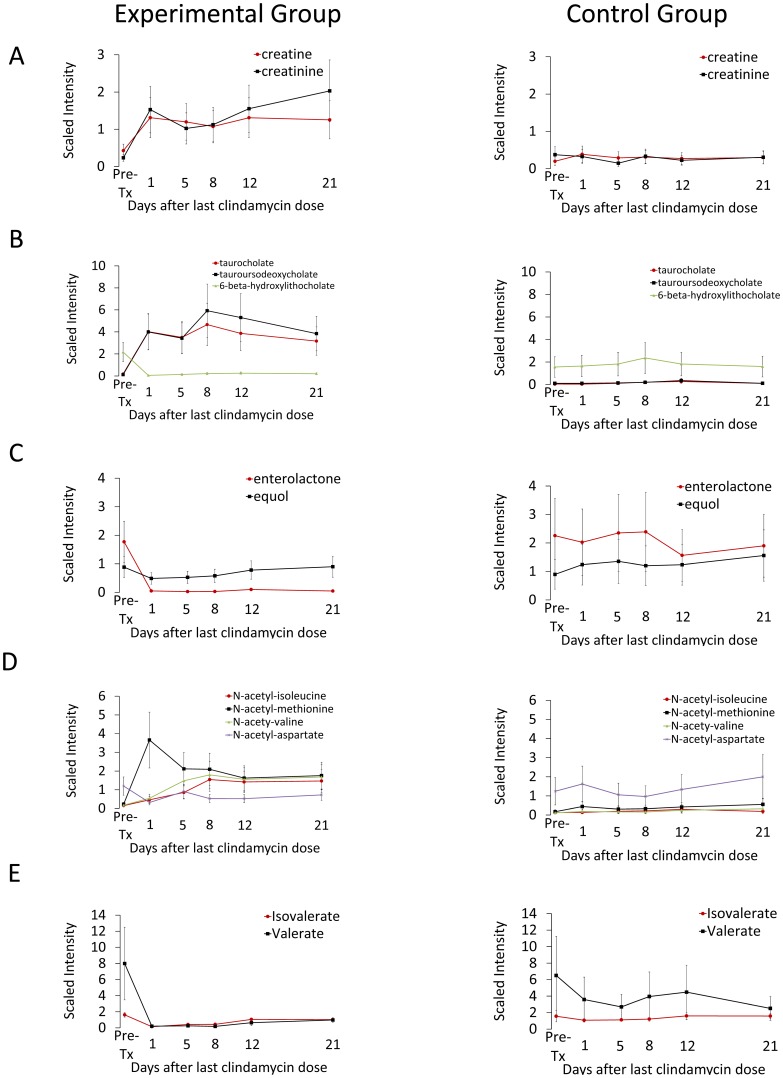
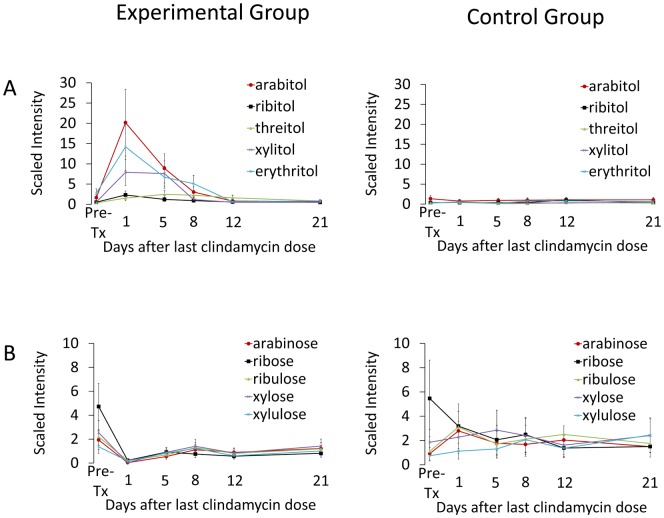
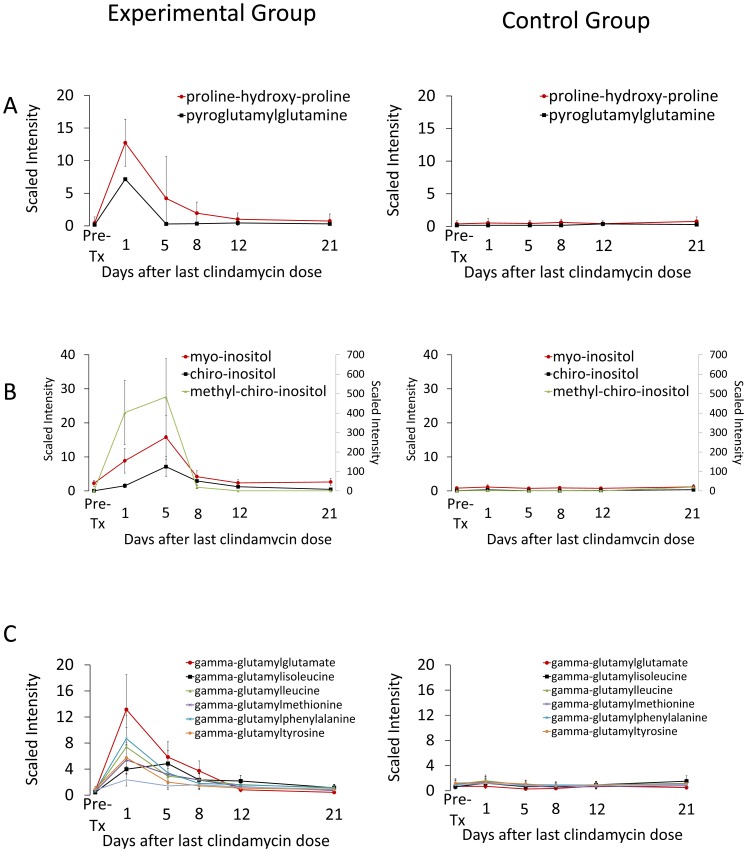
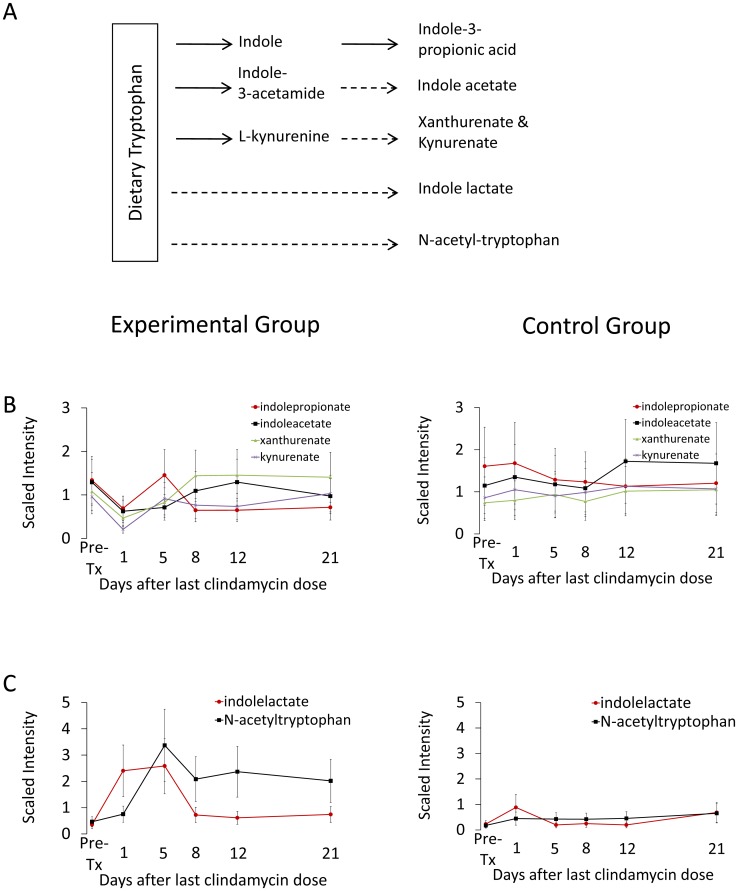
Colonization resistance began to recover within 5 days and was intact by 12 days after clindamycin treatment, coinciding with the recovery bacteria from the families Lachnospiraceae and Ruminococcaceae, both part of the phylum Firmicutes. Clindamycin treatment caused marked changes in metabolites present in fecal specimens. Of 484 compounds analyzed, 146 (30%) exhibited a significant increase or decrease in concentration during clindamycin treatment followed by recovery to baseline that coincided with restoration of in vivo colonization resistance. Identified as potential biomarkers of colonization resistance, these compounds included intermediates in carbohydrate or protein metabolism that increased (pentitols, gamma-glutamyl amino acids and inositol metabolites) or decreased (pentoses, dipeptides) with clindamycin treatment. Piperacillin/tazobactam treatment caused similar alterations in the intestinal microbiota and fecal metabolites.
Recovery of colonization resistance after antibiotic treatment coincided with restoration of several fecal bacterial metabolites. These metabolites could provide useful biomarkers indicating intact or disrupted colonization resistance during and after antibiotic treatment.
肠道微生物群通过一种称为定植抗性的防御机制保护宿主免受肠道病原体侵害。排泄到肠道中的抗生素可能会破坏定植抗性并改变微生物群的正常代谢功能。我们使用小鼠模型来检验以下假设:粪便标本中细菌代谢物水平的变化可以提供有用的生物标志物,表明抗生素治疗后定植抗性是否受到破坏或保持完整。
为了评估体内定植抗性,在用林可酰胺类抗生素克林霉素治疗后的不同时间点,给小鼠口服耐万古霉素肠球菌或艰难梭菌孢子进行攻击。对于同时接受抗生素治疗的小鼠组,使用定量实时聚合酶链反应分析粪便样本,以评估微生物群的变化,并进行非靶向代谢谱分析。为了评估这些发现是否适用于另一种抑制肠道厌氧菌的抗生素类别,用哌拉西林/他唑巴坦进行了类似的实验。
定植抗性在克林霉素治疗后5天内开始恢复,并在12天时恢复正常,这与厚壁菌门的毛螺菌科和瘤胃球菌科细菌的恢复一致。克林霉素治疗导致粪便标本中的代谢物发生显著变化。在分析的484种化合物中,有146种(30%)在克林霉素治疗期间浓度显著升高或降低,随后恢复到基线水平,这与体内定植抗性的恢复相吻合。这些化合物被确定为定植抗性的潜在生物标志物,包括碳水化合物或蛋白质代谢的中间产物,它们在克林霉素治疗后增加(戊糖醇、γ-谷氨酰氨基酸和肌醇代谢物)或减少(戊糖、二肽)。哌拉西林/他唑巴坦治疗导致肠道微生物群和粪便代谢物发生类似变化。
抗生素治疗后定植抗性的恢复与几种粪便细菌代谢物的恢复一致。这些代谢物可以提供有用的生物标志物,表明抗生素治疗期间及之后定植抗性是否完整或受到破坏。