Cancer Biology Research Center, Tongji Hospital, Tongji Medical College, Huazhong University of Science and Technology, Wuhan, Hubei, China.
Department of Obstetrics and Gynecology, Xiangyang Central Hospital, First Affiliated Hospital of Hubei University of Arts and Science. Xiangyang, Hubei, China.
PLoS One. 2014 Jul 7;9(7):e100314. doi: 10.1371/journal.pone.0100314. eCollection 2014.
The role of Quercetin in ovarian cancer treatment remains controversial, and the mechanism is unknown. The aim of this study was to investigate the therapeutic effects of Quercetin in combination with Cisplatin and other anti-neoplastic drugs in ovarian cancer cells both in vitro and in vivo, along with the molecular mechanism of action.
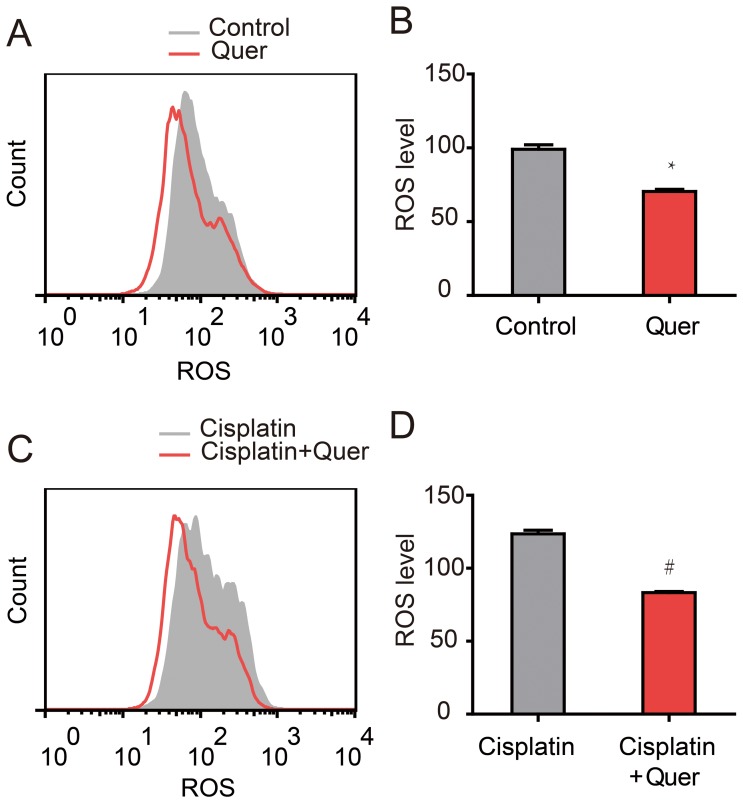
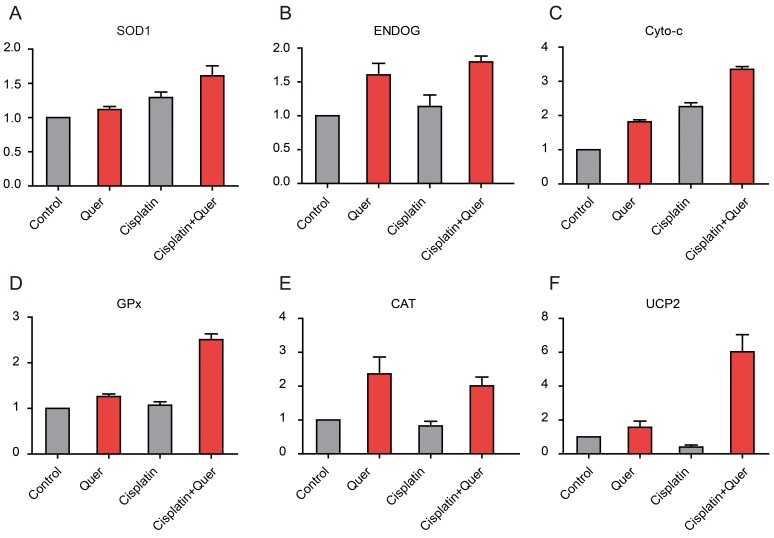
Quercetin treatment at various concentrations was examined in combination with Cisplatin, taxol, Pirarubicin and 5-Fu in human epithelial ovarian cancer C13* and SKOV3 cells. CCK8 assay and Annexin V assay were for cell viability and apoptosis analysis, immunofluorescence assay, DCFDA staining and realtime PCR were used for reactive oxygen species (ROS)-induced injury detection and endogenous antioxidant enzymes expression. Athymic BALB/c-nu nude mice were injected with C13*cells to obtain a xenograft model for in vivo studies. Immunohistochemical analysis was carried out to evaluate the ROS-induced injury and SOD1 activity of xenograft tumors.
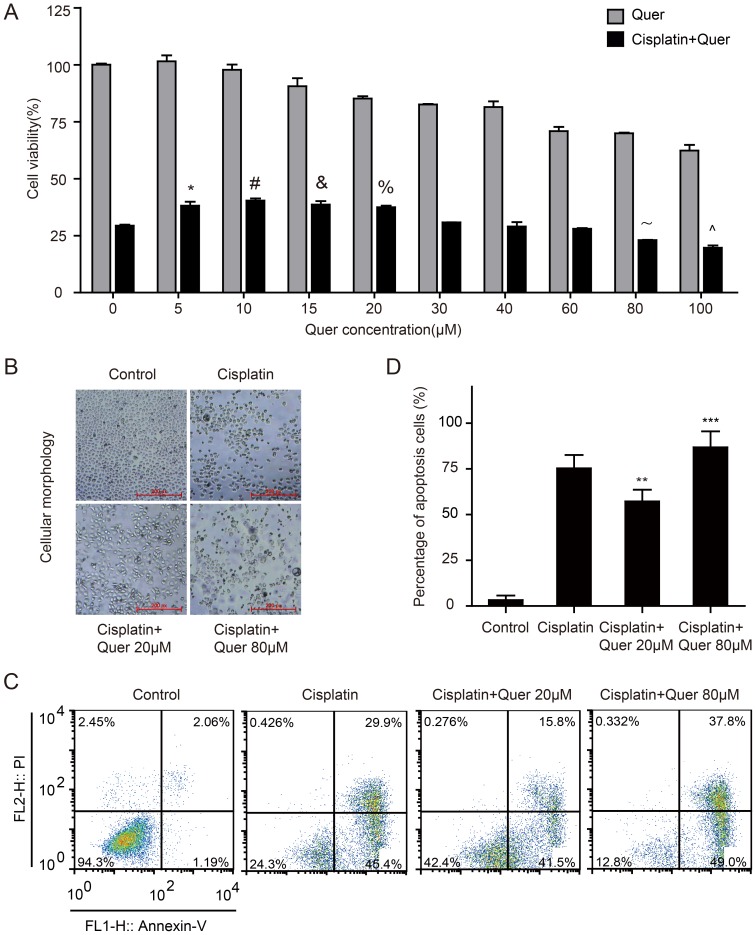
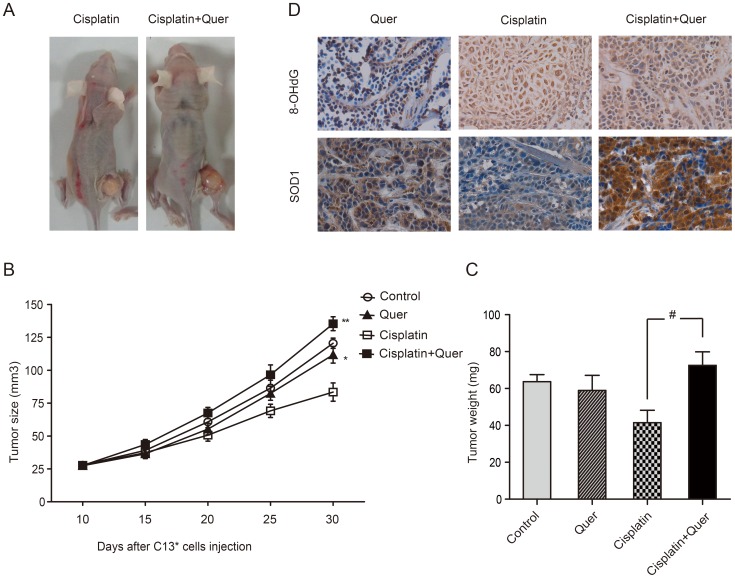
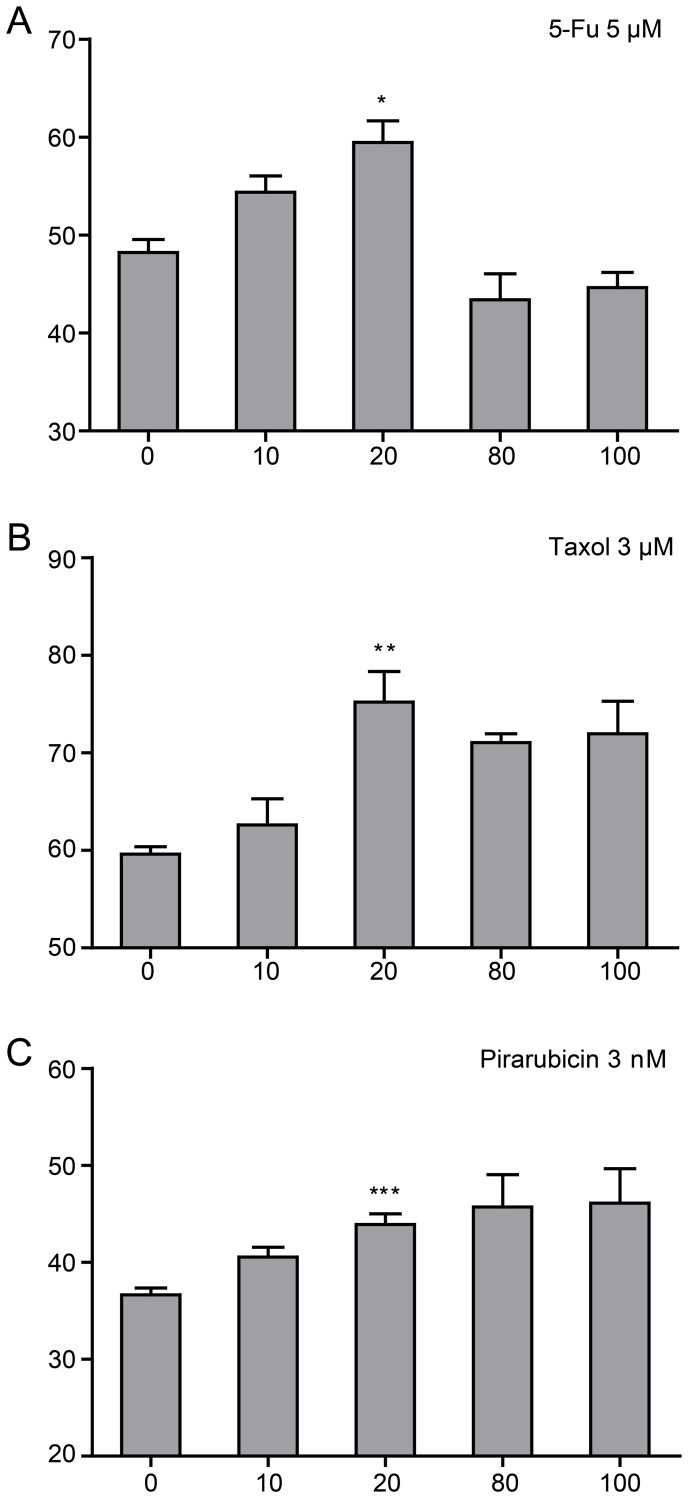
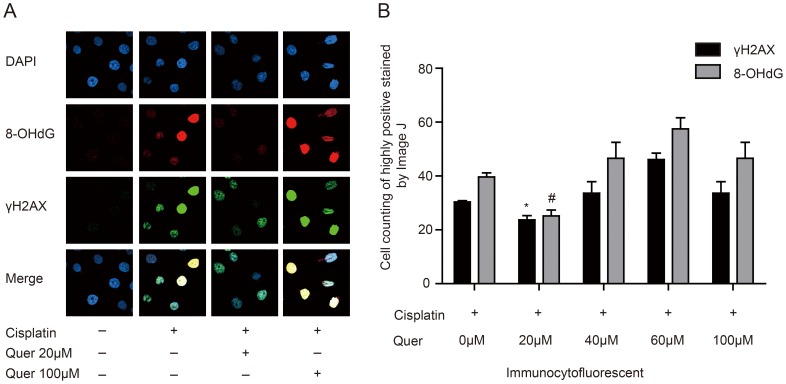
Contrary to the pro-apoptotic effect of high concentration (40 µM-100 µM) of Quercetin, low concentrations (5 µM-30 µM) of Quercetin resulted in varying degrees of attenuation of cytotoxicity of Cisplatin treatment when combined with Cisplatin. Similar anti-apoptotic effects were observed when Quercetin was combined with other anti-neoplastic agents: Taxol, Pirarubicin and 5-Fluorouracil (5-Fu). Low concentrations of Quercetin were observed to suppress ROS-induced injury, reduce intracellular ROS level and increase the expression of endogenous antioxidant enzymes, suggesting a ROS-mediated mechanism of attenuating anti-neoplastic drugs. In xenogeneic model, Quercetin led to a substantial reduction of therapeutic efficacy of Cisplatin along with enhancing the endogenous antioxidant enzyme expression and reducing ROS-induced damage in xenograft tumor tissue.
Taken together, these data suggest that Quercetin at low concentrations attenuate the therapeutic effects of Cisplatin and other anti-neoplastic drugs in ovarian cancer cells by reducing ROS damage. Quercetin supplementation during ovarian cancer treatment may detrimentally affect therapeutic response.
槲皮素在卵巢癌治疗中的作用仍存在争议,其机制尚不清楚。本研究旨在探讨槲皮素与顺铂及其他抗肿瘤药物联合应用于卵巢癌细胞的体内外治疗效果及作用机制。
用不同浓度的槲皮素联合顺铂、紫杉醇、吡柔比星和 5-氟尿嘧啶处理人上皮性卵巢癌细胞 C13和 SKOV3,用 CCK8 法和 Annexin V 法检测细胞活力和细胞凋亡,用免疫荧光法、DCFDA 染色和实时 PCR 检测活性氧(ROS)诱导损伤及内源性抗氧化酶的表达。用 C13细胞接种裸鼠建立异种移植模型进行体内研究。免疫组化分析检测异种移植瘤的 ROS 诱导损伤和 SOD1 活性。
与高浓度(40 μM-100 μM)槲皮素的促凋亡作用相反,低浓度(5 μM-30 μM)槲皮素与顺铂联合应用时,会不同程度地减弱顺铂的细胞毒性。当与其他抗肿瘤药物(紫杉醇、吡柔比星和 5-氟尿嘧啶)联合应用时,也观察到类似的抗凋亡作用。低浓度的槲皮素可抑制 ROS 诱导的损伤,降低细胞内 ROS 水平,增加内源性抗氧化酶的表达,提示其通过 ROS 介导的机制减弱抗肿瘤药物的作用。在异种移植模型中,槲皮素与顺铂联合应用导致顺铂的治疗效果显著降低,同时增强内源性抗氧化酶的表达,减少异种移植瘤组织的 ROS 诱导损伤。
综上所述,这些数据表明,低浓度的槲皮素通过减轻 ROS 损伤,减弱顺铂和其他抗肿瘤药物在卵巢癌细胞中的治疗效果。在卵巢癌治疗中补充槲皮素可能会对治疗反应产生不利影响。