Baraz Rana, Cisterne Adam, Saunders Philip O, Hewson John, Thien Marilyn, Weiss Jocelyn, Basnett Jordan, Bradstock Kenneth F, Bendall Linda J
Centre for Cancer Research, Westmead Millennium Institute, University of Sydney, Westmead, NSW, Australia.
Department of Haematology, Westmead Hospital, Westmead, NSW, Australia.
PLoS One. 2014 Jul 11;9(7):e102494. doi: 10.1371/journal.pone.0102494. eCollection 2014.
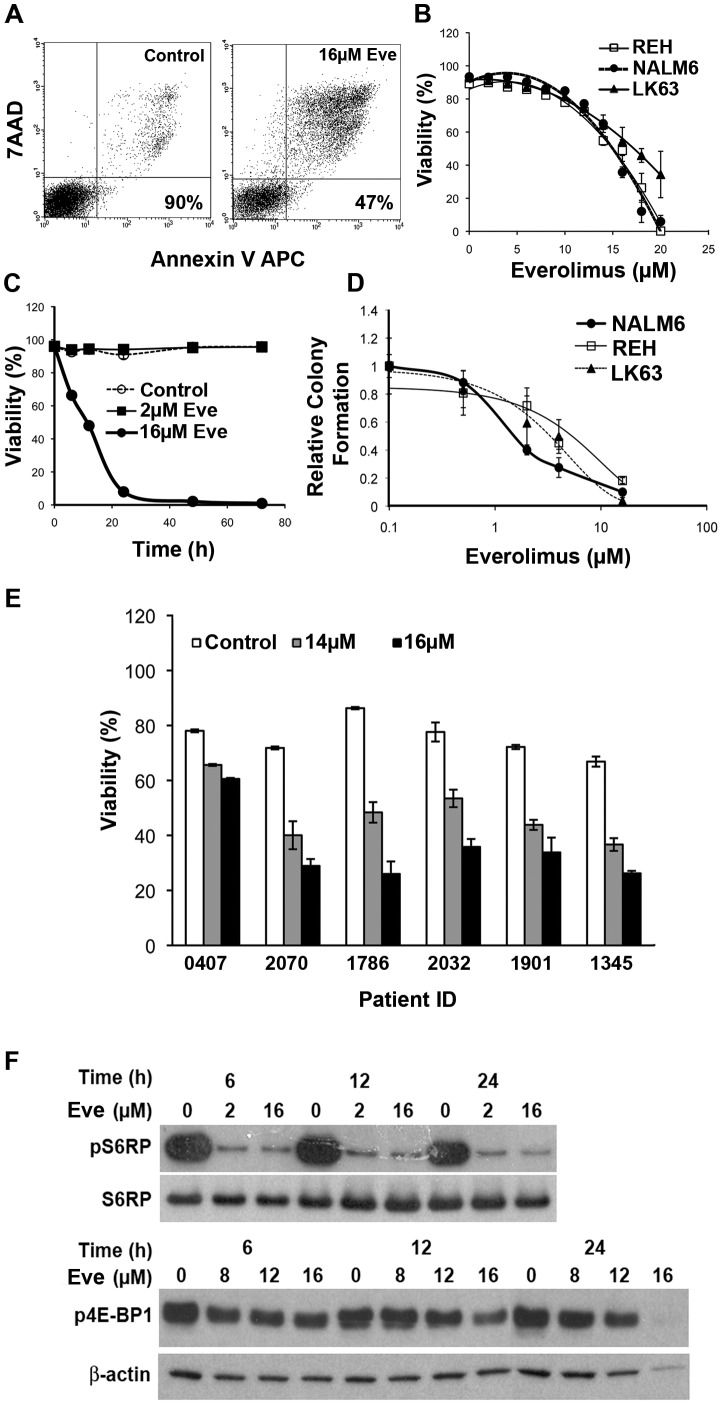
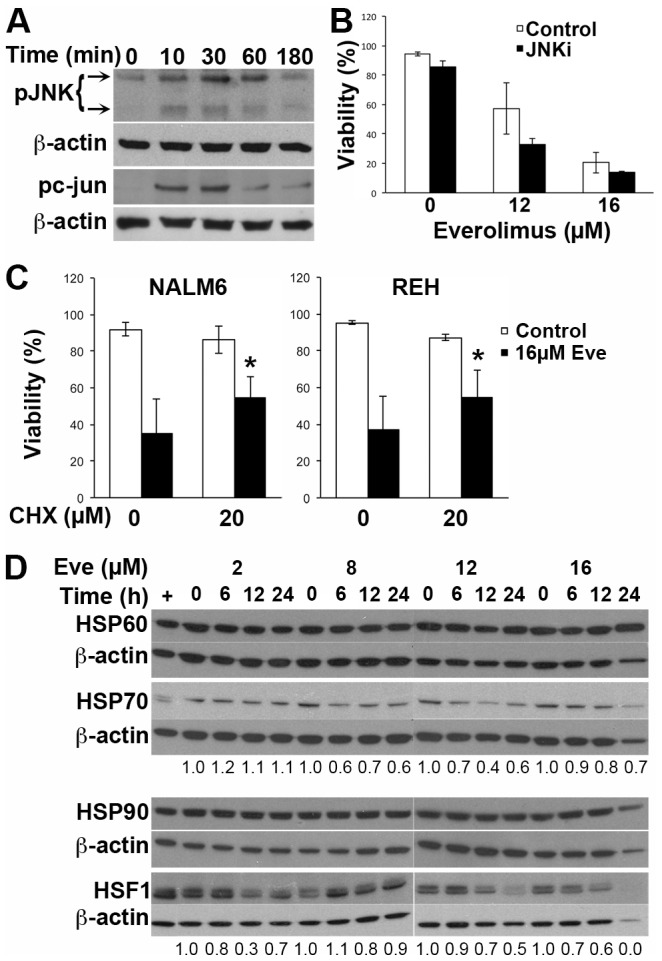
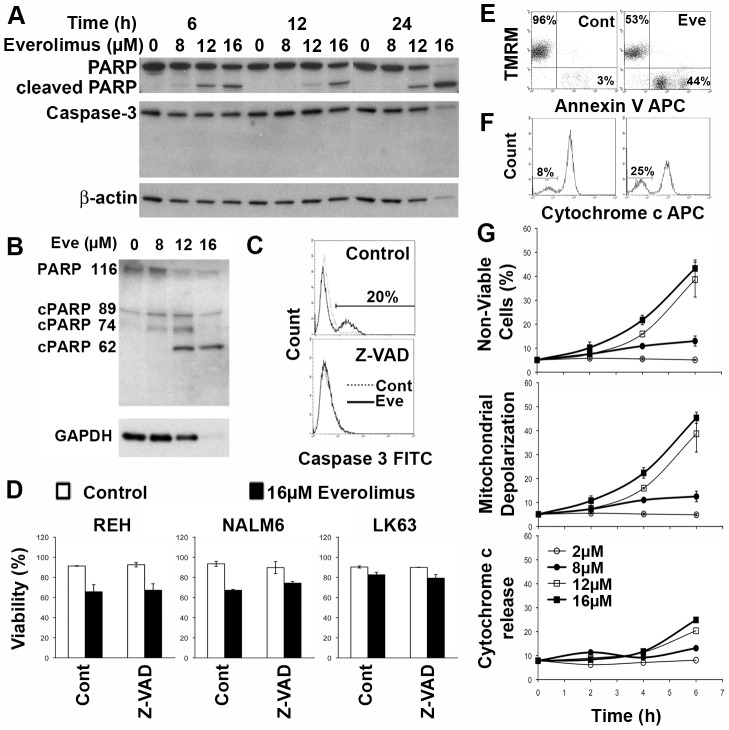
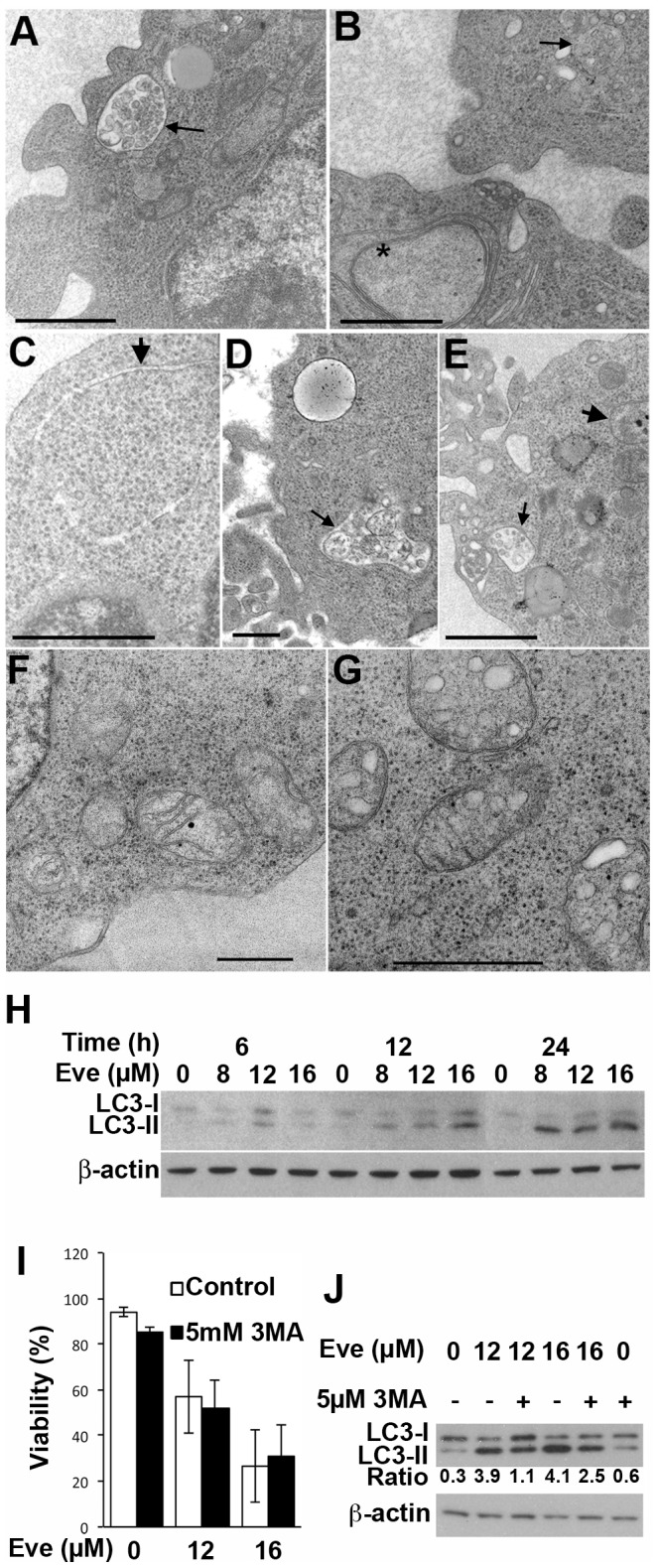
Increasingly, anti-cancer medications are being reported to induce cell death mechanisms other than apoptosis. Activating alternate death mechanisms introduces the potential to kill cells that have defects in their apoptotic machinery, as is commonly observed in cancer cells, including in hematological malignancies. We, and others, have previously reported that the mTOR inhibitor everolimus has pre-clinical efficacy and induces caspase-independent cell death in acute lymphoblastic leukemia cells. Furthermore, everolimus is currently in clinical trial for acute lymphoblastic leukemia. Here we characterize the death mechanism activated by everolimus in acute lymphoblastic leukemia cells. We find that cell death is caspase-independent and lacks the morphology associated with apoptosis. Although mitochondrial depolarization is an early event, permeabilization of the outer mitochondrial membrane only occurs after cell death has occurred. While morphological and biochemical evidence shows that autophagy is clearly present it is not responsible for the observed cell death. There are a number of features consistent with paraptosis including morphology, caspase-independence, and the requirement for new protein synthesis. However in contrast to some reports of paraptosis, the activation of JNK signaling was not required for everolimus-induced cell death. Overall in acute lymphoblastic leukemia cells everolimus induces a cell death that resembles paraptosis.
越来越多的报道称,抗癌药物会诱导除凋亡之外的细胞死亡机制。激活其他死亡机制有可能杀死凋亡机制存在缺陷的细胞,这在癌细胞中很常见,包括血液系统恶性肿瘤细胞。我们和其他人之前曾报道,mTOR抑制剂依维莫司具有临床前疗效,并能在急性淋巴细胞白血病细胞中诱导不依赖半胱天冬酶的细胞死亡。此外,依维莫司目前正在进行急性淋巴细胞白血病的临床试验。在此,我们描述了依维莫司在急性淋巴细胞白血病细胞中激活的死亡机制。我们发现细胞死亡不依赖半胱天冬酶,且缺乏与凋亡相关的形态学特征。虽然线粒体去极化是早期事件,但线粒体外膜通透性增加仅在细胞死亡发生后才出现。虽然形态学和生化证据表明自噬明显存在,但它并非观察到的细胞死亡的原因。有许多特征与副凋亡一致,包括形态学、不依赖半胱天冬酶以及对新蛋白质合成的需求。然而,与一些副凋亡报道不同,依维莫司诱导的细胞死亡不需要JNK信号通路的激活。总体而言,在急性淋巴细胞白血病细胞中,依维莫司诱导的细胞死亡类似于副凋亡。