Department of Neurosurgery, Bern University Hospital, Inselspital Bern, 3012 Bern, Switzerland ; Laboratories for Neuroscience Research in Neurosurgery, Boston Children's Hospital, Boston, MA 02115, USA ; Harvard Medical School, Boston, MA 02115, USA.
Department of Intensive Care Medicine, Bern University Hospital, Inselspital Bern, 3012 Bern, Switzerland ; Department of Neurosurgery, University Hospital Cologne, 50924 Cologne, Germany.
Biomed Res Int. 2014;2014:161702. doi: 10.1155/2014/161702. Epub 2014 Jul 7.
Microvascular dysfunction and microthrombi formation are believed to contribute to development of early brain injury (EBI) after aneurysmal subarachnoid hemorrhage (SAH).
This study aimed to determine (i) extent of microthrombus formation and neuronal apoptosis in the brain parenchyma using a blood shunt SAH model in rabbits; (ii) correlation of structural changes in microvessels with EBI characteristics.
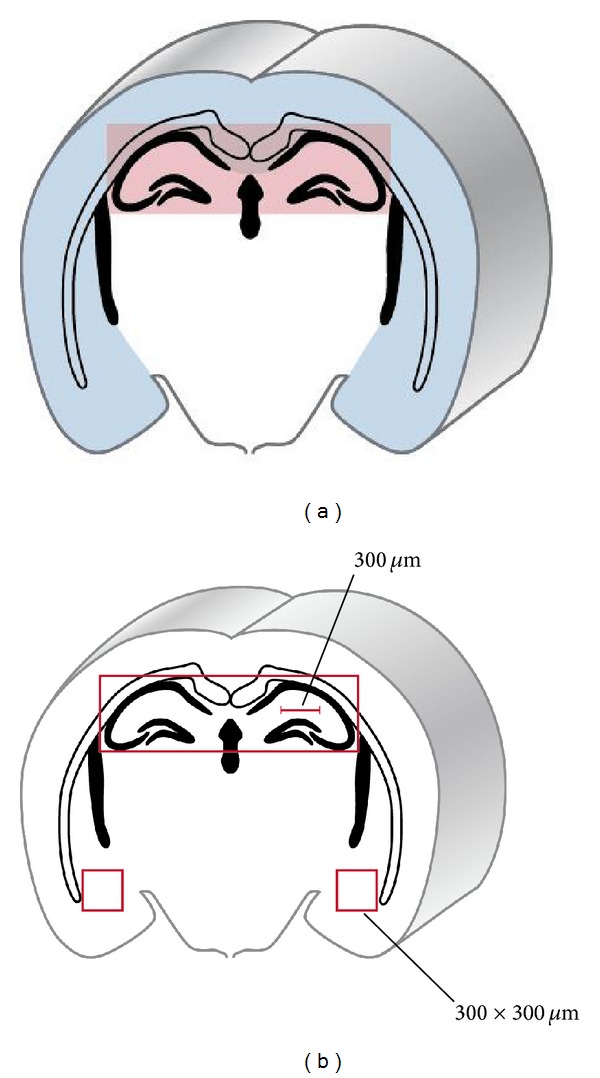
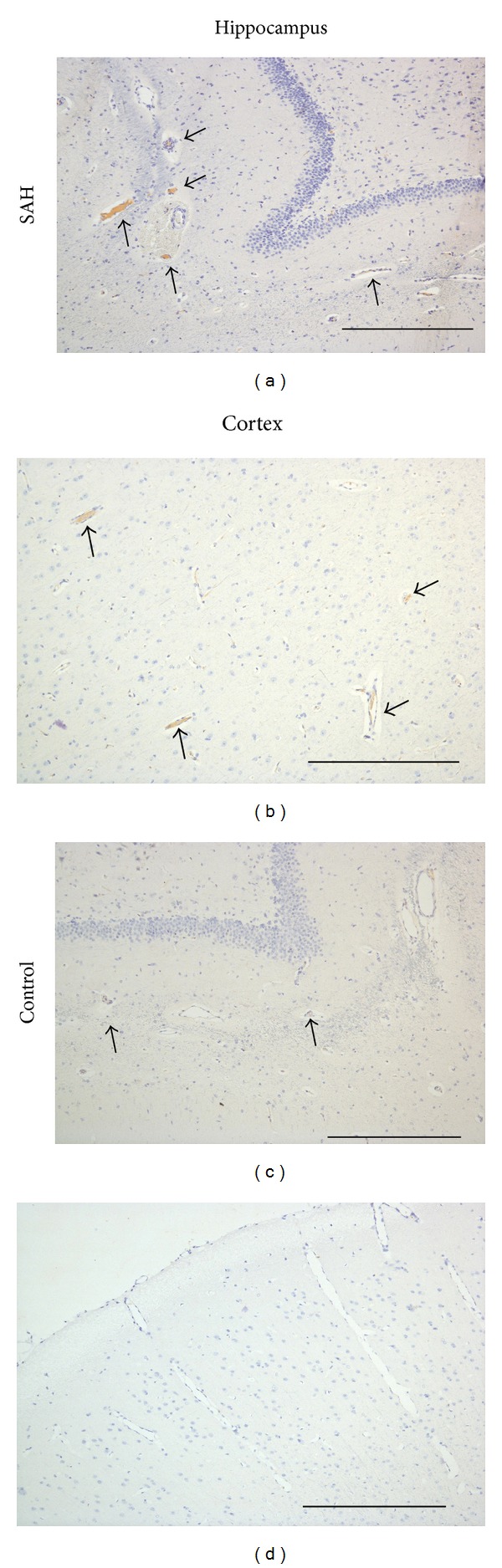
Acute SAH was induced using a rabbit shunt cisterna magna model. Extent of microthrombosis was detected 24 h post-SAH (n = 8) by fibrinogen immunostaining, compared to controls (n = 4). We assessed apoptosis by terminal deoxynucleotidyl transferase nick end labeling (TUNEL) in cortex and hippocampus.
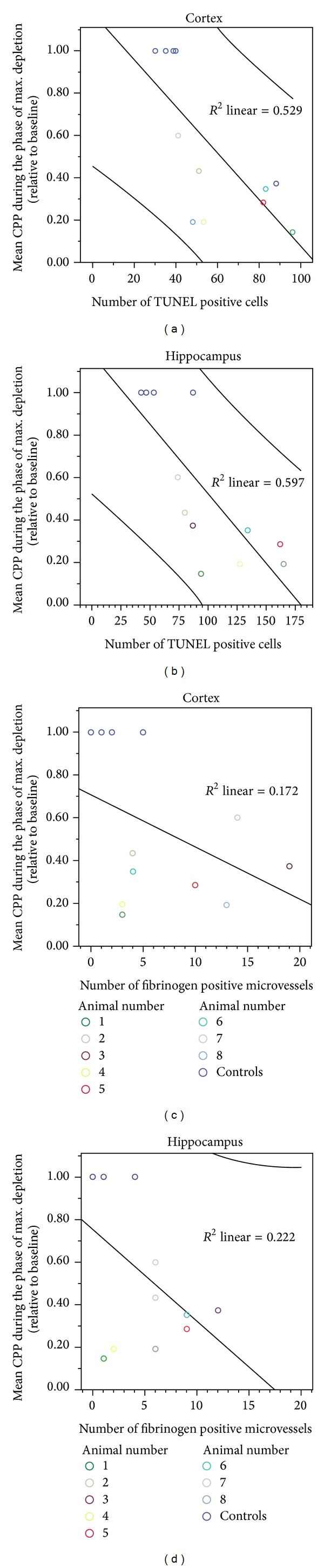
Our results showed significantly more TUNEL-positive cells (SAH: 115 ± 13; controls: 58 ± 10; P = 0.016) and fibrinogen-positive microthromboemboli (SAH: 9 ± 2; controls: 2 ± 1; P = 0.03) in the hippocampus after aneurysmal SAH.
We found clear evidence of early microclot formation in a rabbit model of acute SAH. The extent of microthrombosis did not correlate with early apoptosis or CPP depletion after SAH; however, the total number of TUNEL positive cells in the cortex and the hippocampus significantly correlated with mean CPP reduction during the phase of maximum depletion after SAH induction. Both microthrombosis and neuronal apoptosis may contribute to EBI and subsequent DCI.
微血管功能障碍和微血栓形成被认为是导致蛛网膜下腔出血(SAH)后早期脑损伤(EBI)的原因。
本研究旨在:(i)使用兔血分流蛛网膜下腔出血模型确定脑实质中微血栓形成和神经元凋亡的程度;(ii)研究微血管结构变化与 EBI 特征的相关性。
采用兔分流枕大池模型诱导急性 SAH。通过纤维蛋白原免疫染色检测 SAH 后 24 小时(n = 8)与对照组(n = 4)相比微血栓形成的程度。通过末端脱氧核苷酸转移酶缺口末端标记法(TUNEL)评估皮质和海马中的细胞凋亡。
结果显示,SAH 组海马区 TUNEL 阳性细胞(SAH:115 ± 13;对照组:58 ± 10;P = 0.016)和纤维蛋白原阳性微血栓(SAH:9 ± 2;对照组:2 ± 1;P = 0.03)明显多于对照组。
我们在兔急性 SAH 模型中发现了早期微栓子形成的明确证据。微血栓形成的程度与 SAH 后早期细胞凋亡或 CPP 耗竭无关;然而,皮质和海马中 TUNEL 阳性细胞的总数与 SAH 诱导后 CPP 最大耗竭期间的平均 CPP 降低显著相关。微血栓形成和神经元凋亡可能导致 EBI 和随后的 DCI。