Huja Sagi, Oren Yaara, Biran Dvora, Meyer Susann, Dobrindt Ulrich, Bernhard Joerg, Becher Doerte, Hecker Michael, Sorek Rotem, Ron Eliora Z
Faculty of Life Sciences, Tel Aviv University, Tel Aviv, Israel.
Institute for Microbiology, Ernst-Moritz-Arndt-Universität, Greifswald, Germany.
mBio. 2014 Aug 12;5(4):e01460-14. doi: 10.1128/mBio.01460-14.
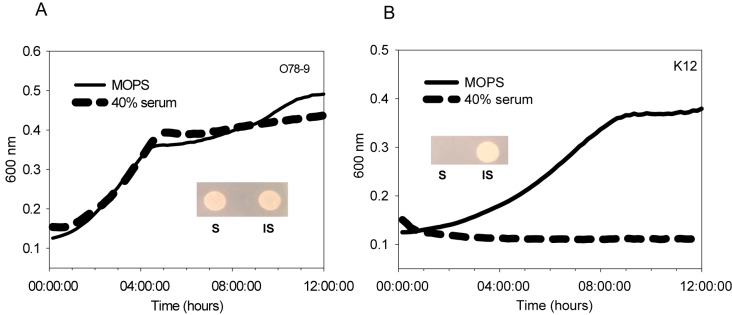
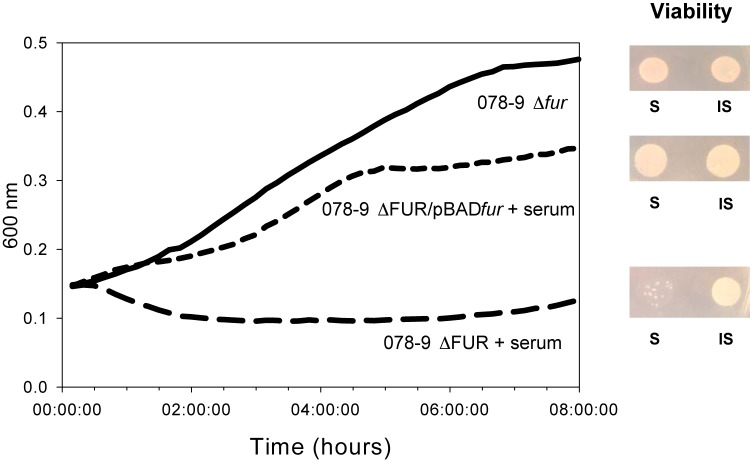
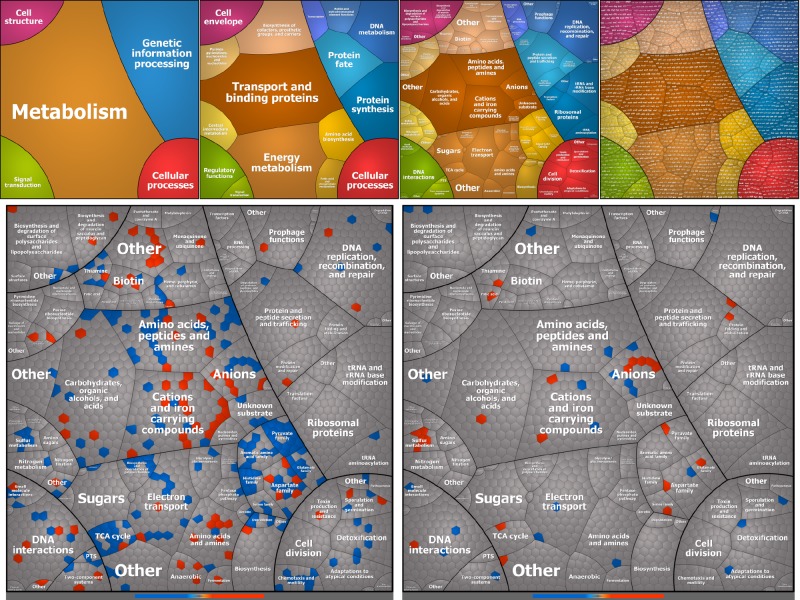
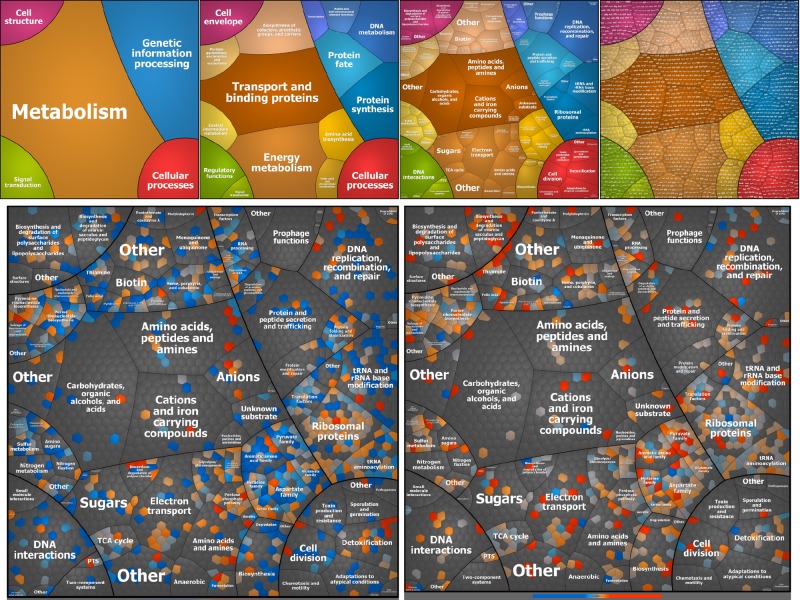
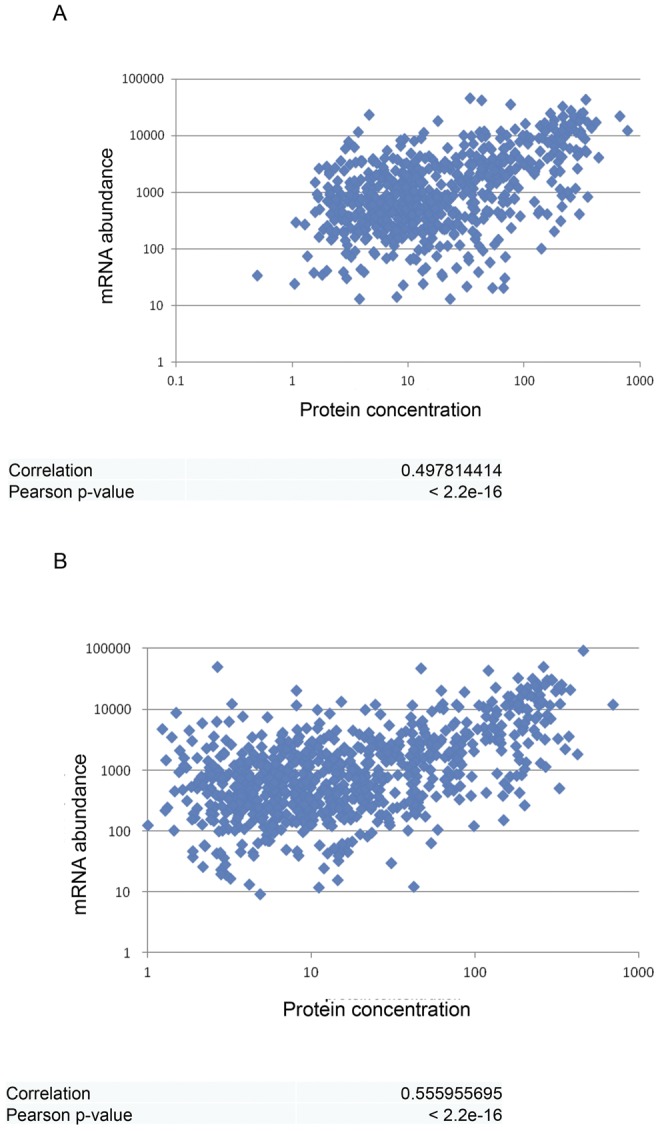
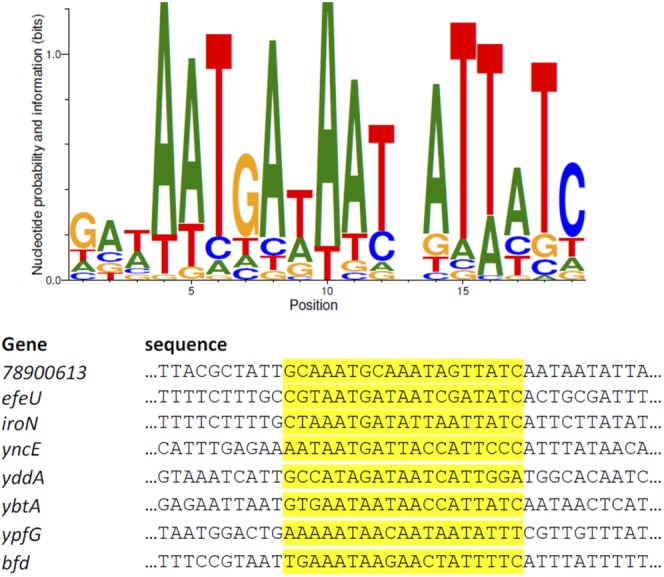
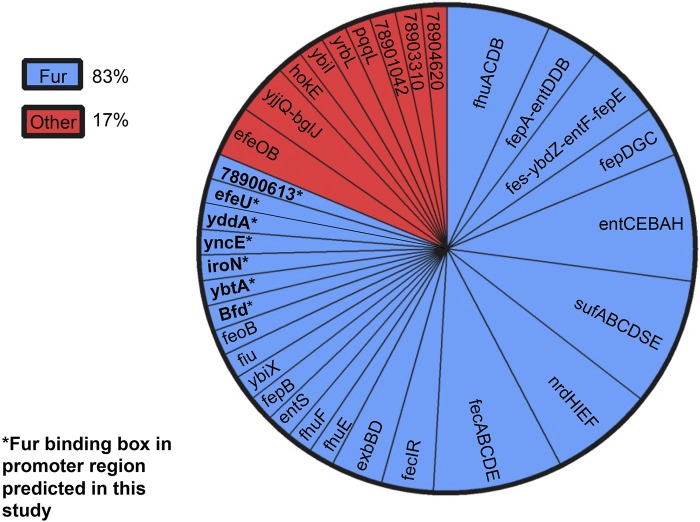
Drug-resistant extraintestinal pathogenic Escherichia coli (ExPEC) strains are the major cause of colisepticemia (colibacillosis), a condition that has become an increasing public health problem in recent years. ExPEC strains are characterized by high resistance to serum, which is otherwise highly toxic to most bacteria. To understand how these bacteria survive and grow in serum, we performed system-wide analyses of their response to serum, making a clear distinction between the responses to nutritional immunity and innate immunity. Thus, mild heat inactivation of serum destroys the immune complement and abolishes the bactericidal effect of serum (inactive serum), making it possible to examine nutritional immunity. We used a combination of deep RNA sequencing and proteomics in order to characterize ExPEC genes whose expression is affected by the nutritional stress of serum and by the immune complement. The major change in gene expression induced by serum-active and inactive-involved metabolic genes. In particular, the serum metabolic response is coordinated by three transcriptional regulators, Fur, BasR, and CysB. Fur alone was responsible for more than 80% of the serum-induced transcriptional response. Consistent with its role as a major serum response regulator, deletion of Fur renders the bacteria completely serum sensitive. These results highlight the role of metabolic adaptation in colisepticemia and virulence.
Drug-resistant extraintestinal pathogenic Escherichia coli (ExPEC) strains have emerged as major pathogens, especially in community- and hospital-acquired infections. These bacteria cause a large spectrum of syndromes, the most serious of which is septicemia, a condition with a high mortality rate. These bacterial strains are characterized by high resistance to serum, otherwise highly toxic to most bacteria. To understand the basis of this resistance, we carried out system-wide analyses of the response of ExPEC strains to serum by using proteomics and deep RNA sequencing. The major changes in gene expression induced by exposure to serum involved metabolic genes, not necessarily implicated in relation to virulence. One metabolic regulator-Fur-involved in iron metabolism was responsible for more than 80% of the serum-induced response, and its deletion renders the bacteria completely serum sensitive. These results highlight the role of metabolic adaptation in virulence.
耐药性肠外致病性大肠杆菌(ExPEC)菌株是大肠杆菌败血症(大肠杆菌病)的主要病因,近年来这一病症已成为日益严重的公共卫生问题。ExPEC菌株的特征是对血清具有高度抗性,而血清对大多数细菌具有高度毒性。为了解这些细菌如何在血清中存活和生长,我们对它们对血清的反应进行了全系统分析,明确区分了对营养免疫和先天免疫的反应。因此,血清的温和热灭活会破坏免疫补体并消除血清的杀菌作用(灭活血清),从而能够研究营养免疫。我们结合深度RNA测序和蛋白质组学,以表征其表达受血清营养应激和免疫补体影响的ExPEC基因。血清活性和非活性诱导的代谢基因引起基因表达的主要变化。特别是,血清代谢反应由三种转录调节因子Fur、BasR和CysB协调。仅Fur就负责超过80%的血清诱导转录反应。与其作为主要血清反应调节因子的作用一致,Fur的缺失使细菌对血清完全敏感。这些结果突出了代谢适应在大肠杆菌败血症和毒力中的作用。
耐药性肠外致病性大肠杆菌(ExPEC)菌株已成为主要病原体,尤其是在社区获得性感染和医院获得性感染中。这些细菌会引发多种综合征,其中最严重的是败血症,这是一种死亡率很高的病症。这些细菌菌株的特征是对血清具有高度抗性,而血清对大多数细菌具有高度毒性。为了解这种抗性的基础,我们通过蛋白质组学和深度RNA测序对ExPEC菌株对血清的反应进行了全系统分析。暴露于血清引起的基因表达主要变化涉及代谢基因,不一定与毒力有关。一种参与铁代谢的代谢调节因子Fur负责超过80%的血清诱导反应,其缺失使细菌对血清完全敏感。这些结果突出了代谢适应在毒力中的作用。