Wang Juncheng, Meng Yaxiong, Li Baochun, Ma Xiaole, Lai Yong, Si Erjing, Yang Ke, Xu Xianliang, Shang Xunwu, Wang Huajun, Wang Di
Gansu Provincial Key Lab of Aridland Crop Science/Gansu Key Lab of Crop Improvement & Germplasm Enhancement, Lanzhou, 730070, China; College of Agronomy, Gansu Agricultural University, Lanzhou, 730070, China.
Plant Cell Environ. 2015 Apr;38(4):655-69. doi: 10.1111/pce.12428. Epub 2014 Sep 15.
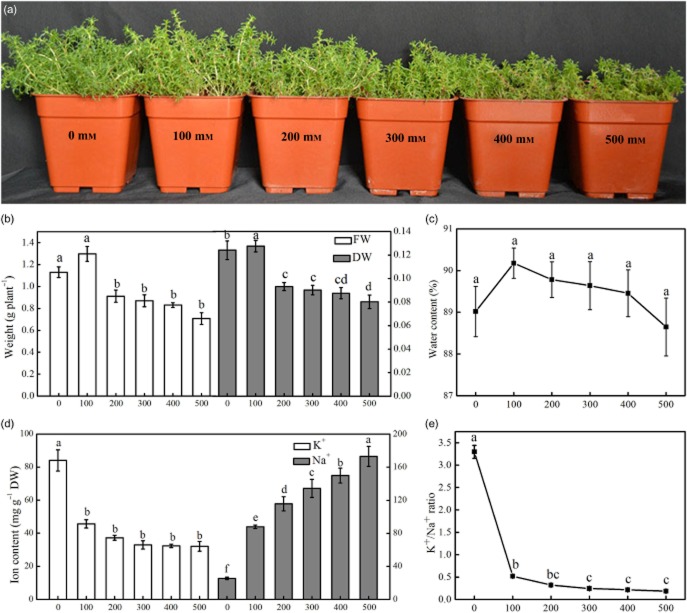
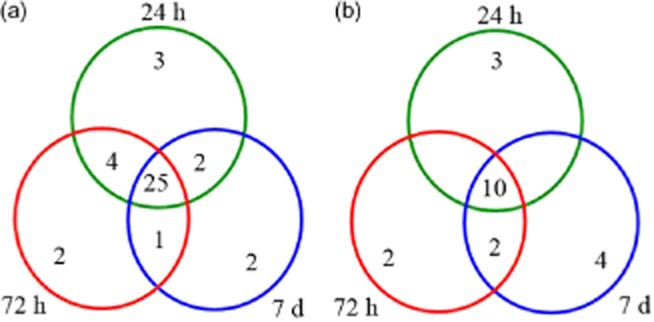
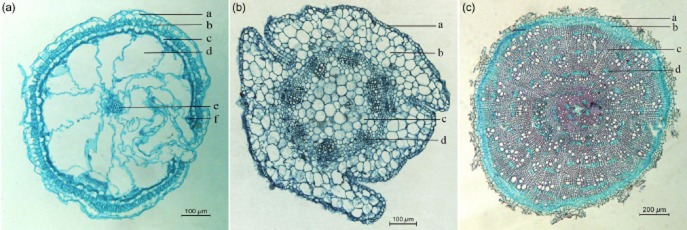
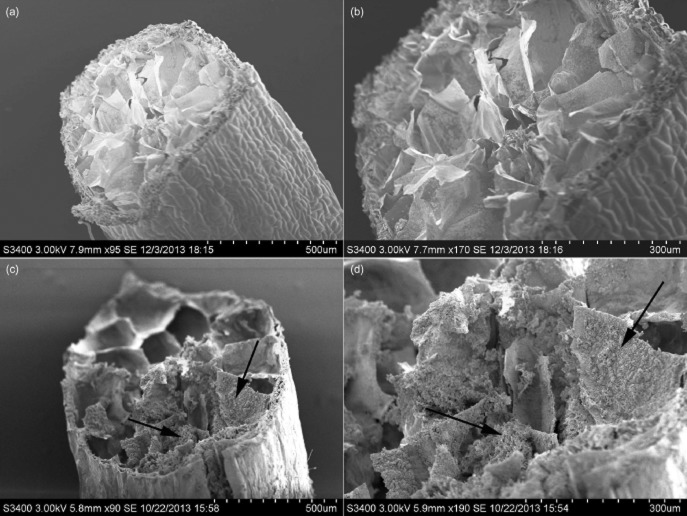
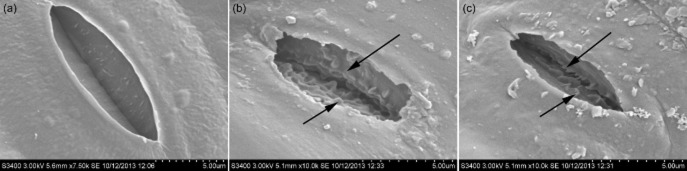
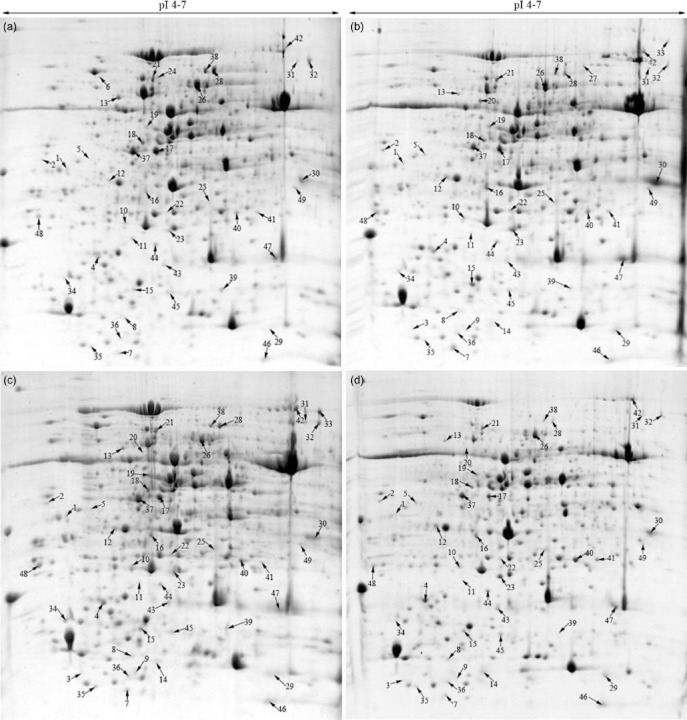
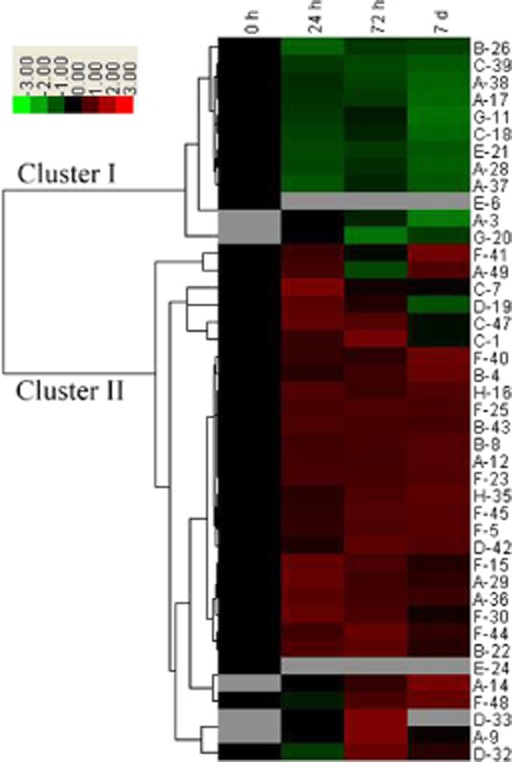
Very little is known about the adaptation mechanism of Chenopodiaceae Halogeton glomeratus, a succulent annual halophyte, under saline conditions. In this study, we investigated the morphological and physiological adaptation mechanisms of seedlings exposed to different concentrations of NaCl treatment for 21 d. Our results revealed that H. glomeratus has a robust ability to tolerate salt; its optimal growth occurs under approximately 100 mm NaCl conditions. Salt crystals were deposited in water-storage tissue under saline conditions. We speculate that osmotic adjustment may be the primary mechanism of salt tolerance in H. glomeratus, which transports toxic ions such as sodium into specific salt-storage cells and compartmentalizes them in large vacuoles to maintain the water content of tissues and the succulence of the leaves. To investigate the molecular response mechanisms to salt stress in H. glomeratus, we conducted a comparative proteomic analysis of seedling leaves that had been exposed to 200 mm NaCl for 24 h, 72 h and 7 d. Forty-nine protein spots, exhibiting significant changes in abundance after stress, were identified using matrix-assisted laser desorption ionization tandem time-of-flight mass spectrometry (MALDI-TOF/TOF MS/MS) and similarity searches across EST database of H. glomeratus. These stress-responsive proteins were categorized into nine functional groups, such as photosynthesis, carbohydrate and energy metabolism, and stress and defence response.
关于肉质一年生盐生植物盐生草(Halogeton glomeratus)在盐胁迫条件下的适应机制,人们了解甚少。在本研究中,我们调查了经不同浓度NaCl处理21天的幼苗的形态和生理适应机制。我们的结果表明,盐生草具有强大的耐盐能力;其最佳生长发生在约100 mM NaCl条件下。在盐胁迫条件下,盐晶体沉积在储水组织中。我们推测渗透调节可能是盐生草耐盐的主要机制,它将钠等有毒离子转运到特定的盐储存细胞中,并将它们分隔在大液泡中,以维持组织的含水量和叶片的肉质化。为了研究盐生草对盐胁迫的分子响应机制,我们对经200 mM NaCl处理24小时、72小时和7天的幼苗叶片进行了比较蛋白质组学分析。使用基质辅助激光解吸电离串联飞行时间质谱(MALDI-TOF/TOF MS/MS)并在盐生草EST数据库中进行相似性搜索,鉴定出49个在胁迫后丰度有显著变化的蛋白质斑点。这些胁迫响应蛋白被分为九个功能组,如光合作用、碳水化合物和能量代谢以及胁迫和防御反应。