Karimi Ali, Salimzadeh Loghman, Bagheri Nader
Medicinal Plant Research Center, Shahrekord University of Medical Sciences, Shahrekord, IR Iran.
Department of Immunology, School of Public Health, Tehran University of Medical Sciences, Tehran, IR Iran.
Jundishapur J Microbiol. 2014 Apr;7(4):e10196. doi: 10.5812/jjm.10196. Epub 2014 Apr 1.
Hepatitis B infection, caused by hepatitis B Virus (HBV), is one of the major global public health problems. Hepatitis B Virus genotypes appear to show varying geographic distribution with possible pathogenic and therapeutic differences. Knowledge of HBV genotypes is very important for clinical treatment. Lamivudine is a nucleoside analogue that is clinically used to treat chronic hepatitis B infection. However, the main problem with the application of lamivudine is the development of viral resistance to the treatment with this anti viral drug. Besides, it has been suggested that lamivudine -resistant HBV may be genotype dependent. However, HBV genotype distribution and the biological relevance in this region are poorly understood.
The current study aimed to determine hepatitis B genotypes and their correlation with lamivudine- resistant HBV frequency among patients with chronic hepatitis B from Shahrekord, Iran.
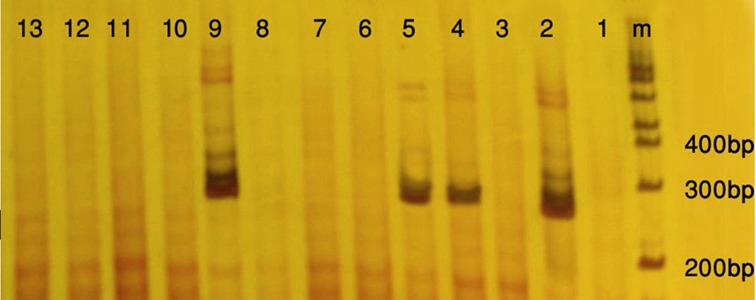
Hepatitis B virus DNA was detected by conventional PCR in some of the serum samples obtained from HBsAg-positive Chronic Hepatitis B (CHB) patients who were referred to Health Centers of Shahrekord for routine monitoring of the disease. Subsequently, using real-time PCR, the DNA samples were used for genotyping and analysis of resistance to lamivudine.
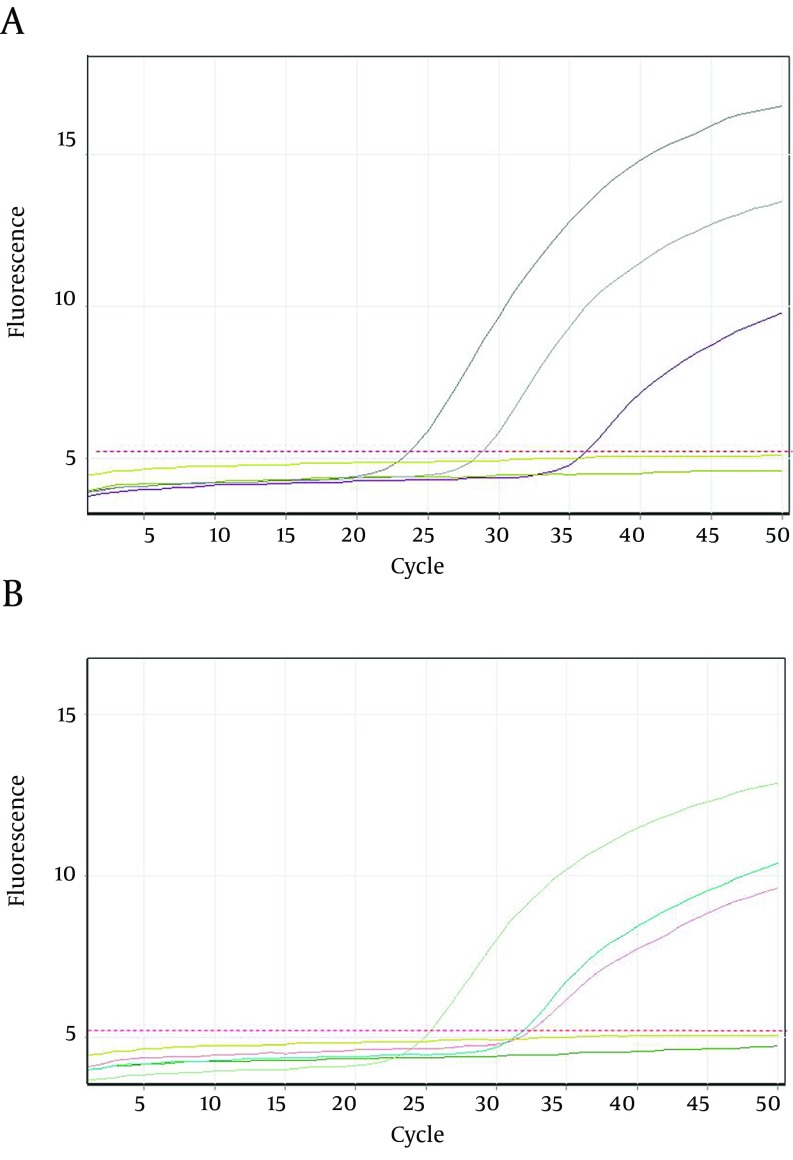
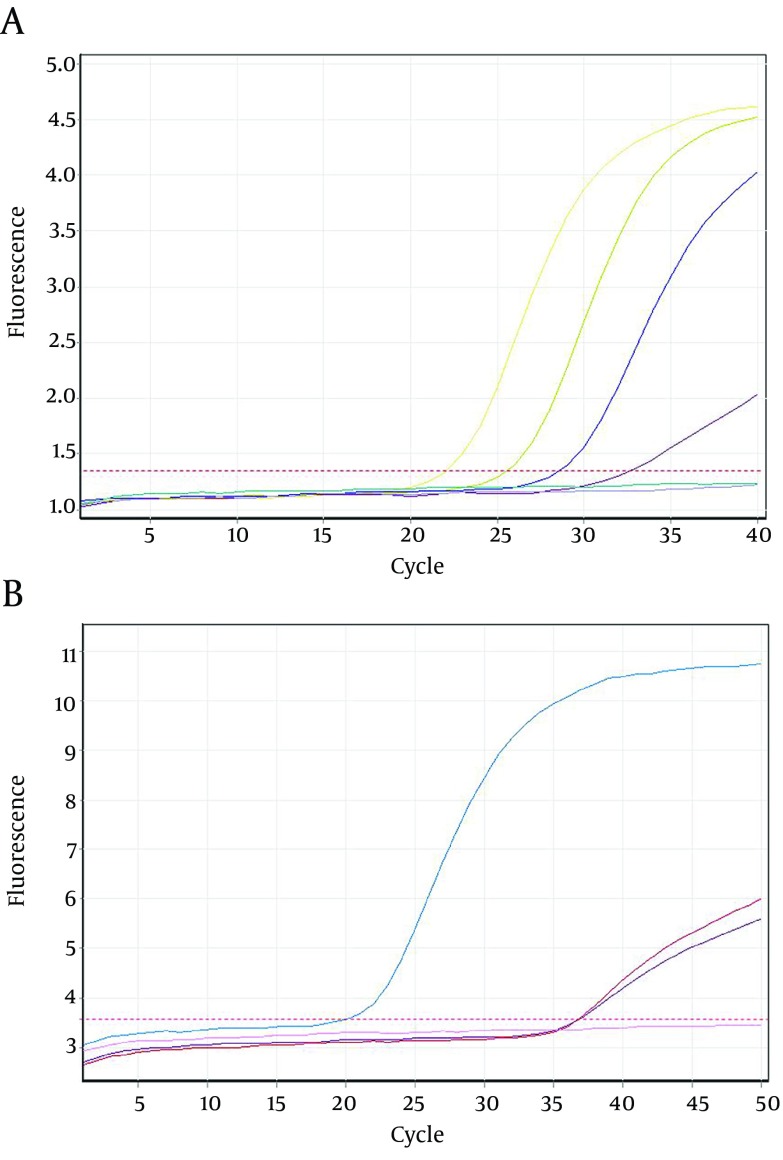
The DNA was detected in 23 out of 116 (19.82%) of the studied samples. Genotypes D and C were found in 17 out of 23 (73.9%), and in 6 out of 23 (26.1%) of the samples, respectively. To the authors' best knowledge, the current study is the first report on isolation of Genotype C from Iran. Two out of 17 (11.76%), and 6 out of 6 (100%) of genotypes D and C were resistant to lamivudine, respectively. Resistance to this drug was significantly different between genotypes C and D (P <0.001).
In addition to genotype D, other lamivudine resistant hepatitis B genotypes might be distributed in Iran.
由乙型肝炎病毒(HBV)引起的乙型肝炎感染是全球主要的公共卫生问题之一。乙型肝炎病毒基因型似乎呈现出不同的地理分布,并可能存在致病和治疗方面的差异。了解HBV基因型对于临床治疗非常重要。拉米夫定是一种核苷类似物,临床上用于治疗慢性乙型肝炎感染。然而,拉米夫定应用的主要问题是病毒对这种抗病毒药物产生耐药性。此外,有人提出拉米夫定耐药的HBV可能与基因型有关。然而,该地区HBV基因型分布及其生物学相关性尚不清楚。
本研究旨在确定伊朗设拉子慢性乙型肝炎患者中乙型肝炎基因型及其与拉米夫定耐药HBV频率的相关性。
从转诊至设拉子健康中心进行疾病常规监测的HBsAg阳性慢性乙型肝炎(CHB)患者的部分血清样本中,通过常规PCR检测乙型肝炎病毒DNA。随后,使用实时PCR对DNA样本进行基因分型和拉米夫定耐药性分析。
在116份研究样本中的23份(19.82%)中检测到DNA。分别在23份样本中的17份(73.9%)和6份(26.1%)中发现了D型和C型基因型。据作者所知,本研究是伊朗首次分离出C型基因型的报告。D型和C型基因型中分别有17份中的2份(11.76%)和6份中的6份(100%)对拉米夫定耐药。C型和D型基因型对该药物的耐药性存在显著差异(P<0.001)。
除D型基因型外,其他拉米夫定耐药的乙型肝炎基因型可能在伊朗分布。