Jackson Catherine, Aabel Peder, Eidet Jon R, Messelt Edward B, Lyberg Torstein, von Unge Magnus, Utheim Tor P
Department of Medical Biochemistry, Oslo University Hospital, Oslo, Norway; University of Oslo, Oslo, Norway.
Ear, Nose and Throat Department, Division of Surgery, Akershus University Hospital, Lørenskog, Norway; Institute of Clinical Medicine, University of Oslo, Oslo, Norway.
PLoS One. 2014 Aug 29;9(8):e105808. doi: 10.1371/journal.pone.0105808. eCollection 2014.
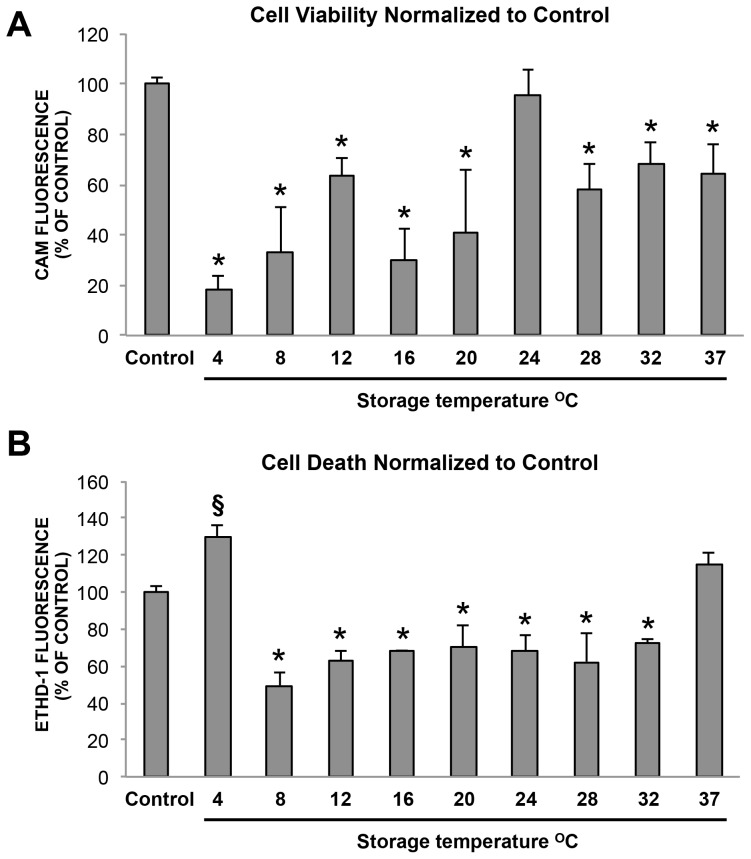
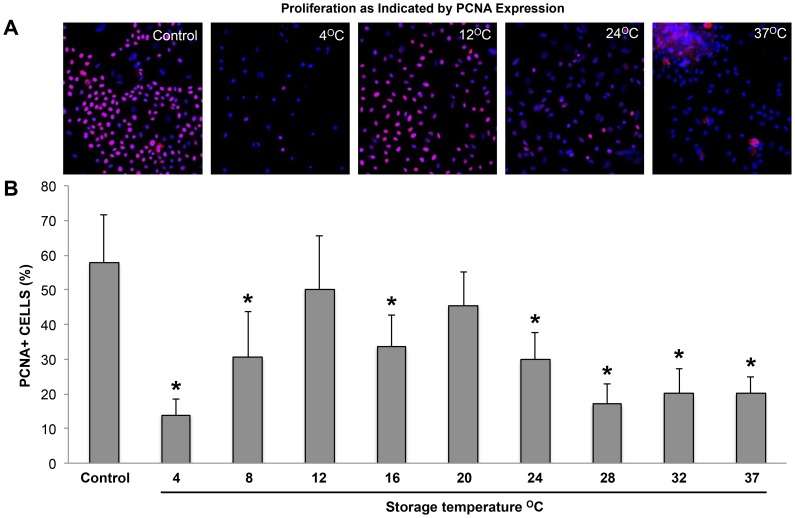
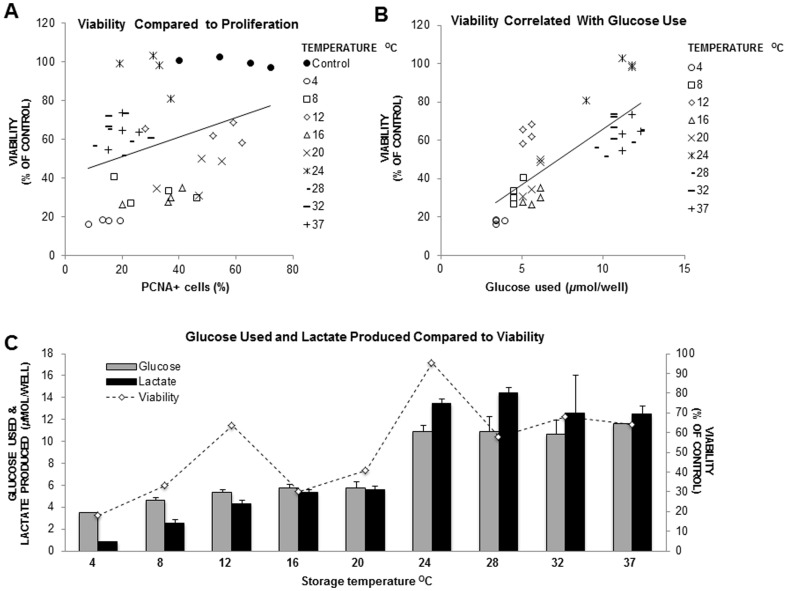
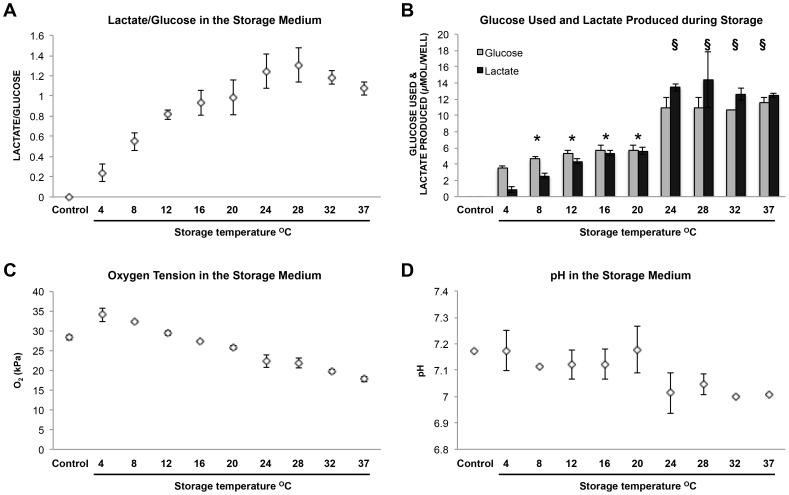
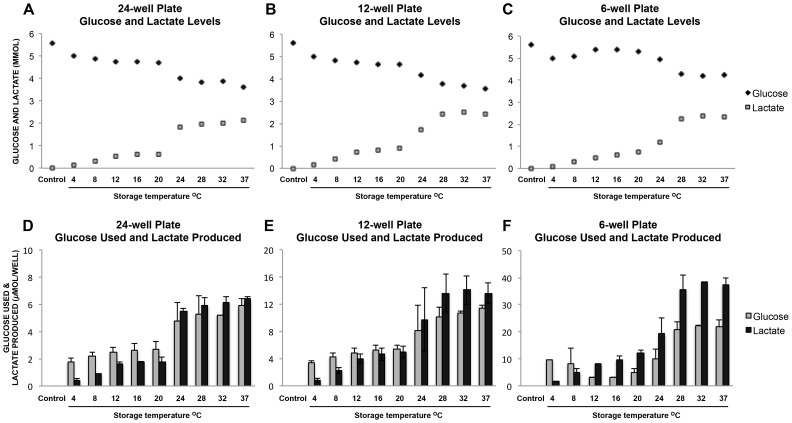
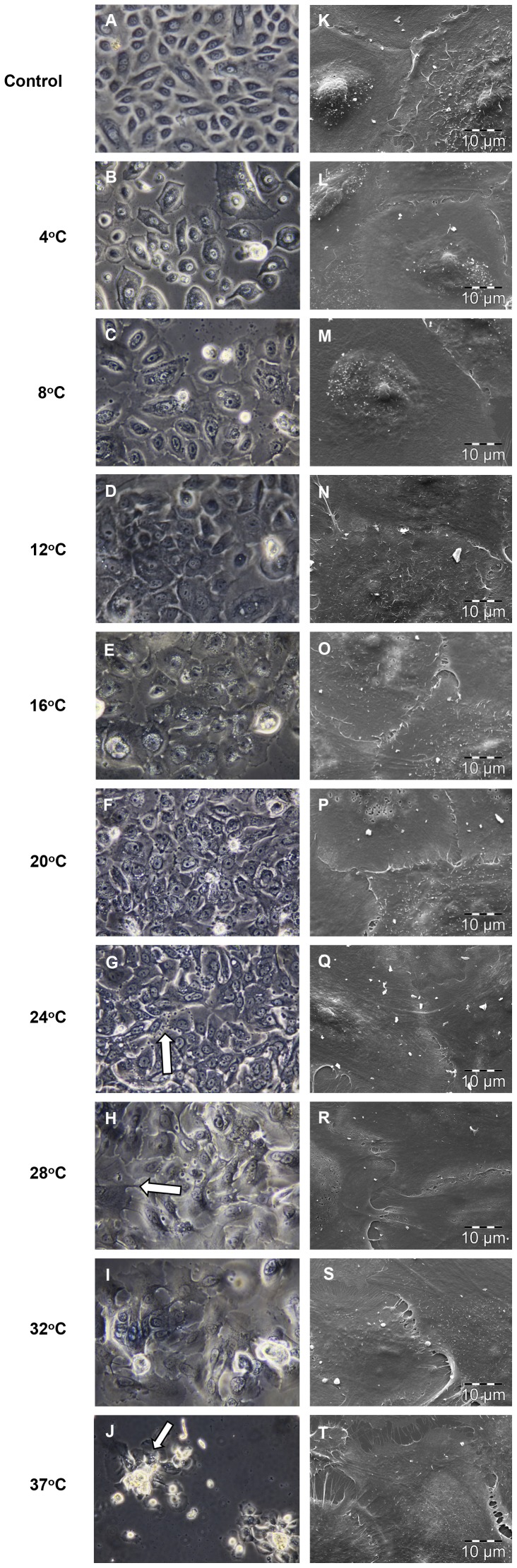
Cultured epidermal cell sheets (CECS) are used in regenerative medicine in patients with burns, and have potential to treat limbal stem cell deficiency (LSCD), as demonstrated in animal models. Despite widespread use, short-term storage options for CECS are limited. Advantages of storage include: flexibility in scheduling surgery, reserve sheets for repeat operations, more opportunity for quality control, and improved transportation to allow wider distribution. Studies on storage of CECS have thus far focused on cryopreservation, whereas refrigeration is a convenient method commonly used for whole skin graft storage in burns clinics. It has been shown that preservation of viable cells using these methods is variable. This study evaluated the effect of different temperatures spanning 4°C to 37°C, on the cell viability, morphology, proliferation and metabolic status of CECS stored over a two week period in a xenobiotic-free system. Compared to non-stored control, best cell viability was obtained at 24°C (95.2±9.9%); reduced cell viability, at approximately 60%, was demonstrated at several of the temperatures (12°C, 28°C, 32°C and 37°C). Metabolic activity was significantly higher between 24°C and 37°C, where glucose, lactate, lactate/glucose ratios, and oxygen tension indicated increased activation of the glycolytic pathway under aerobic conditions. Preservation of morphology as shown by phase contrast and scanning electron micrographs was best at 12°C and 16°C. PCNA immunocytochemistry indicated that only 12°C and 20°C allowed maintenance of proliferative function at a similar level to non-stored control. In conclusion, results indicate that 12°C and 24°C merit further investigation as the prospective optimum temperature for short-term storage of cultured epidermal cell sheets.
培养的表皮细胞片(CECS)用于烧伤患者的再生医学,并且如动物模型所示,有治疗角膜缘干细胞缺乏症(LSCD)的潜力。尽管已广泛使用,但CECS的短期储存选择有限。储存的优点包括:手术安排的灵活性、为重复手术保留细胞片、更多质量控制机会以及改善运输以实现更广泛的分发。迄今为止,关于CECS储存的研究主要集中在冷冻保存,而冷藏是烧伤诊所中常用于全皮移植储存的便捷方法。已表明使用这些方法保存活细胞的效果各不相同。本研究评估了在无外源物系统中,4°C至37°C的不同温度对储存两周的CECS的细胞活力、形态、增殖和代谢状态的影响。与未储存的对照相比,在24°C时获得了最佳细胞活力(95.2±9.9%);在几个温度(12°C、28°C、32°C和37°C)下,细胞活力降低至约60%。在24°C至37°C之间,代谢活性显著更高,其中葡萄糖、乳酸、乳酸/葡萄糖比率和氧张力表明在有氧条件下糖酵解途径的激活增加。相差显微镜和扫描电子显微镜显示,在12°C和16°C时形态保存最佳。PCNA免疫细胞化学表明,只有12°C和20°C能够维持与未储存对照相似水平的增殖功能。总之,结果表明12°C和24°C作为培养表皮细胞片短期储存的预期最佳温度值得进一步研究。