Ma Zhen, Chandrangsu Pete, Helmann Tyler C, Romsang Adisak, Gaballa Ahmed, Helmann John D
Department of Microbiology, Cornell University, Ithaca, NY, USA; Dupont Corporation, Wilmington, DE, USA.
Mol Microbiol. 2014 Nov;94(4):756-70. doi: 10.1111/mmi.12794. Epub 2014 Oct 7.
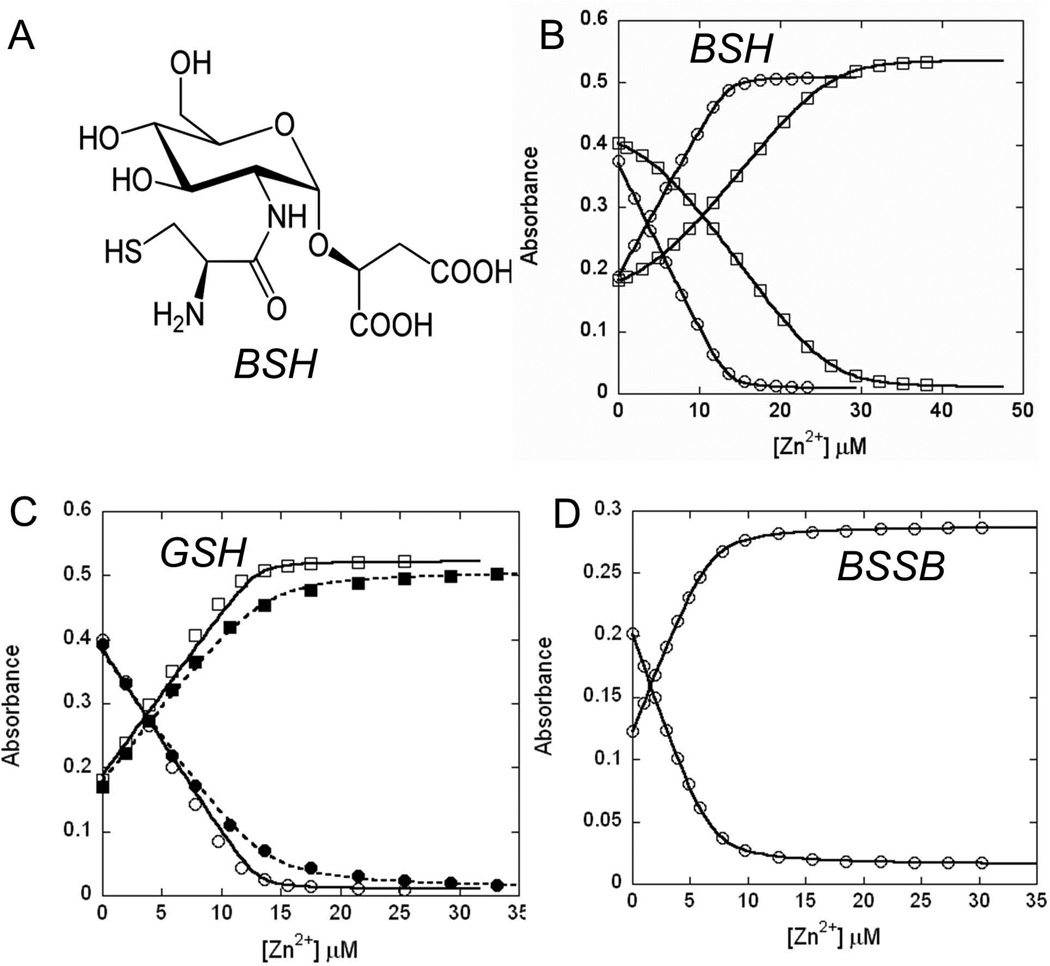
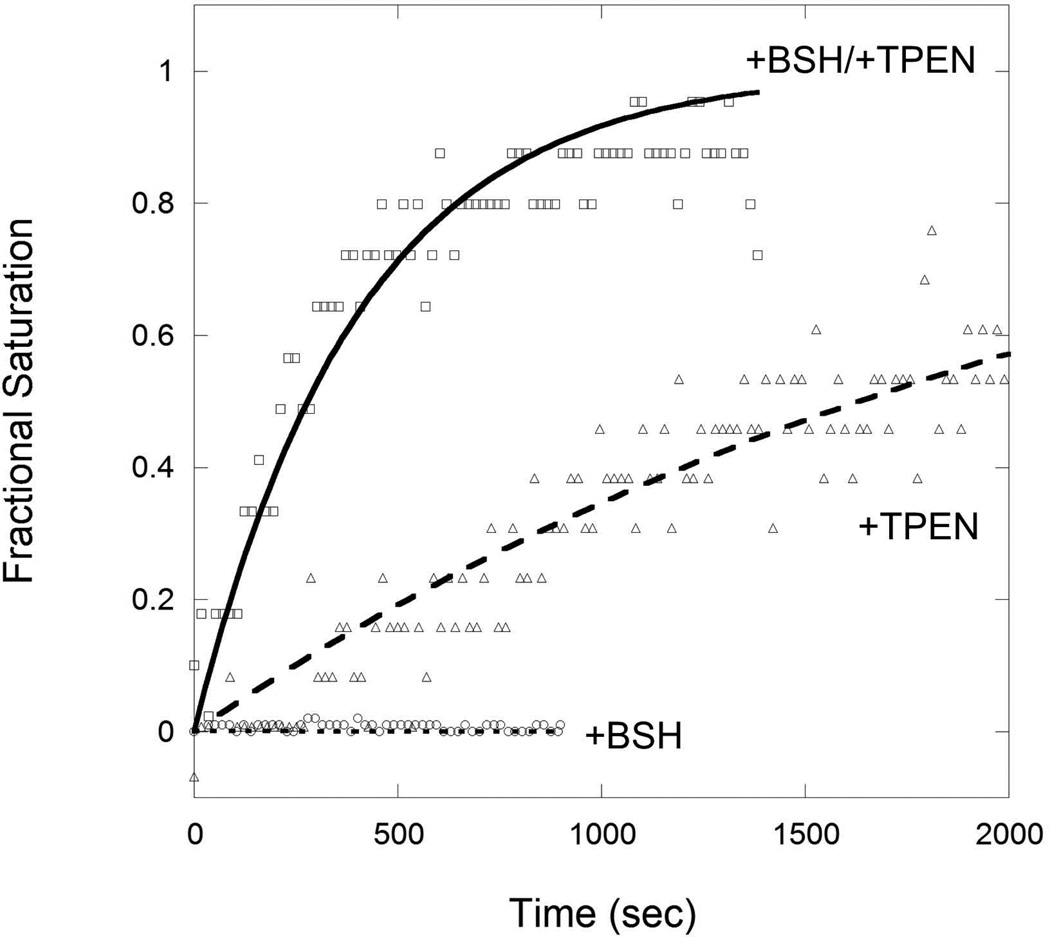
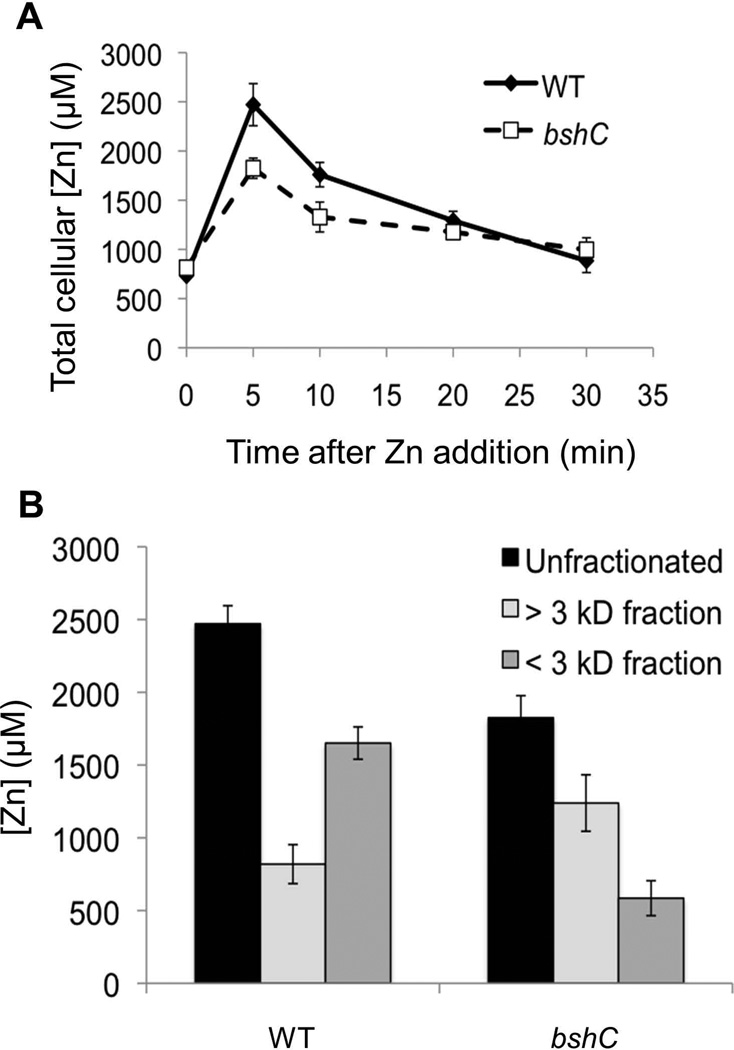
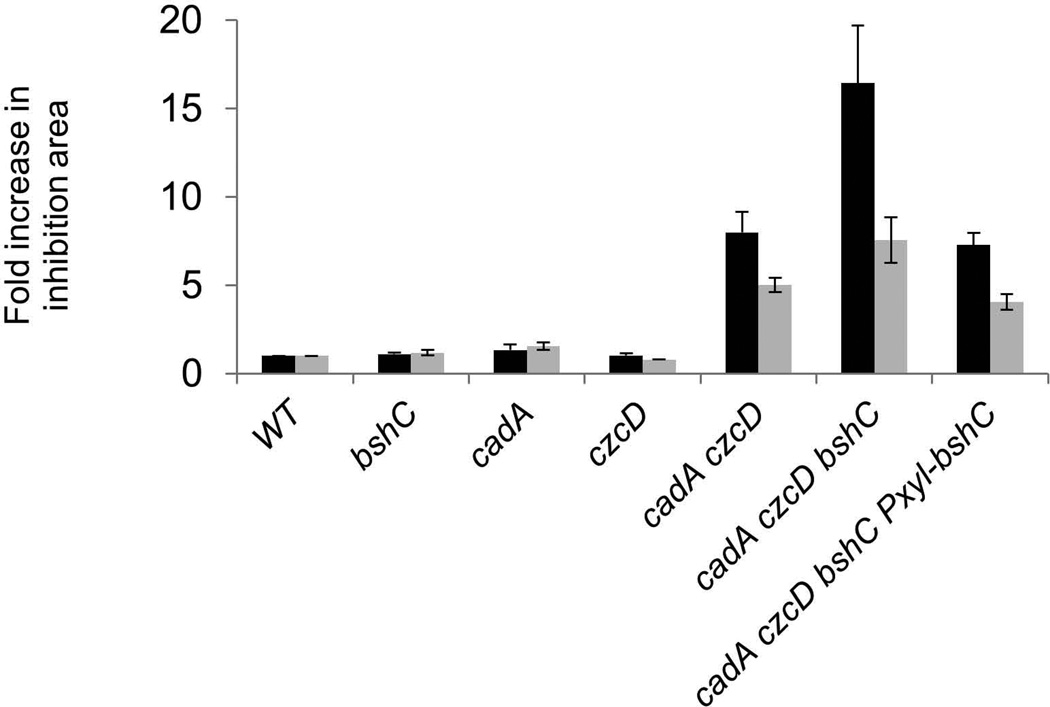
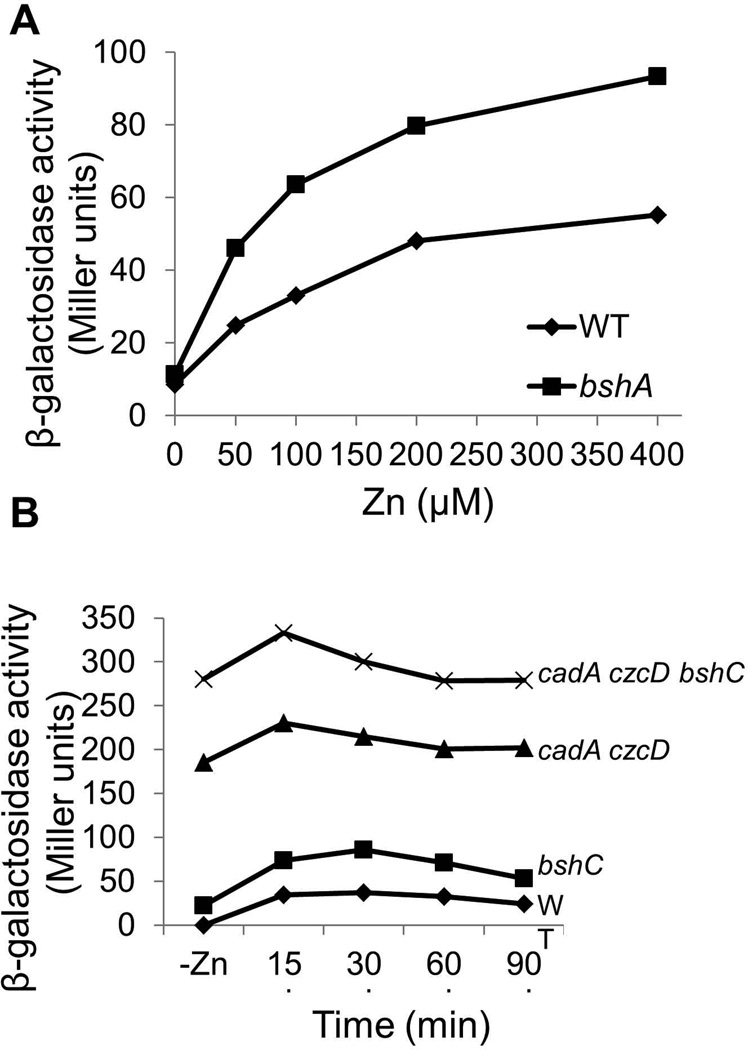
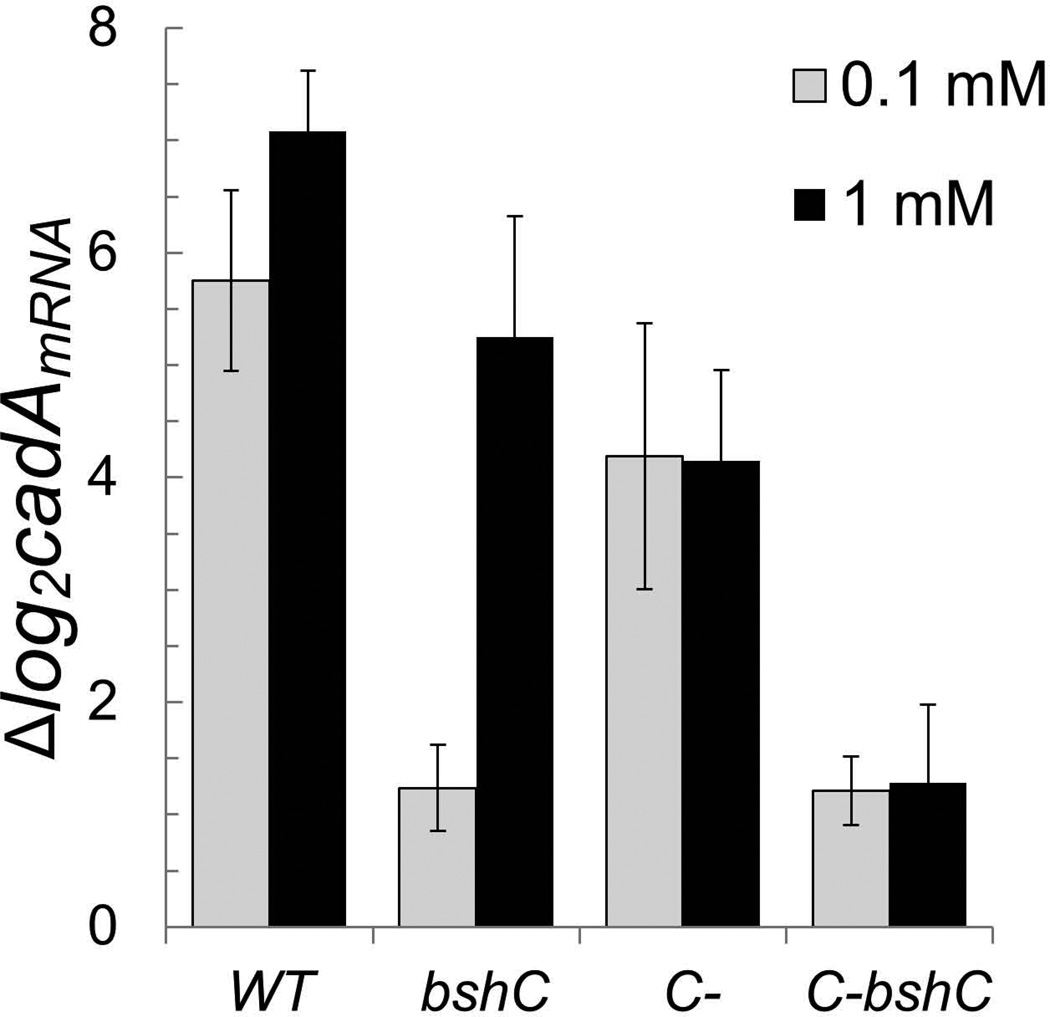
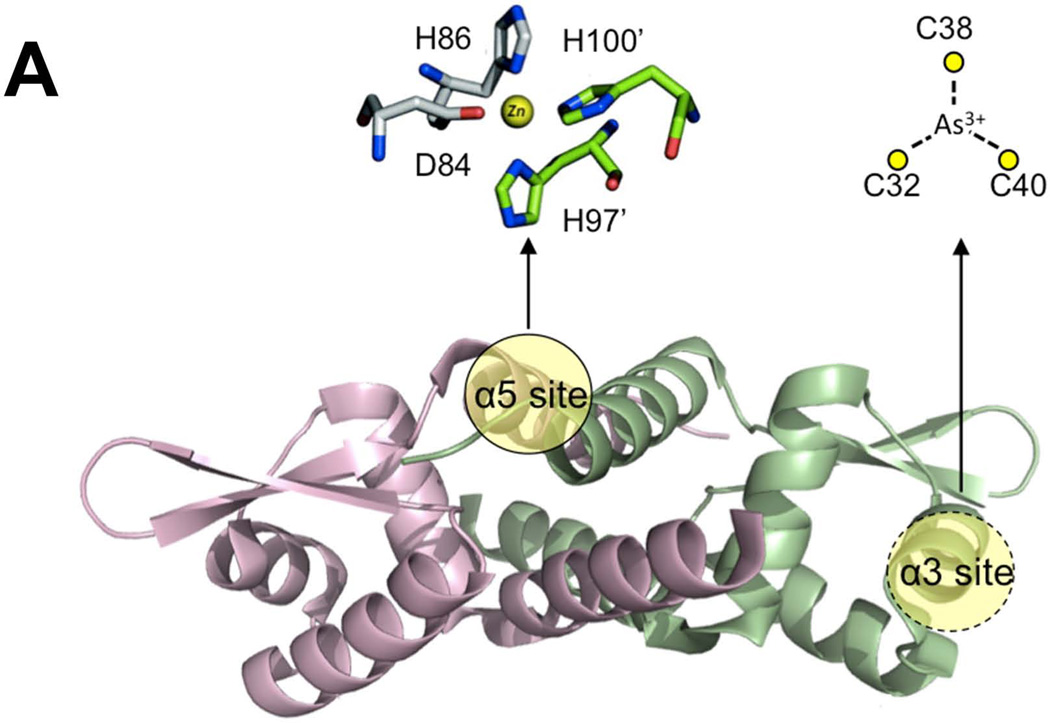
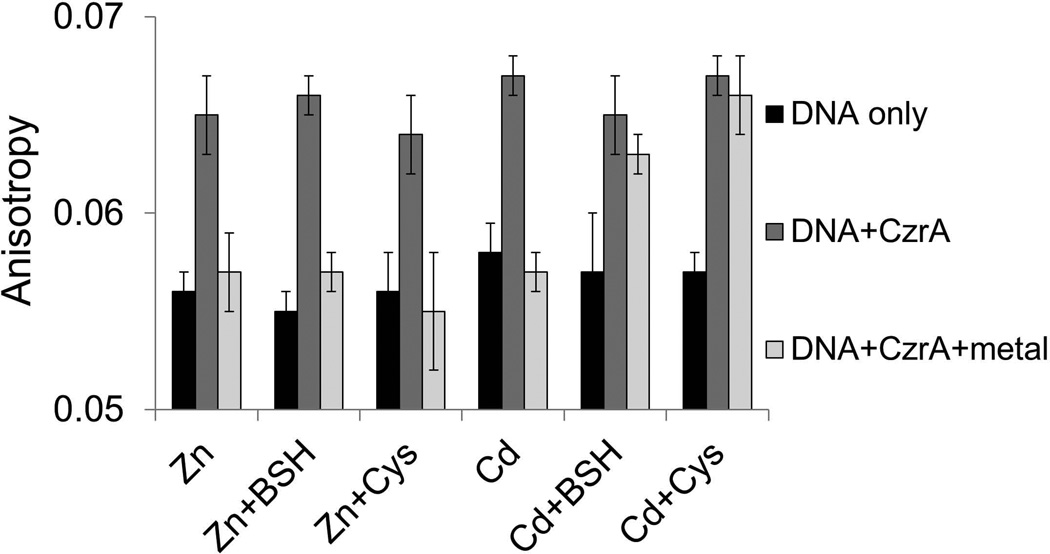
Intracellular zinc levels are tightly regulated since zinc is an essential cofactor for numerous enzymes, yet can be toxic when present in excess. The majority of intracellular zinc is tightly associated with proteins and is incorporated during synthesis from a poorly defined pool of kinetically labile zinc. In Bacillus subtilis, this labile pool is sensed by equilibration with the metalloregulator Zur, as an indication of zinc sufficiency, and by CzrA, as an indication of zinc excess. Here, we demonstrate that the low-molecular-weight thiol bacillithiol (BSH) serves as a major buffer of the labile zinc pool. Upon shift to conditions of zinc excess, cells transiently accumulate zinc in a low-molecular-weight pool, and this accumulation is largely dependent on BSH. Cells lacking BSH are more sensitive to zinc stress, and they induce zinc efflux at lower external zinc concentrations. Thiol reactive agents such as diamide and cadmium induce zinc efflux by interfering with the Zn-buffering function of BSH. Our data provide new insights into intracellular zinc buffering and may have broad relevance given the presence of BSH in pathogens and the proposed role of zinc sequestration in innate immunity.
细胞内锌水平受到严格调控,因为锌是众多酶的必需辅因子,但过量时可能有毒。大多数细胞内锌与蛋白质紧密结合,并在合成过程中从定义不清的动态不稳定锌池中掺入。在枯草芽孢杆菌中,这种不稳定的锌池通过与金属调节蛋白Zur平衡来感知锌充足,通过CzrA来感知锌过量。在这里,我们证明低分子量硫醇杆菌硫醇(BSH)是不稳定锌池的主要缓冲剂。在转移到锌过量的条件下,细胞在低分子量池中短暂积累锌,这种积累很大程度上依赖于BSH。缺乏BSH的细胞对锌胁迫更敏感,并且它们在较低的外部锌浓度下诱导锌外流。二酰胺和镉等硫醇反应性试剂通过干扰BSH的锌缓冲功能来诱导锌外流。我们的数据为细胞内锌缓冲提供了新的见解,鉴于病原体中存在BSH以及锌螯合在先天免疫中的作用,可能具有广泛的相关性。