Wang Hui, Shi Haojun, Zhang Jing, Wang Guoliang, Zhang Jinxiang, Jiang Fagang, Xiao Qing
The Department of Medical Genetics, Tongji Medical College Affiliated with Huazhong University of Science and Technology, 13 Hangkong Road, Wuhan, Hubei 430022, China.
Radiology Department, Union Hospital Affiliated with Huazhong University of Science and Technology, 1277 Jiefang Avenue, Wuhan, Hubei 430022, China.
Mediators Inflamm. 2014;2014:858763. doi: 10.1155/2014/858763. Epub 2014 Aug 17.
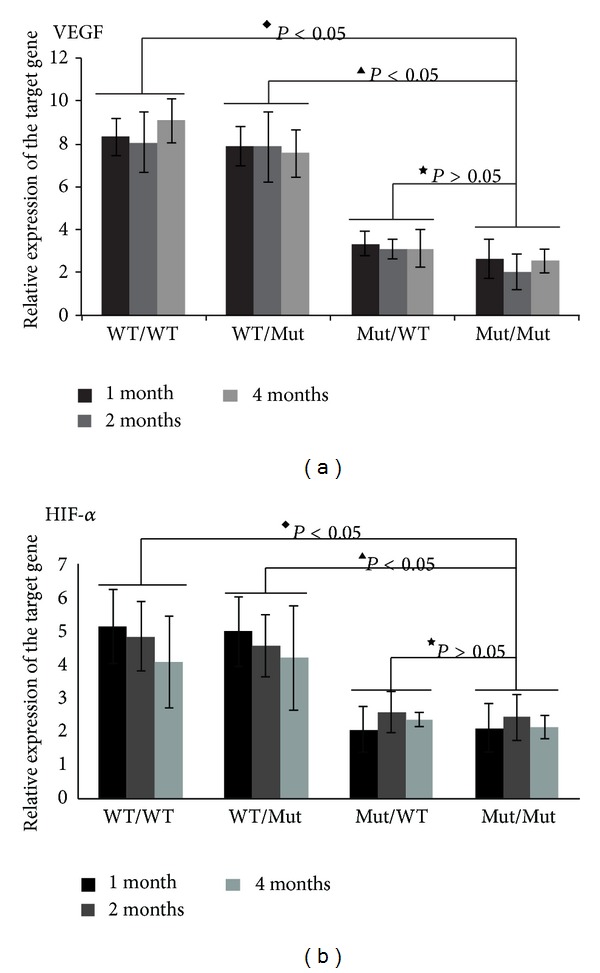
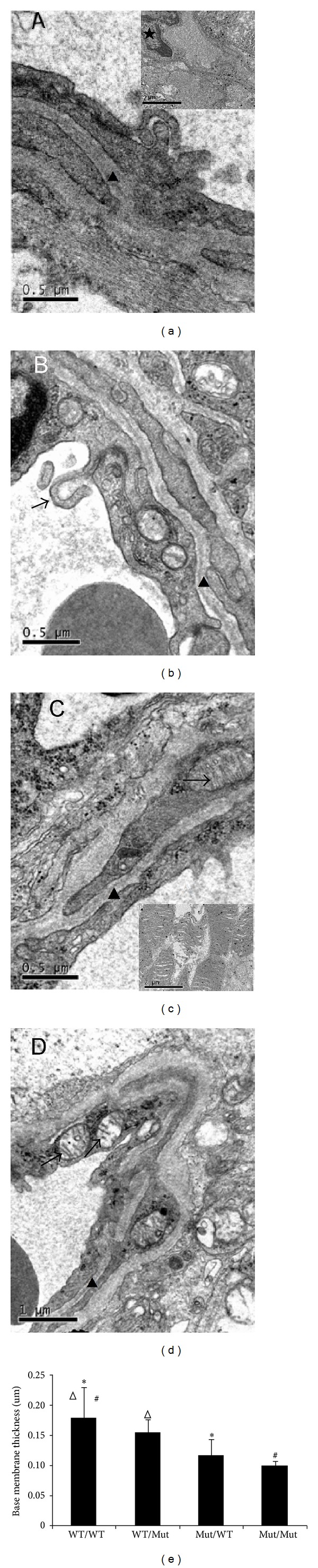
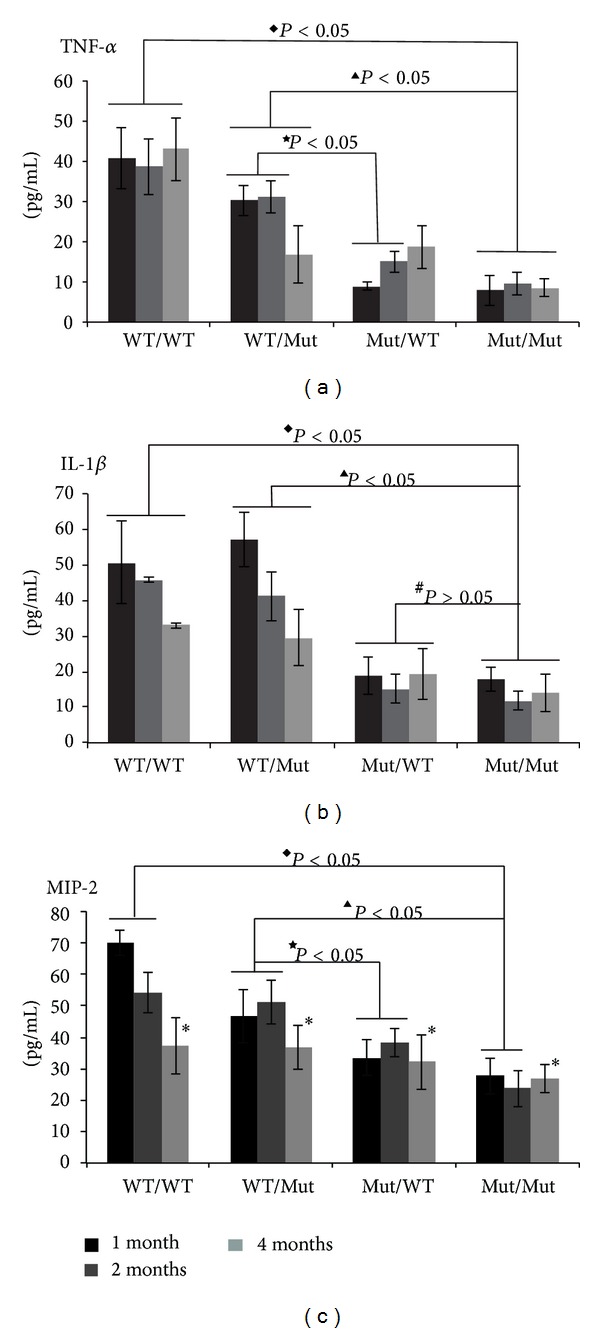
Diabetic retinopathy (DR) is a major microvascular complication in diabetics, and its mechanism is not fully understood. Toll-like receptor 4 (TLR4) plays a pivotal role in the maintenance of the inflammatory state during DR, and the deletion of TLR4 eventually alleviates the diabetic inflammatory state. To further elucidate the mechanism of DR, we used bone marrow transplantation to establish reciprocal chimeric animals of TLR4 mutant mice and TLR4 WT mice combined with diabetes mellitus (DM) induction by streptozotocin (STZ) treatment to identify the role of TLR4 in different cell types in the development of the proinflammatory state during DR. TLR4 mutation did not block the occurrence of high blood glucose after STZ injection compared with WT mice but did alleviate the progression of DR and alter the expression of the small vessel proliferation-related genes, vascular endothelial growth factor (VEGF), and hypoxia inducible factor-1α (HIF-1α). Grafting bone marrow-derived cells from TLR4 WT mice into TLR4 mutant mice increased the levels of TNF-α, IL-1β, and MIP-2 and increased the damage to the retina. Similarly, VEGF and HIF-1α expression were restored by the bone marrow transplantation. These findings identify an essential role for TLR4 in bone marrow-derived cells contributing to the progression of DR.
糖尿病视网膜病变(DR)是糖尿病患者主要的微血管并发症,其发病机制尚未完全明确。Toll样受体4(TLR4)在DR炎症状态的维持中起关键作用,TLR4缺失最终可减轻糖尿病炎症状态。为进一步阐明DR的发病机制,我们通过骨髓移植构建了TLR4突变小鼠与TLR4野生型小鼠的相互嵌合动物,并通过链脲佐菌素(STZ)诱导糖尿病(DM),以确定TLR4在DR炎症状态发展过程中不同细胞类型中的作用。与野生型小鼠相比,TLR4突变并未阻止STZ注射后高血糖的发生,但确实减轻了DR的进展,并改变了小血管增殖相关基因、血管内皮生长因子(VEGF)和缺氧诱导因子-1α(HIF-1α)的表达。将TLR4野生型小鼠的骨髓来源细胞移植到TLR4突变小鼠中,增加了TNF-α、IL-1β和MIP-2的水平,并加重了视网膜损伤。同样,骨髓移植恢复了VEGF和HIF-1α的表达。这些发现表明TLR4在骨髓来源细胞中对DR进展起着重要作用。