Tang Xiaojing, Bergstralh Eric J, Mehta Ramila A, Vrtiska Terri J, Milliner Dawn S, Lieske John C
1] Division of Nephrology and Hypertension, Mayo Clinic, Rochester, MN, USA [2] Division of Nephrology, Shanghai Changzheng Hospital, Second Military Medical University, Shanghai, China.
Division of Biostatistics, Mayo Clinic, Rochester, MN, USA.
Kidney Int. 2015 Mar;87(3):623-31. doi: 10.1038/ki.2014.298. Epub 2014 Sep 17.
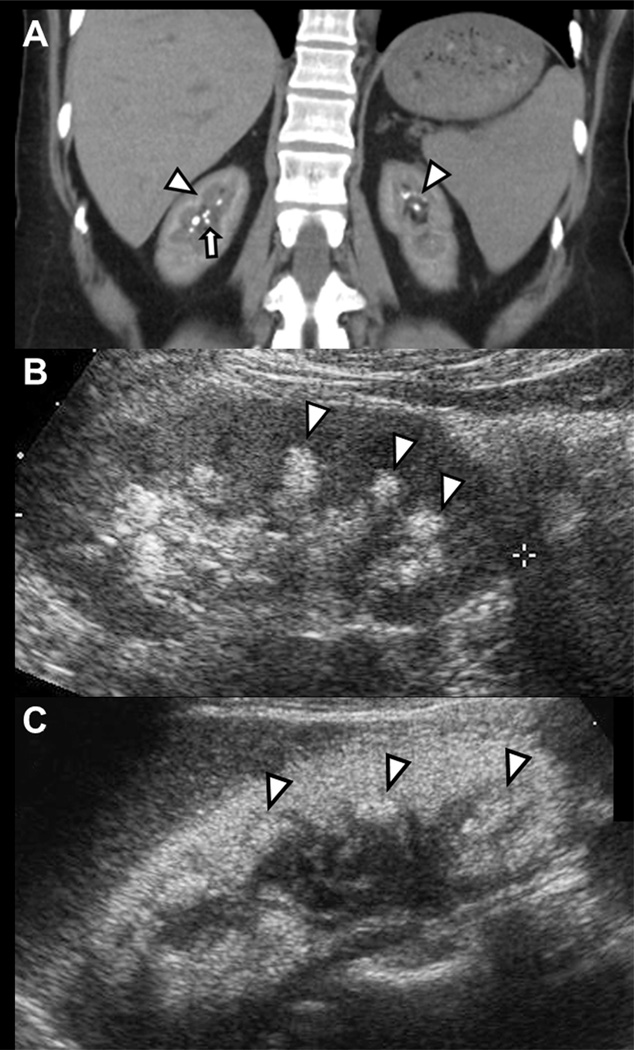
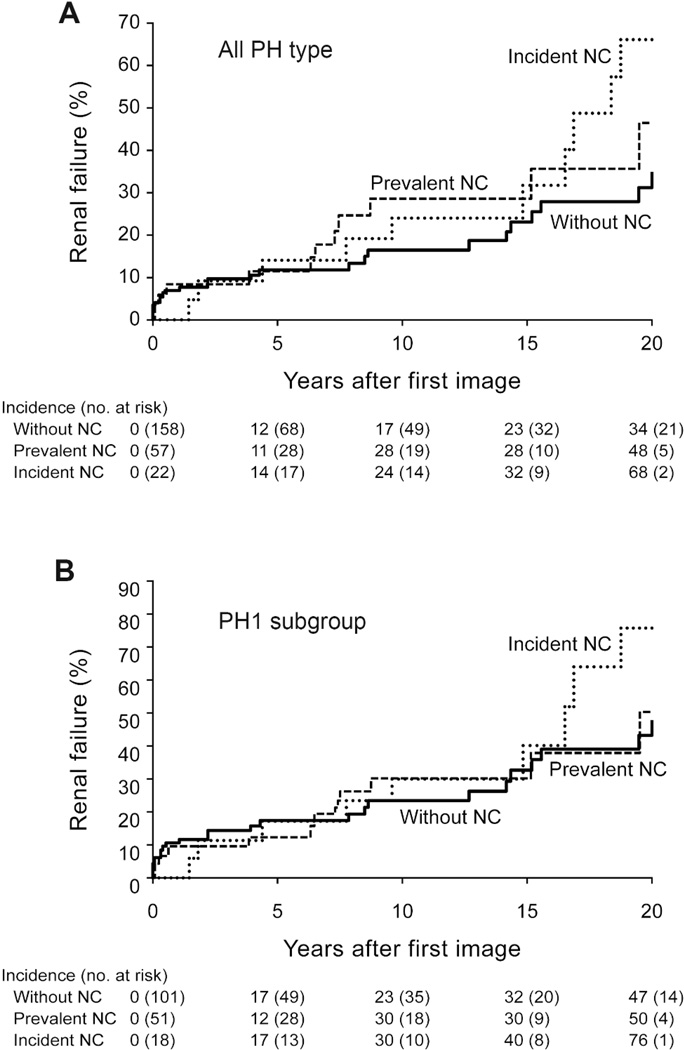
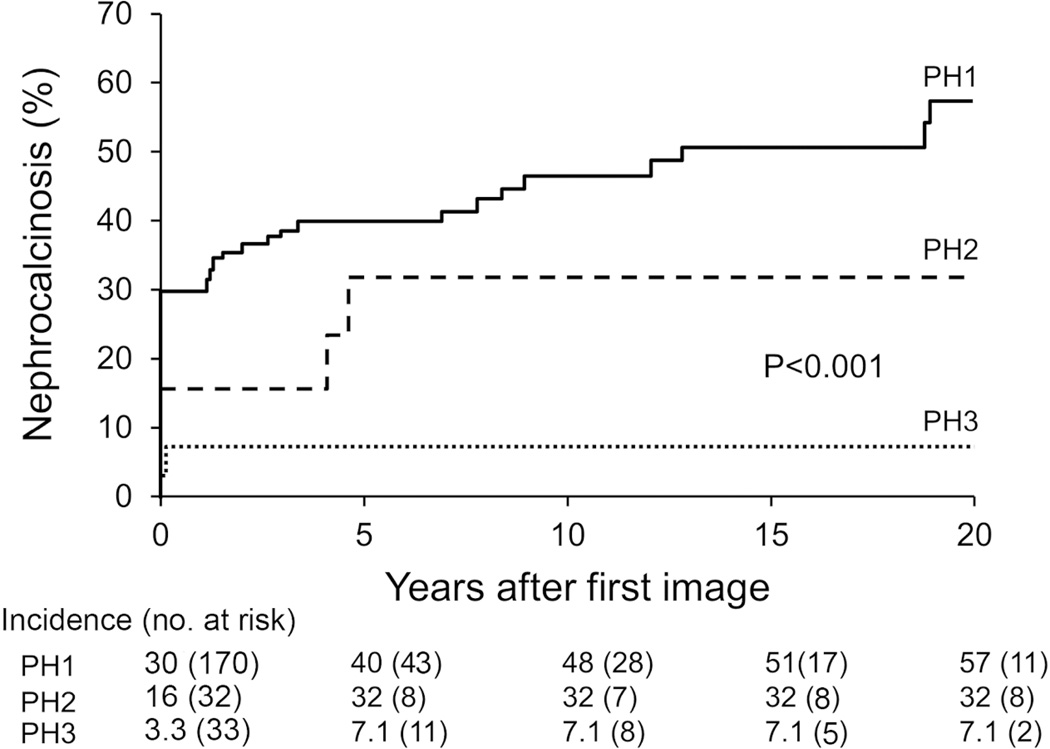
Stone formation and nephrocalcinosis are both very common features of primary hyperoxaluria, yet the extent of each disease varies markedly between patients. Here we studied whether kidney damage from nephrocalcinosis and/or stone related events contributed to end-stage kidney disease (ESKD). Clinical information was analyzed from 348 patients enrolled in the Rare Kidney Stone Consortium Primary Hyperoxaluria registry and included demographic, laboratory and imaging features. Among all patients there were 277 with type 1, 37 with type 2, and 34 with type 3 primary hyperoxaluria. Overall, 58% passed a stone (mean 0.3/year) and one or more urologic procedures were required by 70% of patients (mean 0.15/year). Nephrocalcinosis was found in 34% of patients, including 41% with type 1 primary hyperoxaluria. High urine oxalate was associated with increased risk for both nephrocalcinosis and stone number, while low urine citrate was a risk factor for stone events and stone number. After adjustment for the type of primary hyperoxaluria, diagnosis by family screening and age at first image, the overall adjusted hazard ratio for ESKD among those with a history of nephrocalcinosis was 1.7 [95% CI 1.0-3.0], while the risk was 4.0 [1.9-8.5] for new onset nephrocalcinosis during follow-up. In contrast, the number of stones and stone events were not significantly associated with ESKD risk. Thus, nephrolithiasis and nephrocalcinosis appear to be pathophysiologically distinct entities. The presence of nephrocalcinosis implies increased risk for ESKD.
结石形成和肾钙质沉着症都是原发性高草酸尿症的常见特征,但每种疾病在患者之间的程度差异显著。在此,我们研究了肾钙质沉着症和/或结石相关事件导致的肾损伤是否会导致终末期肾病(ESKD)。分析了纳入罕见肾结石联盟原发性高草酸尿症登记处的348例患者的临床信息,包括人口统计学、实验室和影像学特征。在所有患者中,277例为1型原发性高草酸尿症,37例为2型,34例为3型原发性高草酸尿症。总体而言,58%的患者排出过结石(平均每年0.3次),70%的患者需要进行一次或多次泌尿外科手术(平均每年0.15次)。34%的患者发现有肾钙质沉着症,其中1型原发性高草酸尿症患者中41%有肾钙质沉着症。高尿草酸与肾钙质沉着症和结石数量增加的风险相关,而低尿枸橼酸盐是结石事件和结石数量的危险因素。在对原发性高草酸尿症类型、家族筛查诊断和首次成像时的年龄进行调整后,有肾钙质沉着症病史的患者发生ESKD的总体调整后风险比为1.7[95%CI 1.0-3.0],而随访期间新发肾钙质沉着症的风险为4.0[1.9-8.