Torrone Elizabeth, Papp John, Weinstock Hillard
MMWR Morb Mortal Wkly Rep. 2014 Sep 26;63(38):834-8.
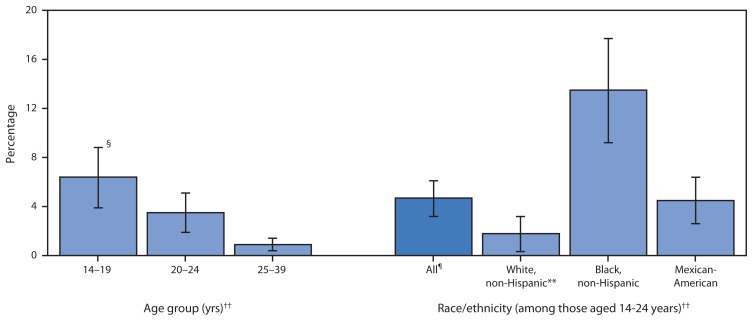
Infection with the bacterium, Chlamydia trachomatis (often termed "chlamydia") is the most frequently reported sexually transmitted infection in the United States. The urethra is the most common site of infection in males, and the urethra and cervix are most commonly infected in females. Ascending infection in females can cause pelvic inflammatory disease, which can lead to infertility and ectopic pregnancy. Genital chlamydial infections are usually asymptomatic, and screening is necessary to identify most infections. Currently, chlamydia screening for sexually active women aged <25 years is recommended by the U.S. Preventive Services Task Force (grade B recommendation). Chlamydia is nationally notifiable; however, if females do not access care or clinicians do not screen, many infections go undiagnosed, unreported, and untreated. CDC monitors population prevalence of genital chlamydial infection through the National Health and Nutrition Examination Survey (NHANES), which tests a sample of the U.S. population aged 14-39 years for genital C. trachomatis and found that the overall chlamydia burden in the United States decreased during 1999-2008. Using data from the most recent cycles of NHANES (2007-2012), CDC estimated chlamydia prevalence among persons aged 14-39 years overall and by demographic characteristics and sexual behaviors. The prevalence of chlamydia among persons aged 14-39 years was 1.7% (95% confidence interval [CI] = 1.4%-2.0%). Chlamydia prevalence varied by age and race/ethnicity, with prevalence highest among non-Hispanic blacks (5.2%). Among sexually active females aged 14-24 years, the population targeted for routine screening, chlamydia prevalence was 4.7% overall and 13.5% among non-Hispanic black females. As chlamydia is common and infections are usually asymptomatic, health care providers should routinely screen sexually active young women aged <25 years for chlamydial infection, provide prompt treatment for infected persons, and ensure that infected patients' sex partners receive timely treatment to prevent reinfection.
感染沙眼衣原体细菌(通常称为“衣原体”)是美国报告最为频繁的性传播感染。男性最常见的感染部位是尿道,女性则是尿道和子宫颈。女性的上行感染可导致盆腔炎,进而引发不孕和宫外孕。生殖器衣原体感染通常没有症状,因此需要进行筛查以发现大多数感染病例。目前,美国预防服务工作组建议对年龄小于25岁的性活跃女性进行衣原体筛查(B级推荐)。衣原体感染在全国范围内都需要报告;然而,如果女性未能获得医疗服务或临床医生未进行筛查,许多感染就会未被诊断、未被报告且未得到治疗。美国疾病控制与预防中心(CDC)通过国家健康与营养检查调查(NHANES)监测生殖器衣原体感染的人群患病率,该调查对14 - 39岁的美国人群样本进行沙眼衣原体检测,发现1999 - 2008年期间美国衣原体感染的总体负担有所下降。利用NHANES最近几轮(2007 - 2012年)的数据,CDC估计了14 - 39岁人群总体以及按人口统计学特征和性行为划分的衣原体患病率。14 - 39岁人群的衣原体患病率为1.7%(95%置信区间[CI]=1.4% - 2.0%)。衣原体患病率因年龄和种族/族裔而异,非西班牙裔黑人中的患病率最高(5.2%)。在14 - 24岁的性活跃女性(常规筛查的目标人群)中,衣原体总体患病率为4.7%,非西班牙裔黑人女性中为13.5%。由于衣原体感染很常见且通常没有症状,医疗服务提供者应常规筛查年龄小于25岁的性活跃年轻女性是否感染衣原体,为感染者提供及时治疗,并确保感染患者的性伴侣及时接受治疗以预防再次感染。