Beckmann Rainer, Houben Astrid, Tohidnezhad Mersedeh, Kweider Nisreen, Fragoulis Athanassios, Wruck Christoph J, Brandenburg Lars O, Hermanns-Sachweh Benita, Goldring Mary B, Pufe Thomas, Jahr Holger
Department of Anatomy and Cell Biology, Rheinisch-Westfälische Technische Hochschule (RWTH) Aachen University, 52074 Aachen, Germany.
Department of Pathology, RWTH Aachen University, 52074 Aachen, Germany.
Int J Mol Sci. 2014 Sep 1;15(9):15456-74. doi: 10.3390/ijms150915456.
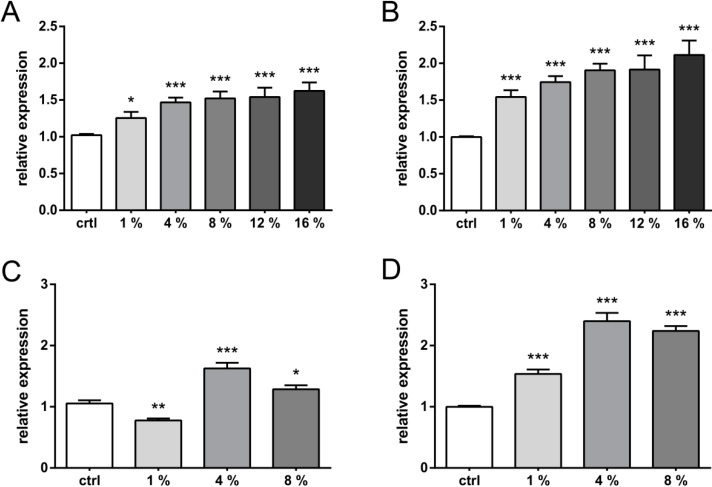
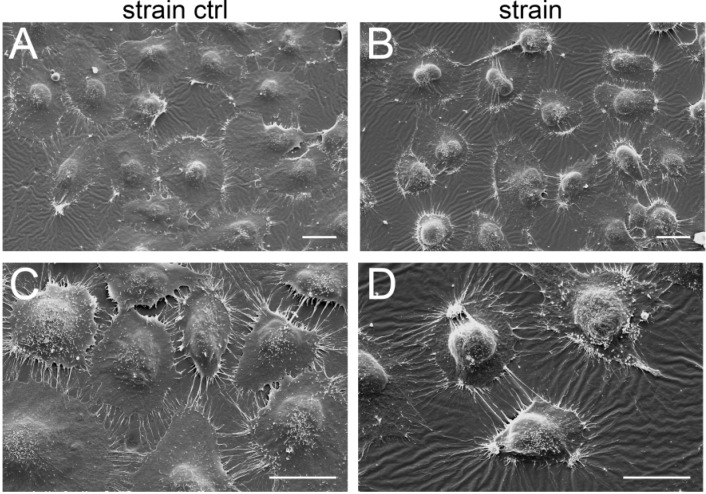
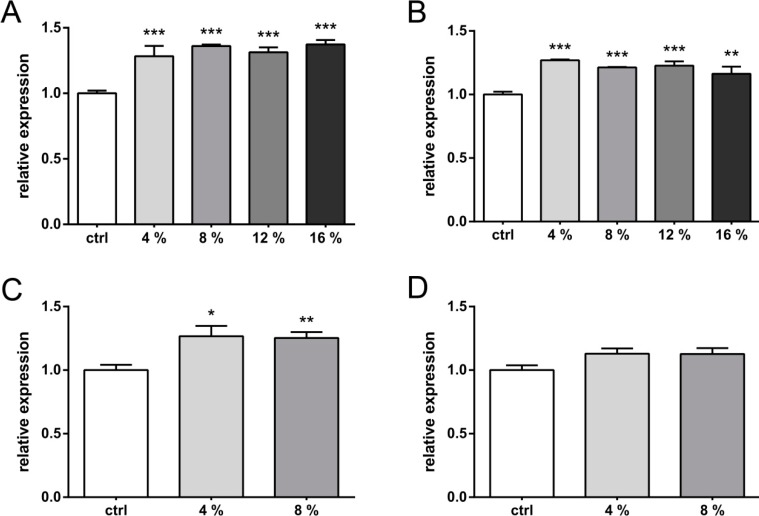
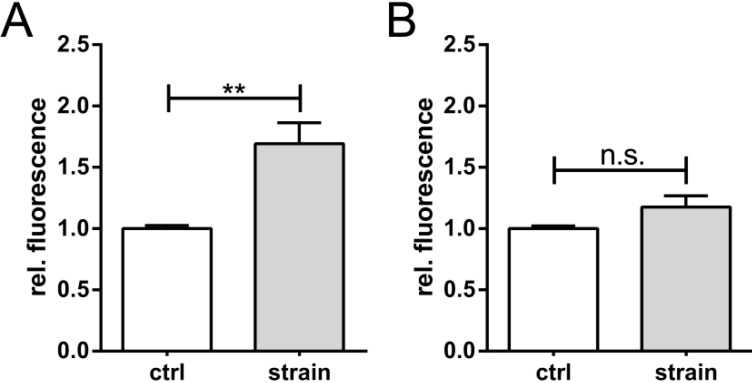
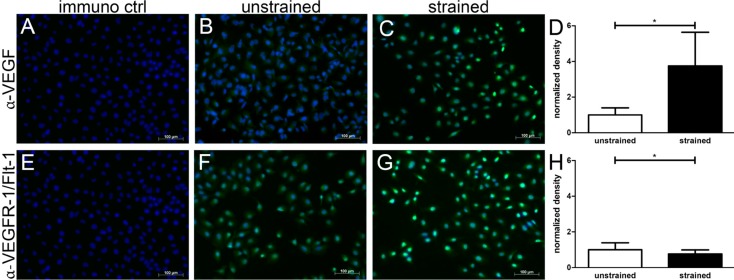
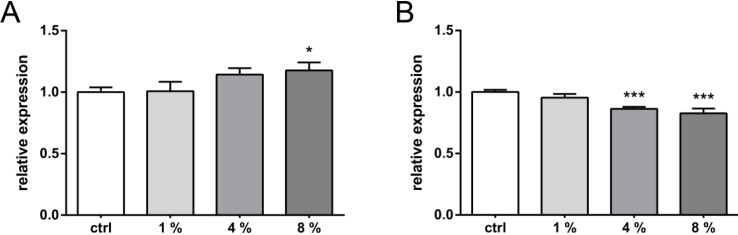
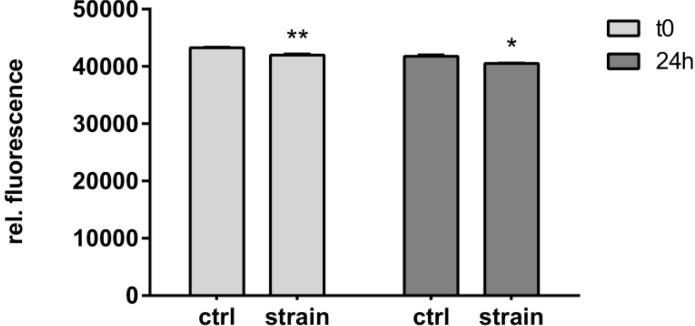
Expression of the pro-angiogenic vascular endothelial growth factor (VEGF) stimulates angiogenesis and correlates with the progression of osteoarthritis. Mechanical joint loading seems to contribute to this cartilage pathology. Cyclic equibiaxial strains of 1% to 16% for 12 h, respectively, induced expression of VEGF in human chondrocytes dose- and frequency-dependently. Stretch-mediated VEGF induction was more prominent in the human chondrocyte cell line C-28/I2 than in primary articular chondrocytes. Twelve hours of 8% stretch induced VEGF expression to 175% of unstrained controls for at least 24 h post stretching, in promoter reporter and enzyme-linked immunosorbent assay (ELISA) studies. High affinity soluble VEGF-receptor, sVEGFR-1/sFlt-1 was less stretch-inducible than its ligand, VEGF-A, in these cells. ELISA assays demonstrated, for the first time, a stretch-mediated suppression of sVEGFR-1 secretion 24 h after stretching. Overall, strained chondrocytes activate their VEGF expression, but in contrast, strain appears to suppress the secretion of the major VEGF decoy receptor (sVEGFR-1/sFlt-1). The latter may deplete a biologically relevant feedback regulation to inhibit destructive angiogenesis in articular cartilage. Our data suggest that mechanical stretch can induce morphological changes in human chondrocytes in vitro. More importantly, it induces disturbed VEGF signaling, providing a molecular mechanism for a stress-induced increase in angiogenesis in cartilage pathologies.
促血管生成的血管内皮生长因子(VEGF)的表达可刺激血管生成,并与骨关节炎的进展相关。关节机械负荷似乎促使了这种软骨病变的发生。分别施加1%至16%的周期性双轴应变,持续12小时,可剂量和频率依赖性地诱导人软骨细胞中VEGF的表达。拉伸介导的VEGF诱导在人软骨细胞系C-28/I2中比在原代关节软骨细胞中更为显著。在启动子报告基因和酶联免疫吸附测定(ELISA)研究中,8%的拉伸持续12小时可使VEGF表达在拉伸后至少24小时内达到未拉伸对照的175%。在这些细胞中,高亲和力可溶性VEGF受体sVEGFR-1/sFlt-1的拉伸诱导性低于其配体VEGF-A。ELISA测定首次证明,拉伸后24小时可介导sVEGFR-1分泌的抑制。总体而言,应变软骨细胞激活其VEGF表达,但相反,应变似乎抑制主要VEGF诱饵受体(sVEGFR-1/sFlt-1)的分泌。后者可能耗尽一种生物学上相关的反馈调节,以抑制关节软骨中的破坏性血管生成。我们的数据表明,机械拉伸可在体外诱导人软骨细胞发生形态变化。更重要的是,它会诱导VEGF信号传导紊乱,为软骨病变中应激诱导的血管生成增加提供了一种分子机制。