Hashimoto Noriaki, Tsunedomi Ryouichi, Yoshimura Kiyoshi, Watanabe Yusaku, Hazama Shoichi, Oka Masaaki
Department of Digestive Surgery and Surgical Oncology, Yamaguchi University Graduate School of Medicine, 1-1-1 Minami-Kogushi, Ube, Yamaguchi 755-8505, Japan.
BMC Cancer. 2014 Sep 27;14:722. doi: 10.1186/1471-2407-14-722.
Cancer stem cells (CSCs) are thought to play important roles in therapy-resistance. In this study, we induced cancer stem-like cells from hepatocellular carcinoma (HCC) cell lines using a unique medium, and examined their potential for resistance to anti-cancer drugs.
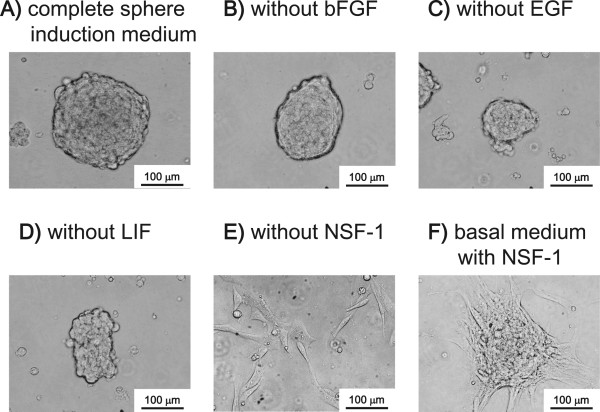
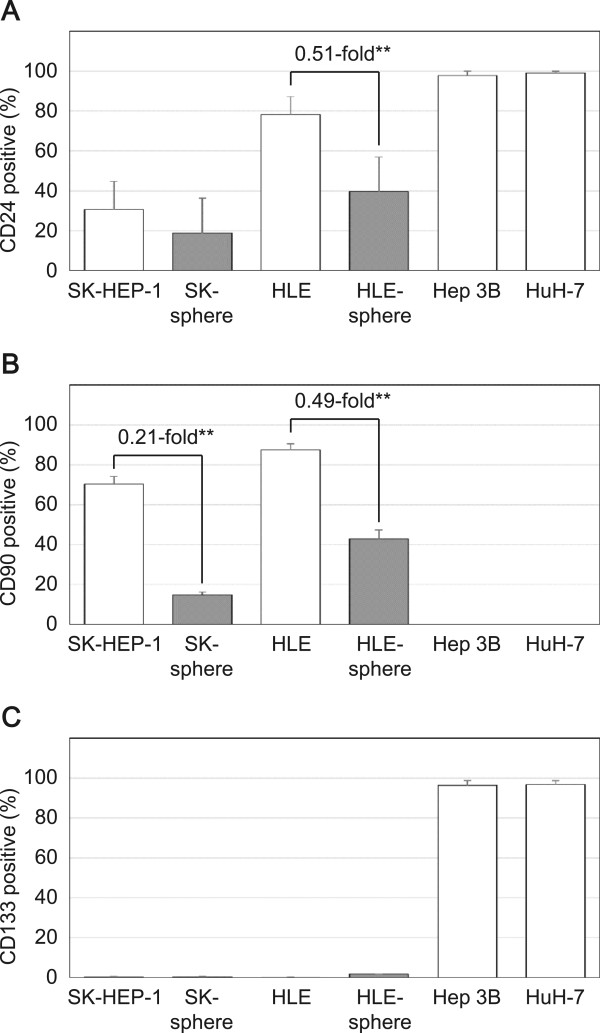
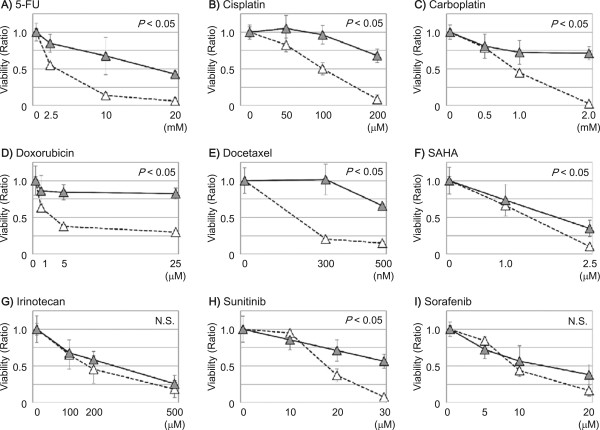
The human HCC cell lines SK-HEP-1 (SK), HLE, Hep 3B, and HuH-7 were used to induce cancer stem-like cells with our sphere induction medium supplemented with neural survival factor-1. NANOG and LIN28A were examined as stemness markers. Several surface markers for CSC such as CD24, CD44, CD44 variant, and CD90 were analyzed by flow-cytometry. To assess the resistance to anti-cancer drugs, the MTS assay, cell cycle analysis, and reactive oxygen species (ROS) activity assay were performed.
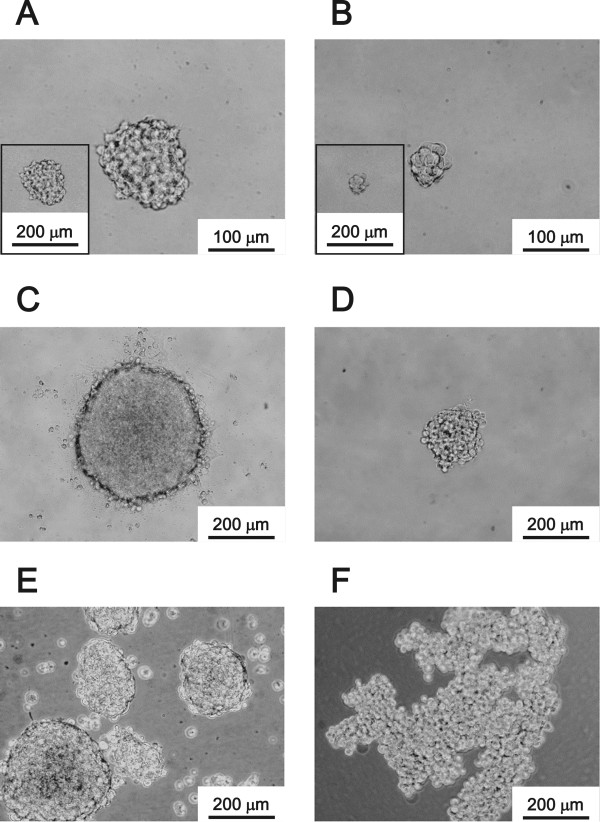
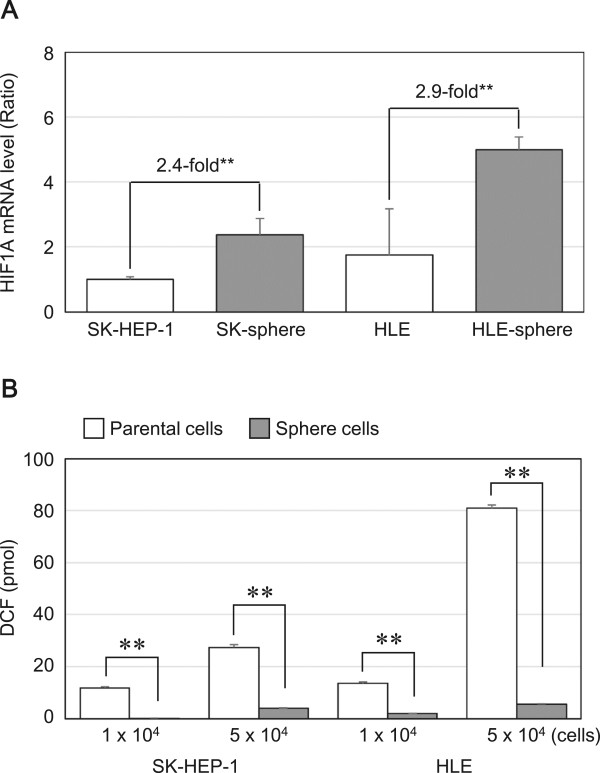
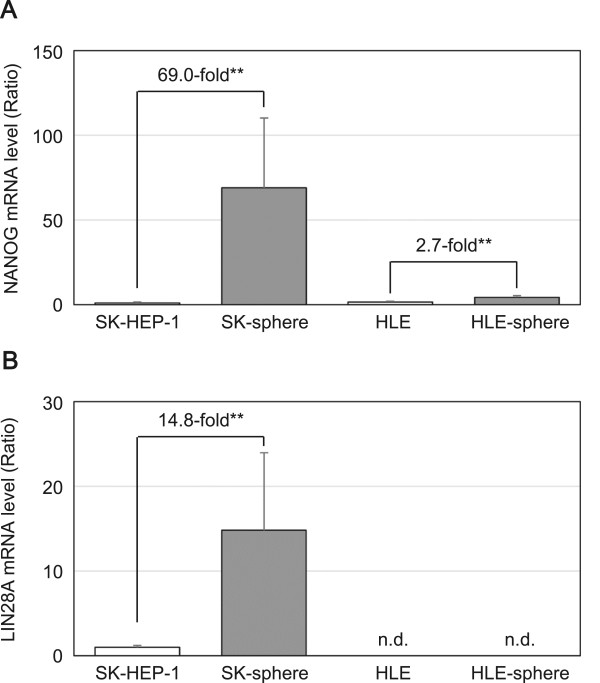
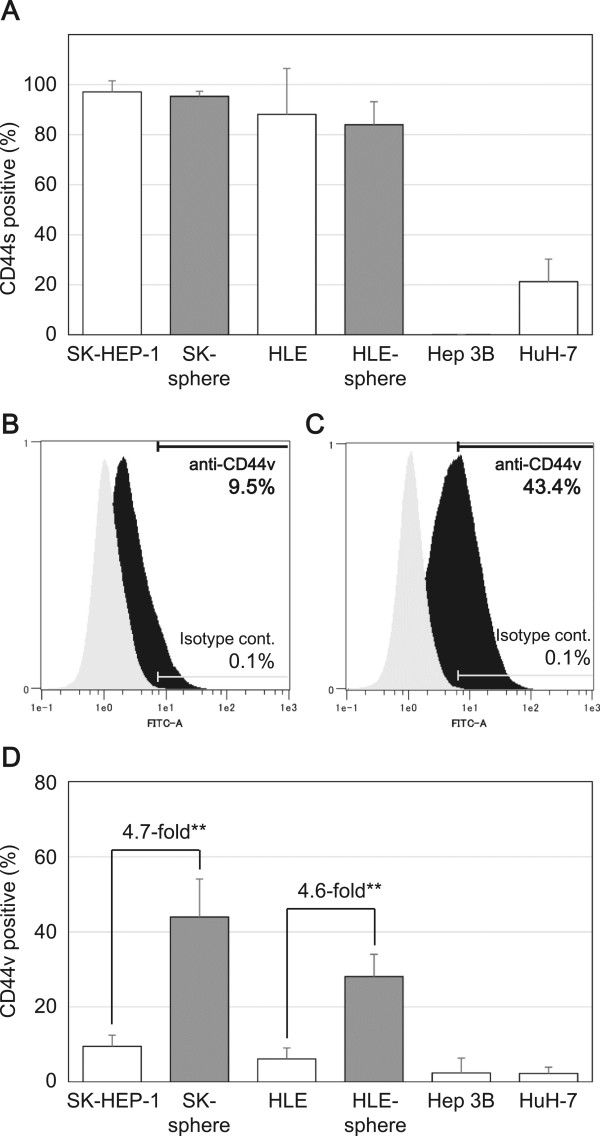
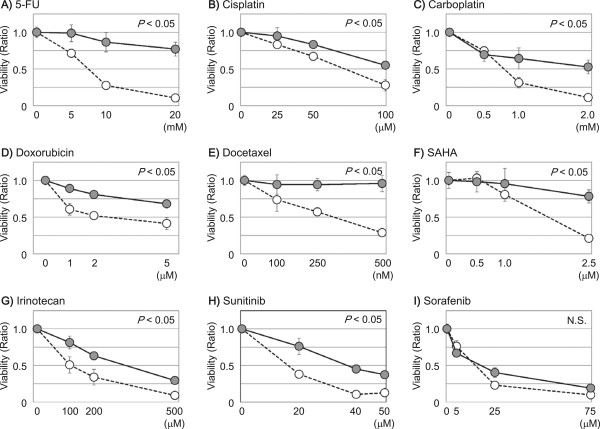
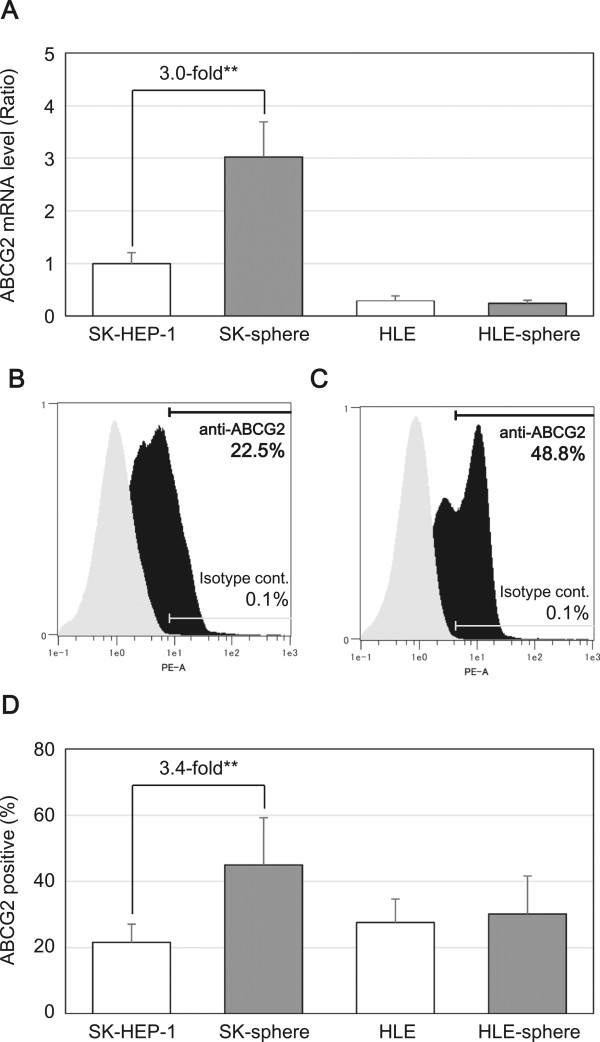
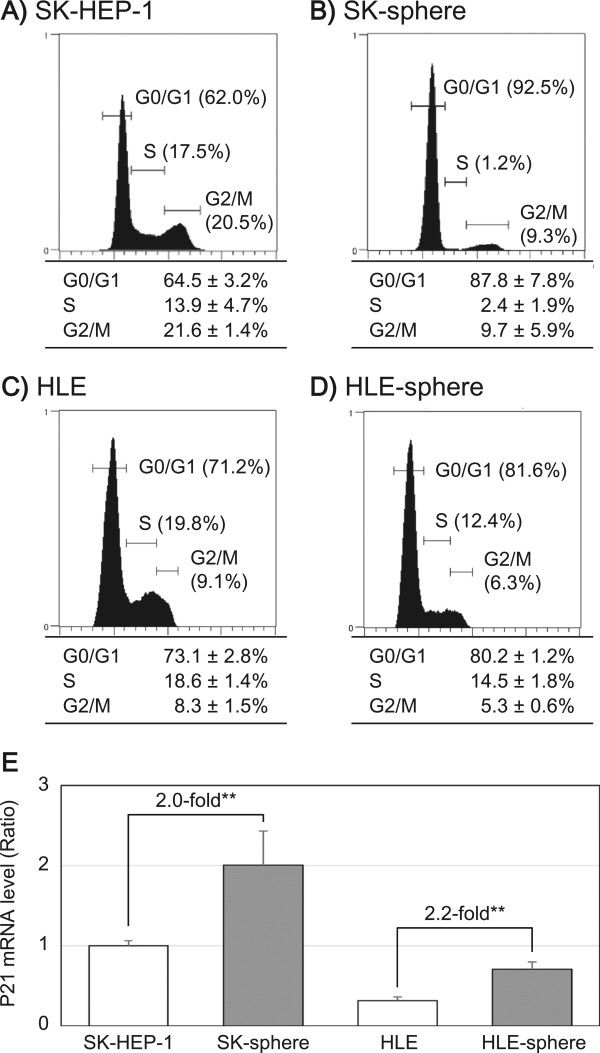
Poorly differentiated HCC derived SK and undifferentiated HCC derived HLE cell lines efficiently formed spheres of cells (SK-sphere and HLE-sphere), but well-differentiated HCC-derived HuH-7 and Hep 3B cells did not. SK-spheres showed increased NANOG, LIN28A, and ALDH1A1 mRNA levels compared to parental cells. We observed more CD44 variant-positive cells in SK-spheres than in parental cells. The cell viability of SK-spheres was significantly higher than that of SK cells in the presence of several anti-cancer drugs except sorafenib (1.7- to 7.3-fold, each P < 0.05). The cell cycle of SK-spheres was arrested at the G0/G1 phase compared to SK cells. SK-spheres showed higher ABCG2 and HIF1A mRNA expression and lower ROS production compared to parental cells.
Our novel method successfully induced cancer stem-like cells, which possessed chemoresistance that was related to the cell cycle, drug efflux, and ROS.
癌症干细胞(CSCs)被认为在治疗抗性中起重要作用。在本研究中,我们使用一种独特的培养基从肝癌(HCC)细胞系诱导出癌症干细胞样细胞,并检测了它们对抗癌药物的抗性潜力。
使用人肝癌细胞系SK-HEP-1(SK)、HLE、Hep 3B和HuH-7,用添加了神经存活因子-1的球形诱导培养基诱导癌症干细胞样细胞。检测NANOG和LIN28A作为干性标志物。通过流式细胞术分析几种癌症干细胞表面标志物,如CD24、CD44、CD44变体和CD90。为评估对抗癌药物的抗性,进行了MTS测定、细胞周期分析和活性氧(ROS)活性测定。
低分化肝癌来源的SK细胞系和未分化肝癌来源的HLE细胞系能高效形成细胞球(SK-球和HLE-球),但高分化肝癌来源的HuH-7和Hep 3B细胞则不能。与亲本细胞相比,SK-球显示NANOG、LIN28A和ALDH1A1 mRNA水平升高。我们观察到SK-球中CD44变体阳性细胞比亲本细胞更多。在除索拉非尼外的几种抗癌药物存在下,SK-球的细胞活力显著高于SK细胞(分别为1.7至7.3倍,各P < 0.05)。与SK细胞相比,SK-球的细胞周期停滞在G0/G1期。与亲本细胞相比,SK-球显示ABCG2和HIF1A mRNA表达更高,ROS产生更低。
我们的新方法成功诱导出了具有与细胞周期、药物外排和ROS相关的化学抗性的癌症干细胞样细胞。