Department of Pathology, Albert Einstein College of Medicine, Bronx, New York, USA.
Department of Microbiology and Immunology, Albert Einstein College of Medicine, Bronx, New York, USA.
Nat Immunol. 2014 Nov;15(11):1046-54. doi: 10.1038/ni.3003. Epub 2014 Sep 28.
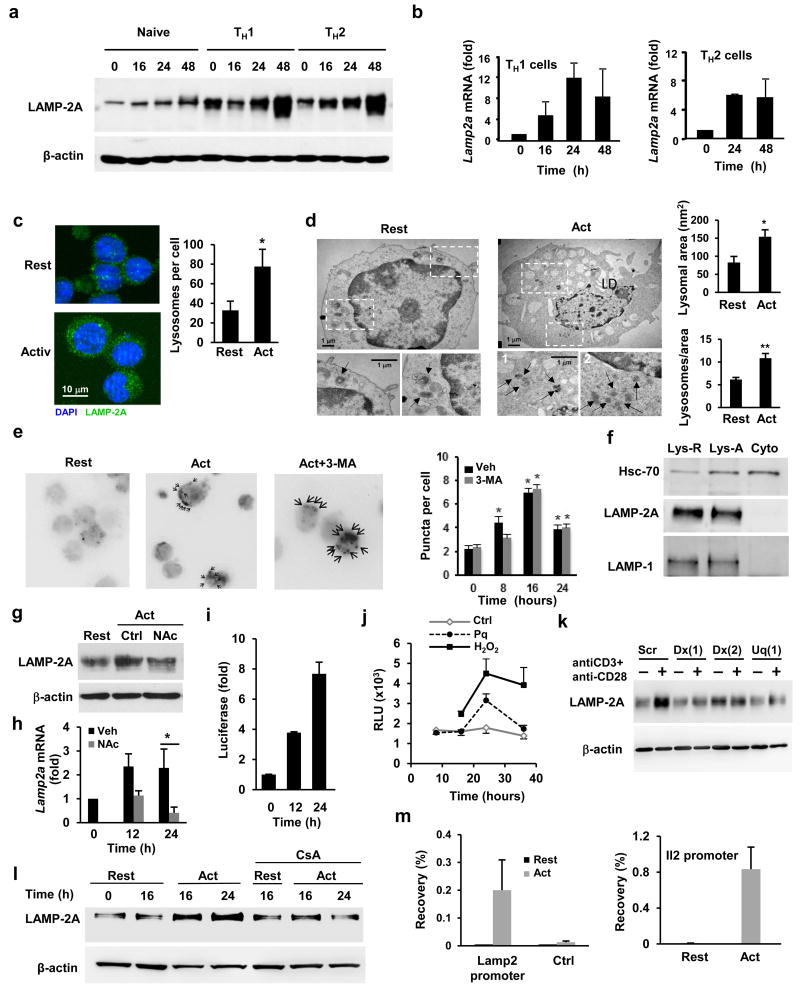
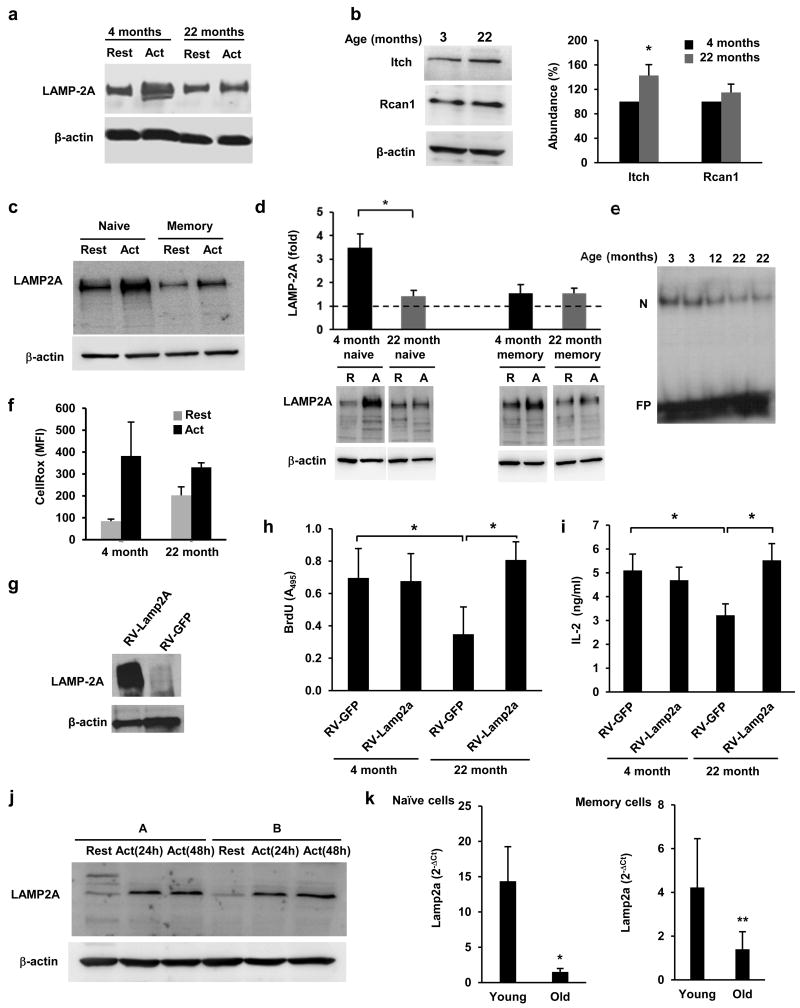
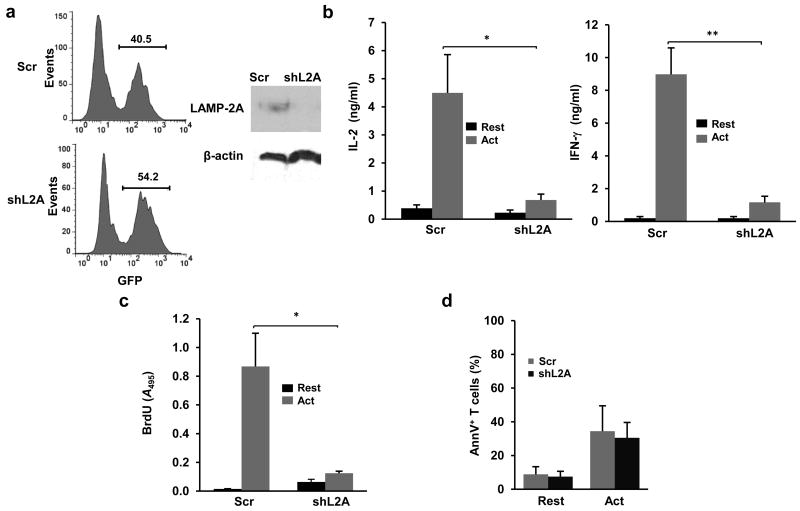
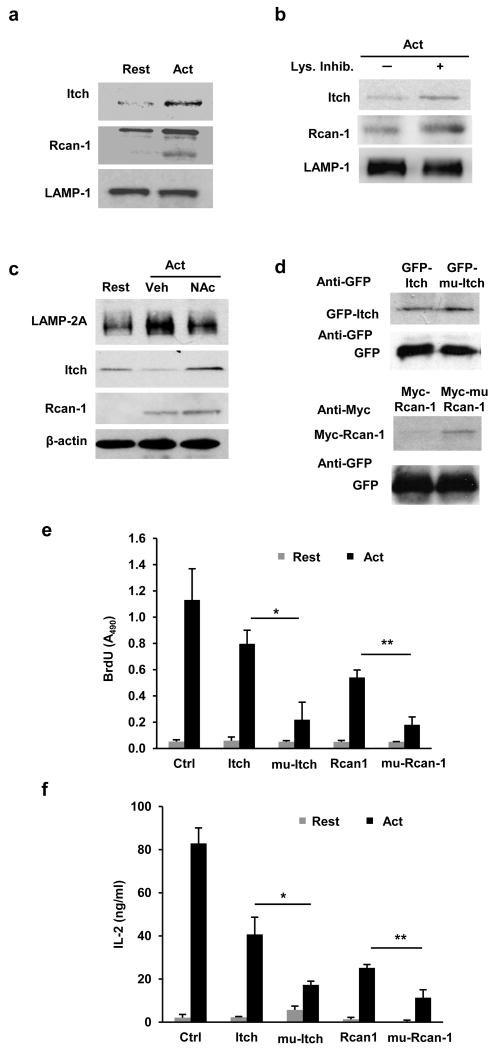
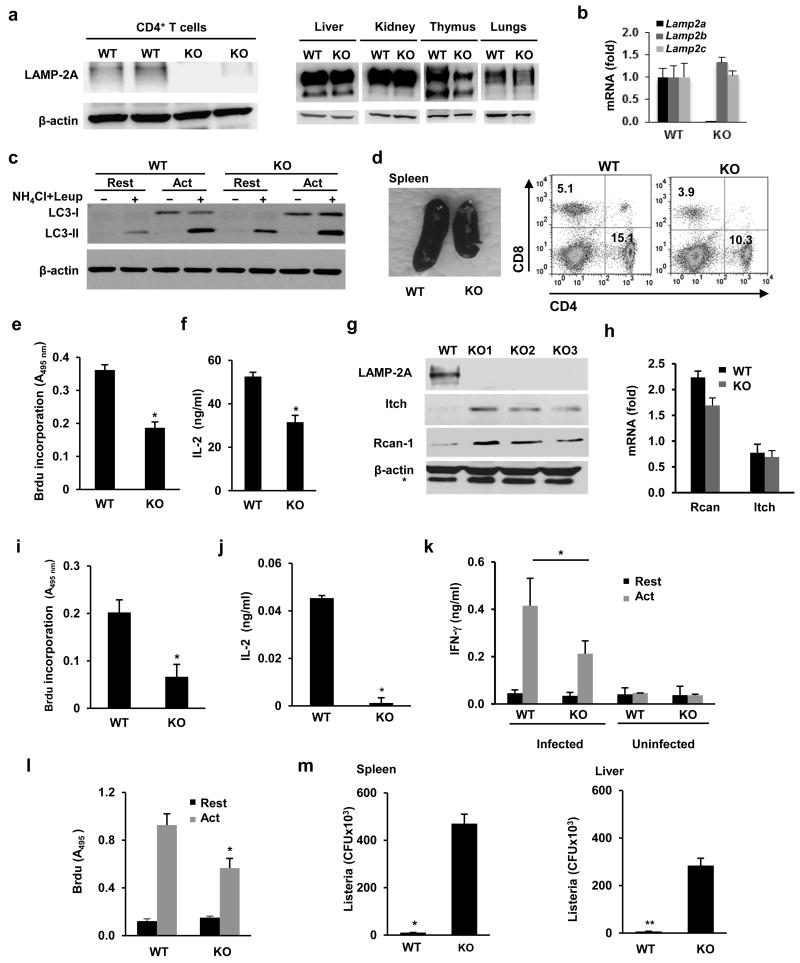
Chaperone-mediated autophagy (CMA) targets soluble proteins for lysosomal degradation. Here we found that CMA was activated in T cells in response to engagement of the T cell antigen receptor (TCR), which induced expression of the CMA-related lysosomal receptor LAMP-2A. In activated T cells, CMA targeted the ubiquitin ligase Itch and the calcineurin inhibitor RCAN1 for degradation to maintain activation-induced responses. Consequently, deletion of the gene encoding LAMP-2A in T cells caused deficient in vivo responses to immunization or infection with Listeria monocytogenes. Impaired CMA activity also occurred in T cells with age, which negatively affected their function. Restoration of LAMP-2A in T cells from old mice resulted in enhancement of activation-induced responses. Our findings define a role for CMA in regulating T cell activation through the targeted degradation of negative regulators of T cell activation.
伴侣蛋白介导的自噬(CMA)将可溶性蛋白靶向到溶酶体进行降解。在这里,我们发现 T 细胞抗原受体(TCR)的结合会激活 T 细胞中的 CMA,这会诱导 CMA 相关溶酶体受体 LAMP-2A 的表达。在激活的 T 细胞中,CMA 将泛素连接酶 Itch 和钙调神经磷酸酶抑制剂 RCAN1 作为靶标进行降解,以维持激活诱导的反应。因此,在 T 细胞中敲除编码 LAMP-2A 的基因会导致对免疫接种或李斯特菌感染的体内反应缺陷。随着年龄的增长,T 细胞中的 CMA 活性也会下降,从而对其功能产生负面影响。在老年小鼠的 T 细胞中恢复 LAMP-2A 的表达会增强激活诱导的反应。我们的研究结果定义了 CMA 通过靶向降解 T 细胞激活的负调节因子来调节 T 细胞激活的作用。