Mo Pingli, Zhou Qiling, Guan Lei, Wang Yi, Wang Wei, Miao Mengmeng, Tong Zhangwei, Li Ming, Majaz Sidra, Liu Yonghong, Su Guoqiang, Xu Jianming, Yu Chundong
State Key Laboratory of Cellular Stress Biology, Innovation Center for Cell Biology, School of Life Sciences, Xiamen University, Xiamen, China.
The First Affiliated Hospital of Xiamen University, Xiamen, China.
Oncogene. 2015 Jul 23;34(30):3935-3945. doi: 10.1038/onc.2014.324. Epub 2014 Sep 29.
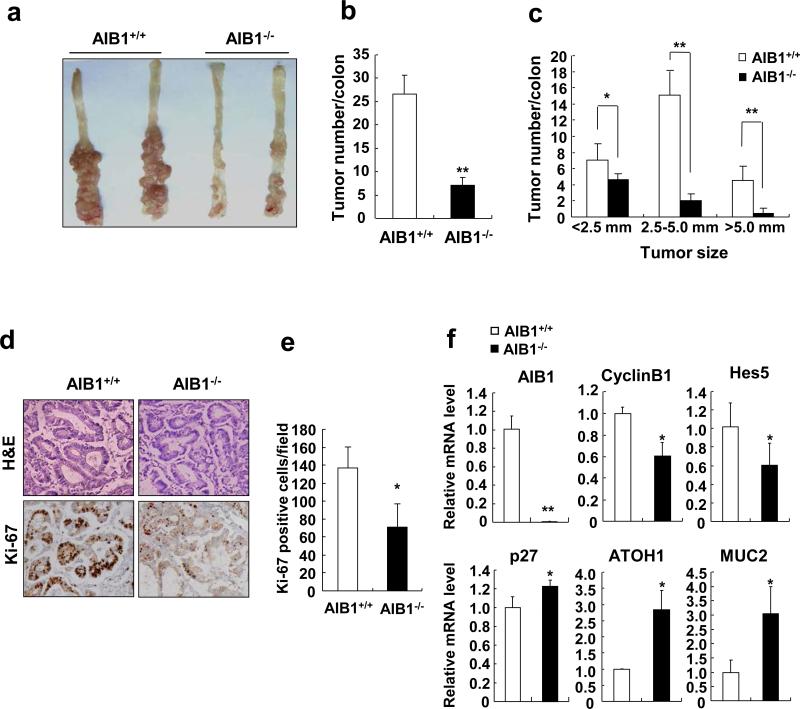
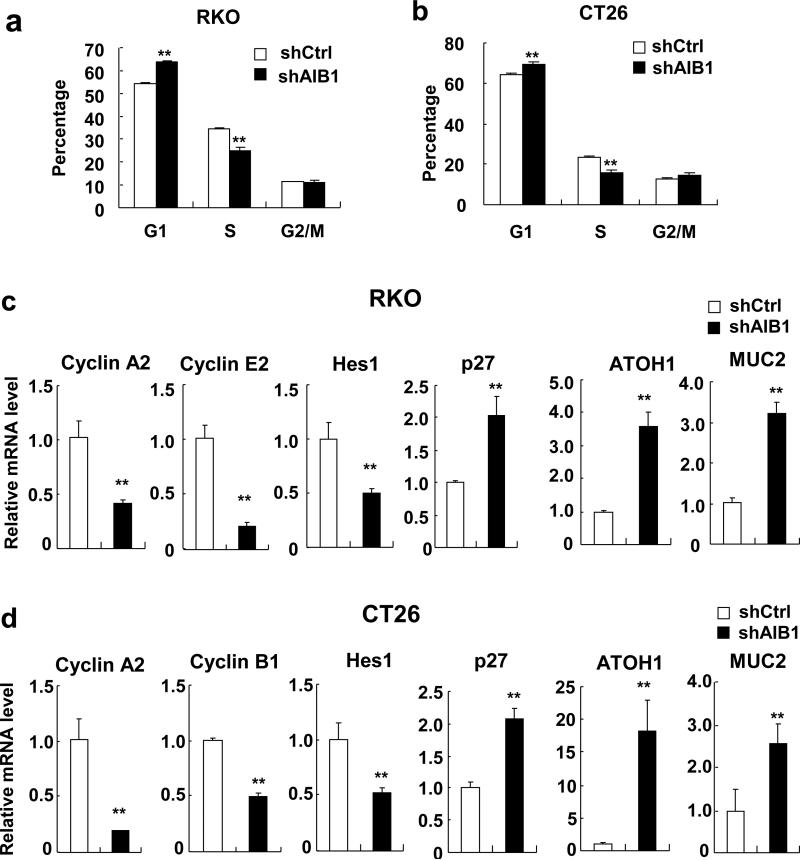
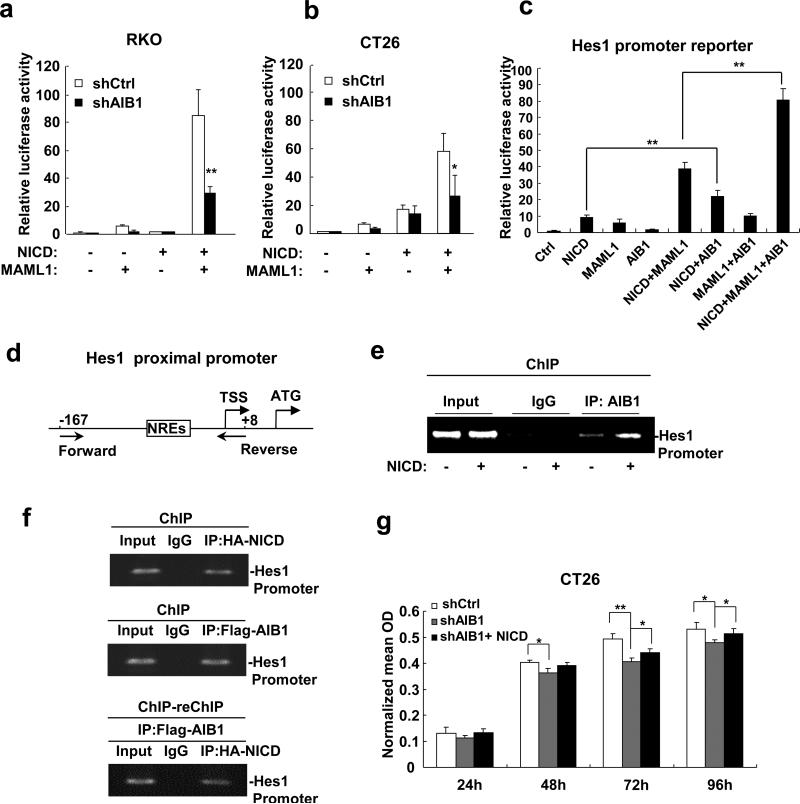
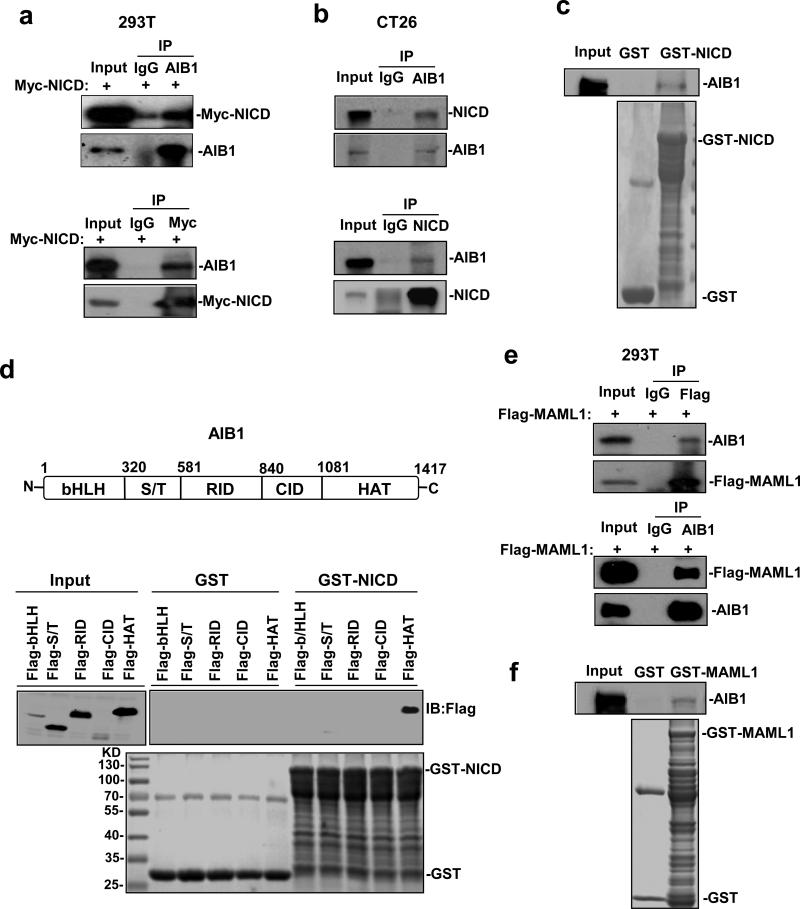
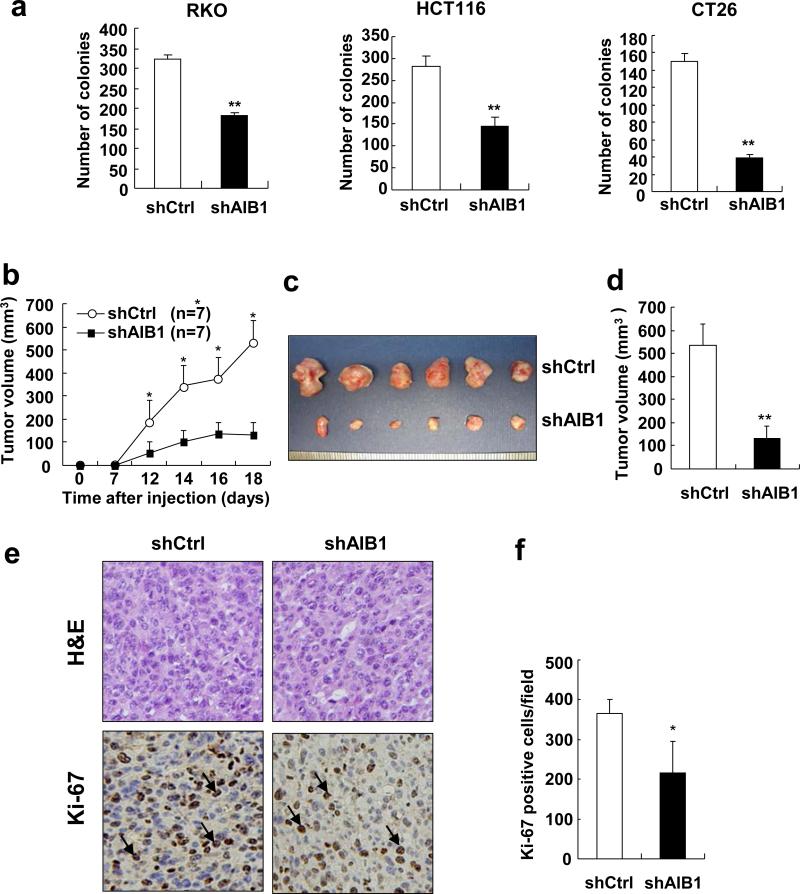
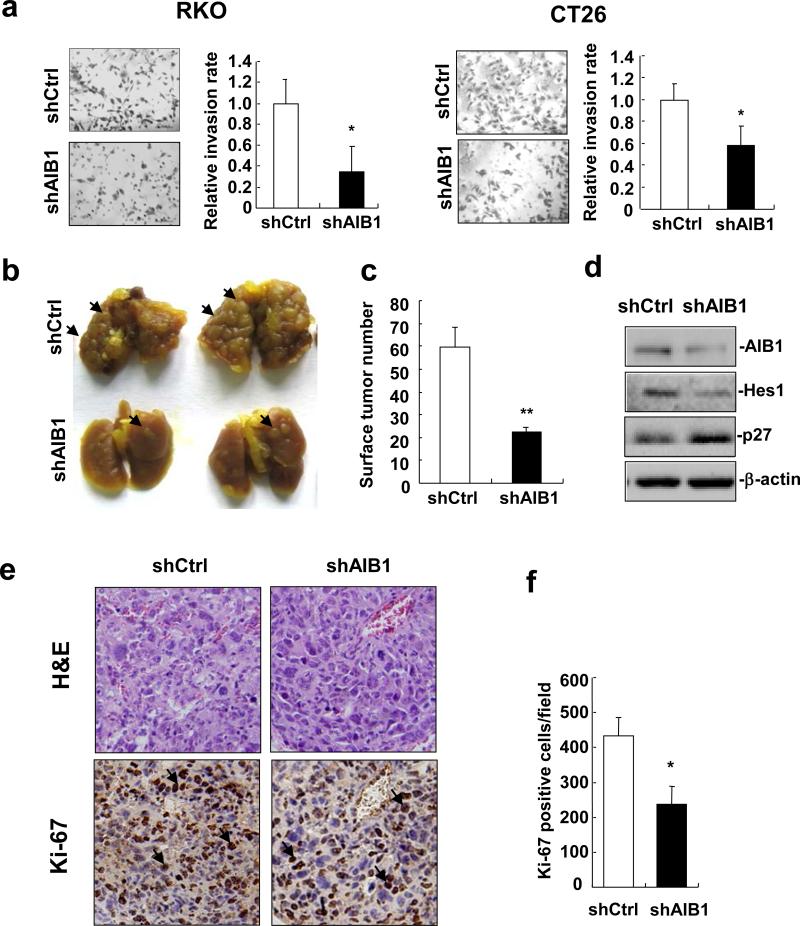
Aberrant activation of Notch signaling has an essential role in colorectal cancer (CRC) progression. Amplified in breast cancer 1 (AIB1), also known as steroid receptor coactivator 3 or NCOA3, is a transcriptional coactivator that promotes cancer cell proliferation and invasiveness. However, AIB1 implication in CRC progression through enhancing Notch signaling is unknown. In this study, we found that several CRC cell lines expressed high levels of AIB1, and knockdown of AIB1 decreased cell proliferation, colony formation and tumorigenesis of these CRC cells. Specifically, knockdown of AIB1 inhibited cell cycle progression at G1 phase by decreasing the mRNA levels of cyclin A2, cyclin B1, cyclin E2 and hairy and enhancer of split (Hes) 1. Furthermore, AIB1 interacted with Notch intracellular domain and Mastermind-like 1 and was recruited to the Hes1 promoter to enhance Notch signaling. Downregulation of AIB1 also decreased CRC cell invasiveness in vitro and lung metastasis in vivo. Besides that, knockout of AIB1 in mice inhibited colon carcinogenesis induced by azoxymethane/dextran sodium sulfate treatment. The mRNA levels of cyclin B1 and Hes5 were downregulated, but p27, ATOH1 and MUC2 were upregulated in the colon tumors from AIB1-deficient mice compared with those from wild-type mice. Thus, our results signify the importance of AIB1 in CRC and demonstrate that AIB1 promotes CRC progression at least in part through enhancing Notch signaling, suggesting that AIB1 is a potential molecular target for CRC treatment.
Notch信号通路的异常激活在结直肠癌(CRC)进展中起关键作用。乳腺癌中扩增基因1(AIB1),也称为类固醇受体辅激活因子3或NCOA3,是一种转录辅激活因子,可促进癌细胞增殖和侵袭。然而,AIB1通过增强Notch信号通路在CRC进展中的作用尚不清楚。在本研究中,我们发现几种CRC细胞系表达高水平的AIB1,敲低AIB1可降低这些CRC细胞的增殖、集落形成和肿瘤发生。具体而言,敲低AIB1通过降低细胞周期蛋白A2、细胞周期蛋白B1、细胞周期蛋白E2和毛状分裂增强子1(Hes)1的mRNA水平,抑制G1期细胞周期进程。此外,AIB1与Notch细胞内结构域和类主调控分子1相互作用,并被招募到Hes1启动子以增强Notch信号通路。下调AIB1也降低了CRC细胞的体外侵袭性和体内肺转移。除此之外,敲除小鼠中的AIB1可抑制由氧化偶氮甲烷/葡聚糖硫酸钠处理诱导的结肠癌发生。与野生型小鼠相比,AIB1缺陷小鼠结肠肿瘤中细胞周期蛋白B1和Hes5的mRNA水平下调,但p27、ATOH1和MUC2上调。因此,我们的结果表明AIB1在CRC中的重要性,并证明AIB1至少部分通过增强Notch信号通路促进CRC进展,提示AIB1是CRC治疗的潜在分子靶点。