Dick Thomas E, Mims Joseph R, Hsieh Yee-Hsee, Morris Kendall F, Wehrwein Erica A
Division of Pulmonary, Critical Care and Sleep Medicine, Department of Medicine, Case Western Reserve University, Cleveland, OH, United States; Department of Neurosciences, Case Western Reserve University, Cleveland, OH, United States.
Division of Pulmonary, Critical Care and Sleep Medicine, Department of Medicine, Case Western Reserve University, Cleveland, OH, United States.
Respir Physiol Neurobiol. 2014 Dec 1;204:99-111. doi: 10.1016/j.resp.2014.09.013. Epub 2014 Sep 28.
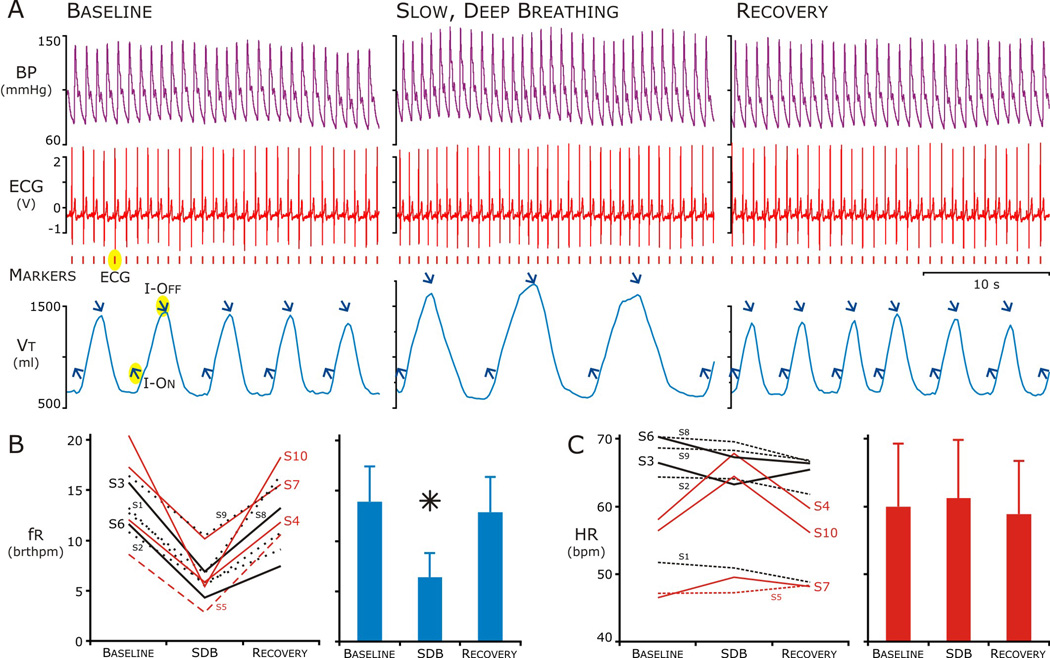
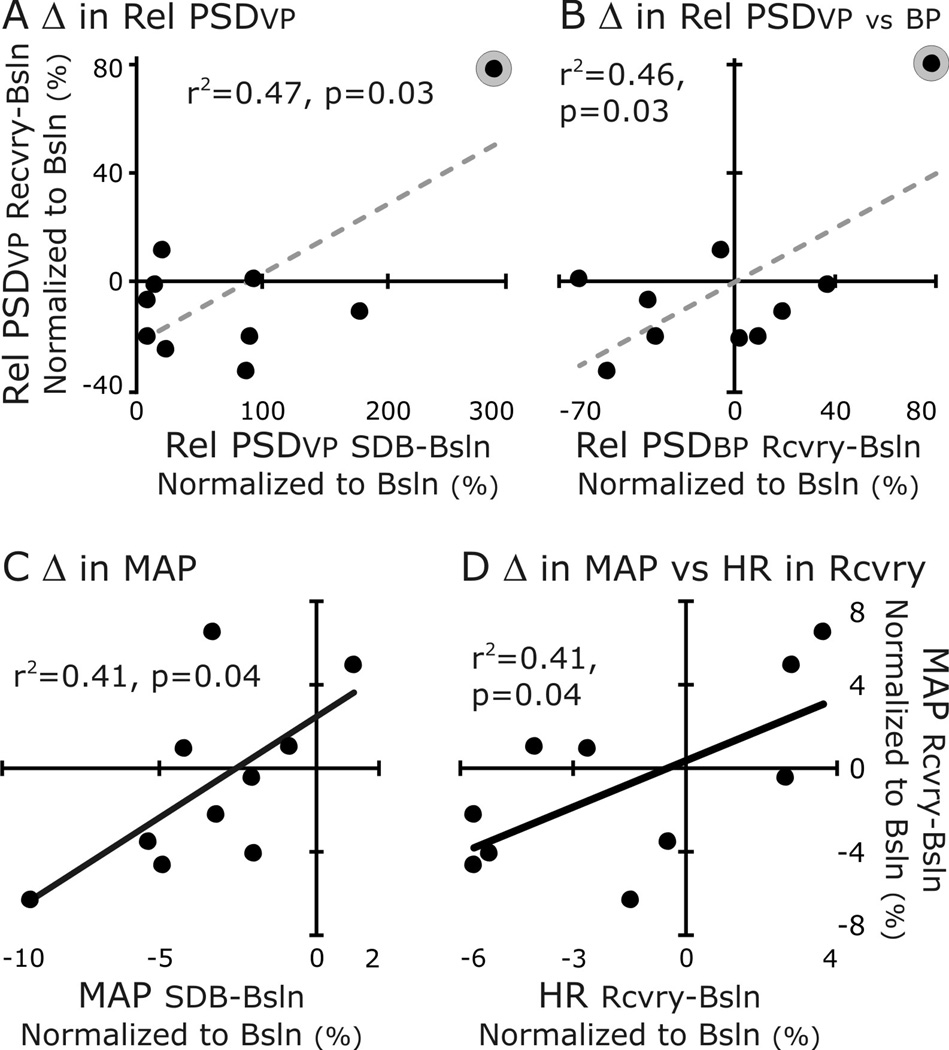
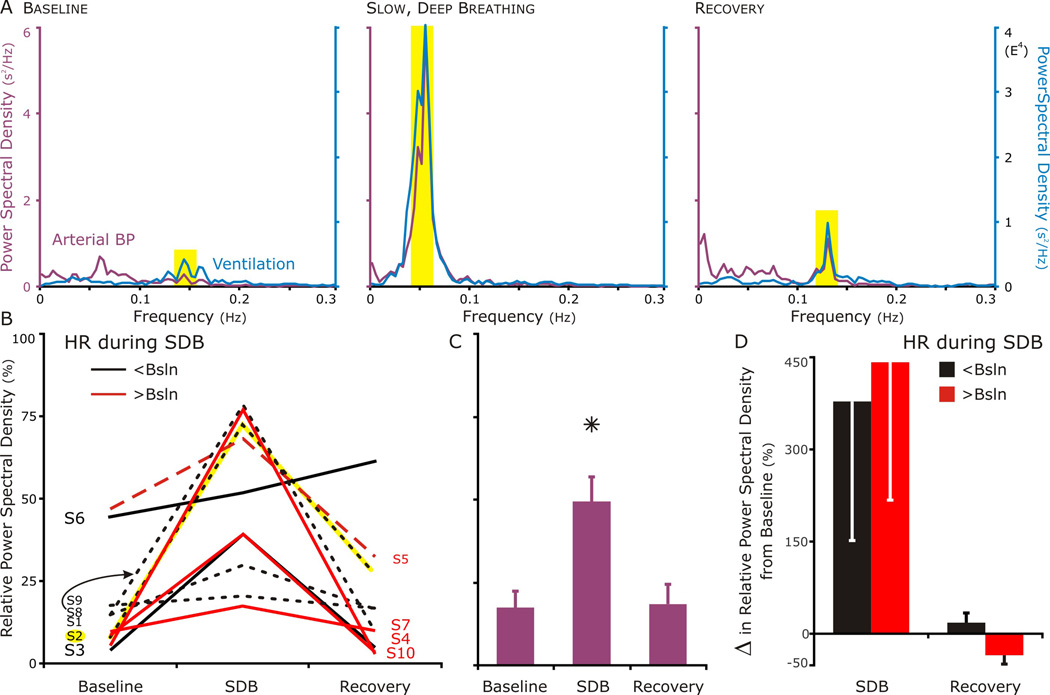
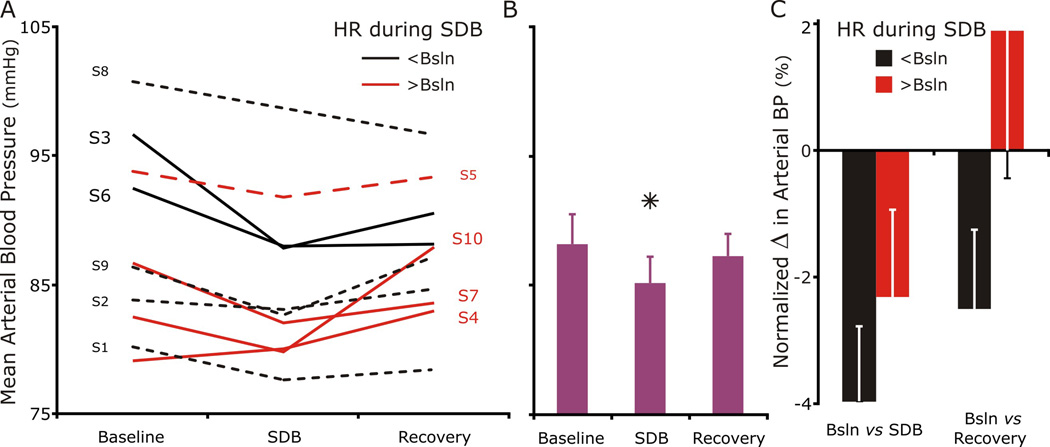
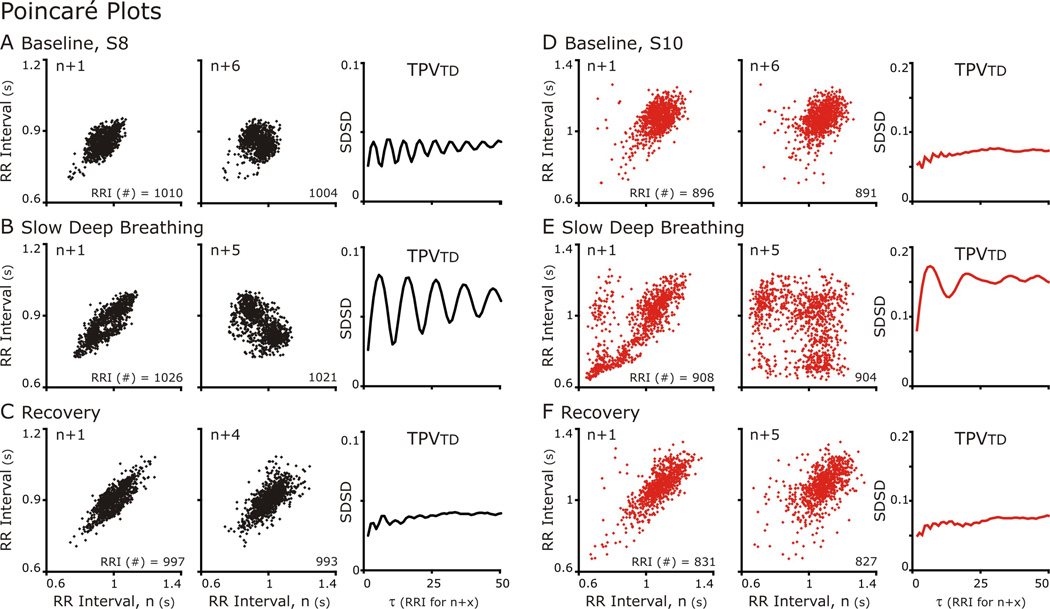
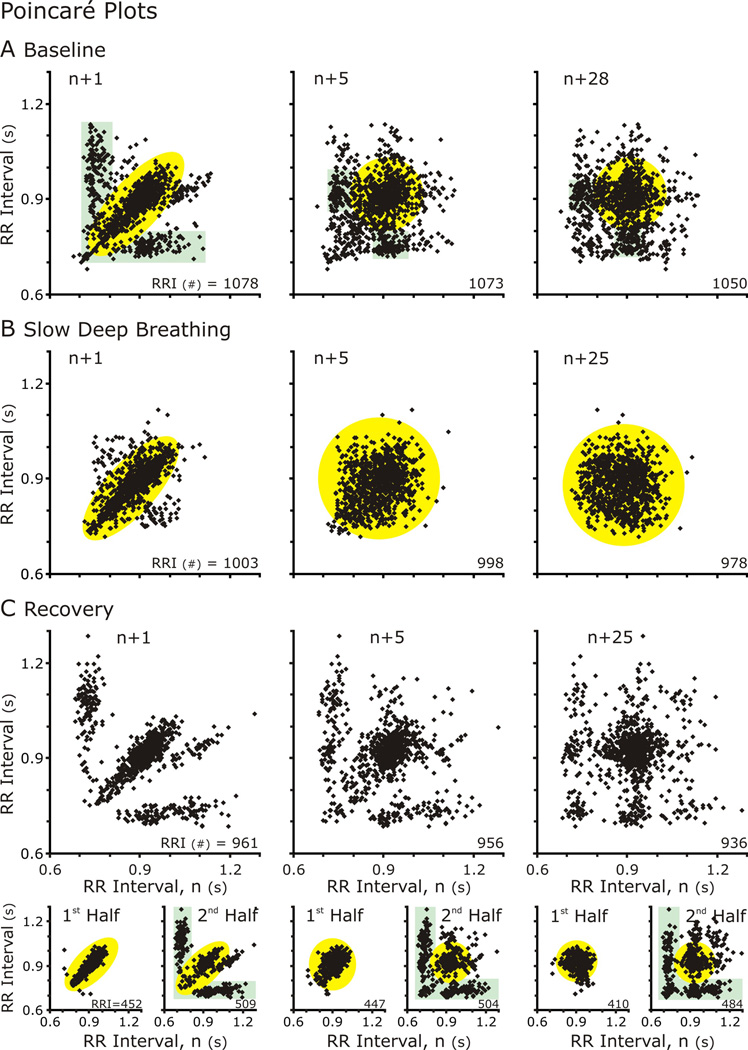
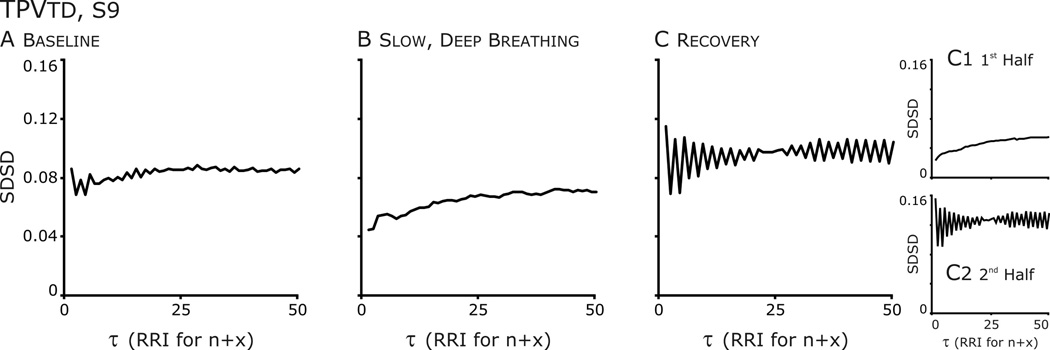
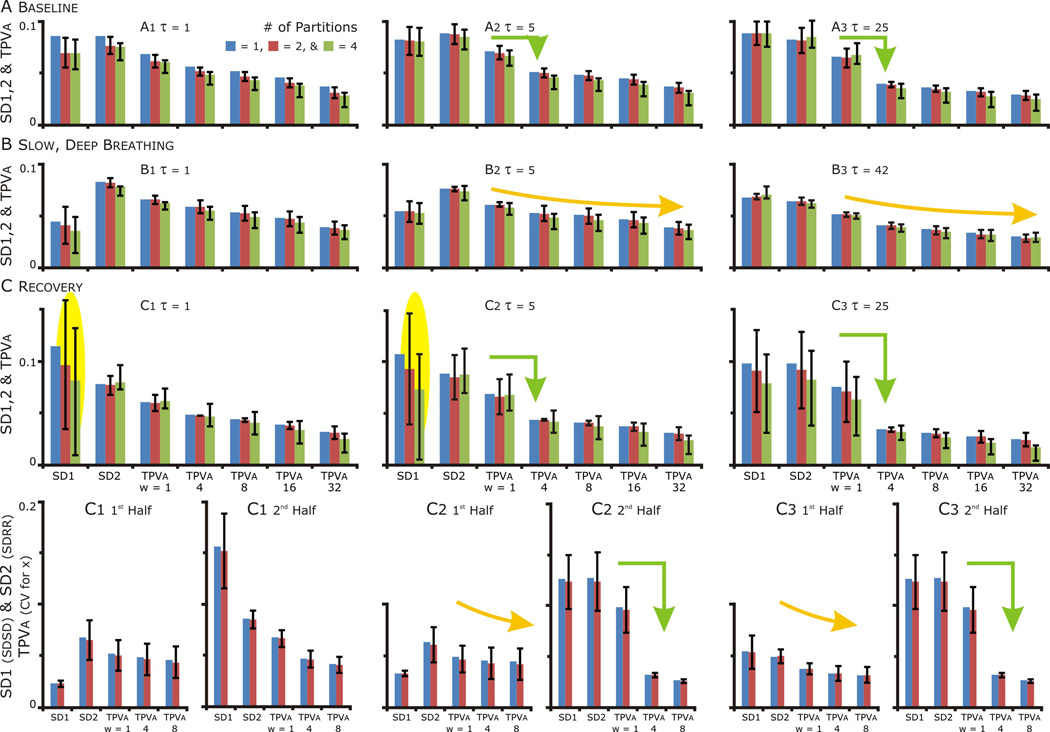
Slow deep breathing (SDB) has a therapeutic effect on autonomic tone. Our previous studies suggested that coupling of the cardiovascular to the respiratory system mediates plasticity expressed in sympathetic nerve activity. We hypothesized that SDB evokes short-term plasticity of cardiorespiratory coupling (CRC). We analyzed respiratory frequency (fR), heart rate and its variability (HR&HRV), the power spectral density (PSD) of blood pressure (BP) and the ventilatory pattern before, during, and after a 20-min epoch of SDB. During SDB, CRC and the relative PSD of BP at fR increased; mean arterial pressure decreased; but HR varied; increasing (n = 3), or decreasing (n = 2) or remaining the same (n = 5). After SDB, short-term plasticity was not apparent for the group but for individuals differences existed between baseline and recovery periods. We conclude that a repeated practice, like pranayama, may strengthen CRC and evoke short-term plasticity effectively in a subset of individuals.
慢深呼吸(SDB)对自主神经张力具有治疗作用。我们之前的研究表明,心血管系统与呼吸系统的耦合介导了交感神经活动中表现出的可塑性。我们假设SDB会引发心肺耦合(CRC)的短期可塑性。我们分析了在20分钟的SDB时段之前、期间和之后的呼吸频率(fR)、心率及其变异性(HR&HRV)、血压(BP)的功率谱密度(PSD)以及通气模式。在SDB期间,CRC以及fR时BP的相对PSD增加;平均动脉压降低;但心率有所变化,增加(n = 3)、降低(n = 2)或保持不变(n = 5)。SDB之后,该组并未表现出短期可塑性,但个体在基线期和恢复期之间存在差异。我们得出结论,像调息法这样的反复练习可能会增强CRC,并在一部分个体中有效引发短期可塑性。