Bajracharya Prati, Lu Hsiao-Ling, Pietrantonio Patricia V
Department of Entomology, Texas A&M University, College Station, Texas, United States of America.
PLoS One. 2014 Oct 13;9(10):e109590. doi: 10.1371/journal.pone.0109590. eCollection 2014.
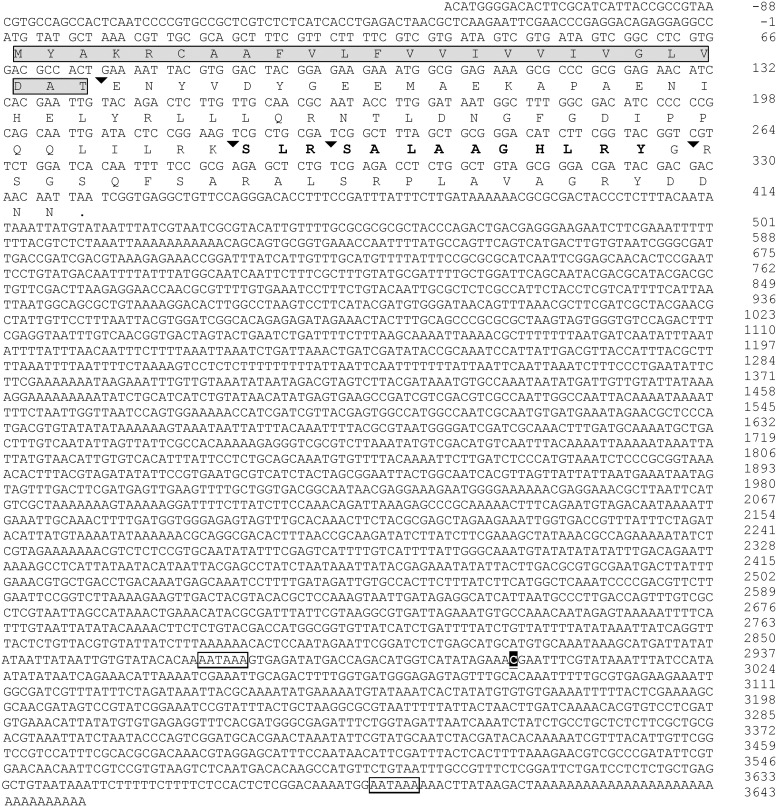
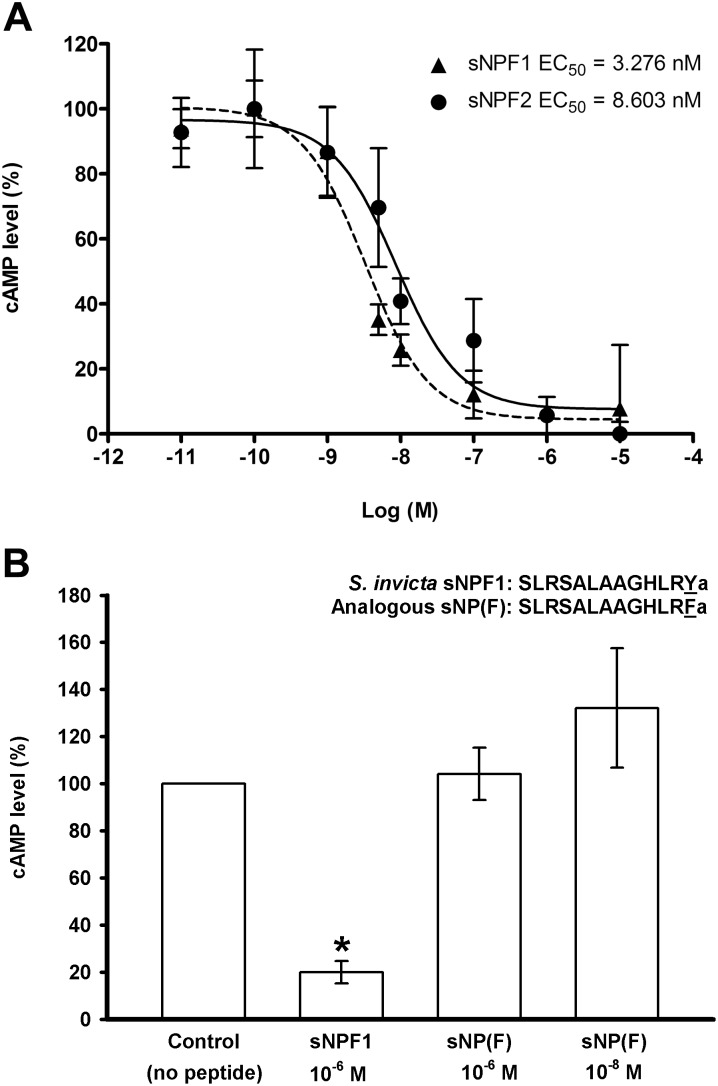
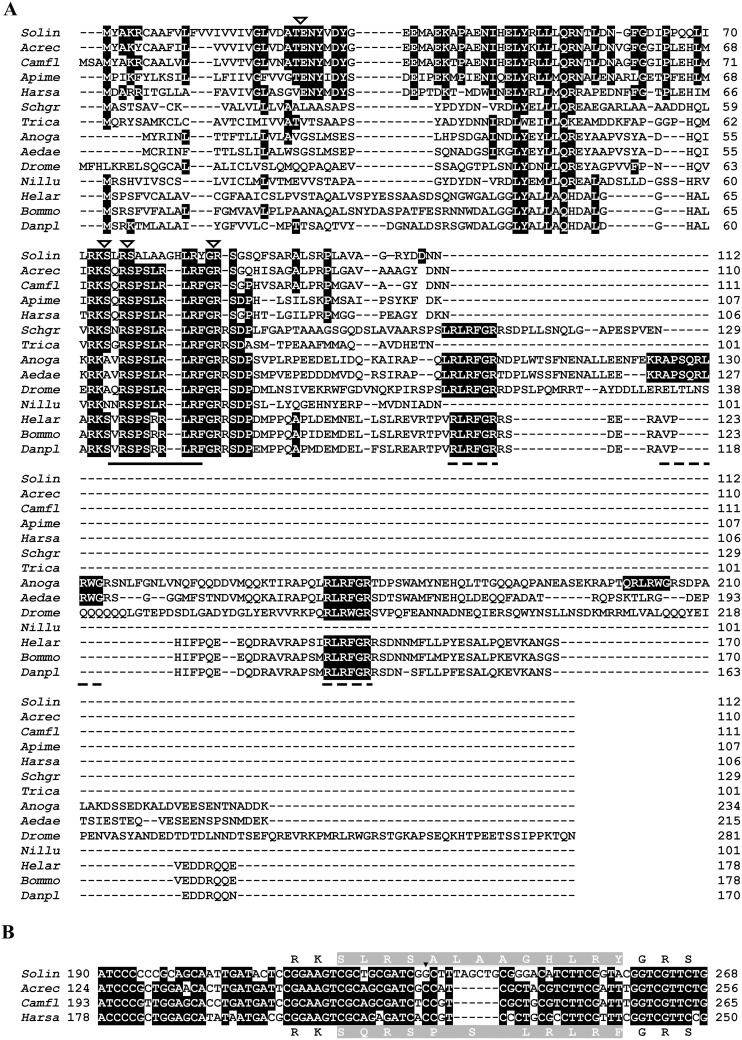
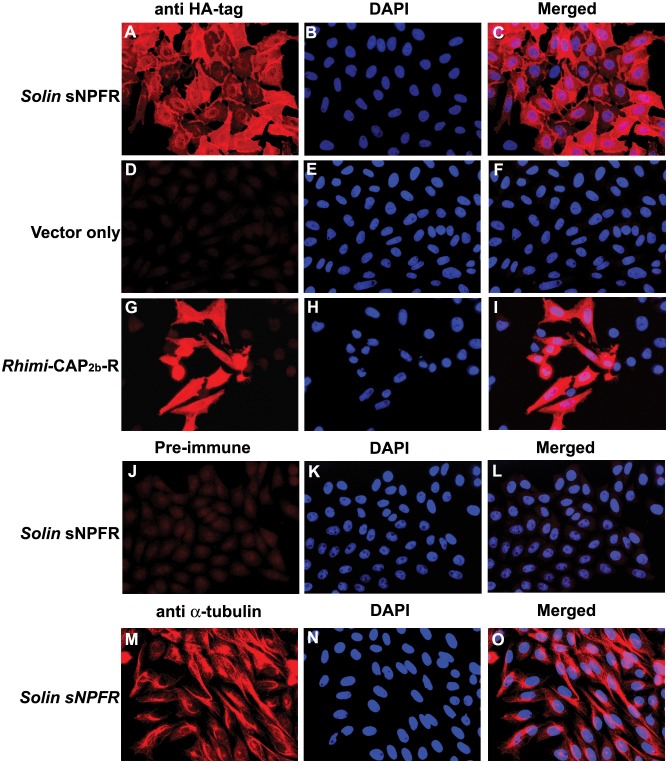
Neuropeptides and their receptors play vital roles in controlling the physiology and behavior of animals. Short neuropeptide F (sNPF) signaling regulates several physiological processes in insects such as feeding, locomotion, circadian rhythm and reproduction, among others. Previously, the red imported fire ant (Solenopsis invicta) sNPF receptor (S. invicta sNPFR), a G protein-coupled receptor, was immunolocalized in queen and worker brain and queen ovaries. Differential distribution patterns of S. invicta sNPFR protein in fire ant worker brain were associated both with worker subcastes and with presence or absence of brood in the colony. However, the cognate ligand for this sNPFR has not been characterized and attempts to deorphanize the receptor with sNPF peptides from other insect species which ended in the canonical sequence LRLRFamide, failed. Receptor deorphanization is an important step to understand the neuropeptide receptor downstream signaling cascade. We cloned the full length cDNA of the putative S. invicta sNPF prepropeptide and identified the putative "sNPF" ligand within its sequence. The peptide ends with an amidated Tyr residue whereas in other insect species sNPFs have an amidated Phe or Trp residue at the C-terminus. We stably expressed the HA-tagged S. invicta sNPFR in CHO-K1 cells. Two S. invicta sNPFs differing at their N-terminus were synthesized that equally activated the sNPFR, SLRSALAAGHLRYa (EC50 = 3.2 nM) and SALAAGHLRYa (EC50 = 8.6 nM). Both peptides decreased the intracellular cAMP concentration, indicating signaling through the Gαi-subunit. The receptor was not activated by sNPF peptides from other insect species, honey bee long NPF (NPY) or mammalian PYY. Further, a synthesized peptide otherwise identical to the fire ant sequence but in which the C-terminal amidated amino acid residue 'Y' was switched to 'F', failed to activate the sNPFR. This discovery will now allow us to investigate the function of sNPY and its cognate receptor in fire ant biology.
神经肽及其受体在控制动物的生理和行为方面发挥着至关重要的作用。短神经肽F(sNPF)信号传导调节昆虫的多种生理过程,如进食、运动、昼夜节律和繁殖等。此前,红火蚁(Solenopsis invicta)的sNPF受体(S. invicta sNPFR),一种G蛋白偶联受体,已通过免疫定位在蚁后和工蚁的大脑以及蚁后的卵巢中。红火蚁工蚁大脑中S. invicta sNPFR蛋白的差异分布模式既与工蚁的亚等级有关,也与蚁群中是否存在幼虫有关。然而,该sNPFR的同源配体尚未得到鉴定,并且尝试用来自其他昆虫物种的、以典型序列LRLRFamide结尾的sNPF肽使该受体孤儿化的努力均告失败。受体孤儿化是理解神经肽受体下游信号级联反应的重要一步。我们克隆了假定的红火蚁sNPF前体原肽的全长cDNA,并在其序列中鉴定出了假定的“sNPF”配体。该肽以酰胺化的酪氨酸残基结尾,而在其他昆虫物种中,sNPF在C末端有一个酰胺化的苯丙氨酸或色氨酸残基。我们在CHO-K1细胞中稳定表达了HA标签的红火蚁sNPFR。合成了两种在N末端不同的红火蚁sNPF,它们均能同等程度地激活sNPFR,即SLRSALAAGHLRYa(EC50 = 3.2 nM)和SALAAGHLRYa(EC50 = 8.6 nM)。这两种肽均降低了细胞内cAMP浓度,表明其通过Gαi亚基进行信号传导。该受体未被来自其他昆虫物种的sNPF肽、蜜蜂长NPF(NPY)或哺乳动物的PYY激活。此外,一种合成肽,其序列与红火蚁序列基本相同,但C末端酰胺化氨基酸残基“Y”被替换为“F”,未能激活sNPFR。这一发现现在将使我们能够研究sNPY及其同源受体在红火蚁生物学中的功能。