Dadgar Sherry, Wang Zuyi, Johnston Helen, Kesari Akanchha, Nagaraju Kanneboyina, Chen Yi-Wen, Hill D Ashley, Partridge Terence A, Giri Mamta, Freishtat Robert J, Nazarian Javad, Xuan Jianhua, Wang Yue, Hoffman Eric P
Center for Genetic Medicine Research, Children's National Medical Center, and Department of Integrative Systems Biology, George Washington University, Washington, DC 20010 Center for Genetic Medicine Research, Children's National Medical Center, and Department of Integrative Systems Biology, George Washington University, Washington, DC 20010.
The Bradley Department of Electrical and Computer Engineering, Virginia Polytechnic Institute and State University, Arlington, VA 24061.
J Cell Biol. 2014 Oct 13;207(1):139-58. doi: 10.1083/jcb.201402079.
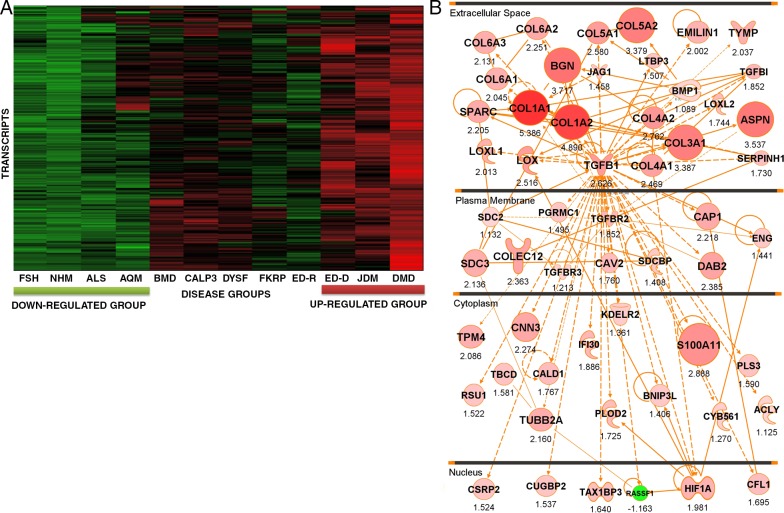
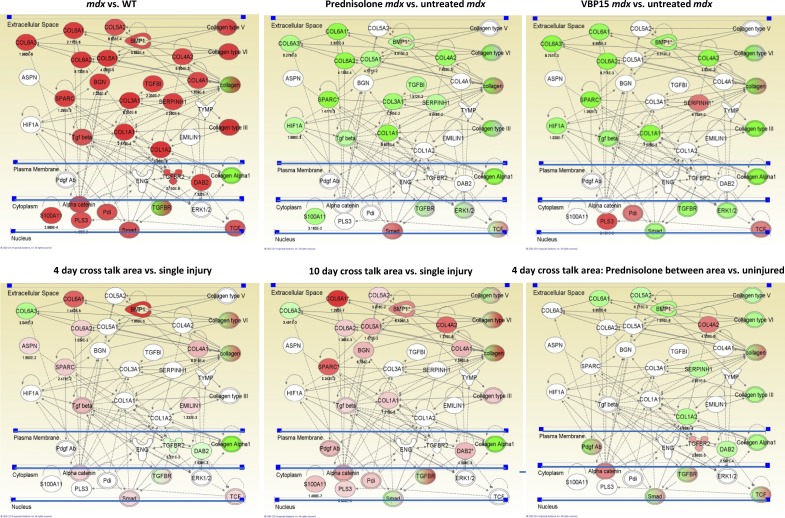
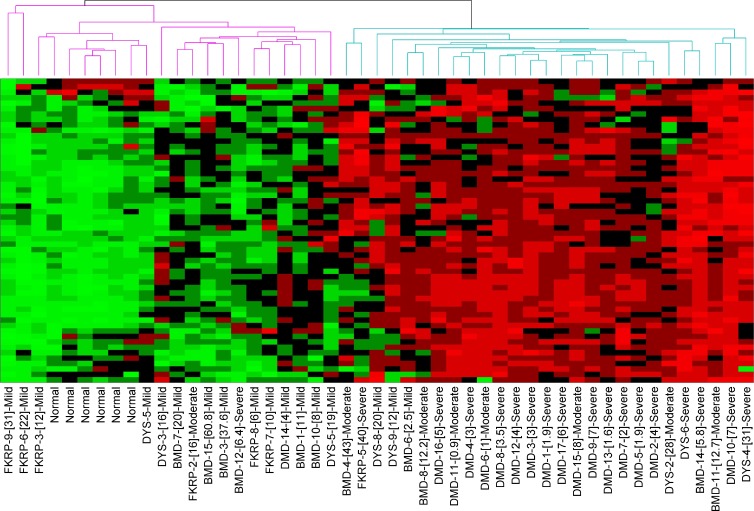
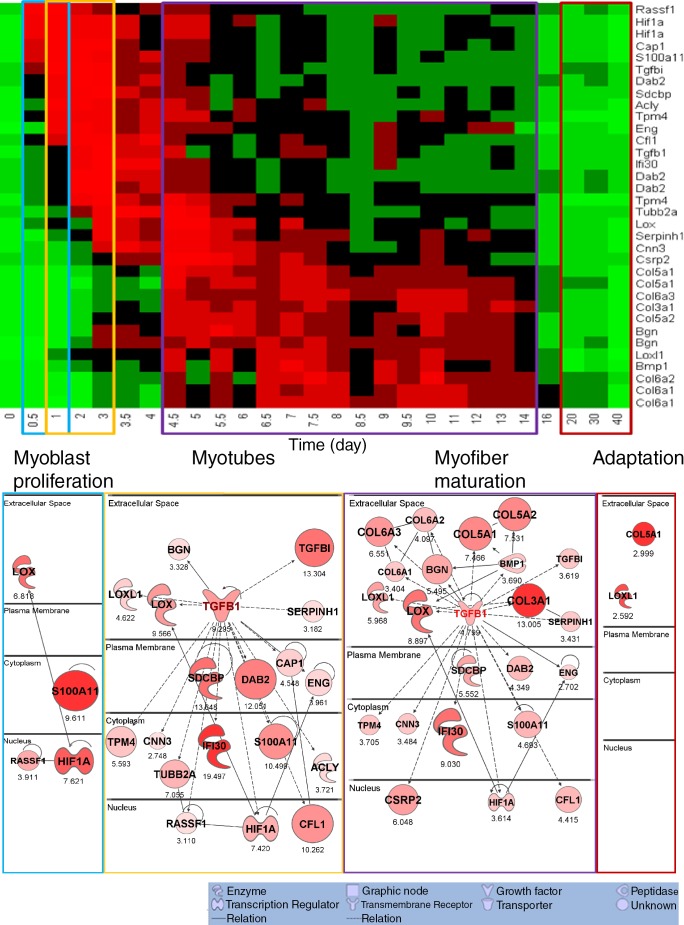
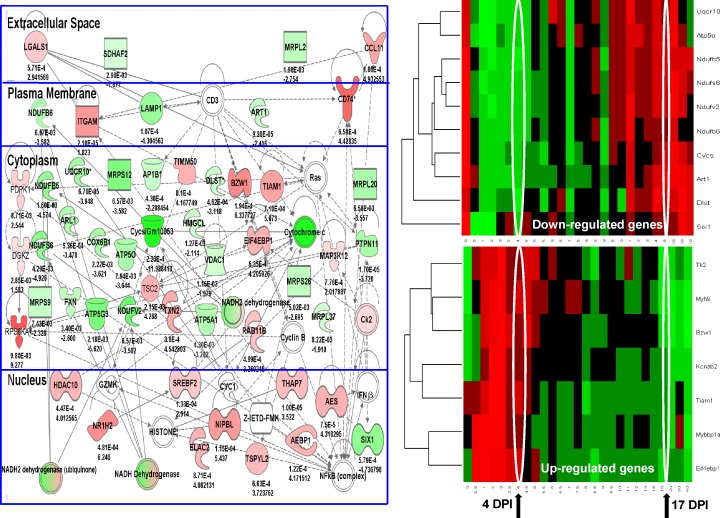
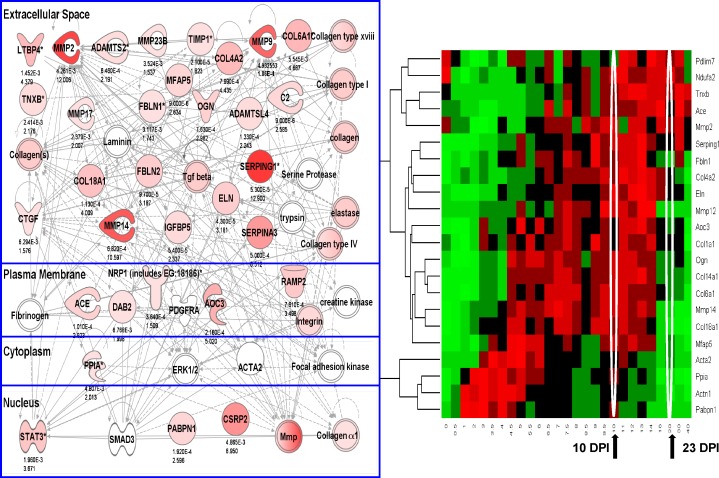
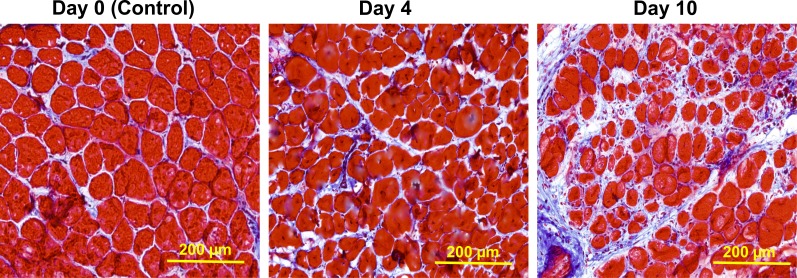
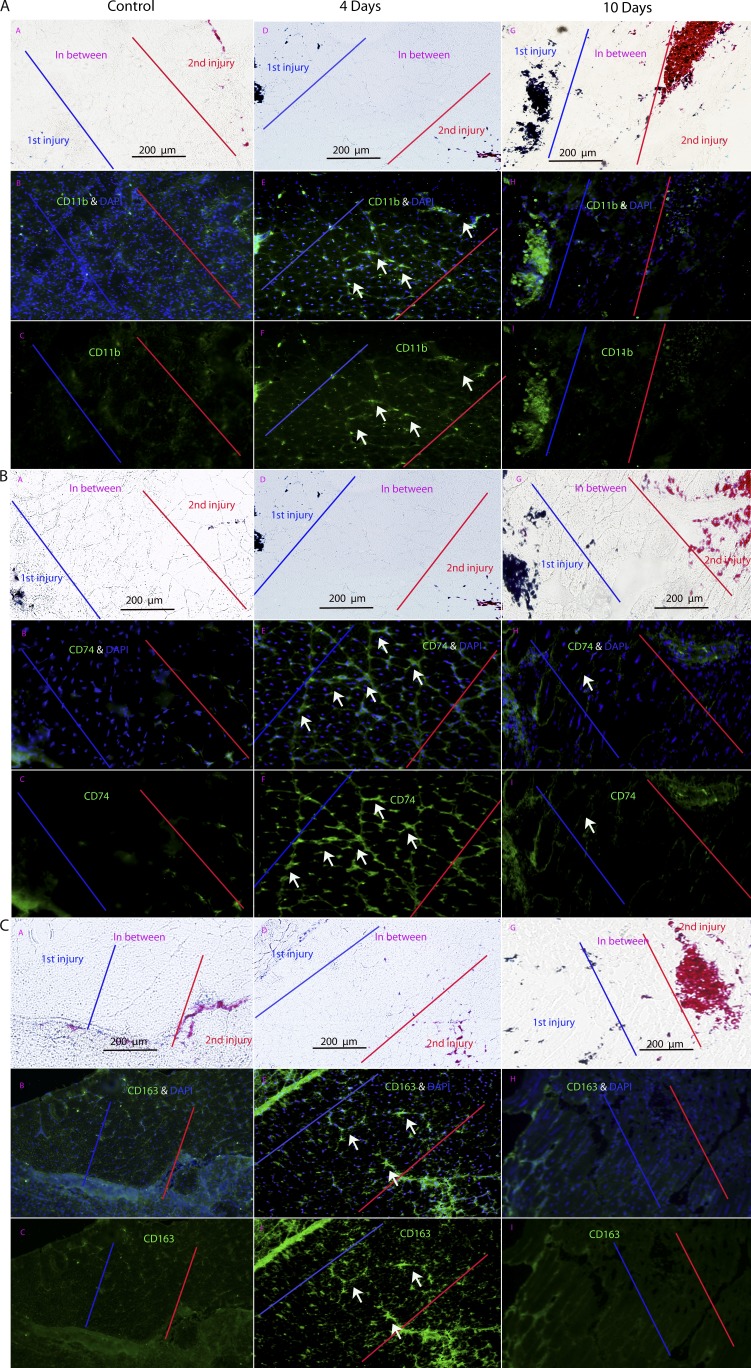
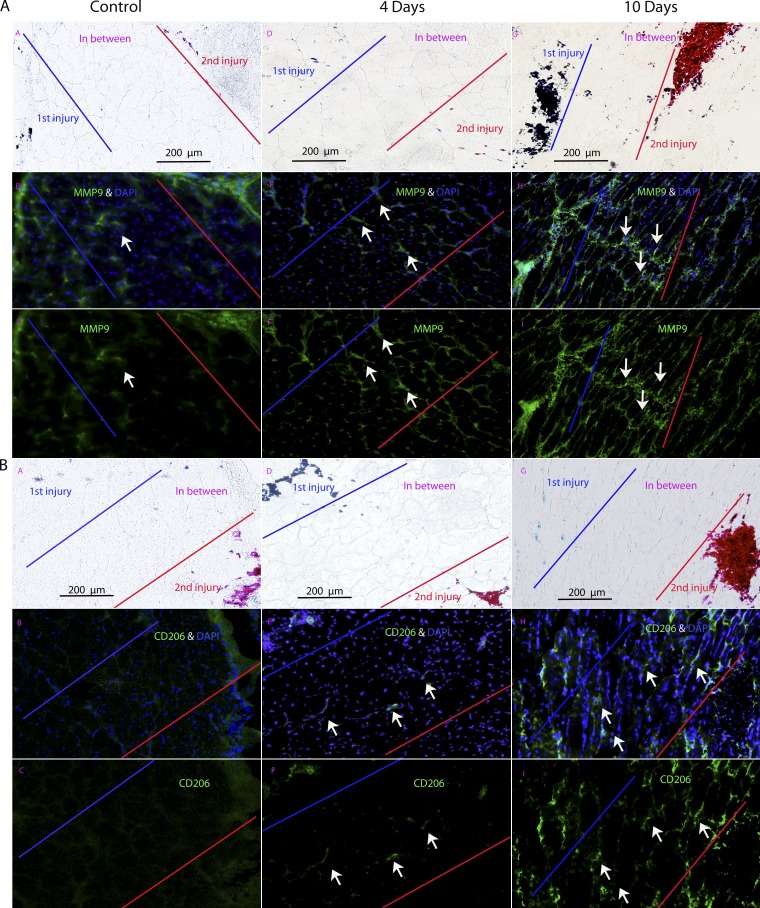
We sought to determine the mechanisms underlying failure of muscle regeneration that is observed in dystrophic muscle through hypothesis generation using muscle profiling data (human dystrophy and murine regeneration). We found that transforming growth factor β-centered networks strongly associated with pathological fibrosis and failed regeneration were also induced during normal regeneration but at distinct time points. We hypothesized that asynchronously regenerating microenvironments are an underlying driver of fibrosis and failed regeneration. We validated this hypothesis using an experimental model of focal asynchronous bouts of muscle regeneration in wild-type (WT) mice. A chronic inflammatory state and reduced mitochondrial oxidative capacity are observed in bouts separated by 4 d, whereas a chronic profibrotic state was seen in bouts separated by 10 d. Treatment of asynchronously remodeling WT muscle with either prednisone or VBP15 mitigated the molecular phenotype. Our asynchronous regeneration model for pathological fibrosis and muscle wasting in the muscular dystrophies is likely generalizable to tissue failure in chronic inflammatory states in other regenerative tissues.
我们试图通过利用肌肉分析数据(人类营养不良和小鼠再生)生成假设,来确定在营养不良性肌肉中观察到的肌肉再生失败的潜在机制。我们发现,在正常再生过程中也会诱导以转化生长因子β为中心的网络,这些网络与病理性纤维化和再生失败密切相关,但发生在不同的时间点。我们假设,异步再生的微环境是纤维化和再生失败的潜在驱动因素。我们使用野生型(WT)小鼠局部异步肌肉再生的实验模型验证了这一假设。在间隔4天的再生周期中观察到慢性炎症状态和线粒体氧化能力降低,而在间隔10天的再生周期中则出现慢性促纤维化状态。用泼尼松或VBP15治疗异步重塑的WT肌肉可减轻分子表型。我们建立的用于研究肌肉营养不良中病理性纤维化和肌肉萎缩的异步再生模型,可能适用于其他再生组织慢性炎症状态下的组织衰竭。