Division of Pediatric Pathology, Department of Pathology and Laboratory Medicine and Neuroscience Research Center, Medical College of Wisconsin, Milwaukee, WI 53226, USA.
Department of Physiology, Medical College of Wisconsin, Milwaukee, WI 53226, USA.
Biol Open. 2024 Sep 15;13(9). doi: 10.1242/bio.060542. Epub 2024 Sep 5.
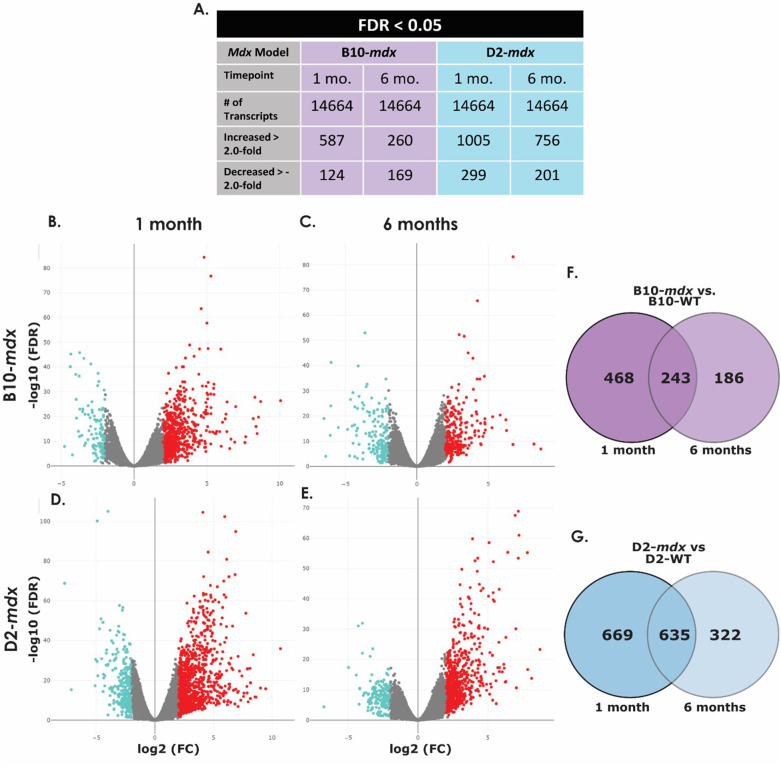
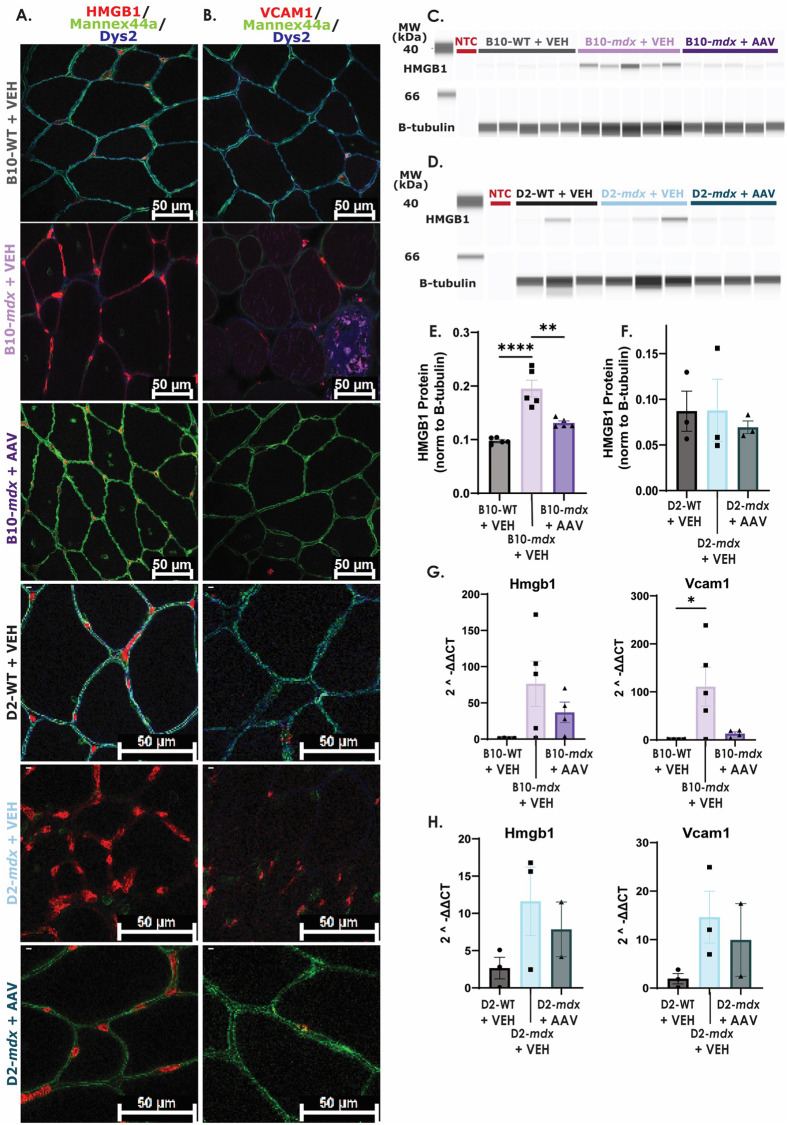
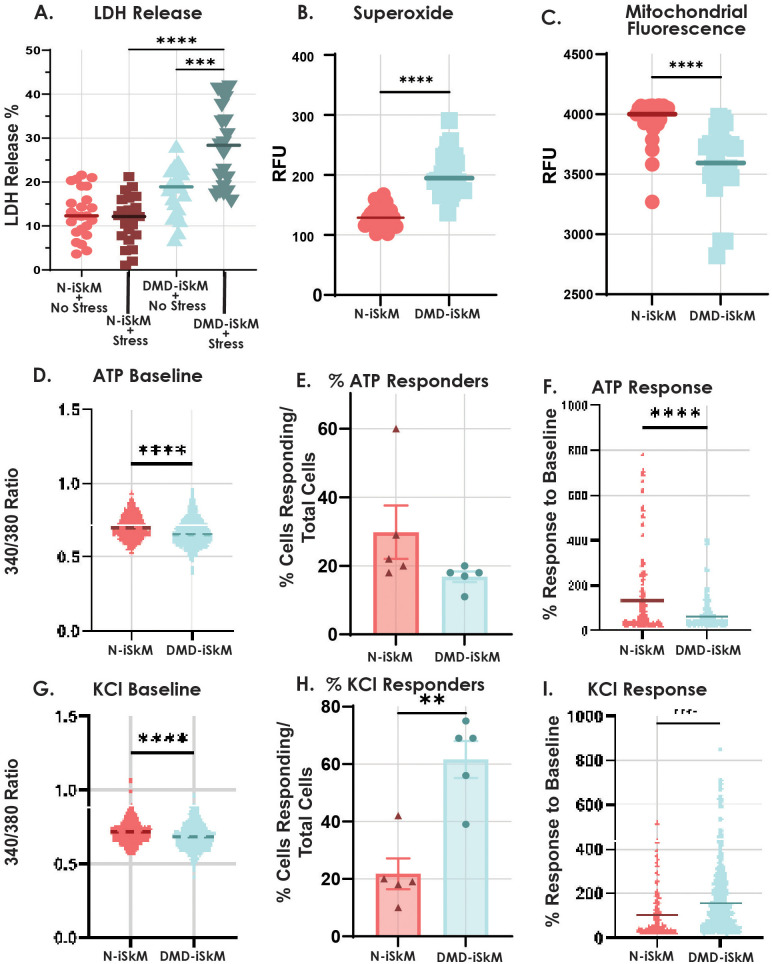
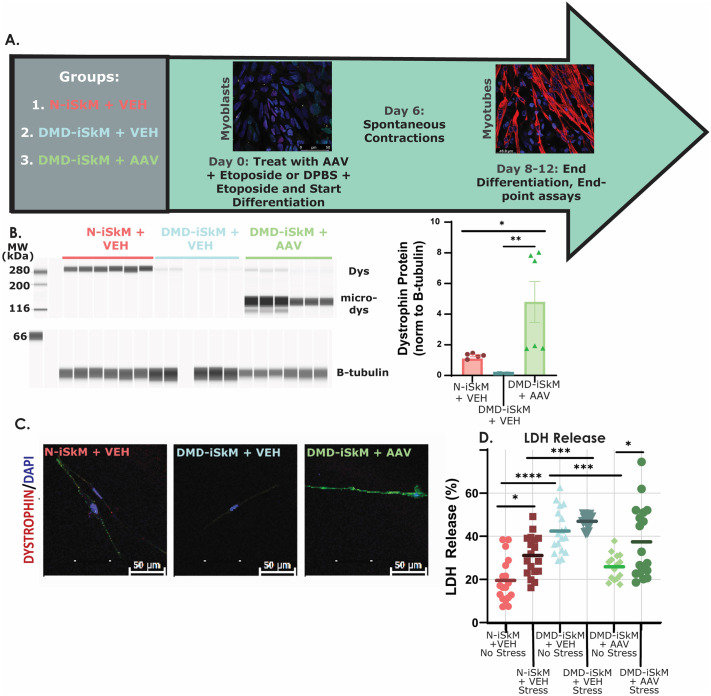
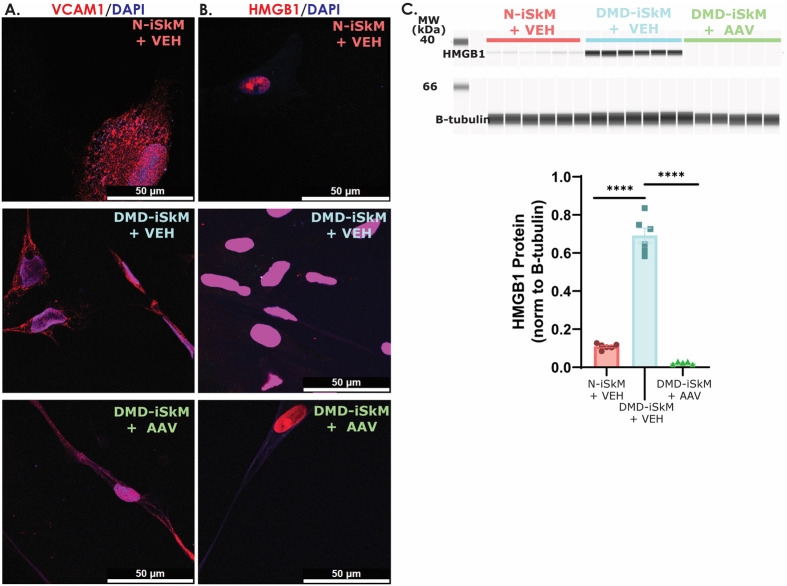
Duchenne muscular dystrophy (DMD) is a progressive muscle wasting disorder affecting 1:3500 male births and is associated with myofiber degeneration, regeneration, and inflammation. Glucocorticoid treatments have been the standard of care due to immunomodulatory/immunosuppressive properties but novel genetic approaches, including exon skipping and gene replacement therapy, are currently being developed. The identification of additional biomarkers to assess DMD-related inflammatory responses and the potential efficacy of these therapeutic approaches are thus of critical importance. The current study uses RNA sequencing of skeletal muscle from two mdx mouse models to identify high mobility group box 1 (HMGB1) as a candidate biomarker potentially contributing to DMD-related inflammation. HMGB1 protein content was increased in a human iPSC-derived skeletal myocyte model of DMD and microdystrophin treatment decreased HMGB1 back to control levels. In vivo, HMGB1 protein levels were increased in vehicle treated B10-mdx skeletal muscle compared to B10-WT and significantly decreased in B10-mdx animals treated with adeno-associated virus (AAV)-microdystrophin. However, HMGB1 protein levels were not increased in D2-mdx skeletal muscle compared to D2-WT, demonstrating a strain-specific difference in DMD-related immunopathology.
杜氏肌营养不良症(DMD)是一种进行性肌肉消耗疾病,影响每 3500 名男性新生儿,与肌纤维变性、再生和炎症有关。由于具有免疫调节/免疫抑制特性,糖皮质激素治疗一直是标准的治疗方法,但目前正在开发新的基因治疗方法,包括外显子跳跃和基因替代疗法。因此,确定其他生物标志物来评估 DMD 相关炎症反应以及这些治疗方法的潜在疗效至关重要。本研究使用来自两个 mdx 小鼠模型的骨骼肌 RNA 测序来鉴定高迁移率族蛋白 B1(HMGB1)作为潜在导致 DMD 相关炎症的候选生物标志物。在 DMD 的人诱导多能干细胞衍生骨骼肌细胞模型中,HMGB1 蛋白含量增加,而微肌营养不良蛋白治疗可将 HMGB1 降低至对照水平。在体内,与 B10-WT 相比,载体处理的 B10-mdx 骨骼肌中的 HMGB1 蛋白水平增加,而用腺相关病毒(AAV)-微肌营养不良蛋白治疗的 B10-mdx 动物中的 HMGB1 蛋白水平显著降低。然而,与 D2-WT 相比,D2-mdx 骨骼肌中的 HMGB1 蛋白水平没有增加,表明 DMD 相关免疫病理学存在种系特异性差异。