Lahiri Sujoy, Chao Jesse T, Tavassoli Shabnam, Wong Andrew K O, Choudhary Vineet, Young Barry P, Loewen Christopher J R, Prinz William A
Laboratory of Cell and Molecular Biology, National Institute of Diabetes and Digestive and Kidney Diseases, National Institutes of Health, Bethesda, Maryland, United States of America.
Department of Cellular and Physiological Sciences, Life Sciences Institute, University of British Columbia, Vancouver, British Columbia, Canada.
PLoS Biol. 2014 Oct 14;12(10):e1001969. doi: 10.1371/journal.pbio.1001969. eCollection 2014 Oct.
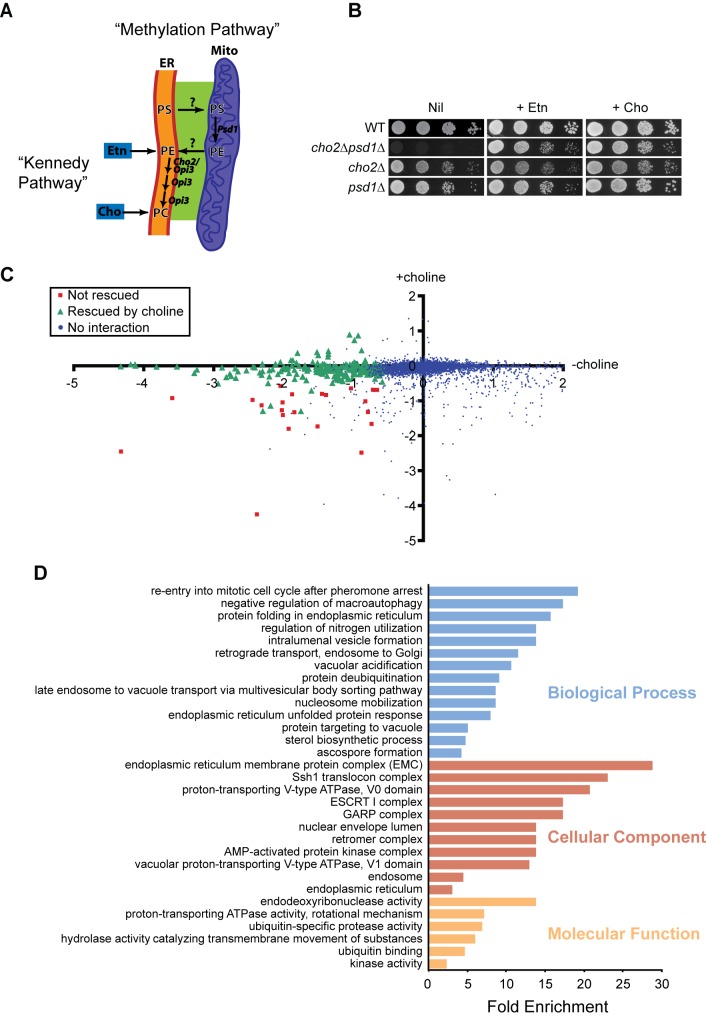
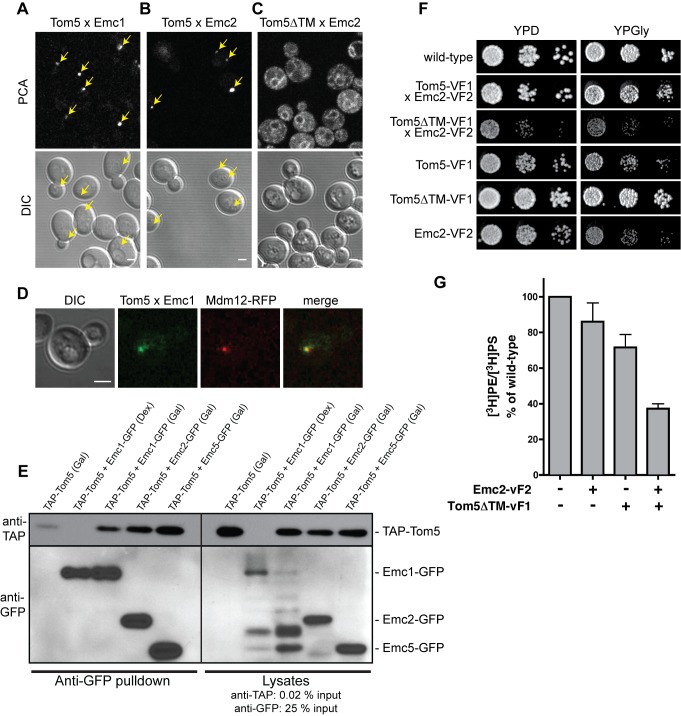
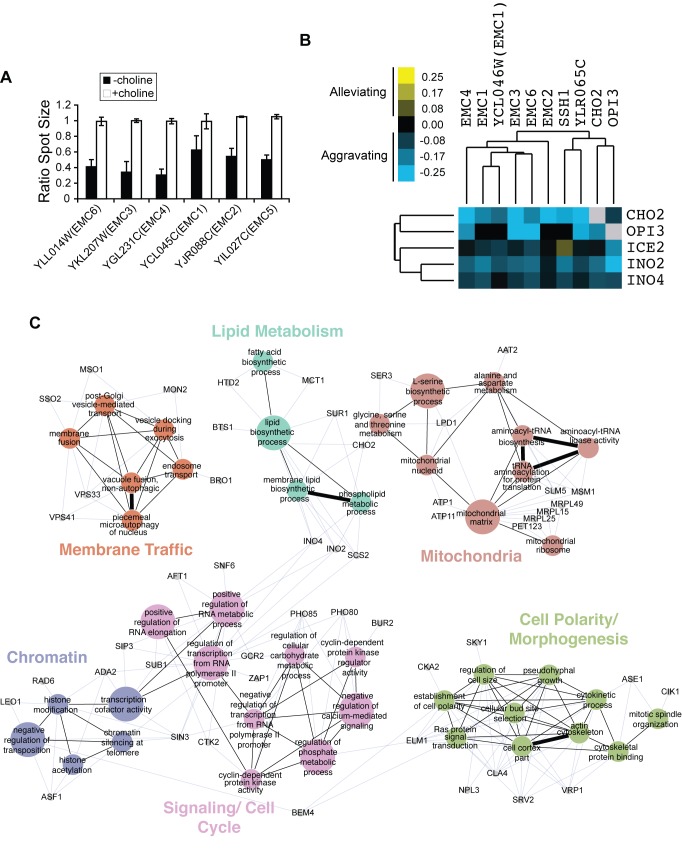
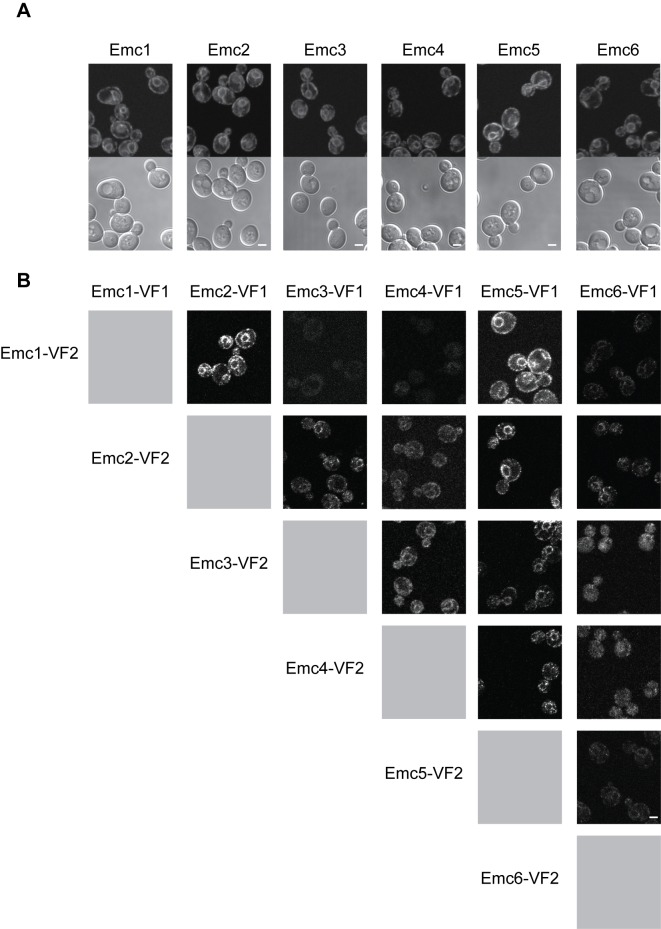
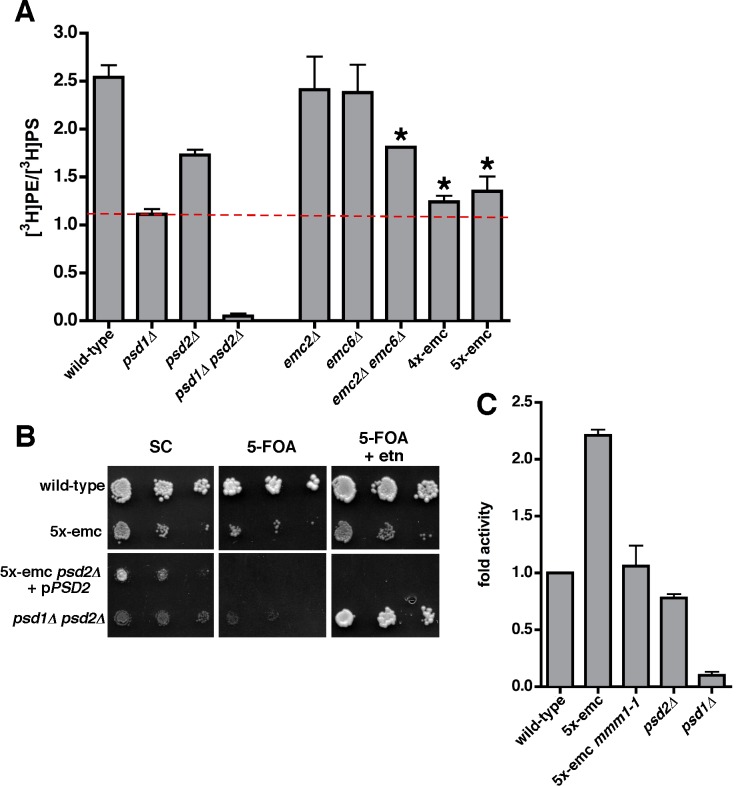
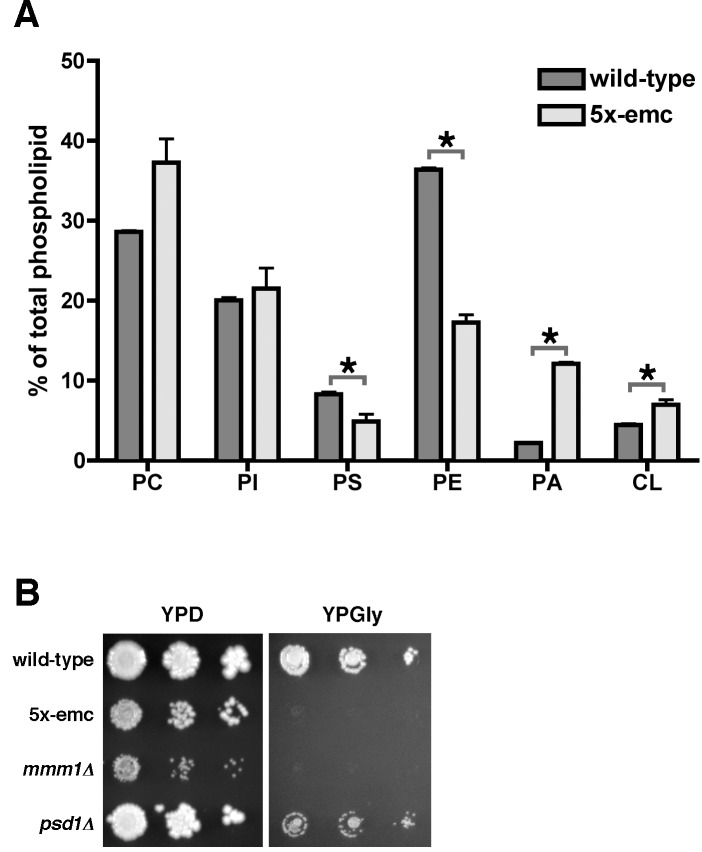
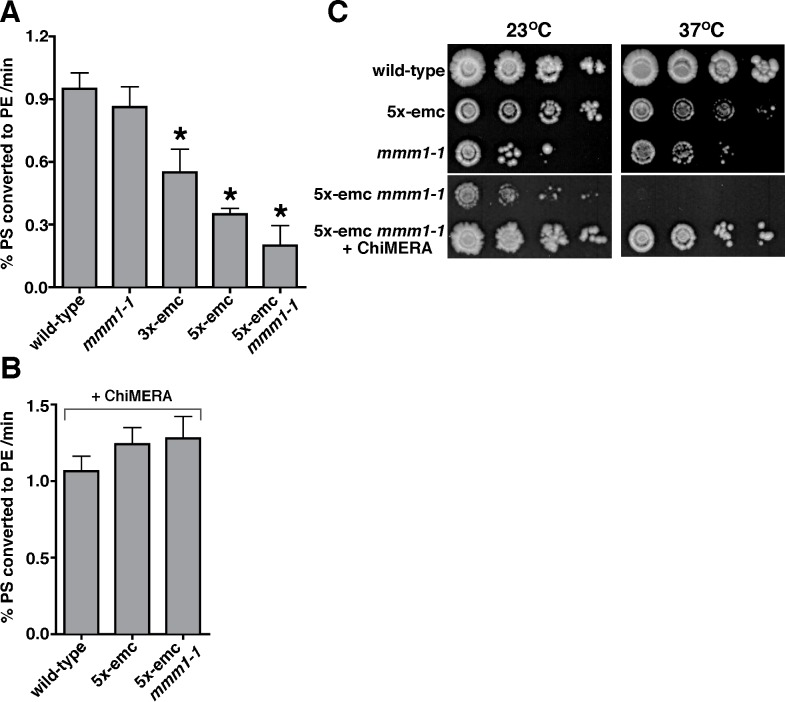
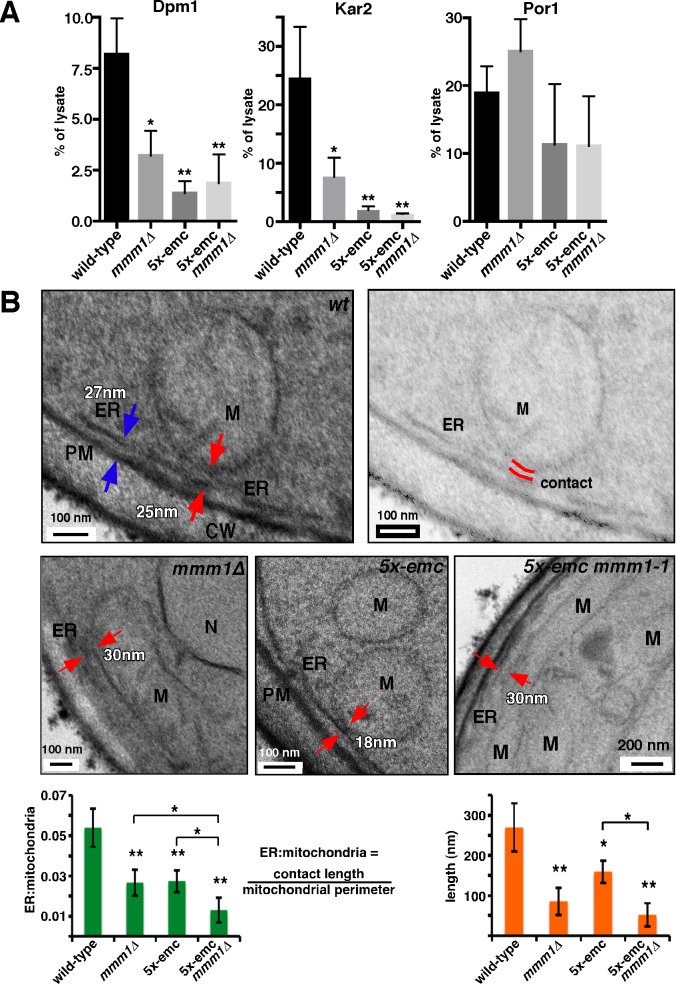
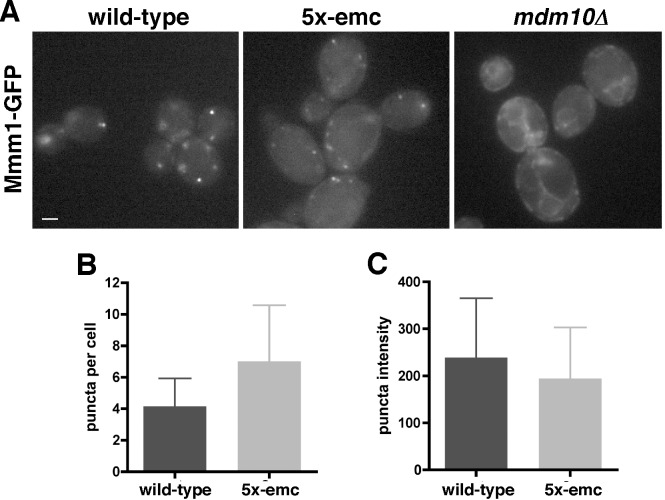
Mitochondrial membrane biogenesis and lipid metabolism require phospholipid transfer from the endoplasmic reticulum (ER) to mitochondria. Transfer is thought to occur at regions of close contact of these organelles and to be nonvesicular, but the mechanism is not known. Here we used a novel genetic screen in S. cerevisiae to identify mutants with defects in lipid exchange between the ER and mitochondria. We show that a strain missing multiple components of the conserved ER membrane protein complex (EMC) has decreased phosphatidylserine (PS) transfer from the ER to mitochondria. Mitochondria from this strain have significantly reduced levels of PS and its derivative phosphatidylethanolamine (PE). Cells lacking EMC proteins and the ER-mitochondria tethering complex called ERMES (the ER-mitochondria encounter structure) are inviable, suggesting that the EMC also functions as a tether. These defects are corrected by expression of an engineered ER-mitochondrial tethering protein that artificially tethers the ER to mitochondria. EMC mutants have a significant reduction in the amount of ER tethered to mitochondria even though ERMES remained intact in these mutants, suggesting that the EMC performs an additional tethering function to ERMES. We find that all Emc proteins interact with the mitochondrial translocase of the outer membrane (TOM) complex protein Tom5 and this interaction is important for PS transfer and cell growth, suggesting that the EMC forms a tether by associating with the TOM complex. Together, our findings support that the EMC tethers ER to mitochondria, which is required for phospholipid synthesis and cell growth.
线粒体膜生物合成和脂质代谢需要磷脂从内质网(ER)转移至线粒体。据认为,这种转移发生在这些细胞器紧密接触的区域,且是非囊泡性的,但具体机制尚不清楚。在此,我们利用酿酒酵母中的一种新型遗传筛选方法,来鉴定在内质网与线粒体之间脂质交换存在缺陷的突变体。我们发现,缺失保守内质网膜蛋白复合物(EMC)多个组分的菌株,从内质网到线粒体的磷脂酰丝氨酸(PS)转移减少。该菌株的线粒体中PS及其衍生物磷脂酰乙醇胺(PE)的水平显著降低。缺乏EMC蛋白和一种名为ERMES(内质网 - 线粒体相遇结构)的内质网 - 线粒体连接复合物的细胞无法存活,这表明EMC也起到连接作用。通过表达一种人工将内质网与线粒体连接的工程化内质网 - 线粒体连接蛋白,可以纠正这些缺陷。EMC突变体中线粒体连接的内质网量显著减少,尽管这些突变体中的ERMES保持完整,这表明EMC对ERMES执行了额外的连接功能。我们发现所有的Emc蛋白都与外膜线粒体转位酶(TOM)复合物蛋白Tom5相互作用,这种相互作用对于PS转移和细胞生长很重要,这表明EMC通过与TOM复合物结合形成连接。总之,我们的研究结果支持EMC将内质网连接到线粒体,这是磷脂合成和细胞生长所必需的。