Davis Ryan J, Welcker Markus, Clurman Bruce E
Clinical Research and Human Biology Divisions, Fred Hutchinson Cancer Research Center, Seattle, WA 98109, USA; Molecular and Cellular Biology Program, University of Washington, Seattle, WA 98195, USA.
Clinical Research and Human Biology Divisions, Fred Hutchinson Cancer Research Center, Seattle, WA 98109, USA.
Cancer Cell. 2014 Oct 13;26(4):455-64. doi: 10.1016/j.ccell.2014.09.013.
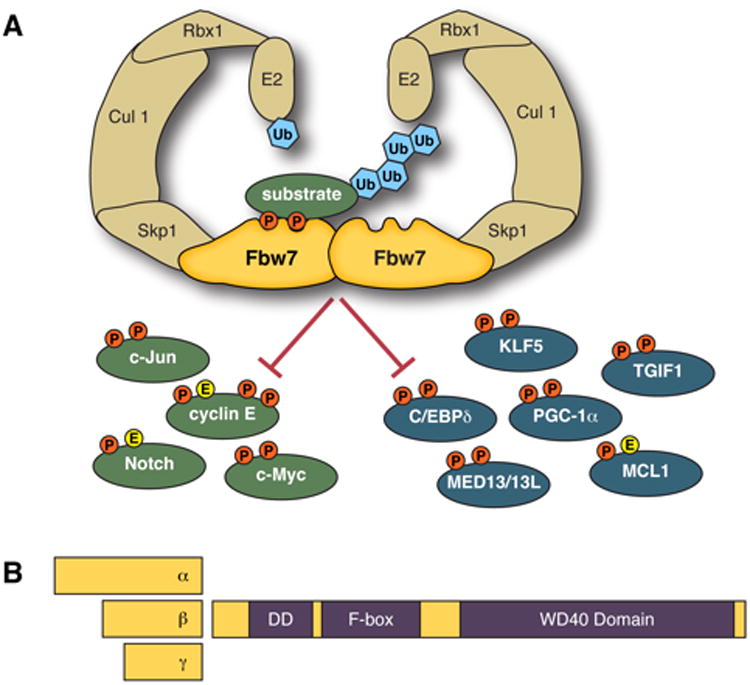
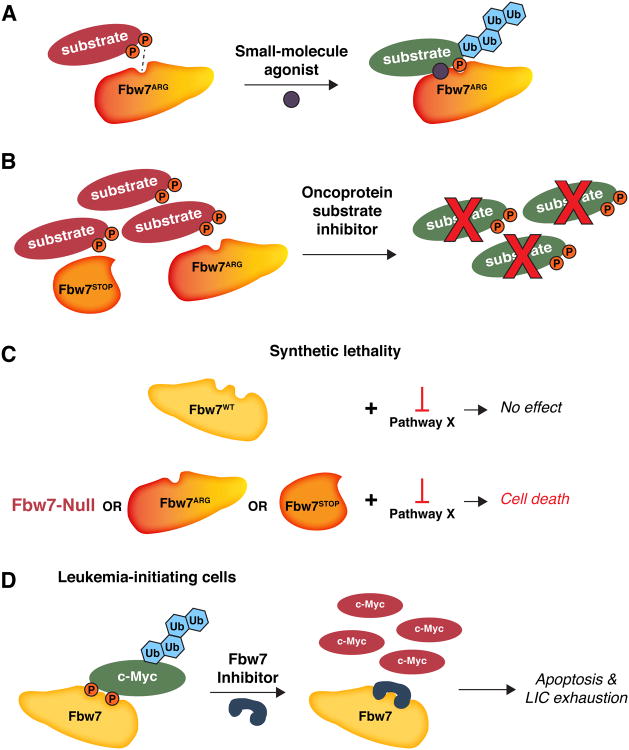
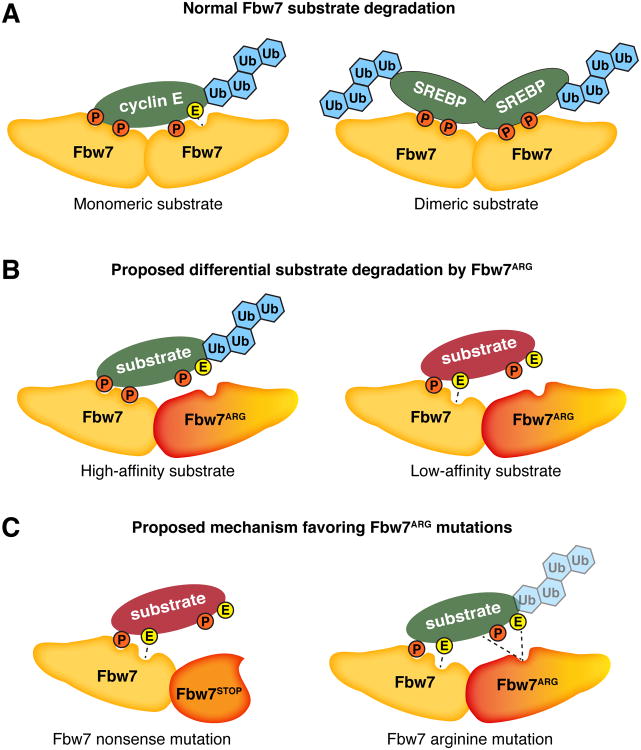
Tumor suppressors with widespread impact on carcinogenesis control broad spectra of oncogenic pathways. Protein degradation is an emerging mechanism by which tumor suppressors regulate a diversity of pathways and is exemplified by the SCF(Fbw7) ubiquitin ligase. Rapidly accumulating data indicate that SCF(Fbw7) regulates a network of crucial oncoproteins. Importantly, the FBXW7 gene, which encodes Fbw7, is one of the most frequently mutated genes in human cancers. These studies are yielding important new insights into tumorigenesis and may soon enable therapies targeting the Fbw7 pathway. Here, we focus on the mechanisms and consequences of Fbw7 deregulation in cancers and discuss possible therapeutic approaches.
对癌症发生具有广泛影响的肿瘤抑制因子可调控广泛的致癌途径。蛋白质降解是肿瘤抑制因子调控多种途径的一种新出现的机制,SCF(Fbw7)泛素连接酶就是一个例子。迅速积累的数据表明,SCF(Fbw7)调控着一个关键癌蛋白网络。重要的是,编码Fbw7的FBXW7基因是人类癌症中最常发生突变的基因之一。这些研究正在为肿瘤发生提供重要的新见解,并且可能很快就能实现针对Fbw7途径的治疗。在这里,我们重点关注癌症中Fbw7失调的机制和后果,并讨论可能的治疗方法。