
两阶段厌氧消化工艺前废活性污泥的混合碱-流体动力破碎
Hybrid alkali-hydrodynamic disintegration of waste-activated sludge before two-stage anaerobic digestion process.
作者信息
Grübel Klaudiusz, Suschka Jan
机构信息
Faculty of Materials and Environmental Sciences, Institute of Environmental Protection and Engineering, University of Bielsko-Biala, Willowa 2 Str., 43-309, Bielsko-Biala, Poland,
出版信息
Environ Sci Pollut Res Int. 2015 May;22(10):7258-70. doi: 10.1007/s11356-014-3705-y. Epub 2014 Oct 16.
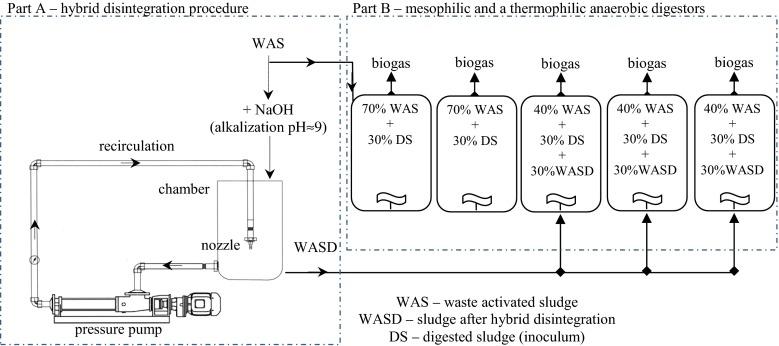
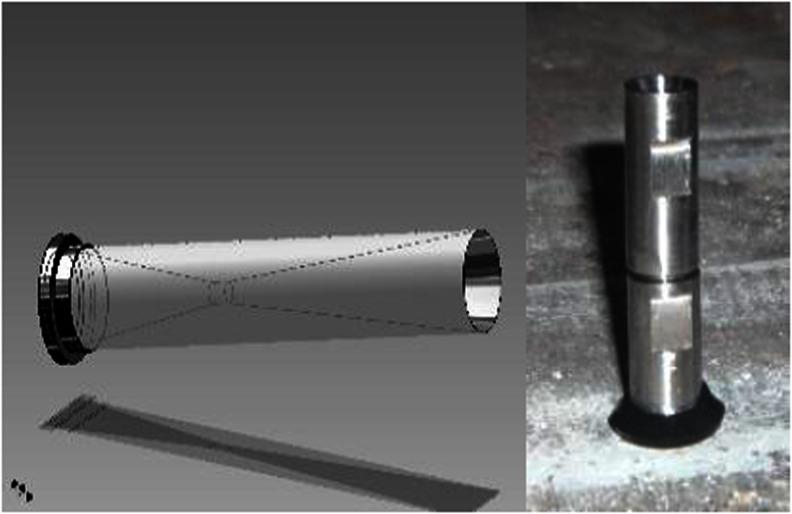
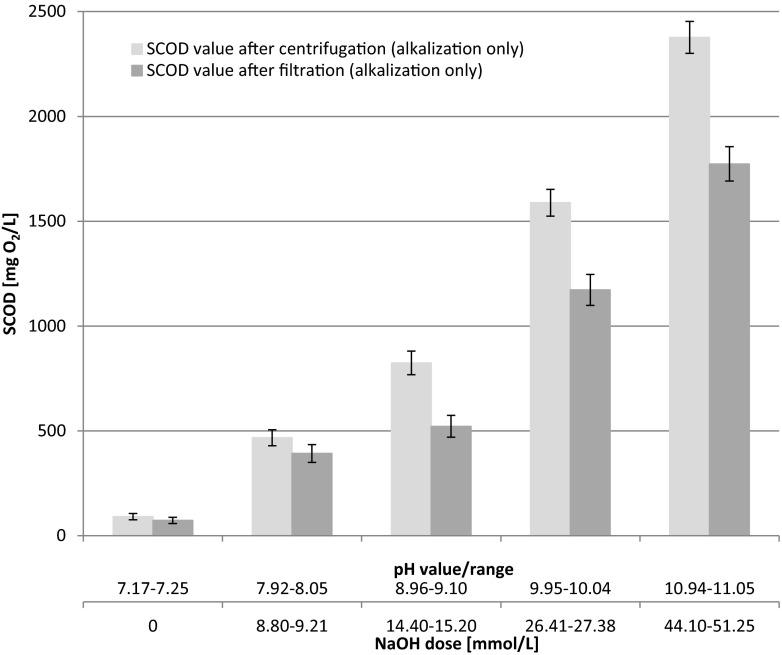
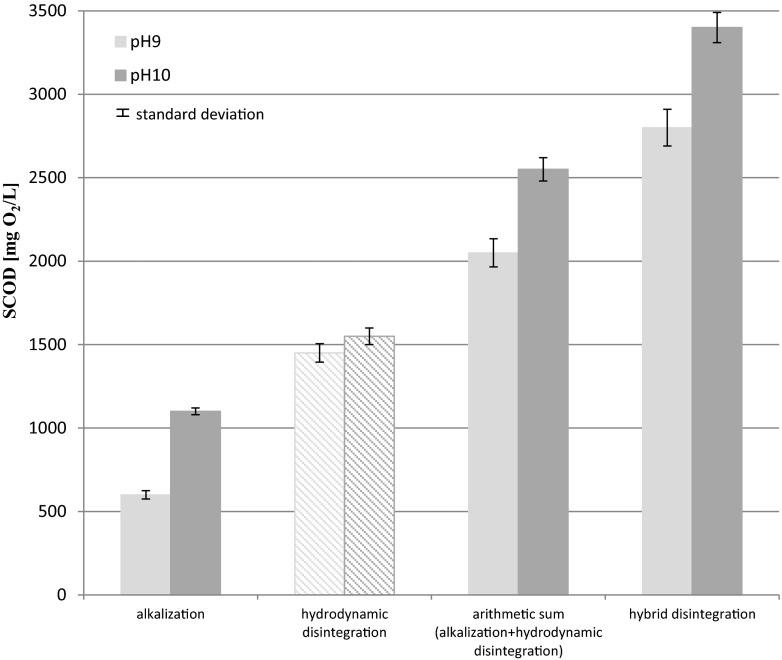
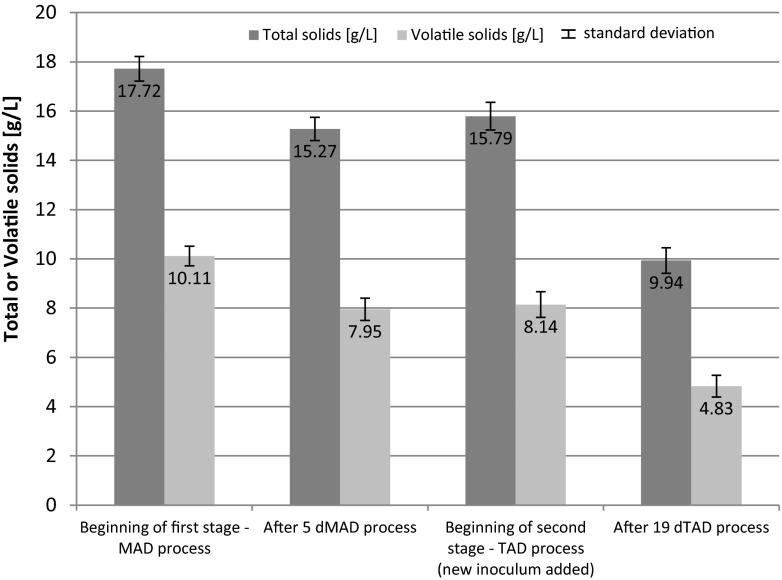
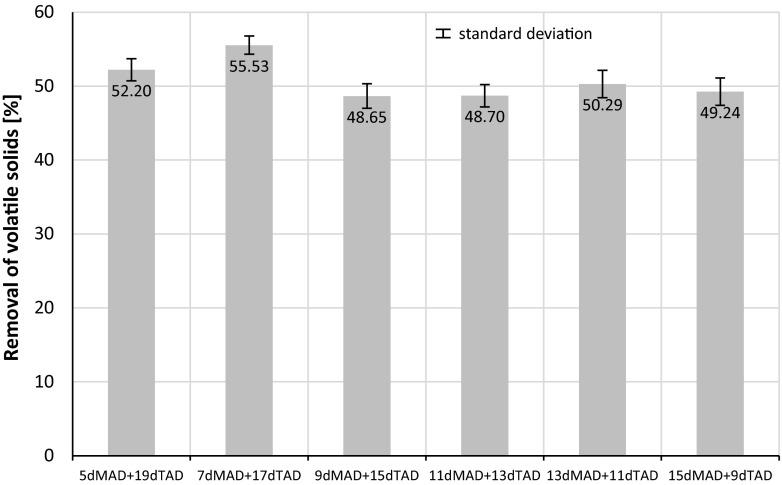
The first step of anaerobic digestion, the hydrolysis, is regarded as the rate-limiting step in the degradation of complex organic compounds, such as waste-activated sludge (WAS). The aim of lab-scale experiments was to pre-hydrolyze the sludge by means of low intensive alkaline sludge conditioning before applying hydrodynamic disintegration, as the pre-treatment procedure. Application of both processes as a hybrid disintegration sludge technology resulted in a higher organic matter release (soluble chemical oxygen demand (SCOD)) to the liquid sludge phase compared with the effects of processes conducted separately. The total SCOD after alkalization at 9 pH (pH in the range of 8.96-9.10, SCOD = 600 mg O2/L) and after hydrodynamic (SCOD = 1450 mg O2/L) disintegration equaled to 2050 mg/L. However, due to the synergistic effect, the obtained SCOD value amounted to 2800 mg/L, which constitutes an additional chemical oxygen demand (COD) dissolution of about 35 %. Similarly, the synergistic effect after alkalization at 10 pH was also obtained. The applied hybrid pre-hydrolysis technology resulted in a disintegration degree of 28-35%. The experiments aimed at selection of the most appropriate procedures in terms of optimal sludge digestion results, including high organic matter degradation (removal) and high biogas production. The analyzed soft hybrid technology influenced the effectiveness of mesophilic/thermophilic anaerobic digestion in a positive way and ensured the sludge minimization. The adopted pre-treatment technology (alkalization + hydrodynamic cavitation) resulted in 22-27% higher biogas production and 13-28% higher biogas yield. After two stages of anaerobic digestion (mesophilic conditions (MAD) + thermophilic anaerobic digestion (TAD)), the highest total solids (TS) reduction amounted to 45.6% and was received for the following sample at 7 days MAD + 17 days TAD. About 7% higher TS reduction was noticed compared with the sample after 9 days MAD + 15 days TAD. Similar results were obtained for volatile solids (VS) reduction after two-stage anaerobic digestion. The highest decrease of VS was obtained when the first stage, the mesophilic digestion which lasted 7 days, was followed by thermophilic digestion for 17 days.
厌氧消化的第一步即水解,被视为复杂有机化合物(如剩余活性污泥(WAS))降解过程中的限速步骤。实验室规模实验的目的是在应用水力破碎作为预处理程序之前,通过低强度碱性污泥调理对污泥进行预水解。与单独进行这两个过程的效果相比,将这两个过程作为一种混合破碎污泥技术应用,会使更多的有机物释放到液体污泥相中(溶解性化学需氧量(SCOD))。在pH值为9(pH范围为8.96 - 9.10,SCOD = 600 mg O2/L)进行碱化后以及水力破碎后(SCOD = 1450 mg O2/L),总SCOD等于2050 mg/L。然而,由于协同效应,获得的SCOD值达到2800 mg/L,这意味着额外的化学需氧量(COD)溶解量约为35%。同样,在pH值为10进行碱化后也获得了协同效应。所应用的混合预水解技术导致的破碎程度为28% - 35%。这些实验旨在从最佳污泥消化结果(包括高有机物降解(去除)和高沼气产量)方面选择最合适的程序。所分析的软混合技术对中温/高温厌氧消化的效果有积极影响,并确保了污泥的最小化。所采用的预处理技术(碱化 + 水力空化)使沼气产量提高了22% - 27%,沼气产率提高了13% - 28%。经过两个阶段的厌氧消化(中温条件(MAD) + 高温厌氧消化(TAD)),最高的总固体(TS)减少量达到45.6%,是在7天MAD + 17天TAD的情况下对以下样品测得的。与9天MAD + 15天TAD后的样品相比,TS减少量高出约7%。在两阶段厌氧消化后挥发性固体(VS)减少方面也获得了类似结果。当第一阶段为持续7天的中温消化,随后是17天的高温消化时,VS减少量最大。




 Zotero 插件