Momeni Kamyar, Faghri Pouran D, Evans Martinus
Biomedical Engineering Department, University of Connecticut, Storrs, Connecticut, USA.
J Neuroeng Rehabil. 2014 Oct 17;11:146. doi: 10.1186/1743-0003-11-146.
A better understanding of lower-extremity muscles' activation patterns and joint kinematics during different workloads could help rehabilitation professionals with prescribing more effective exercise regimen for elderly and those with compromised muscles. We examined the relative contribution, as well as activation and co-activation patterns, of lower-extremity muscles during semi-reclined cycling at different workloads during a constant cadence.
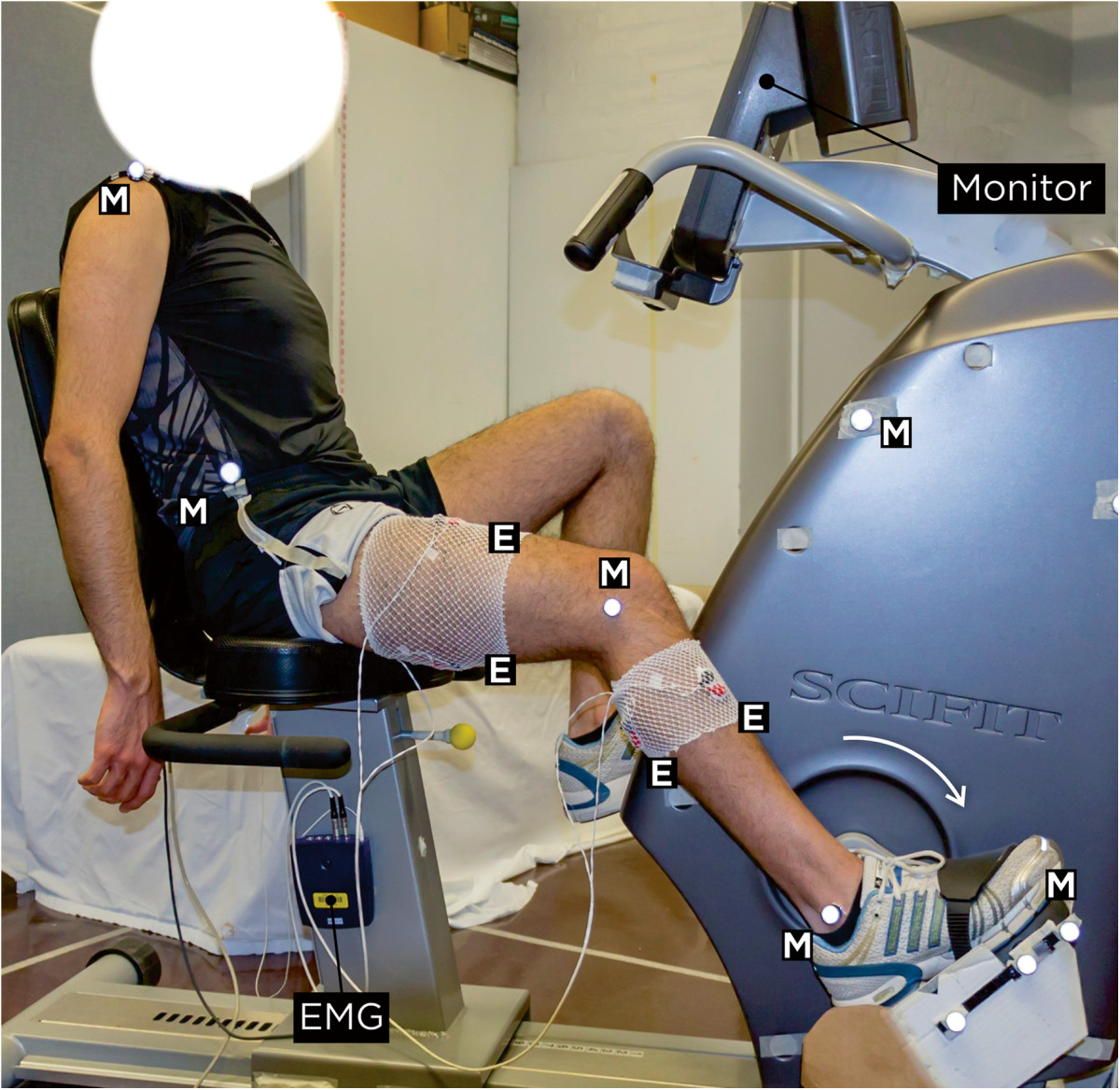
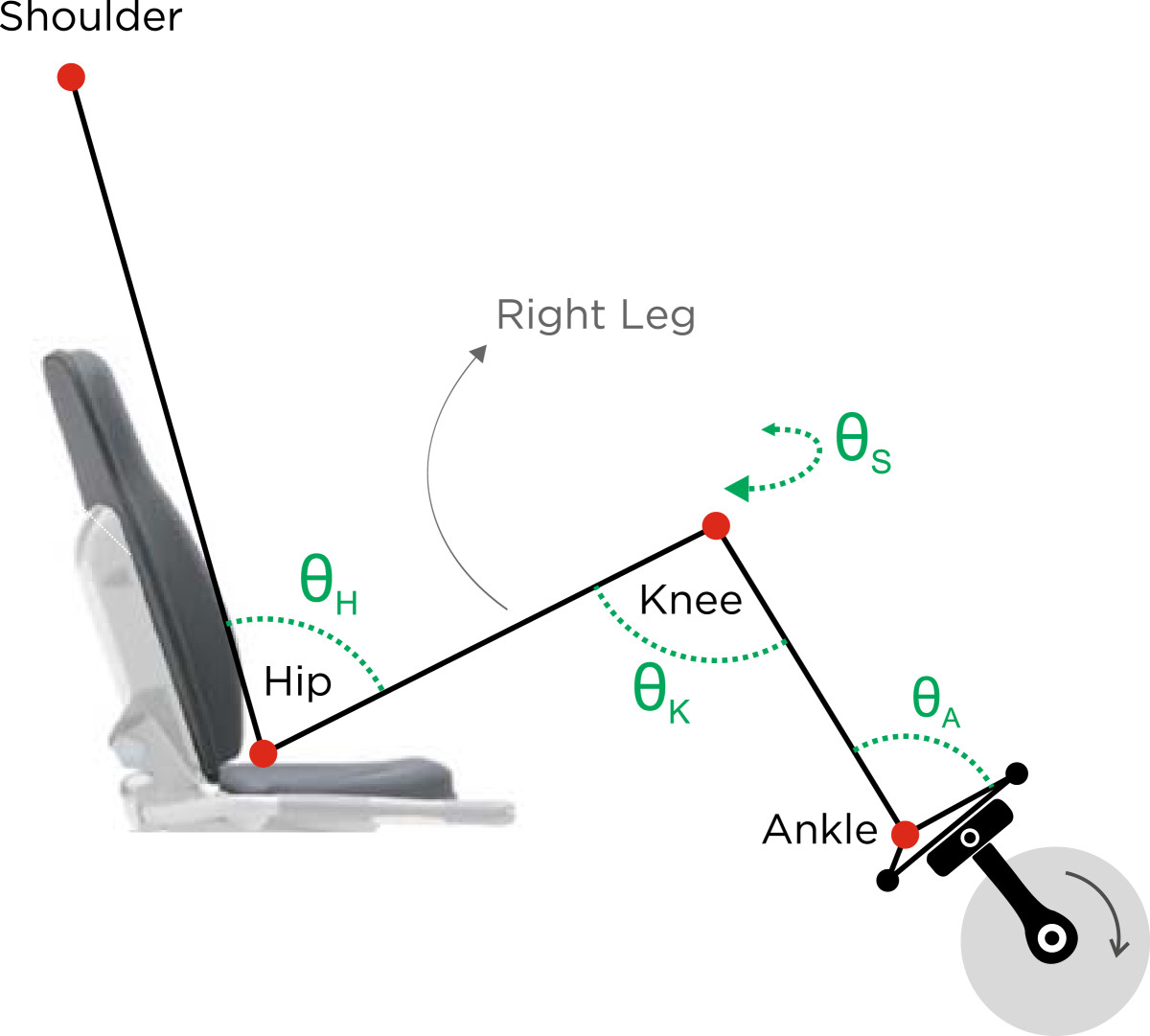
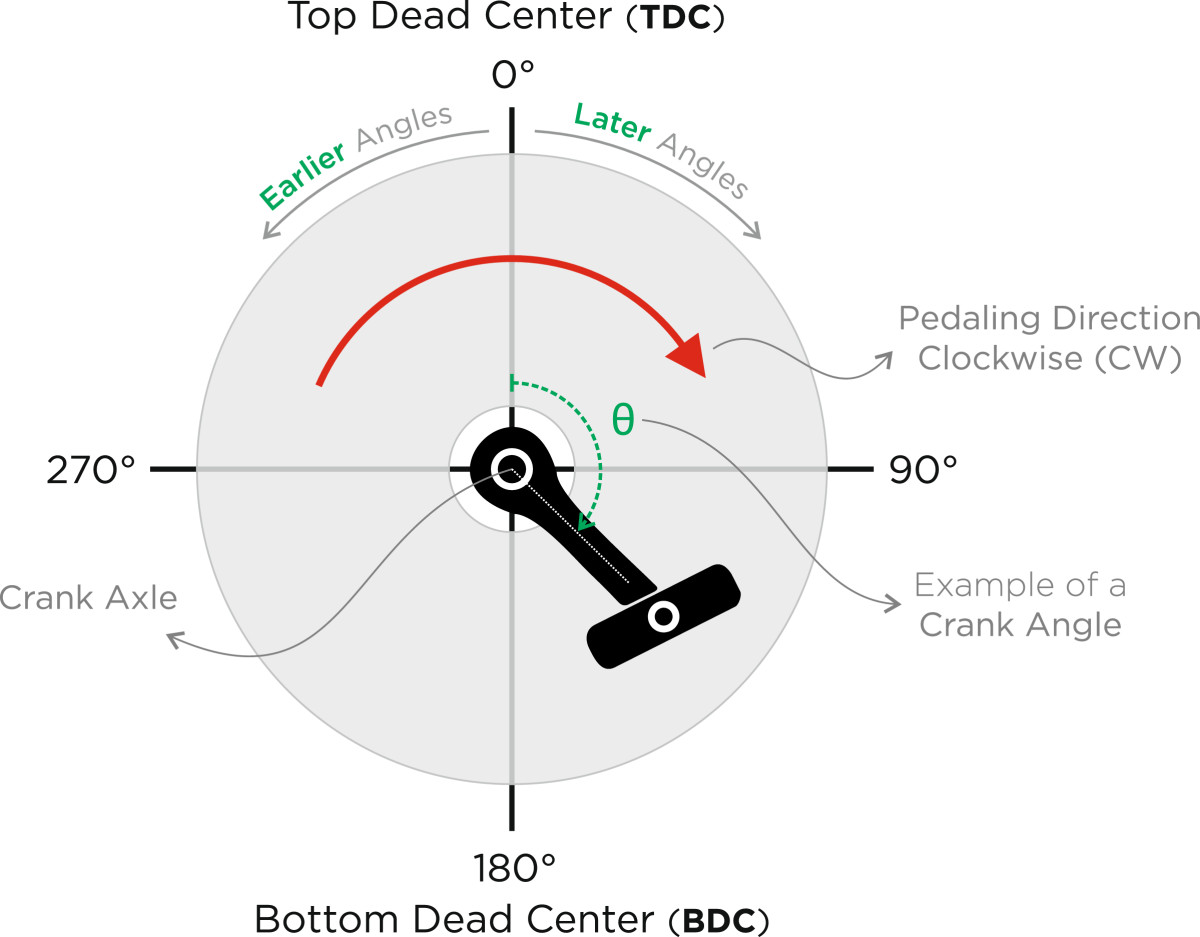
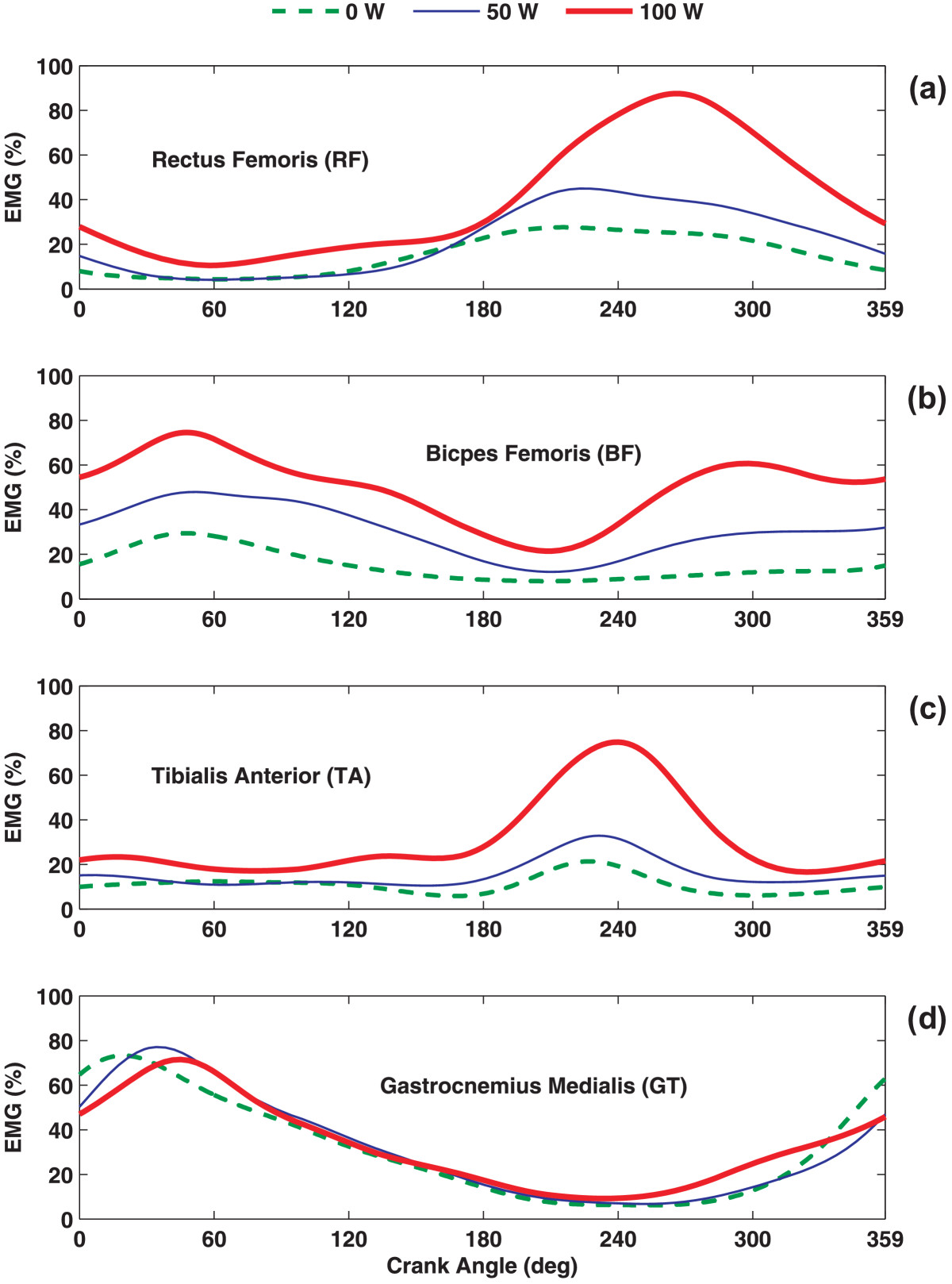
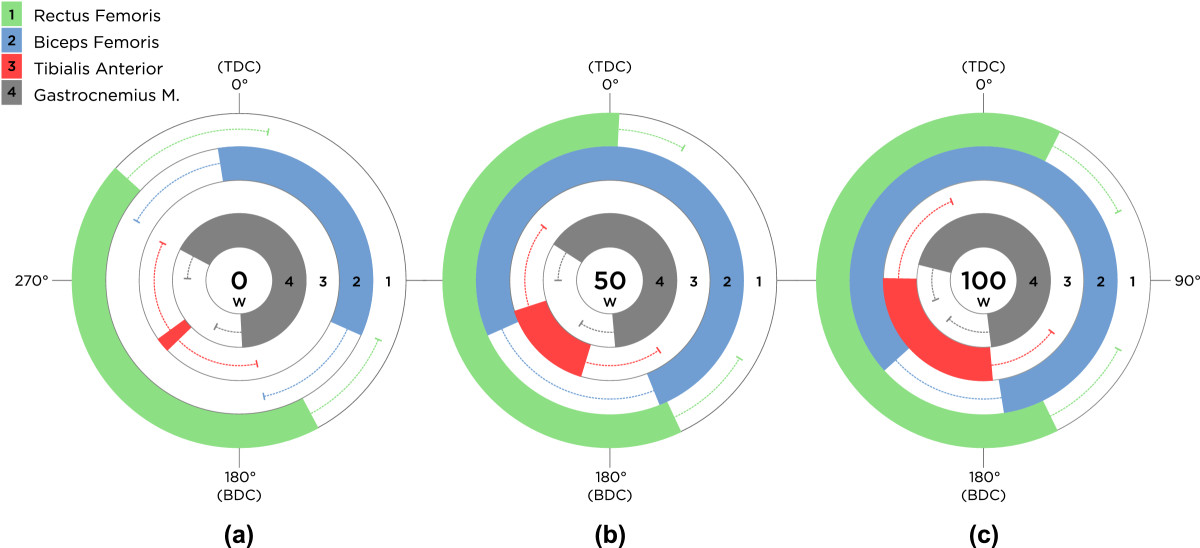
Fifteen healthy novice cyclists participated at three 90-second cycling trials with randomly assigned workloads of 0, 50, and 100 W, at a constant cadence of 60 rpm. During all trials, electromyograms were recorded from four lower-extremity muscles: rectus femoris (RF), biceps femoris (BF), tibialis anterior (TA), and gastrocnemius medialis (GT). Joint kinematics were also recorded and synchronized with the EMG data. Muscle burst onset, offset, duration of activity, peak magnitude, and peak timing, as well as mean joint angles and mean ranges of motion were extracted from the recorded data and compared across workloads.
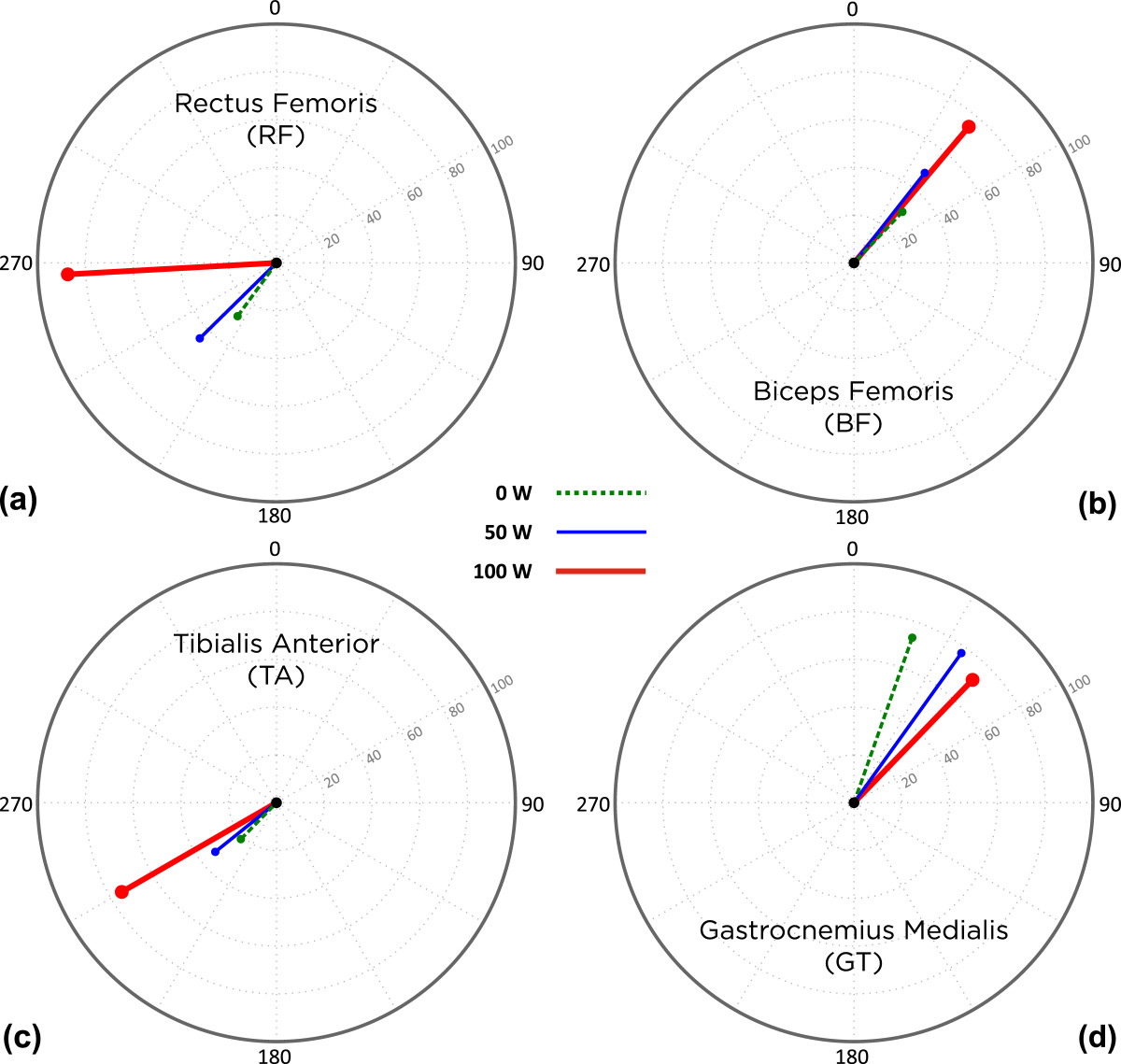
As workload increased, BF and TA displayed earlier activations and delayed deactivations in each cycle that resulted in a significantly (p < 0.05) longer duration of activity at higher workloads. RF showed a significantly longer duration of activity between 0 and 50 W as well as 0 and 100 W (p < 0.05); however, the activity duration of GT was not appeared to be affected significantly by workload. EMG peak-magnitude of RF, BF, and TA changed significantly (p < 0.05) as workload increased, but no changes were observed in the EMG peak-timing across workloads. Durations of co-activation in the RF-BF pair as well as the RF-TA pair increased significantly with workload, while the RF-TA and TA-GT pairs were only significantly different (p < 0.05) between the 0 and 100 W workload levels. Increased workload did not lead to any significant changes in the joint kinematics.
Muscles' activity patterns as well as co-activation patterns are significantly affected by changes in cycling workloads in healthy individuals. These variations should be considered during cycling, especially in the elderly and those with compromised musculoskeletal systems. Future research should evaluate such changes specific to these populations.
更好地了解不同工作负荷下下肢肌肉的激活模式和关节运动学,有助于康复专业人员为老年人和肌肉功能受损者制定更有效的运动方案。我们研究了在恒定踏频下不同工作负荷的半躺式骑行过程中,下肢肌肉的相对贡献、激活和共同激活模式。
15名健康的新手自行车骑行者参加了三次90秒的骑行试验,随机分配的工作负荷分别为0、50和100瓦,踏频恒定为60转/分钟。在所有试验中,记录了四块下肢肌肉的肌电图:股直肌(RF)、股二头肌(BF)、胫骨前肌(TA)和腓肠肌内侧头(GT)。同时记录关节运动学数据并与肌电图数据同步。从记录的数据中提取肌肉爆发起始、结束、活动持续时间、峰值大小和峰值时间,以及平均关节角度和平均运动范围,并在不同工作负荷下进行比较。
随着工作负荷增加,BF和TA在每个周期中显示出更早的激活和延迟的去激活,导致在较高工作负荷下活动持续时间显著延长(p < 0.05)。RF在0至50瓦以及0至100瓦之间的活动持续时间显著更长(p < 0.05);然而,GT的活动持续时间似乎不受工作负荷的显著影响。随着工作负荷增加,RF、BF和TA的肌电图峰值大小显著变化(p < 0.05),但在不同工作负荷下肌电图峰值时间未观察到变化。RF - BF对以及RF - TA对的共同激活持续时间随着工作负荷显著增加,而RF - TA对和TA - GT对仅在0和100瓦工作负荷水平之间存在显著差异(p < 0.05)。工作负荷增加并未导致关节运动学有任何显著变化。
健康个体骑行工作负荷的变化显著影响肌肉的活动模式以及共同激活模式。在骑行过程中应考虑这些变化,尤其是在老年人和肌肉骨骼系统受损者中。未来的研究应评估这些特定人群的此类变化。