Gompelmann Daniela, Eberhardt Ralf, Herth Felix Jf
Pneumology and Critical Care Medicine, Thoraxklinik at University of Heidelberg, Germany ; German Center for Lung Research, Heidelberg, Germany.
Med Devices (Auckl). 2014 Sep 30;7:335-41. doi: 10.2147/MDER.S49369. eCollection 2014.
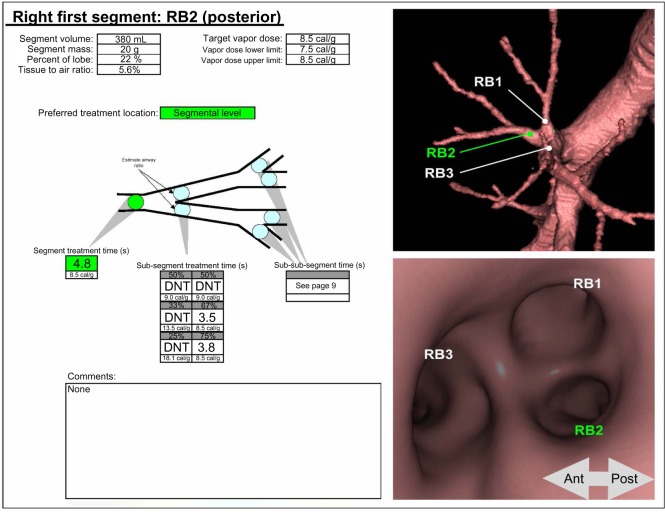
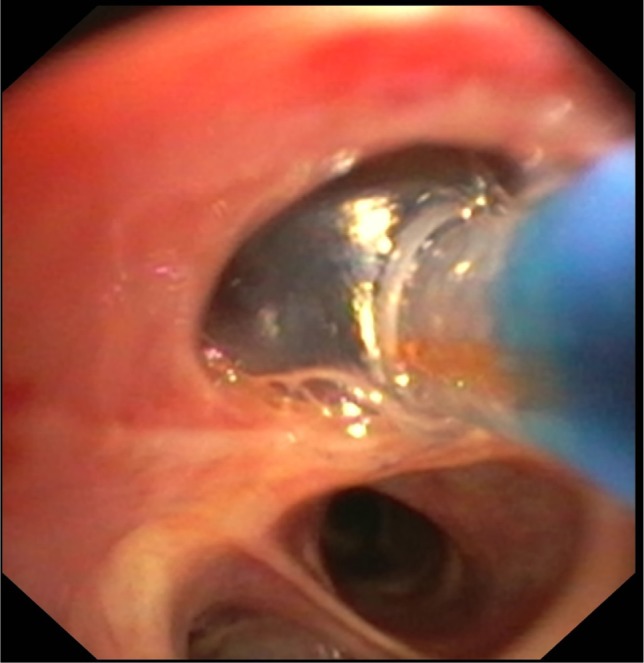
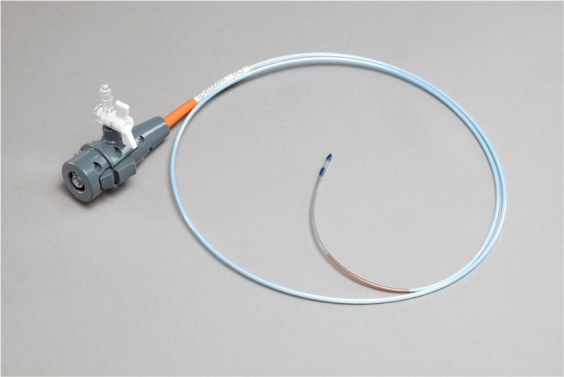
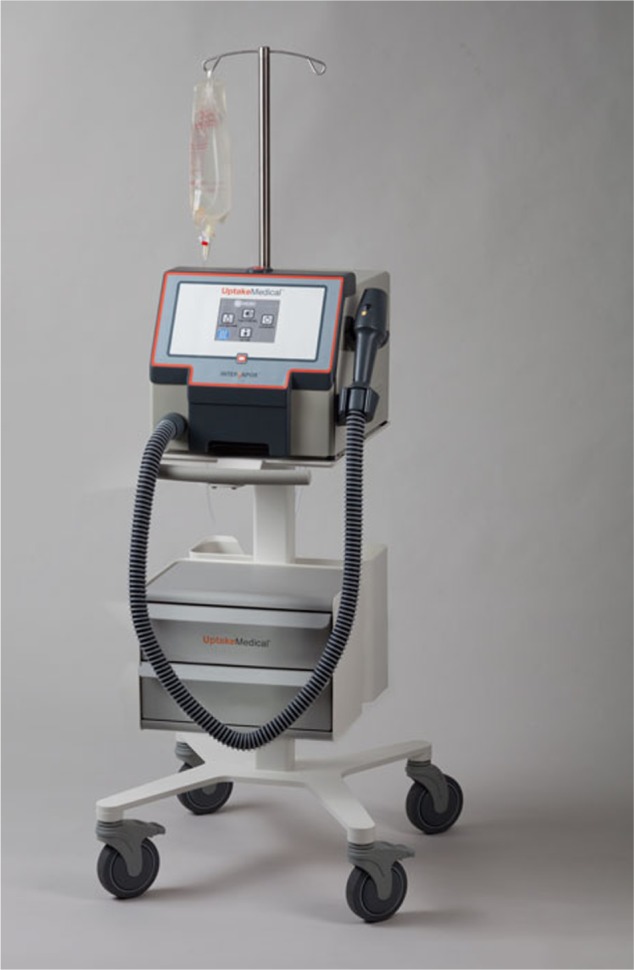
Bronchoscopic thermal vapor ablation (BTVA) is an endoscopic lung volume reduction therapy that presents an effective treatment approach in patients with severe upper lobe-predominant emphysema. By instillation of heated water vapor, an inflammatory reaction is induced, leading to fibrosis and scarring of the lung parenchyma, resulting in lobar volume reduction. Clinical single-arm trials demonstrated great outcomes, with significant improvement of lung function, exercise capacity, and quality of life. As the BTVA-induced local inflammatory response that seems to be essential for the desired lobar volume reduction can be associated with transient clinical worsening, strict monitoring of the patients is required. In future, the balance between efficacy and safety will constitute a major challenge. This review summarizes the BTVA procedure, the mechanism of action, and the results of the clinical trials, including the efficacy and safety data.
支气管镜热蒸汽消融术(BTVA)是一种内镜下肺减容治疗方法,对于以严重上叶为主的肺气肿患者而言,是一种有效的治疗手段。通过注入热水蒸汽,引发炎症反应,导致肺实质纤维化和瘢痕形成,从而使肺叶体积缩小。临床单臂试验显示出良好的效果,肺功能、运动能力和生活质量均有显著改善。由于BTVA诱导的局部炎症反应似乎是实现预期肺叶体积缩小所必需的,但可能与临床症状短暂恶化相关,因此需要对患者进行严格监测。未来,疗效与安全性之间的平衡将构成一项重大挑战。本综述总结了BTVA的操作过程、作用机制以及临床试验结果,包括疗效和安全性数据。