Eun Jong Ryeol, Jung Yong Jin, Zhang Yanling, Zhang Yanhong, Tschudy-Seney Benjamin, Ramsamooj Rajen, Wan Yu-Jui Yvonne, Theise Neil D, Zern Mark A, Duan Yuyou
Department of Internal Medicine, University of California Davis Medical Center, Sacramento, California, United States of America; Institute for Regenerative Cures, University of California Davis Medical Center, Sacramento, California, United States of America; Department of Internal Medicine, Yeungnam University College Medicine, Daegu, Korea.
Department of Internal Medicine, University of California Davis Medical Center, Sacramento, California, United States of America; Institute for Regenerative Cures, University of California Davis Medical Center, Sacramento, California, United States of America; Department of Internal Medicine, SMG-SNU Boramae Medical Center, Seoul National University College of Medicine, Seoul, Korea.
PLoS One. 2014 Oct 22;9(10):e110744. doi: 10.1371/journal.pone.0110744. eCollection 2014.
SK Hep-1 cells (SK cells) derived from a patient with liver adenocarcinoma have been considered a human hepatoma cell line with mesenchymal origin characteristics, however, SK cells do not express liver genes and exhibit liver function, thus, we hypothesized whether mesenchymal cells might contribute to human liver primary cancers. Here, we characterized SK cells and its tumourigenicity.
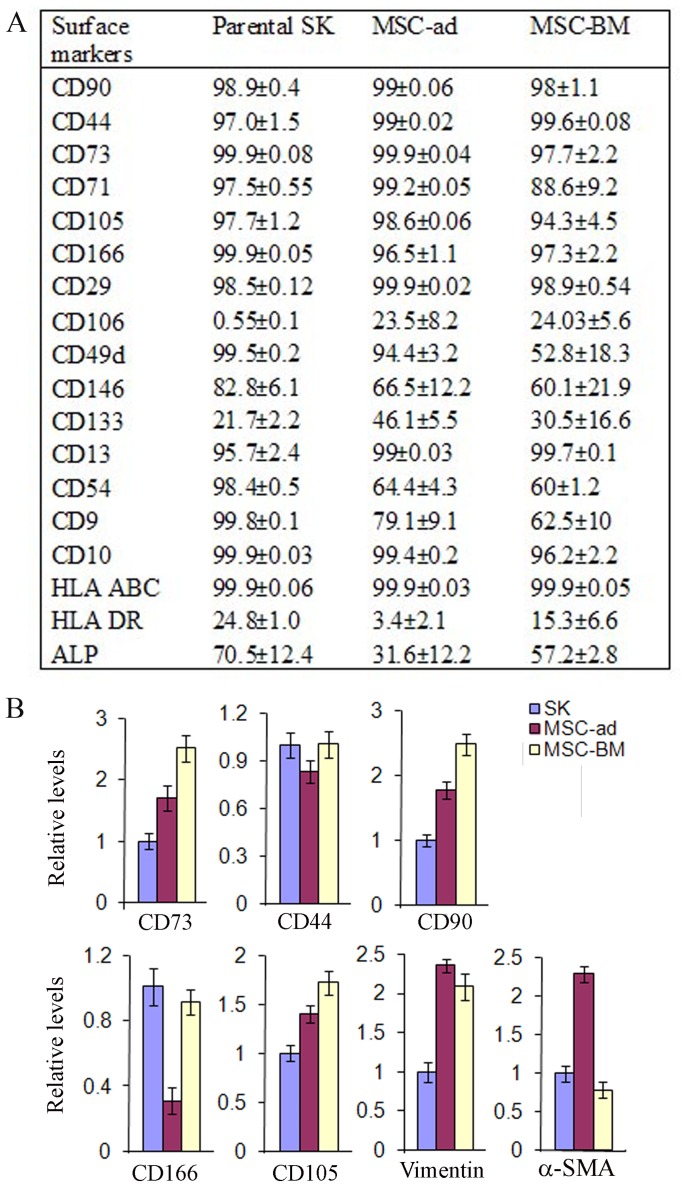
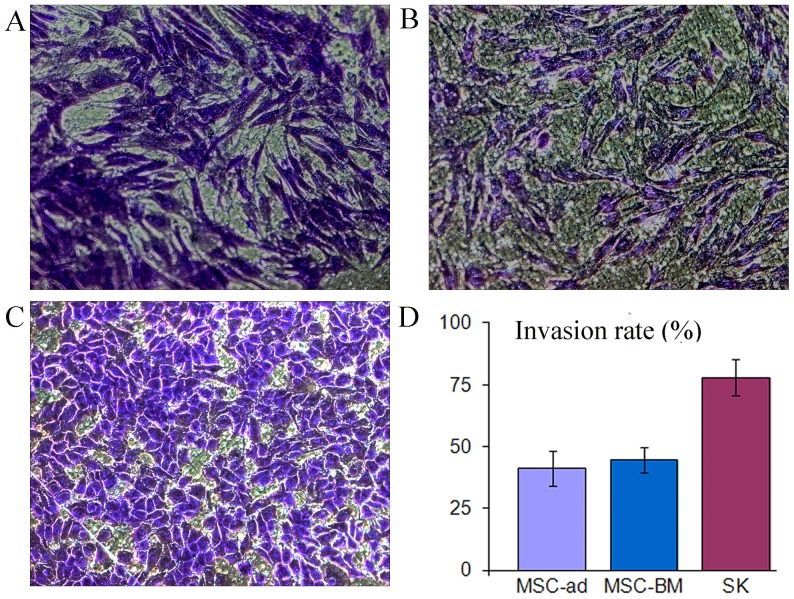
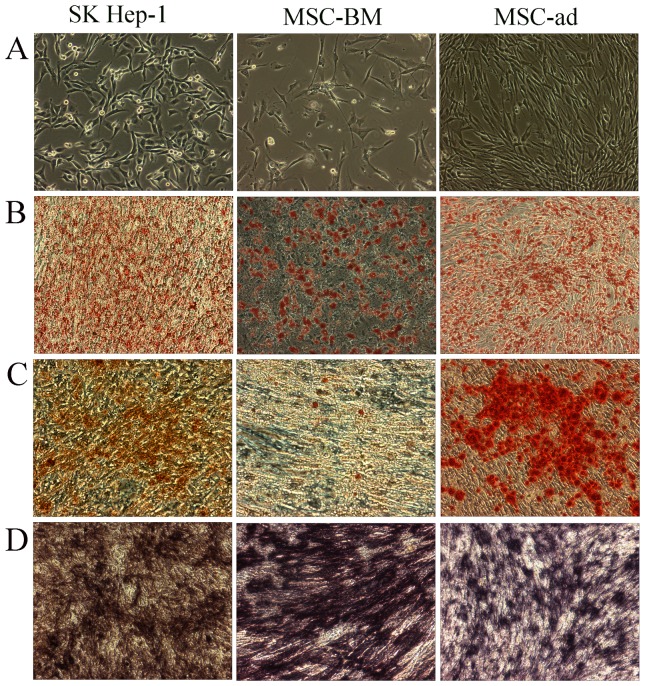
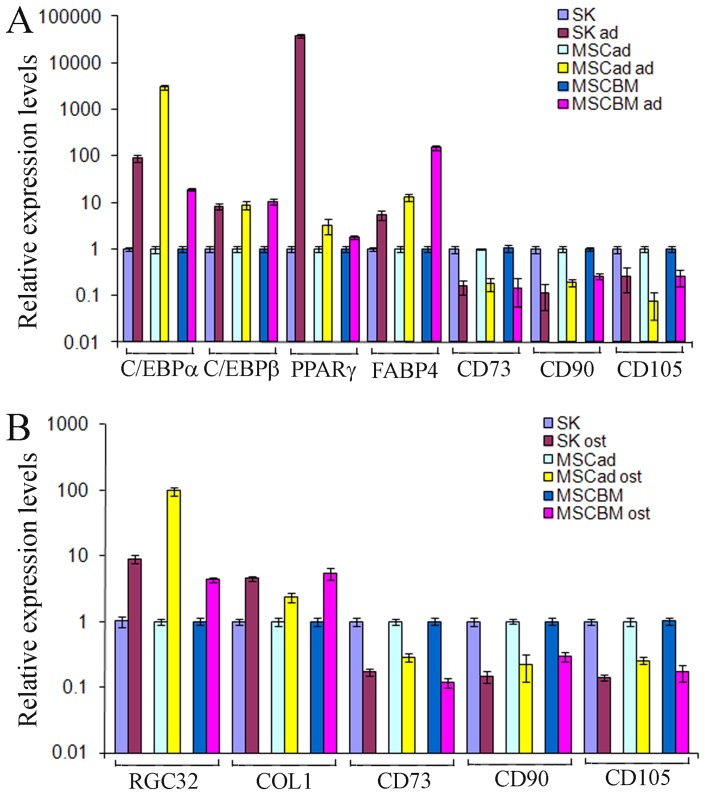
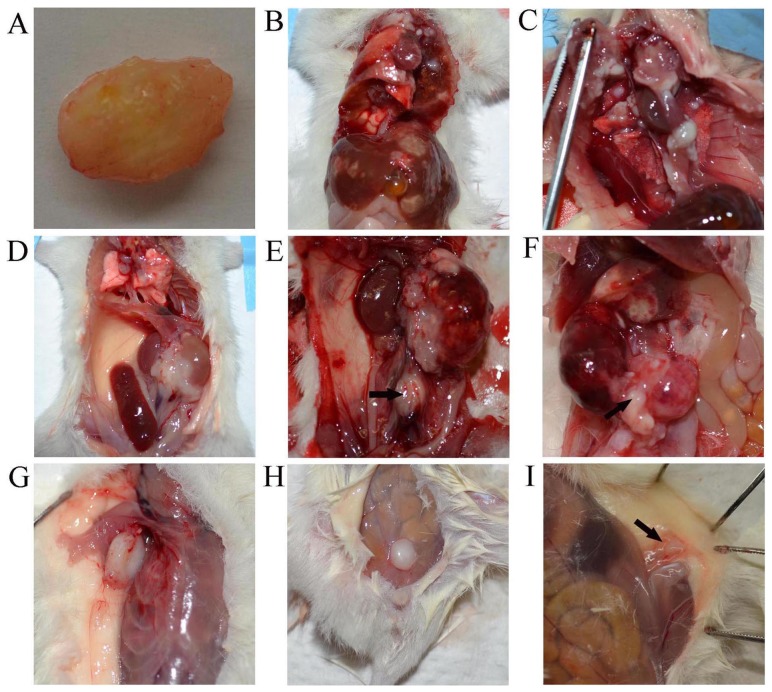
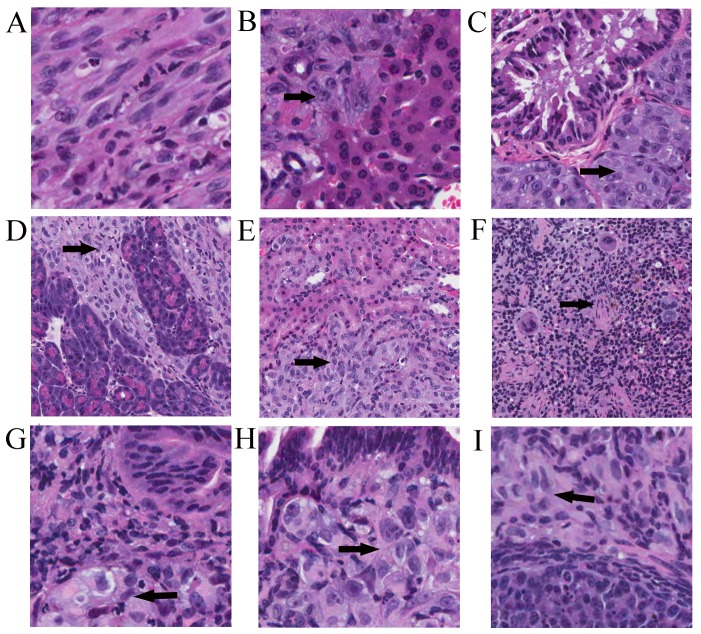
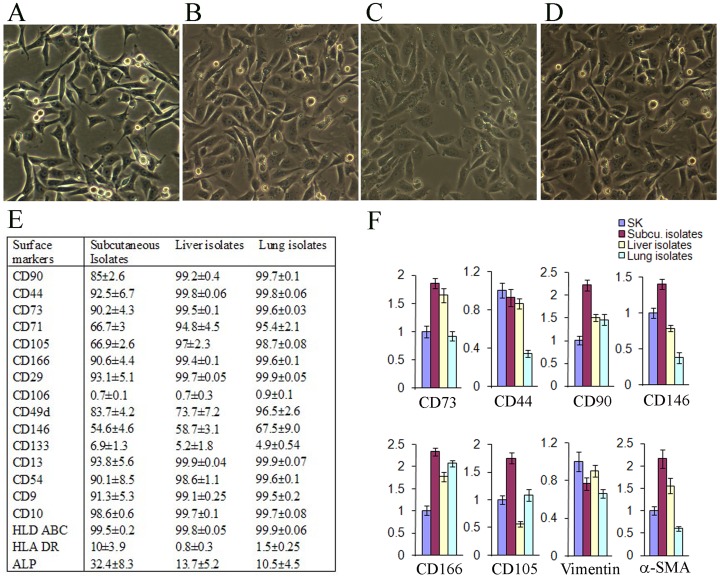
We found that classical mesenchymal stem cell (MSC) markers were presented on SK cells, but endothelial marker CD31, hematopoietic markers CD34 and CD45 were negative. SK cells are capable of differentiate into adipocytes and osteoblasts as adipose-derived MSC (Ad-MSC) and bone marrow-derived MSC (BM-MSC) do. Importantly, a single SK cell exhibited a substantial tumourigenicity and metastatic capacity in immunodefficient mice. Metastasis not only occurred in circulating organs such as lung, liver, and kidneys, but also in muscle, outer abdomen, and skin. SK cells presented greater in vitro invasive capacity than those of Ad-MSC and BM-MSC. The xenograft cells from subcutaneous and metastatic tumors exhibited a similar tumourigenicity and metastatic capacity, and showed the same relatively homogenous population with MSC characteristics when compared to parental SK cells. SK cells could unlimitedly expand in vitro without losing MSC characteristics, its tumuorigenicity and metastatic capacity, indicating that SK cells are oncogenic MSC with enhanced self-renewal capacity. We believe that this is the first report that human MSC appear to be transformed into cancer stem cells (CSC), and that their derivatives also function as CSCs.
Our findings demonstrate that SK cells represent a transformation mechanism of normal MSC into an enhanced self-renewal CSC with metastasis capacity, SK cells and their xenografts represent a same relative homogeneity of CSC with substantial metastatic capacity. Thus, it represents a novel mechanism of tumor initiation, development and metastasis by CSCs of non-epithelial and endothelia origin.
源自一名肝腺癌患者的SK Hep-1细胞(SK细胞)被认为是具有间充质起源特征的人肝癌细胞系,然而,SK细胞不表达肝脏基因且不具备肝功能,因此,我们推测间充质细胞是否可能在人类肝脏原发性癌症中发挥作用。在此,我们对SK细胞及其致瘤性进行了表征。
我们发现经典的间充质干细胞(MSC)标志物在SK细胞上表达,但内皮标志物CD31、造血标志物CD34和CD45呈阴性。SK细胞能够像脂肪来源的MSC(Ad-MSC)和骨髓来源的MSC(BM-MSC)一样分化为脂肪细胞和成骨细胞。重要的是,单个SK细胞在免疫缺陷小鼠中表现出显著的致瘤性和转移能力。转移不仅发生在肺、肝和肾等循环器官中,还发生在肌肉、腹部外侧和皮肤中。SK细胞在体外表现出比Ad-MSC和BM-MSC更强的侵袭能力。来自皮下和转移性肿瘤的异种移植细胞表现出相似的致瘤性和转移能力,并且与亲代SK细胞相比,显示出具有MSC特征的相对同质的群体。SK细胞能够在体外无限扩增,而不会丧失MSC特征、致瘤性和转移能力,表明SK细胞是具有增强自我更新能力的致癌性MSC。我们认为这是第一份关于人类MSC似乎转化为癌症干细胞(CSC)且其衍生物也发挥CSC功能的报告。
我们的研究结果表明,SK细胞代表了正常MSC向具有转移能力的增强自我更新CSC的转化机制,SK细胞及其异种移植代表了具有显著转移能力的CSC的相同相对同质性。因此,它代表了非上皮和内皮来源的CSC引发肿瘤、发展和转移的新机制。