Ramachandran Gayetri, Singh Praveen K, Luque-Ortega Juan Roman, Yuste Luis, Alfonso Carlos, Rojo Fernando, Wu Ling J, Meijer Wilfried J J
Centro de Biología Molecular "Severo Ochoa" (CSIC-UAM), Instituto de Biología Molecular "Eladio Viñuela" (CSIC), Universidad Autónoma, Canto Blanco, Madrid, Spain.
Centro de Investigaciones Biológicas (CSIC), Madrid, Spain.
PLoS Genet. 2014 Oct 23;10(10):e1004733. doi: 10.1371/journal.pgen.1004733. eCollection 2014 Oct.
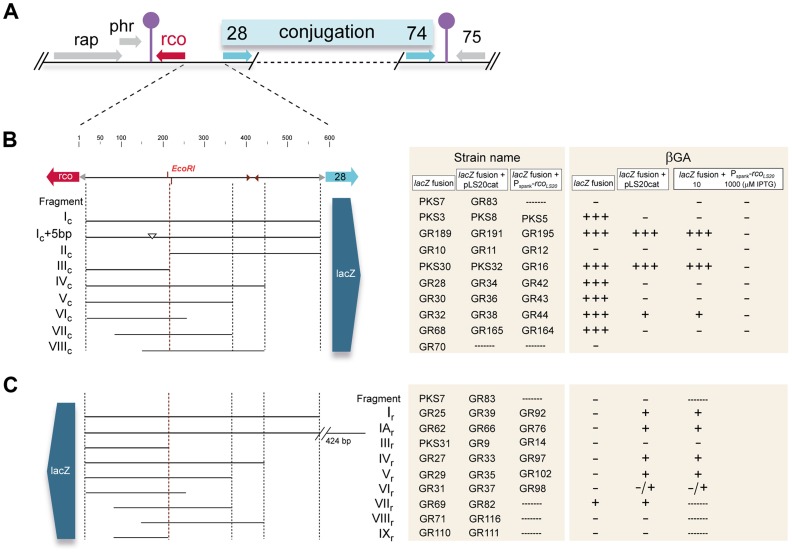
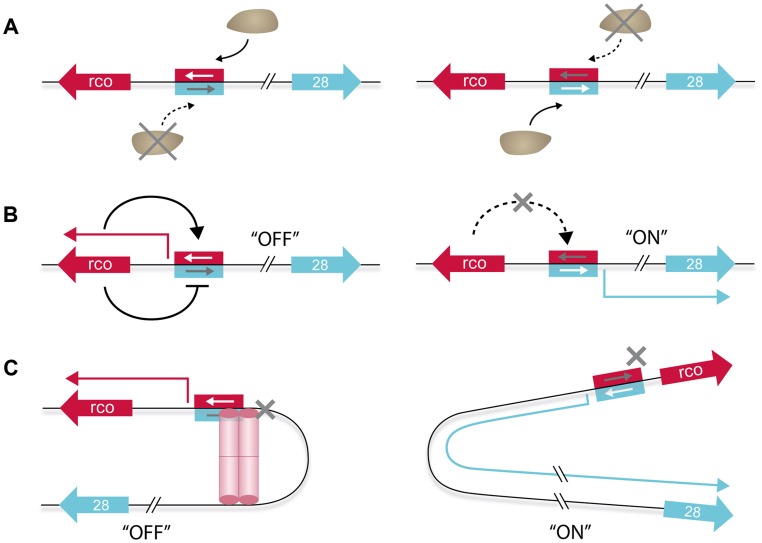
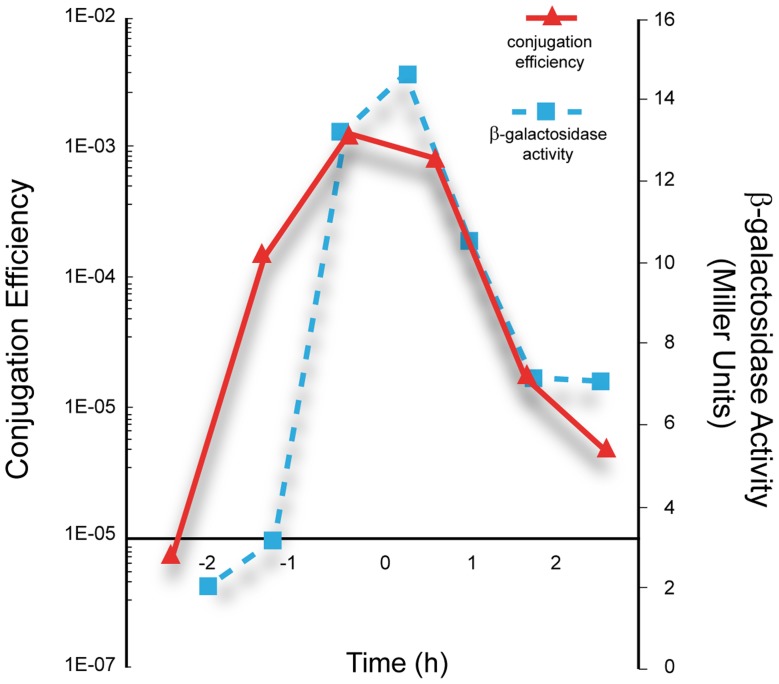
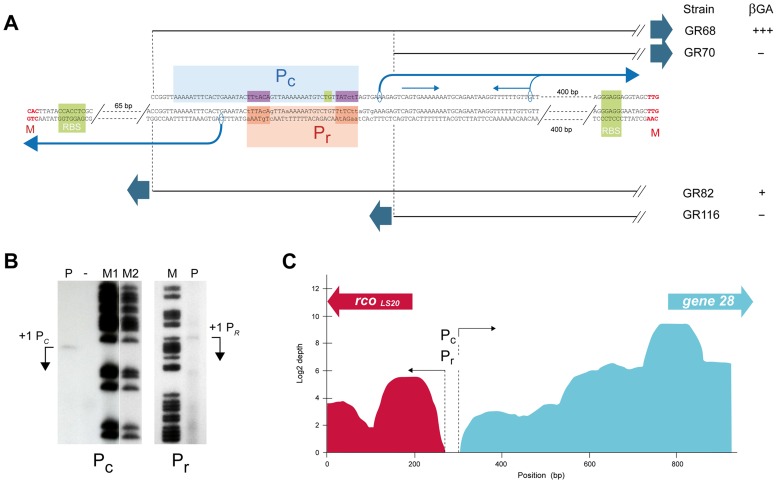
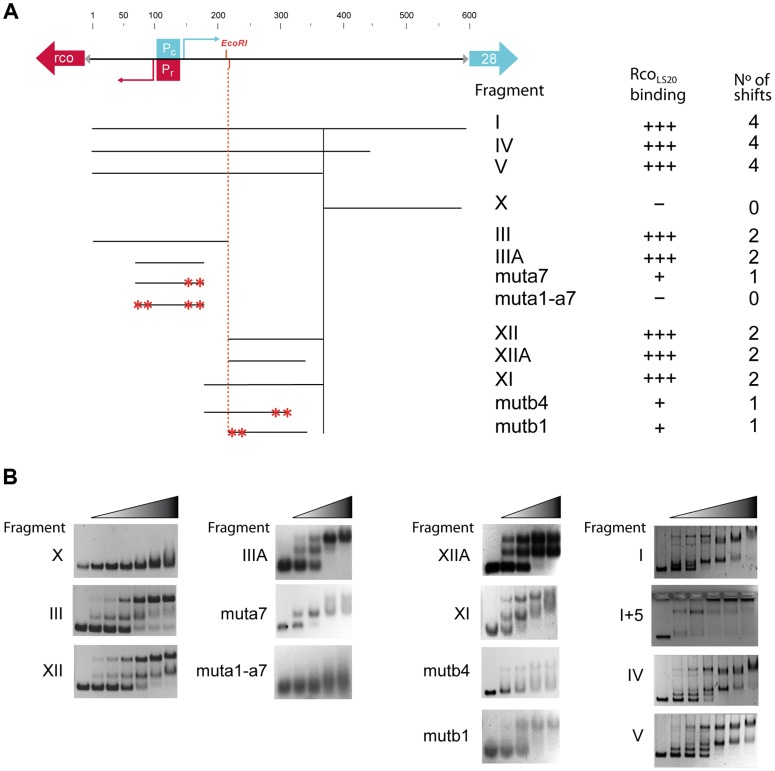
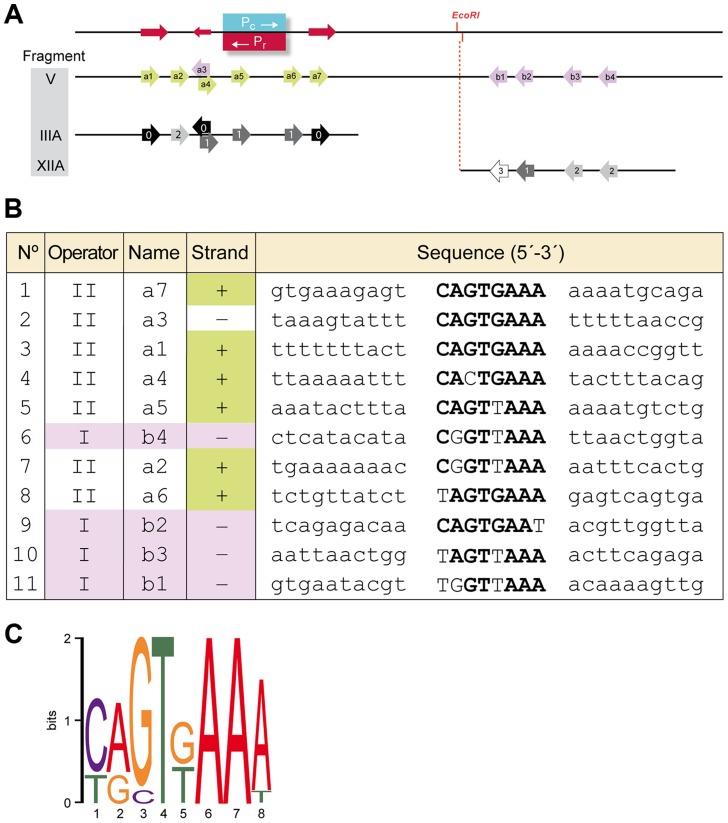
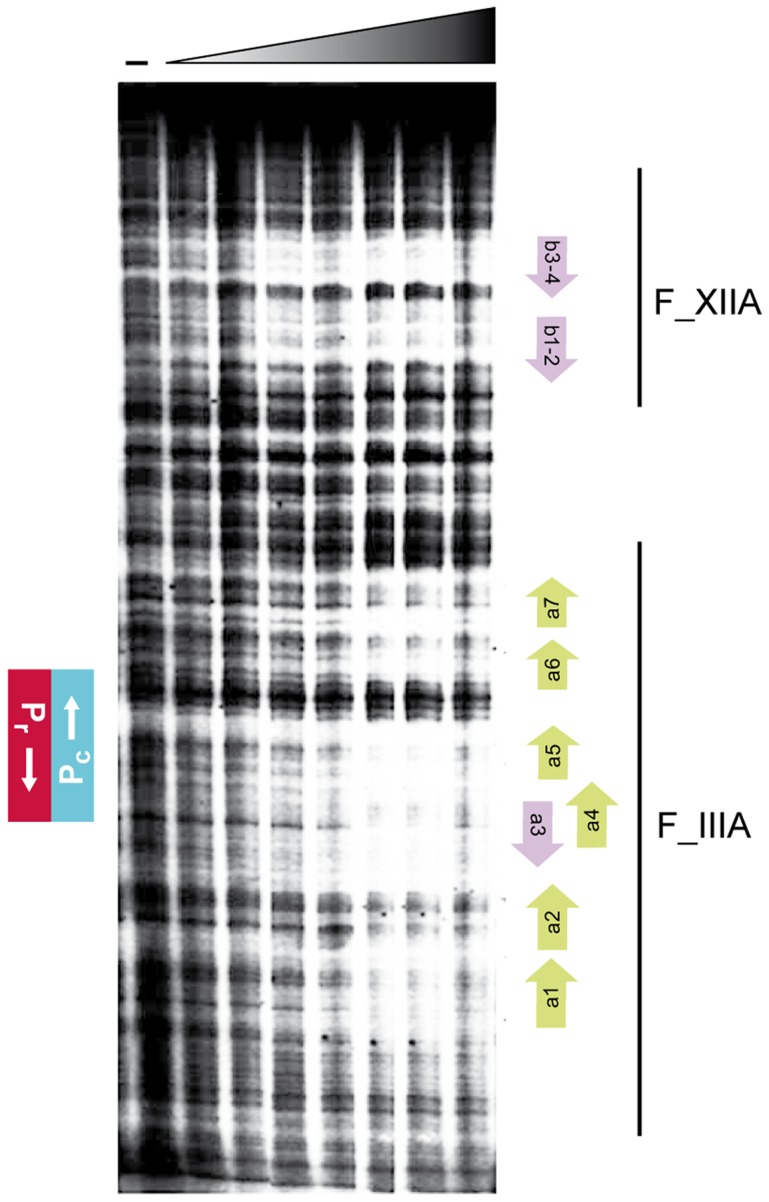
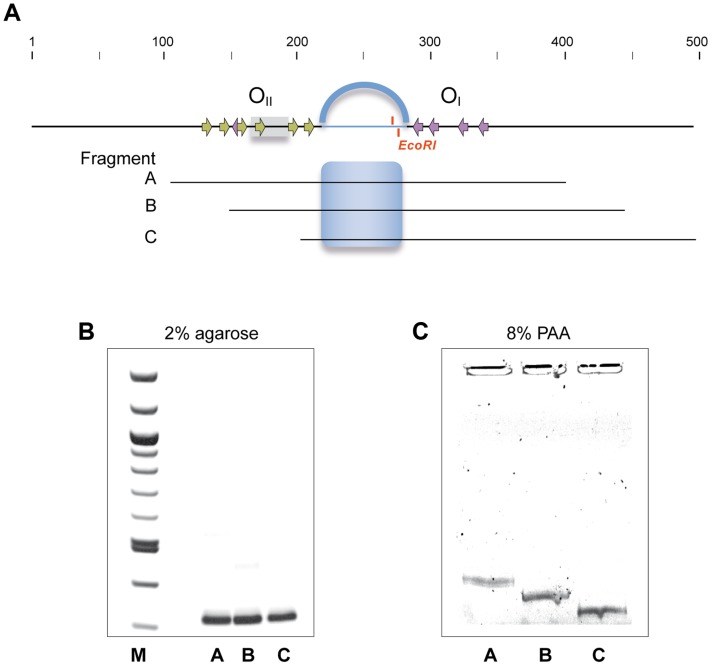
Plasmid conjugation plays a significant role in the dissemination of antibiotic resistance and pathogenicity determinants. Understanding how conjugation is regulated is important to gain insights into these features. Little is known about regulation of conjugation systems present on plasmids from Gram-positive bacteria. pLS20 is a native conjugative plasmid from the Gram-positive bacterium Bacillus subtilis. Recently the key players that repress and activate pLS20 conjugation have been identified. Here we studied in detail the molecular mechanism regulating the pLS20 conjugation genes using both in vivo and in vitro approaches. Our results show that conjugation is subject to the control of a complex genetic switch where at least three levels of regulation are integrated. The first of the three layers involves overlapping divergent promoters of different strengths regulating expression of the conjugation genes and the key transcriptional regulator RcoLS20. The second layer involves a triple function of RcoLS20 being a repressor of the main conjugation promoter and an activator and repressor of its own promoter at low and high concentrations, respectively. The third level of regulation concerns formation of a DNA loop mediated by simultaneous binding of tetrameric RcoLS20 to two operators, one of which overlaps with the divergent promoters. The combination of these three layers of regulation in the same switch allows the main conjugation promoter to be tightly repressed during conditions unfavorable to conjugation while maintaining the sensitivity to accurately switch on the conjugation genes when appropriate conditions occur. The implications of the regulatory switch and comparison with other genetic switches involving DNA looping are discussed.
质粒接合在抗生素抗性和致病性决定因素的传播中起着重要作用。了解接合如何被调控对于深入了解这些特征很重要。关于革兰氏阳性菌质粒上存在的接合系统的调控知之甚少。pLS20是来自革兰氏阳性菌枯草芽孢杆菌的天然接合质粒。最近,已鉴定出抑制和激活pLS20接合的关键因子。在这里,我们使用体内和体外方法详细研究了调控pLS20接合基因的分子机制。我们的结果表明,接合受一个复杂的遗传开关控制,其中至少整合了三个调控水平。三个层面中的第一个层面涉及不同强度的重叠反向启动子,调控接合基因和关键转录调节因子RcoLS20的表达。第二个层面涉及RcoLS20的三重功能,它分别在低浓度和高浓度时作为主要接合启动子的阻遏物以及自身启动子的激活剂和阻遏物。第三个调控水平涉及由四聚体RcoLS20同时结合两个操纵子介导的DNA环的形成,其中一个操纵子与反向启动子重叠。同一开关中这三个调控层面的组合使得在不利于接合的条件下主要接合启动子被紧密抑制,同时在适当条件出现时保持对接合基因准确开启的敏感性。讨论了该调控开关的意义以及与其他涉及DNA环化的遗传开关的比较。