Chahine Mirna N, Mioulane Maxime, Sikkel Markus B, O'Gara Peter, Dos Remedios Cristobal G, Pierce Grant N, Lyon Alexander R, Földes Gábor, Harding Sian E
NHLI, Imperial College, London, UK
NHLI, Imperial College, London, UK.
Cardiovasc Res. 2015 Jan 1;105(1):31-43. doi: 10.1093/cvr/cvu218. Epub 2014 Oct 23.
During cardiac hypertrophy, cardiomyocytes (CMs) increase in the size and expression of cytoskeletal proteins while reactivating a foetal gene programme. The process is proposed to be dependent on increased nuclear export and, since nuclear pore trafficking has limited capacity, a linked decrease in import. Our objective was to investigate the role of nuclear import and export in control of hypertrophy in rat and human heart failure (HF).
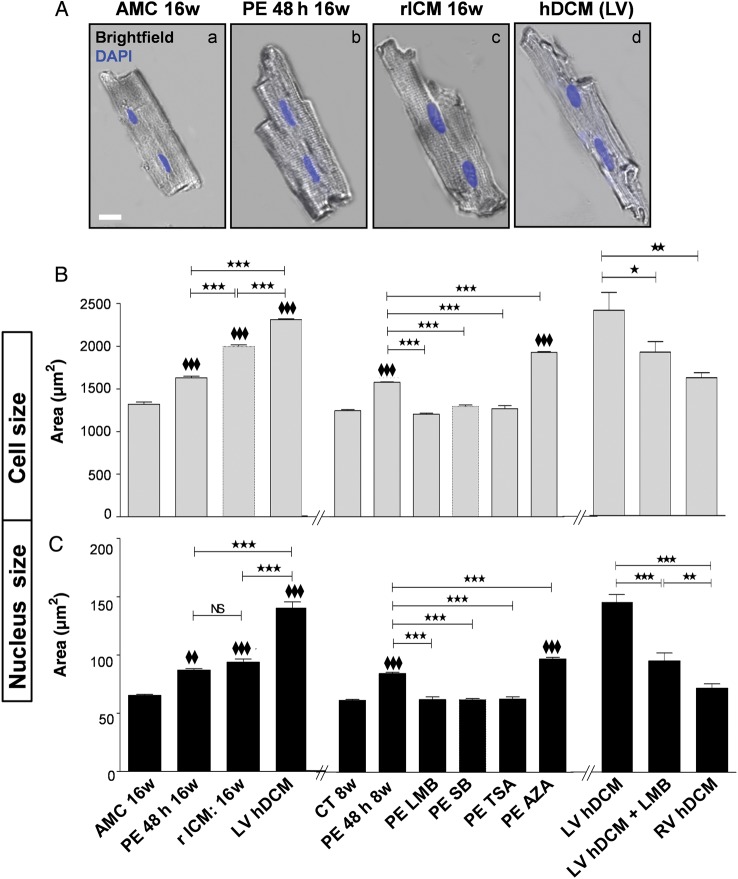
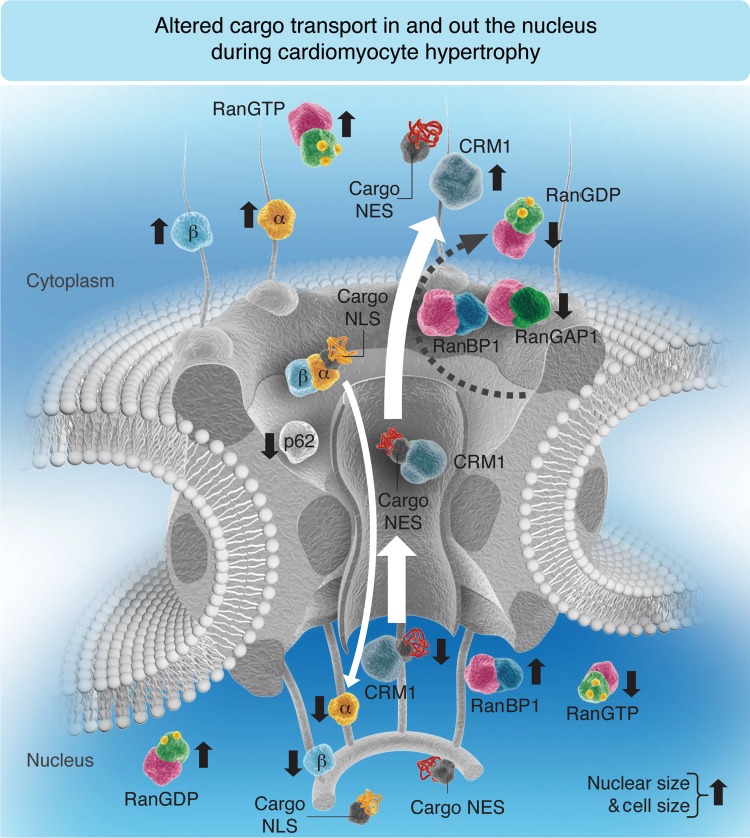
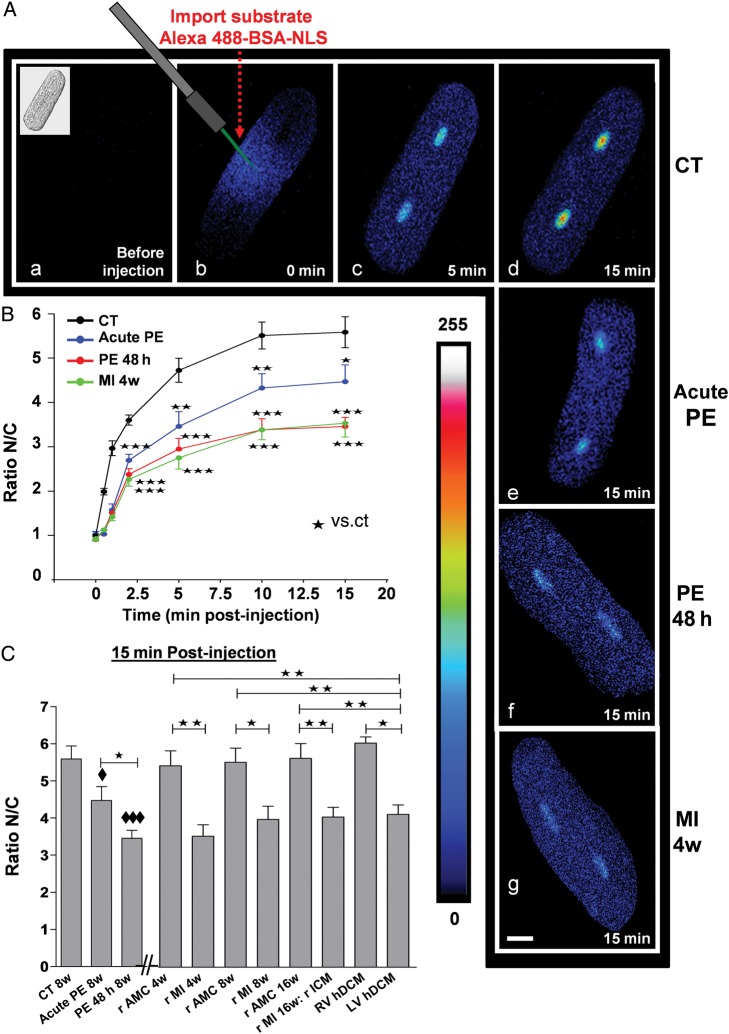
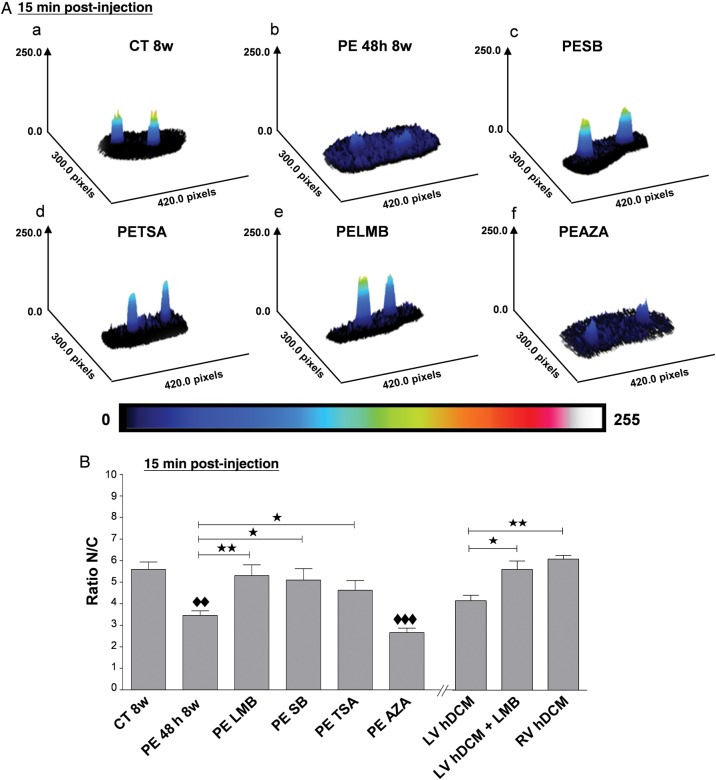
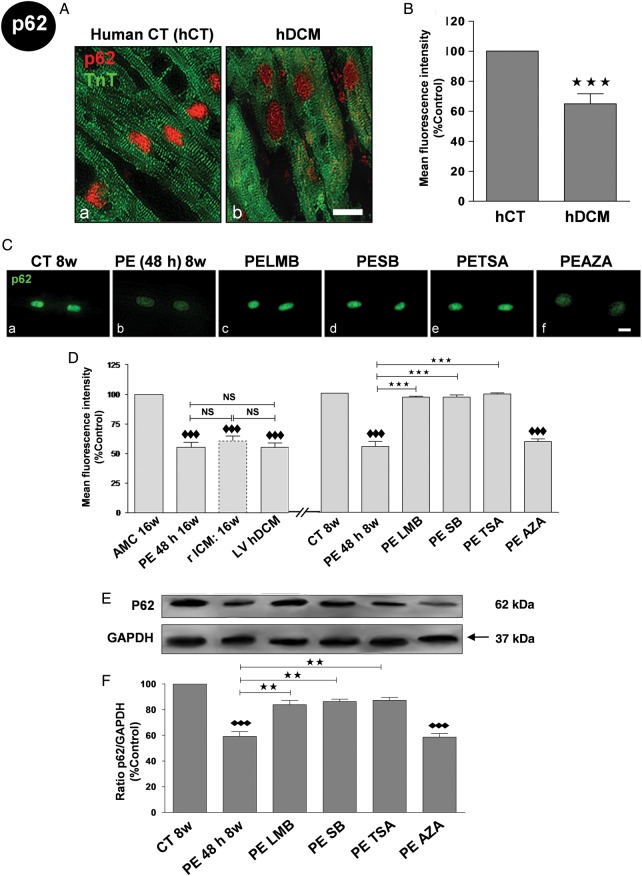
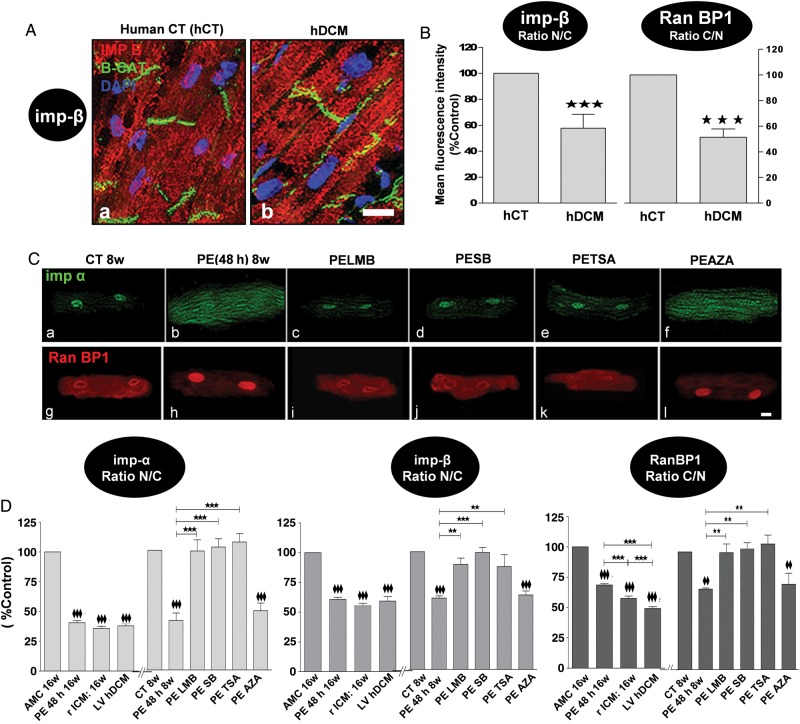
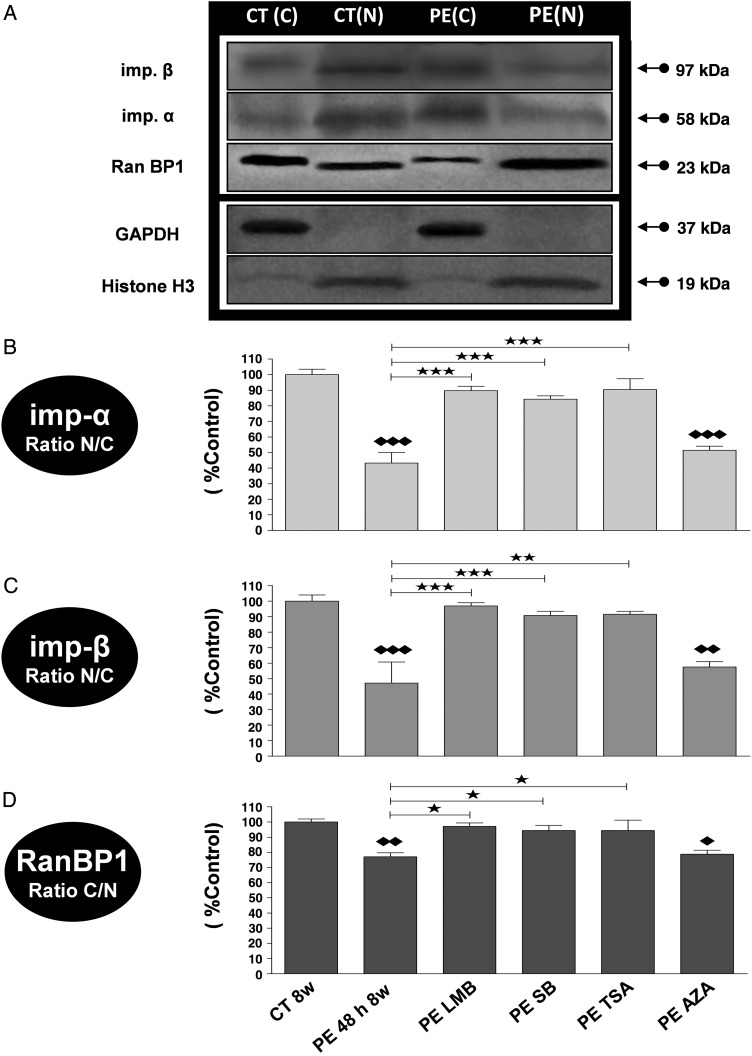
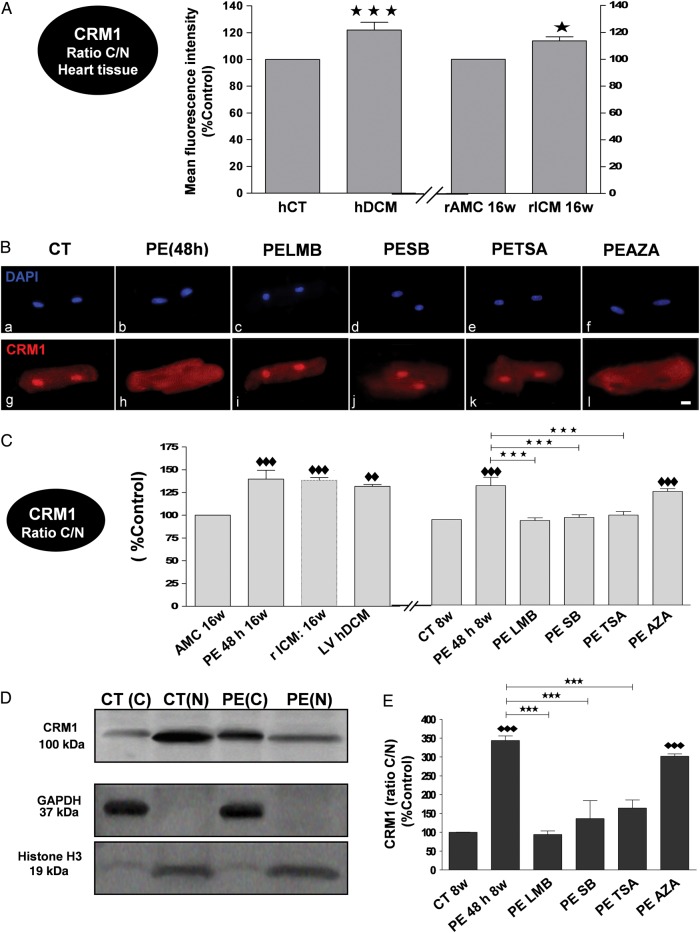
In myocardial tissue and isolated CMs from patients with dilated cardiomyopathy, nuclear size was increased; Nucleoporin p62, cytoplasmic RanBP1, and nuclear translocation of importins (α and β) were decreased while Exportin-1 was increased. CM from a rat HF model 16 weeks after myocardial infarction (MI) reproduced these nuclear changes. Nuclear import, determined by the rate of uptake of nuclear localization sequence (NLS)-tagged fluorescent substrate, was also decreased and this change was observed from 4 weeks after MI, before HF has developed. Treatment of isolated rat CMs with phenylephrine (PE) for 48 h produced similar cell and nuclear size increases, nuclear import and export protein rearrangement, and NLS substrate uptake decrease through p38 MAPK and HDAC-dependent pathways. The change in NLS substrate uptake occurred within 15 min of PE exposure. Inhibition of nuclear export with leptomycin B reversed established nuclear changes in PE-treated rat CMs and decreased NLS substrate uptake and cell/nuclear size in human CMs.
Nuclear transport changes related to increased export and decreased import are an early event in hypertrophic development. Hypertrophy can be prevented, or even reversed, by targeting import/export, which may open new therapeutic opportunities.
在心肌肥厚过程中,心肌细胞(CMs)大小增加,细胞骨架蛋白表达上调,同时胎儿基因程序重新激活。该过程被认为依赖于核输出增加,并且由于核孔运输能力有限,与之相关的核输入减少。我们的目的是研究核输入和输出在大鼠和人类心力衰竭(HF)心肌肥厚控制中的作用。
在扩张型心肌病患者的心肌组织和分离的CMs中,核尺寸增大;核孔蛋白p62、细胞质中的RanBP1以及输入蛋白(α和β)的核转位减少,而输出蛋白1增加。心肌梗死后16周的大鼠HF模型中的CMs重现了这些核变化。通过核定位序列(NLS)标记的荧光底物摄取率测定的核输入也降低,并且在HF发生前的心肌梗死后4周就观察到了这种变化。用去甲肾上腺素(PE)处理分离的大鼠CMs 48小时,通过p38丝裂原活化蛋白激酶和组蛋白去乙酰化酶依赖性途径产生了类似的细胞和核大小增加、核输入和输出蛋白重排以及NLS底物摄取减少。NLS底物摄取的变化在PE暴露后15分钟内发生。用雷帕霉素B抑制核输出可逆转PE处理的大鼠CMs中已建立的核变化,并减少人类CMs中的NLS底物摄取和细胞/核大小。
与输出增加和输入减少相关的核转运变化是肥厚发展的早期事件。通过靶向输入/输出可以预防甚至逆转肥厚,这可能会带来新的治疗机会。