Tuan Pham Anh, Zhao Shicheng, Kim Jae Kwang, Kim Yeon Bok, Yang Jingli, Li Cheng Hao, Kim Sun-Ju, Arasu Mariadhas Valan, Al-Dhabi Naif Abdullah, Park Sang Un
Department of Crop Science, Chungnam National University, 99 Daehak-Ro, Yuseong-gu, Daejeon 305-764, Korea.
Division of Life Sciences, College of Life Sciences and Bioengineering, Incheon National University, Incheon 406-772, Korea.
Molecules. 2014 Oct 24;19(11):17141-53. doi: 10.3390/molecules191117141.
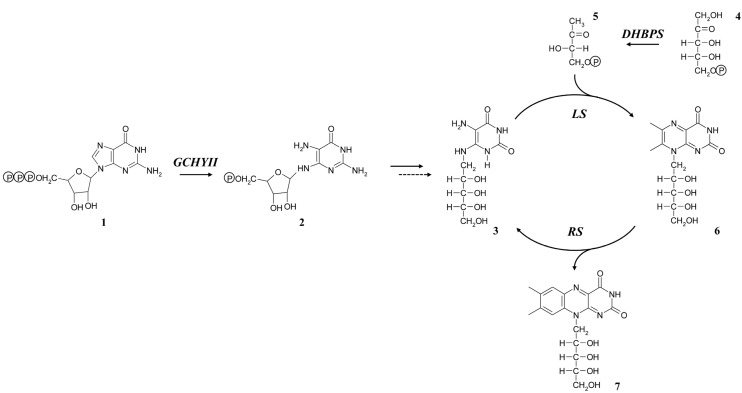
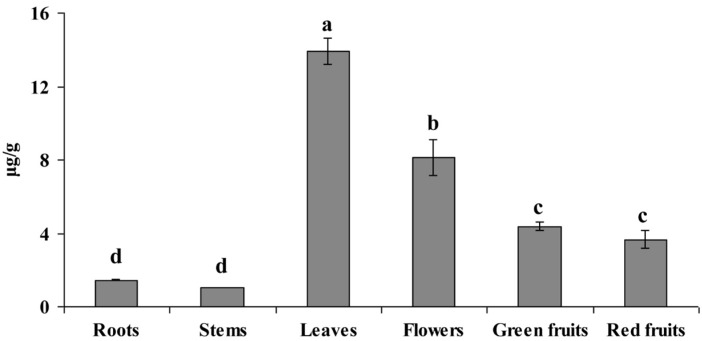
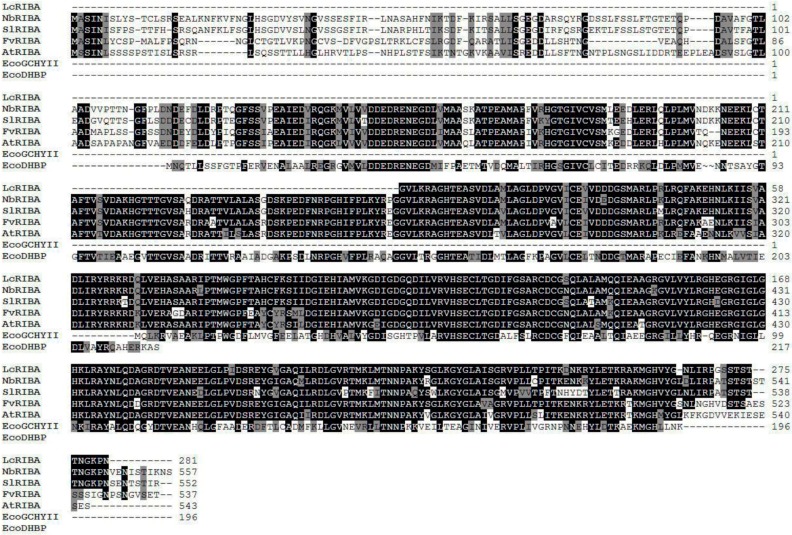
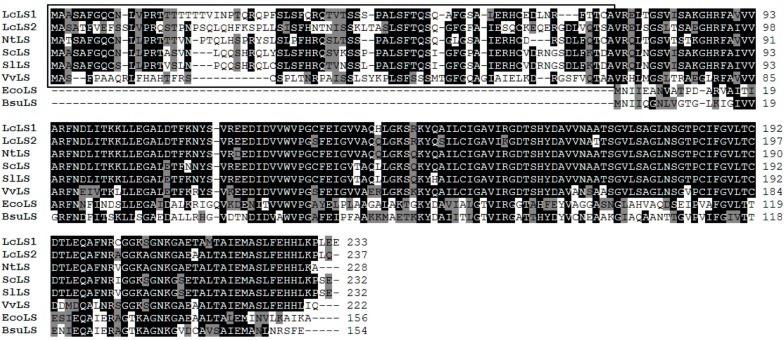
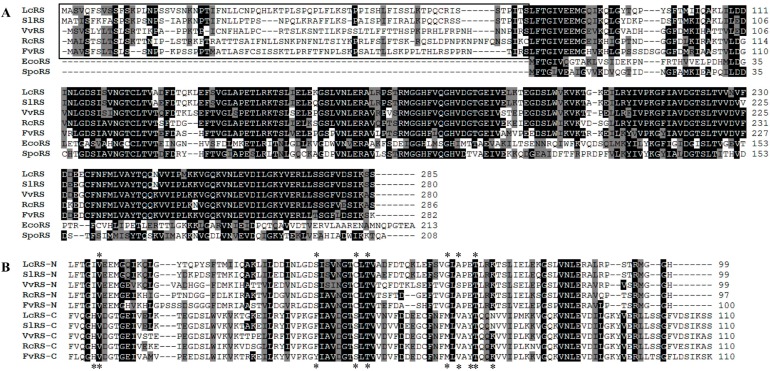
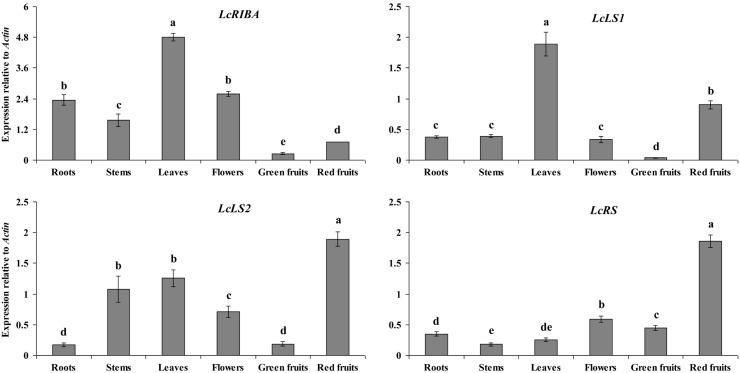
Riboflavin (vitamin B2) is the precursor of flavin mononucleotide and flavin adenine dinucleotide-essential cofactors for a wide variety of enzymes involving in numerous metabolic processes. In this study, a partial-length cDNA encoding bifunctional GTP cyclohydrolase II/3,4-dihydroxy-2-butanone-4-phosphate synthase (LcRIBA), 2 full-length cDNAs encoding lumazine synthase (LcLS1 and LcLS2), and a full-length cDNA encoding riboflavin synthase (LcRS) were isolated from Lycium chinense, an important traditional medicinal plant. Sequence analyses showed that these genes exhibited high identities with their orthologous genes as well as having the same common features related to plant riboflavin biosynthetic genes. LcRIBA, like other plant RIBAs, contained a DHBPS region in its N terminus and a GCHII region in its C-terminal part. LcLSs and LcRS carried an N-terminal extension found in plant riboflavin biosynthetic genes unlike the orthologous microbial genes. Quantitative real-time polymerase chain reaction analysis showed that 4 riboflavin biosynthetic genes were constitutively expressed in all organs examined of L. chinense plants with the highest expression levels found in the leaves or red fruits. LcRIBA, which catalyzes 2 initial reactions in riboflavin biosynthetic pathway, was the highest transcript in the leaves, and hence, the richest content of riboflavin was detected in this organ. Our study might provide the basis for investigating the contribution of riboflavin in diverse biological activities of L. chinense and may facilitate the metabolic engineering of vitamin B2 in crop plants.
核黄素(维生素B2)是黄素单核苷酸和黄素腺嘌呤二核苷酸的前体,这两种物质是多种参与众多代谢过程的酶的必需辅因子。在本研究中,从重要的传统药用植物枸杞中分离出了编码双功能GTP环化水解酶II/3,4-二羟基-2-丁酮-4-磷酸合酶(LcRIBA)的部分长度cDNA、编码鲁棒嗪合酶的2个全长cDNA(LcLS1和LcLS2)以及编码核黄素合酶的1个全长cDNA(LcRS)。序列分析表明,这些基因与其直系同源基因具有高度同源性,并且具有与植物核黄素生物合成基因相关的相同共同特征。LcRIBA与其他植物RIBAs一样,在其N端包含一个DHBPS区域,在其C端部分包含一个GCHII区域。与直系同源微生物基因不同,LcLSs和LcRS带有植物核黄素生物合成基因中发现的N端延伸。定量实时聚合酶链反应分析表明,4个核黄素生物合成基因在枸杞植株所有检测器官中组成型表达,在叶片或红色果实中表达水平最高。LcRIBA催化核黄素生物合成途径中的2个初始反应,是叶片中转录本最高的基因,因此,在该器官中检测到的核黄素含量最丰富。我们的研究可能为研究核黄素在枸杞多种生物活性中的作用提供基础,并可能促进作物中维生素B2的代谢工程。