Hoffmann Andrew D, Yang Xinan Holly, Burnicka-Turek Ozanna, Bosman Joshua D, Ren Xiaomeng, Steimle Jeffrey D, Vokes Steven A, McMahon Andrew P, Kalinichenko Vladimir V, Moskowitz Ivan P
Departments of Pediatrics, Pathology, and Human Genetics, The University of Chicago, Chicago, Illinois, United States of America.
Department of Pediatrics, Cincinnati Children's Hospital Medical Center, Cincinnati, Ohio, United States of America.
PLoS Genet. 2014 Oct 30;10(10):e1004604. doi: 10.1371/journal.pgen.1004604. eCollection 2014 Oct.
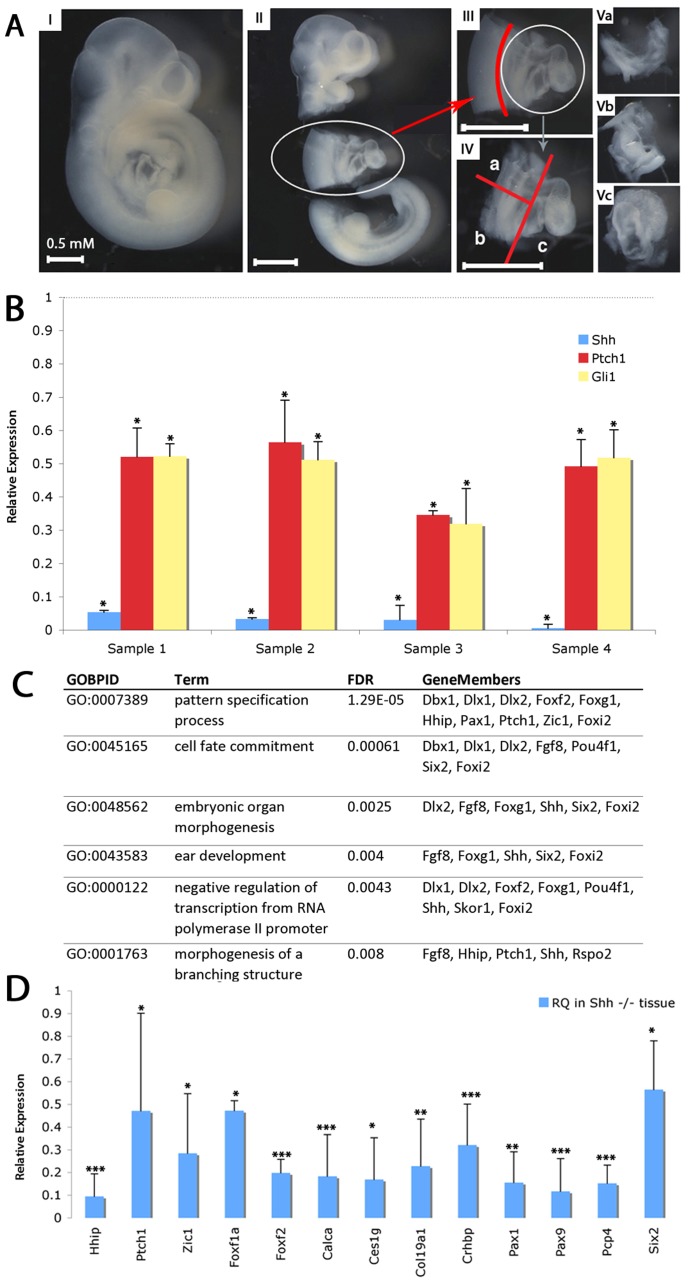
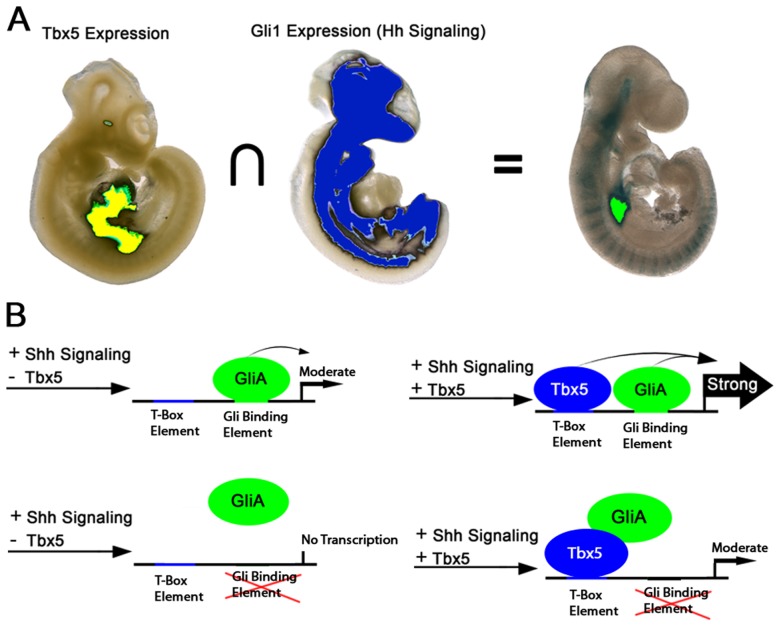
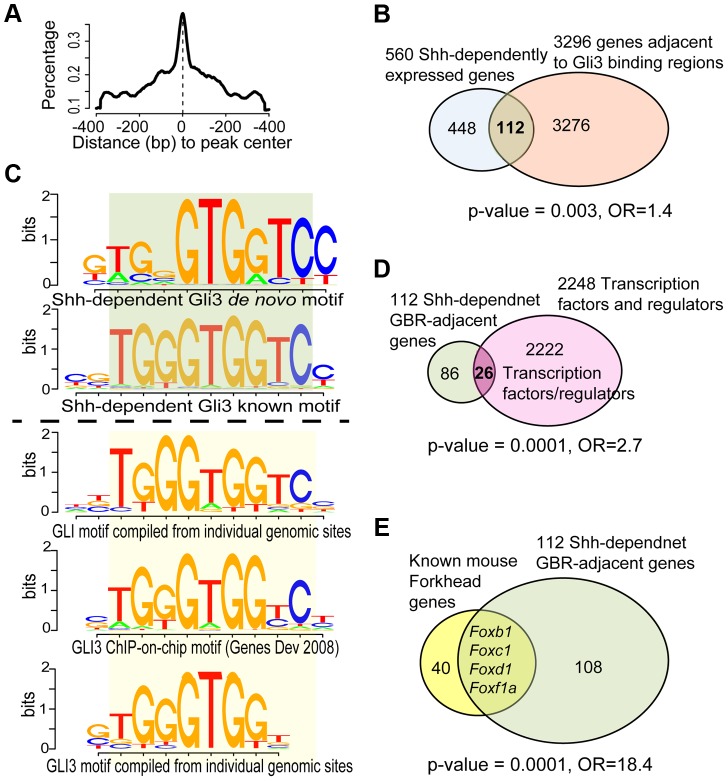
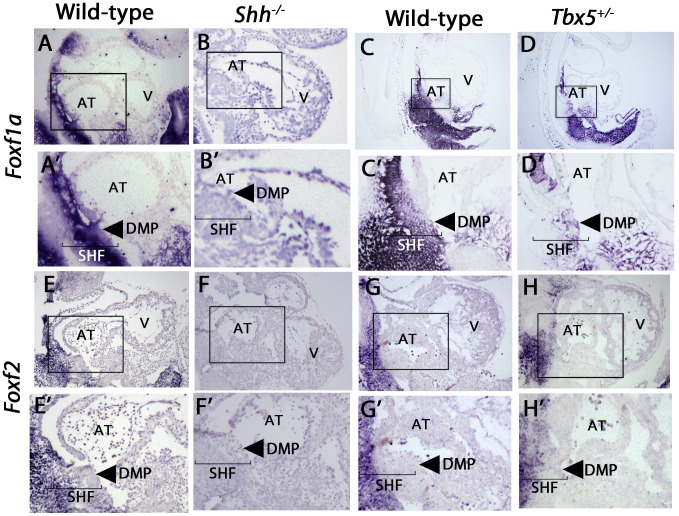
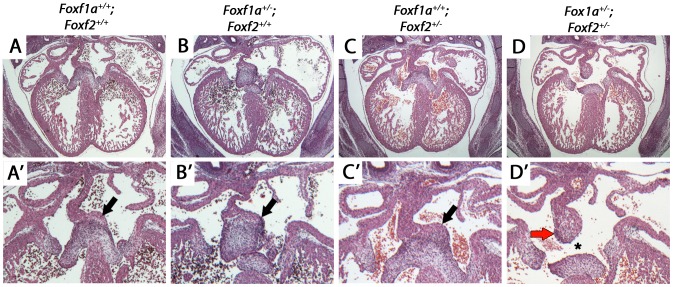
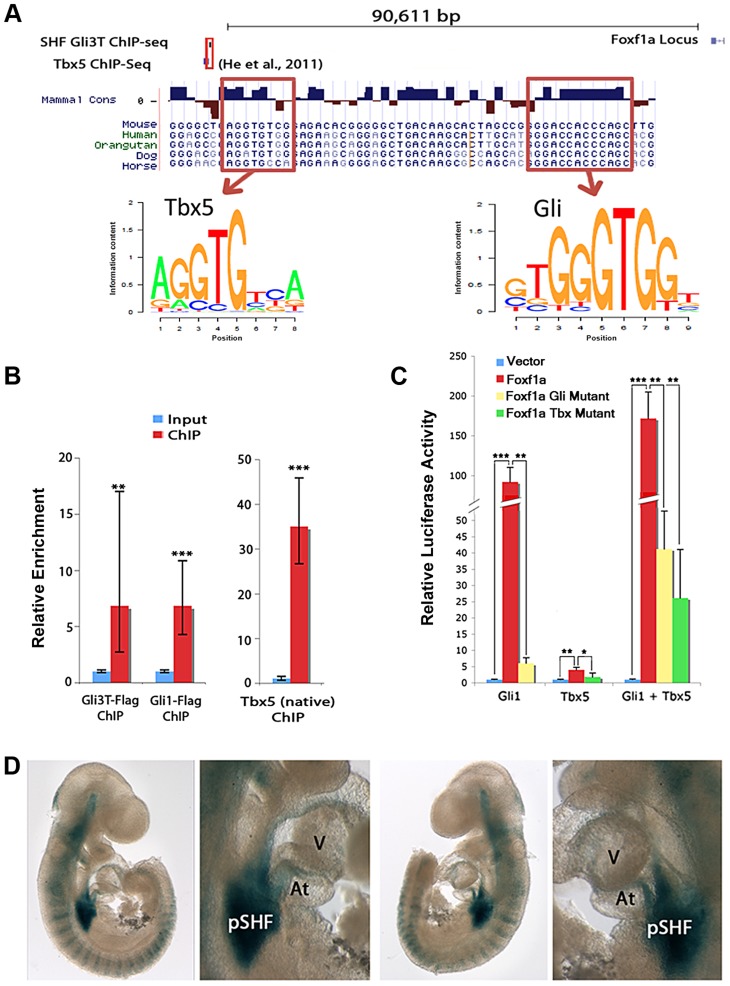
The Second Heart Field (SHF) has been implicated in several forms of congenital heart disease (CHD), including atrioventricular septal defects (AVSDs). Identifying the SHF gene regulatory networks required for atrioventricular septation is therefore an essential goal for understanding the molecular basis of AVSDs. We defined a SHF Hedgehog-dependent gene regulatory network using whole genome transcriptional profiling and GLI-chromatin interaction studies. The Forkhead box transcription factors Foxf1a and Foxf2 were identified as SHF Hedgehog targets. Compound haploinsufficiency for Foxf1a and Foxf2 caused atrioventricular septal defects, demonstrating the biological relevance of this regulatory network. We identified a Foxf1a cis-regulatory element that bound the Hedgehog transcriptional regulators GLI1 and GLI3 and the T-box transcription factor TBX5 in vivo. GLI1 and TBX5 synergistically activated transcription from this cis-regulatory element in vitro. This enhancer drove reproducible expression in vivo in the posterior SHF, the only region where Gli1 and Tbx5 expression overlaps. Our findings implicate Foxf genes in atrioventricular septation, describe the molecular underpinnings of the genetic interaction between Hedgehog signaling and Tbx5, and establish a molecular model for the selection of the SHF gene regulatory network for cardiac septation.
第二心脏场(SHF)与多种先天性心脏病(CHD)有关,包括房室间隔缺损(AVSD)。因此,确定房室间隔形成所需的SHF基因调控网络是理解AVSD分子基础的一个重要目标。我们利用全基因组转录谱分析和GLI-染色质相互作用研究定义了一个依赖于SHF刺猬信号通路的基因调控网络。叉头框转录因子Foxf1a和Foxf2被确定为SHF刺猬信号通路的靶点。Foxf1a和Foxf2的复合单倍剂量不足导致房室间隔缺损,证明了该调控网络的生物学相关性。我们在体内鉴定了一个Foxf1a顺式调控元件,它能结合刺猬信号通路转录调节因子GLI1和GLI3以及T盒转录因子TBX5。GLI1和TBX5在体外协同激活该顺式调控元件的转录。该增强子在体内后SHF中驱动可重复的表达,后SHF是Gli1和Tbx5表达重叠的唯一区域。我们的研究结果表明Foxf基因参与房室间隔形成,描述了刺猬信号通路与Tbx5之间遗传相互作用的分子基础,并建立了一个用于选择心脏间隔形成的SHF基因调控网络的分子模型。