Müller Christian Menno, Pejcic Bobby, Esteban Lionel, Delle Piane Claudio, Raven Mark, Mizaikoff Boris
1] CSIRO, Energy Flagship, 26 Dick Perry Ave, Kensington, WA, Australia, 6151 [2] University of Ulm, Institute of Analytical and Bioanalytical Chemistry, Albert-Einstein-Allee 11, 89081 Ulm, Germany.
CSIRO, Energy Flagship, 26 Dick Perry Ave, Kensington, WA, Australia, 6151.
Sci Rep. 2014 Oct 31;4:6764. doi: 10.1038/srep06764.
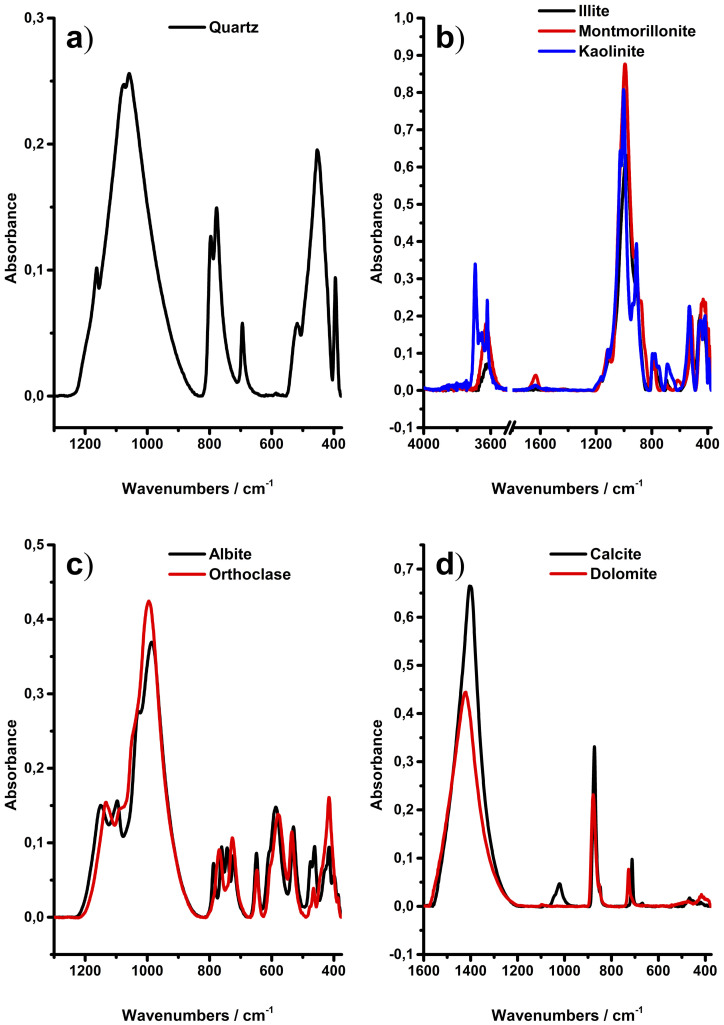
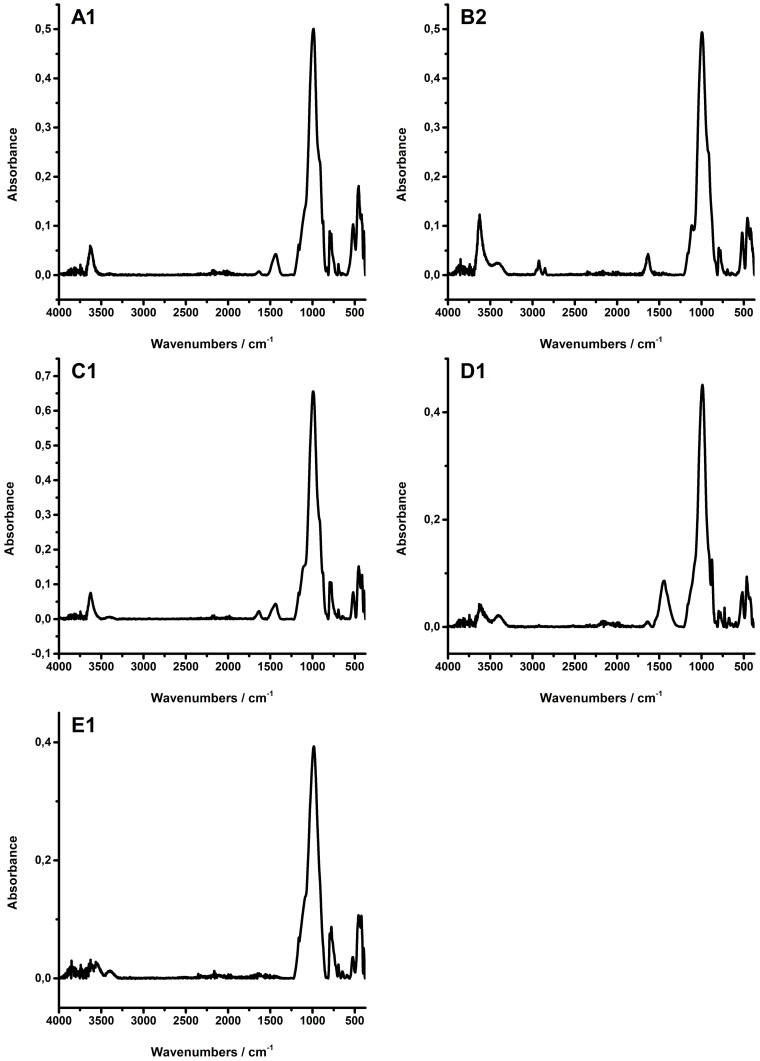
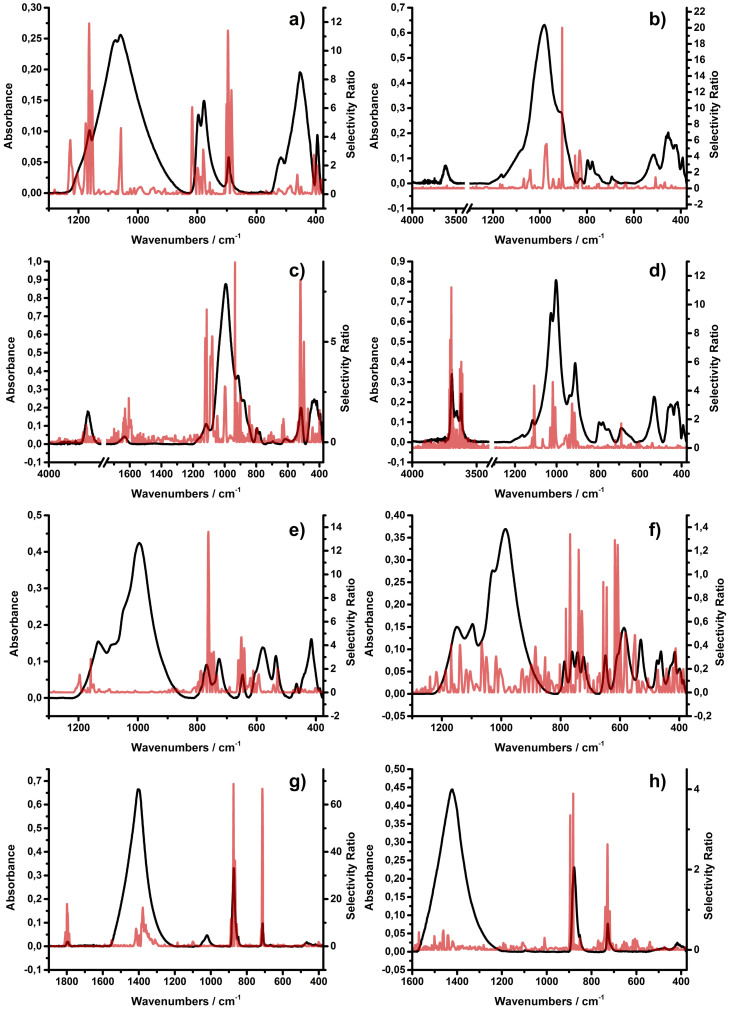
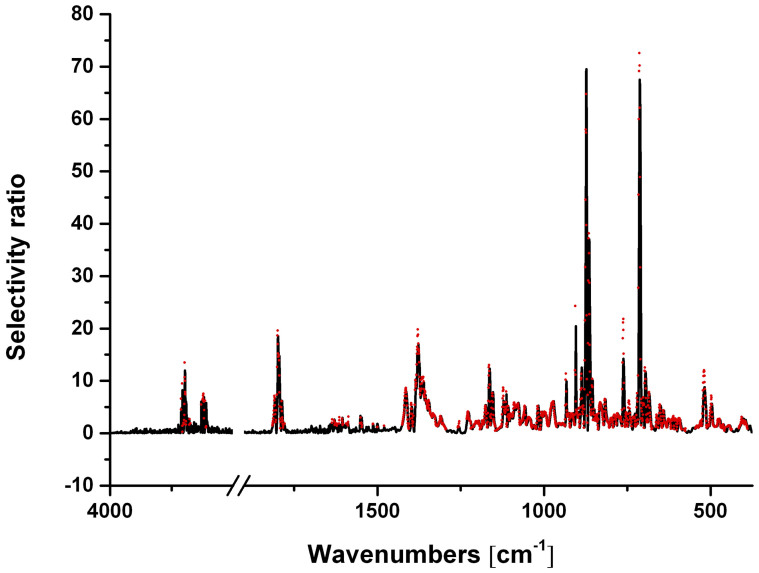
The direct qualitative and quantitative determination of mineral components in shale rocks is a problem that has not been satisfactorily resolved to date. Infrared spectroscopy (IR) is a non-destructive method frequently used in mineral identification, yet challenging due to the similarity of spectral features resulting from quartz, clay, and feldspar minerals. This study reports on a significant improvement of this methodology by combining infrared attenuated total reflection spectroscopy (IR-ATR) with partial least squares (PLS) regression techniques for classifying and quantifying various mineral components present in a number of different shale rocks. The developed multivariate classification model was calibrated using pure component mixtures of the most common shale minerals (i.e., kaolinite, illite, montmorillonite, calcite, and quartz). Using this model, the IR spectra of 11 real-world shale samples were analyzed and evaluated. Finally, the performance of the developed IR-ATR method was compared with results obtained via X-ray diffraction (XRD) analysis.
页岩中矿物成分的直接定性和定量测定是一个至今尚未得到圆满解决的问题。红外光谱法(IR)是矿物鉴定中常用的一种无损方法,但由于石英、粘土和长石矿物产生的光谱特征相似,该方法具有挑战性。本研究报告了通过将红外衰减全反射光谱法(IR-ATR)与偏最小二乘法(PLS)回归技术相结合,对多种不同页岩中存在的各种矿物成分进行分类和定量,从而对该方法进行了重大改进。所开发的多元分类模型使用最常见的页岩矿物(即高岭石、伊利石、蒙脱石、方解石和石英)的纯组分混合物进行校准。利用该模型,对11个实际页岩样品的红外光谱进行了分析和评估。最后,将所开发的IR-ATR方法的性能与通过X射线衍射(XRD)分析获得的结果进行了比较。