Urbano Francisco J, D'Onofrio Stasia M, Luster Brennon R, Beck Paige B, Hyde James Robert, Bisagno Veronica, Garcia-Rill Edgar
IFIBYNE & ININFA-CONICET, University of Buenos Aires , Buenos Aires , Argentina.
Center for Translational Neuroscience, Department of Neurobiology and Developmental Sciences, University of Arkansas for Medical Sciences , Little Rock, AR , USA.
Front Neurol. 2014 Oct 20;5:210. doi: 10.3389/fneur.2014.00210. eCollection 2014.
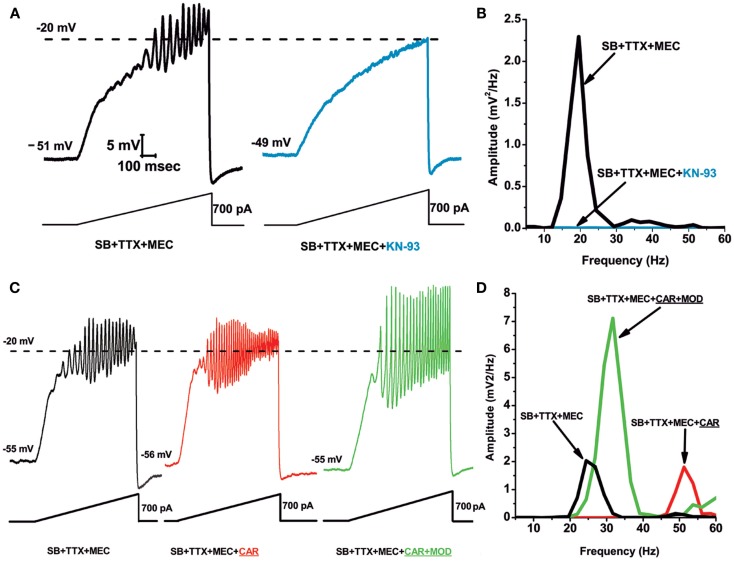
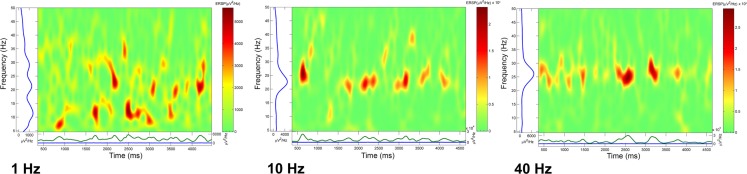
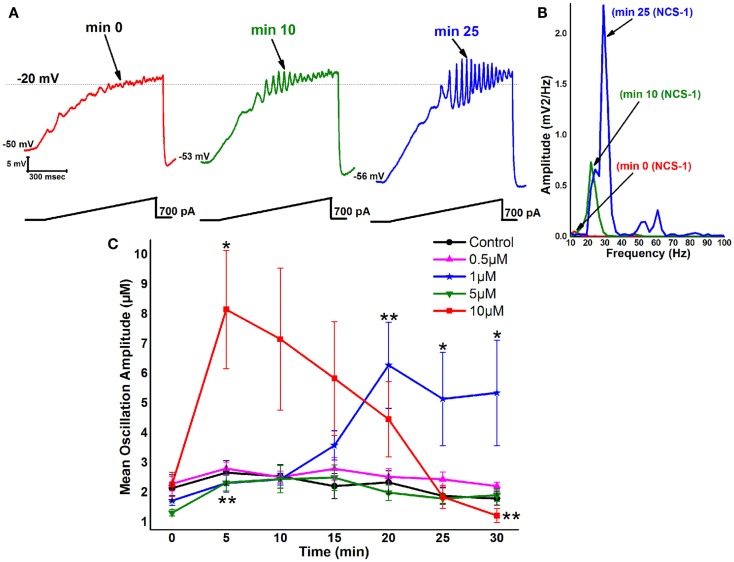
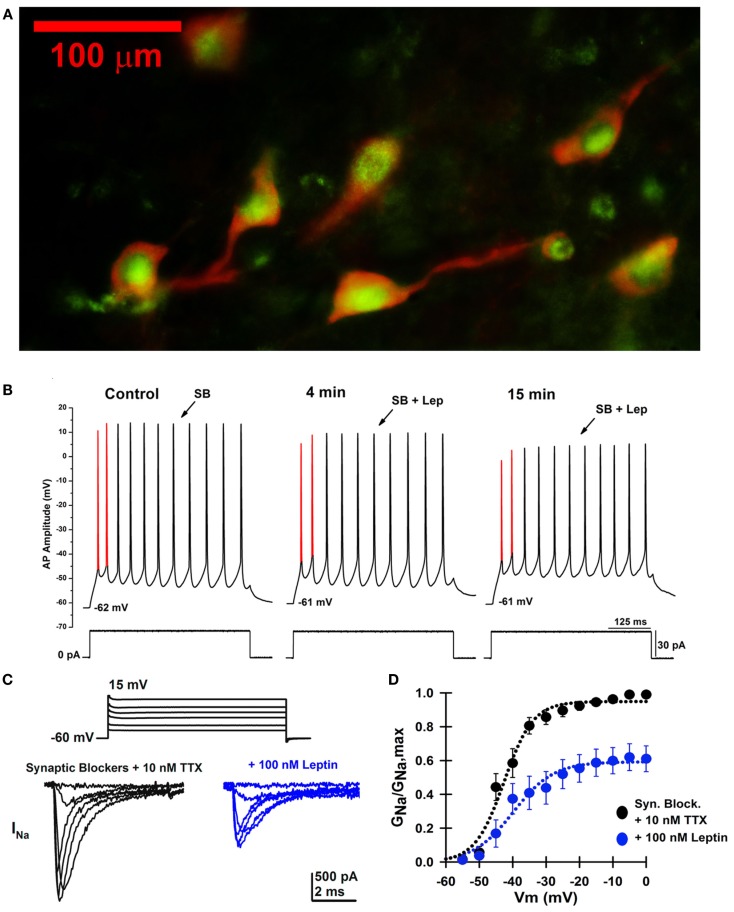
The pedunculopontine nucleus (PPN) is a major component of the reticular activating system (RAS) that regulates waking and REM sleep, states of high-frequency EEG activity. Recently, we described the presence of high threshold, voltage-dependent N- and P/Q-type calcium channels in RAS nuclei that subserve gamma band oscillations in the mesopontine PPN, intralaminar parafascicular nucleus (Pf), and pontine subcoeruleus nucleus dorsalis (SubCD). Cortical gamma band activity participates in sensory perception, problem solving, and memory. Rather than participating in the temporal binding of sensory events as in the cortex, gamma band activity in the RAS may participate in the processes of preconscious awareness, and provide the essential stream of information for the formulation of many of our actions. That is, the RAS may play an early permissive role in volition. Our latest results suggest that (1) the manifestation of gamma band activity during waking may employ a separate intracellular pathway compared to that during REM sleep, (2) neuronal calcium sensor (NCS-1) protein, which is over expressed in schizophrenia and bipolar disorder, modulates gamma band oscillations in the PPN in a concentration-dependent manner, (3) leptin, which undergoes resistance in obesity resulting in sleep dysregulation, decreases sodium currents in PPN neurons, accounting for its normal attenuation of waking, and (4) following our discovery of electrical coupling in the RAS, we hypothesize that there are cell clusters within the PPN that may act in concert. These results provide novel information on the mechanisms controlling high-frequency activity related to waking and REM sleep by elements of the RAS.
脚桥核(PPN)是网状激活系统(RAS)的主要组成部分,该系统调节清醒和快速眼动睡眠,即高频脑电图活动状态。最近,我们描述了RAS核中存在高阈值、电压依赖性的N型和P/Q型钙通道,这些通道在中脑桥脚桥核、板内核束旁核(Pf)和脑桥背侧蓝斑下核(SubCD)中参与γ波段振荡。皮层γ波段活动参与感觉知觉、问题解决和记忆。与皮层中参与感觉事件的时间绑定不同,RAS中的γ波段活动可能参与前意识感知过程,并为我们许多行为的形成提供基本的信息流。也就是说,RAS可能在意志形成中发挥早期的许可作用。我们的最新结果表明:(1)清醒期间γ波段活动的表现可能与快速眼动睡眠期间采用不同的细胞内途径;(2)在精神分裂症和双相情感障碍中过度表达的神经元钙传感器(NCS-1)蛋白以浓度依赖的方式调节脚桥核中的γ波段振荡;(3)瘦素在肥胖中产生抵抗,导致睡眠失调,它会降低脚桥核神经元中的钠电流,这解释了其对清醒的正常减弱作用;(4)在我们发现RAS中存在电耦合之后,我们假设脚桥核内存在可能协同作用的细胞簇。这些结果为RAS元件控制与清醒和快速眼动睡眠相关的高频活动的机制提供了新信息。