Scott Sarah A, Spencer Cierra T, O'Reilly Matthew C, Brown Kyle A, Lavieri Robert R, Cho Chul-Hee, Jung Dai-Il, Larock Richard C, Brown H Alex, Lindsley Craig W
Department of Pharmacology, ‡Department of Chemistry, §Department of Biochemistry, ∥Vanderbilt Institute of Chemical Biology, Vanderbilt University , Nashville, Tennessee 37232, United States.
ACS Chem Biol. 2015 Feb 20;10(2):421-32. doi: 10.1021/cb500828m. Epub 2014 Nov 19.
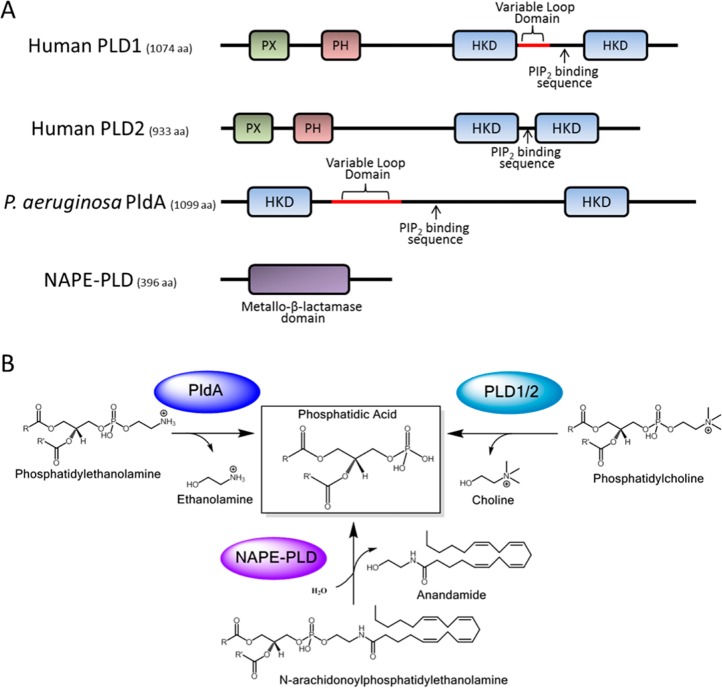
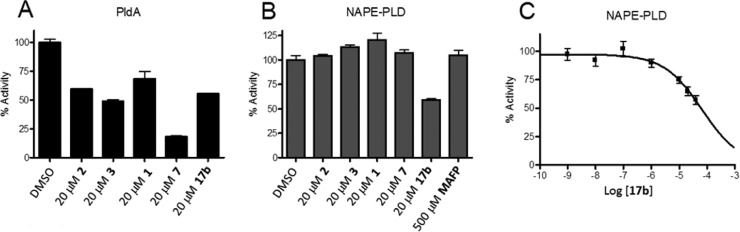
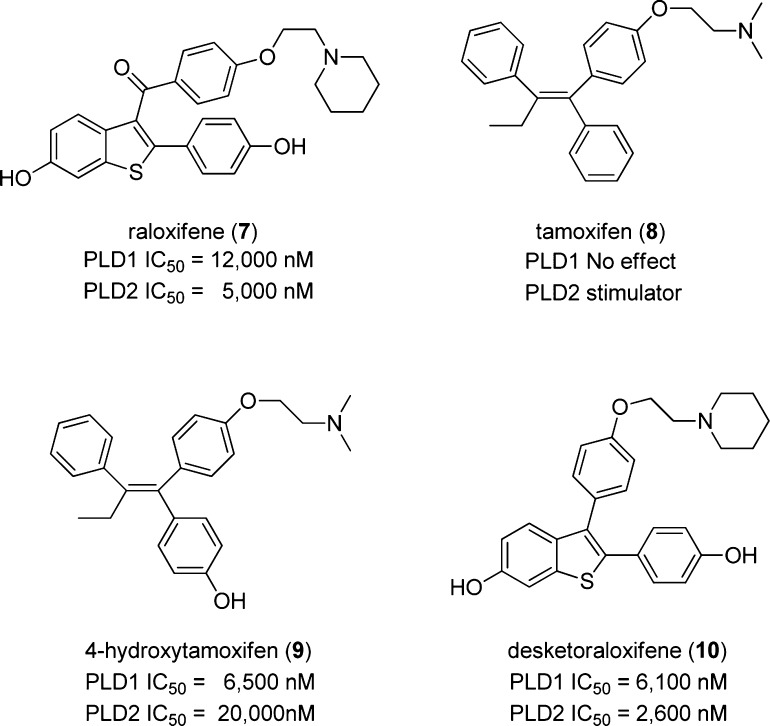
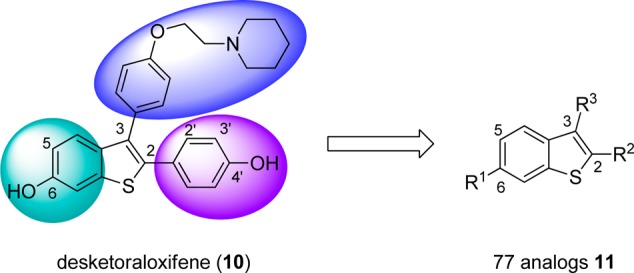
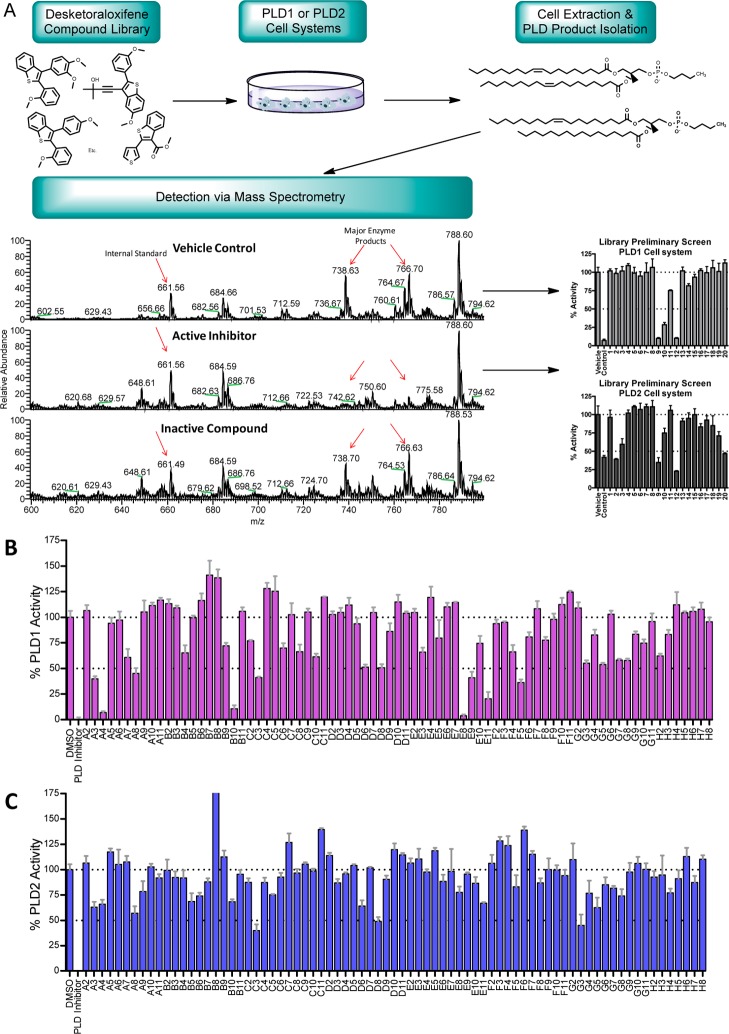
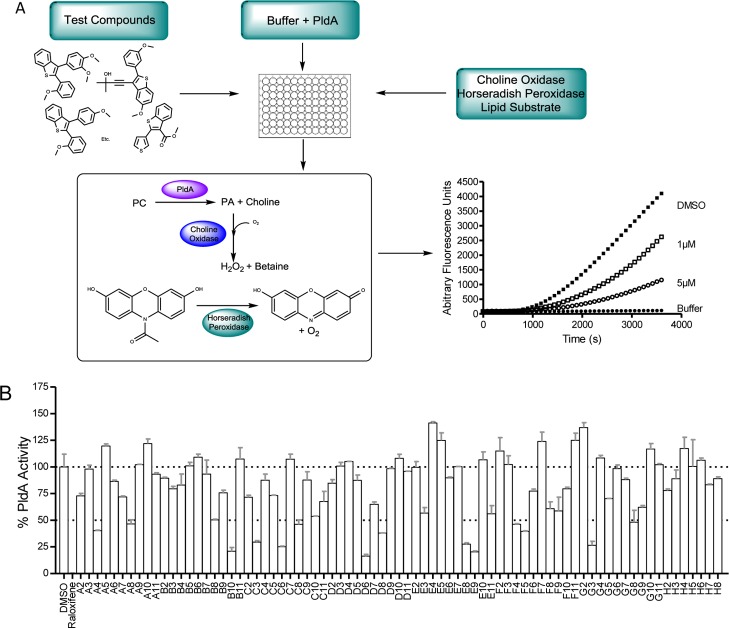
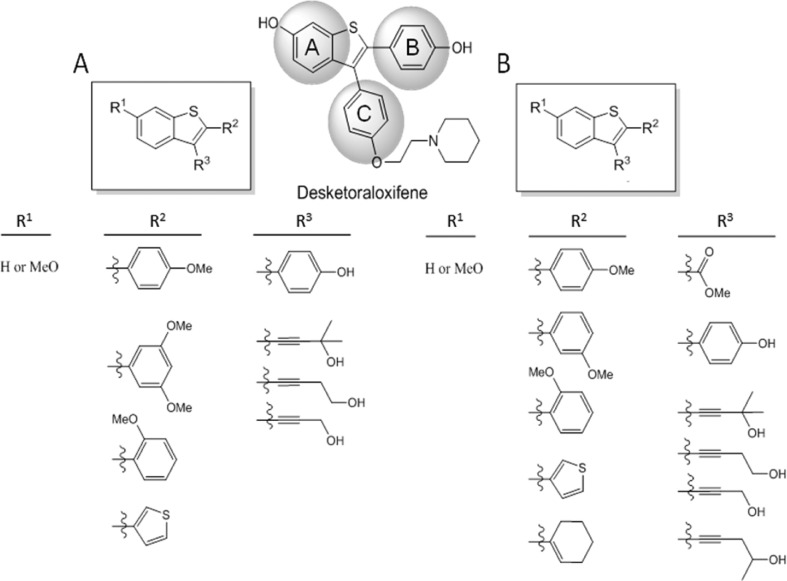
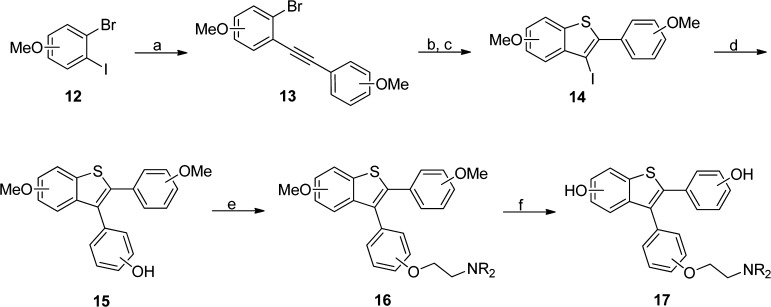
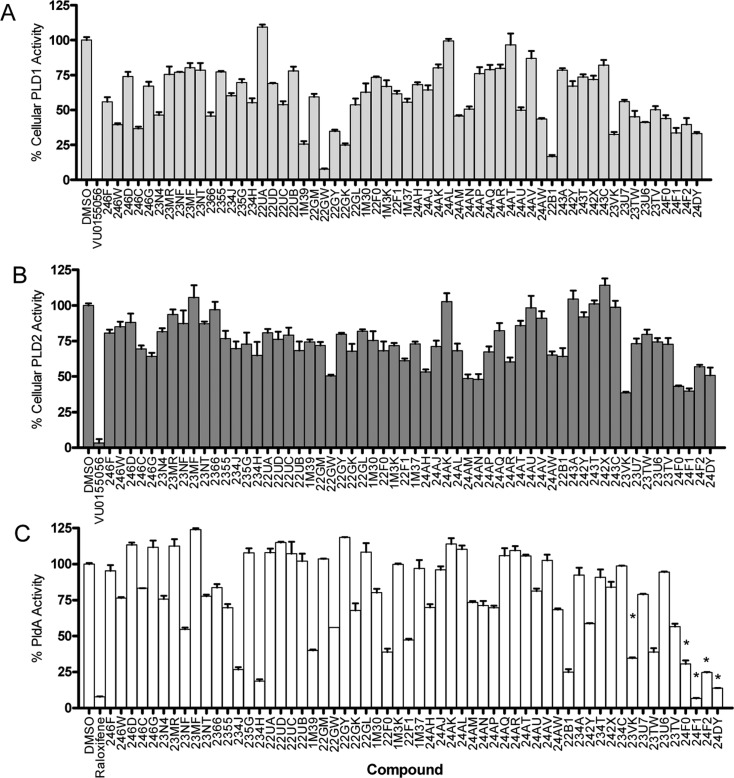
Phospholipase D (PLD) hydrolyses cellular lipids to produce the important lipid second messenger phosphatidic acid. A PLD enzyme expressed by Pseudomonas aeruginosa (PldA) has been shown to be important in bacterial infection, and NAPE-PLD has emerged as being key in the synthesis of endocannabinoids. In order to better understand the biology and therapeutic potential of these less explored PLD enzymes, small molecule tools are required. Selective estrogen receptor modulators (SERMs) have been previously shown to inhibit mammalian PLD (PLD1 and PLD2). By targeted screening of a library of SERM analogues, additional parallel synthesis, and evaluation in multiple PLD assays, we discovered a novel desketoraloxifene-based scaffold that inhibited not only the two mammalian PLDs but also structurally divergent PldA and NAPE-PLD. This finding represents an important first step toward the development of small molecules possessing universal inhibition of divergent PLD enzymes to advance the field.
磷脂酶D(PLD)可水解细胞脂质,生成重要的脂质第二信使磷脂酸。铜绿假单胞菌表达的一种PLD酶(PldA)已被证明在细菌感染中起重要作用,而NAPE - PLD已成为内源性大麻素合成的关键酶。为了更好地理解这些研究较少的PLD酶的生物学特性和治疗潜力,需要小分子工具。选择性雌激素受体调节剂(SERM)此前已被证明可抑制哺乳动物PLD(PLD1和PLD2)。通过对SERM类似物文库进行靶向筛选、额外的平行合成以及在多种PLD检测中进行评估,我们发现了一种基于去甲氯米芬的新型支架,它不仅能抑制两种哺乳动物PLD,还能抑制结构不同的PldA和NAPE - PLD。这一发现是朝着开发具有普遍抑制不同PLD酶功能的小分子以推动该领域发展迈出的重要第一步。