Ahn Chang Sook, Ahn Hee-Kyung, Pai Hyun-Sook
Department of Systems Biology, Yonsei University, Seoul 120-749, Korea.
Department of Systems Biology, Yonsei University, Seoul 120-749, Korea
J Exp Bot. 2015 Feb;66(3):827-40. doi: 10.1093/jxb/eru438. Epub 2014 Nov 15.
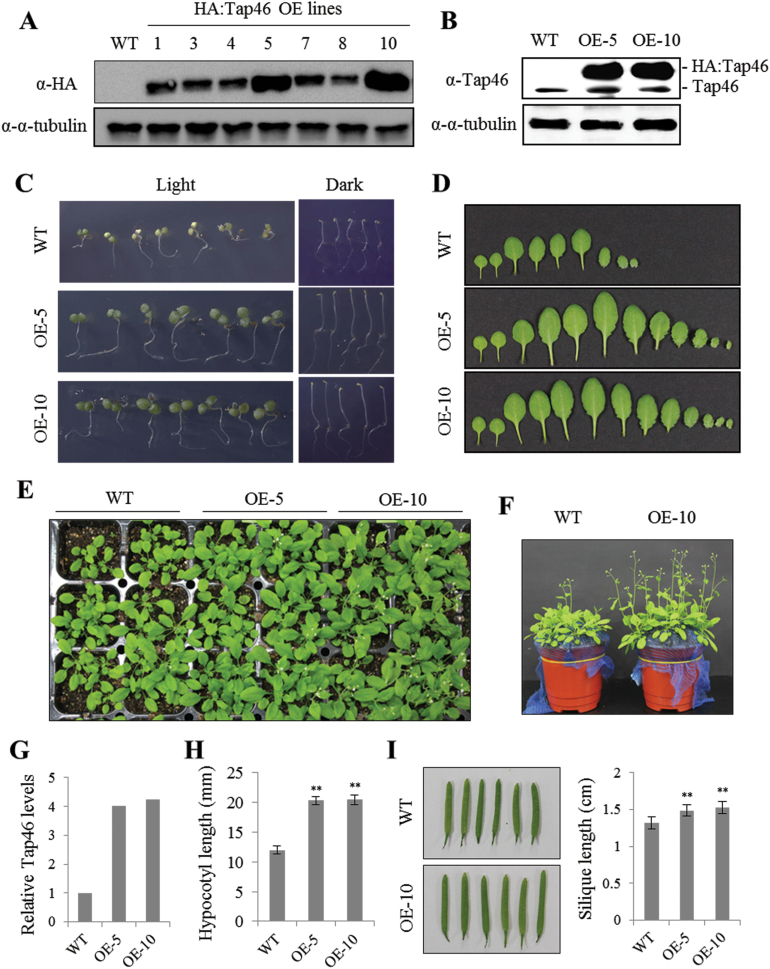
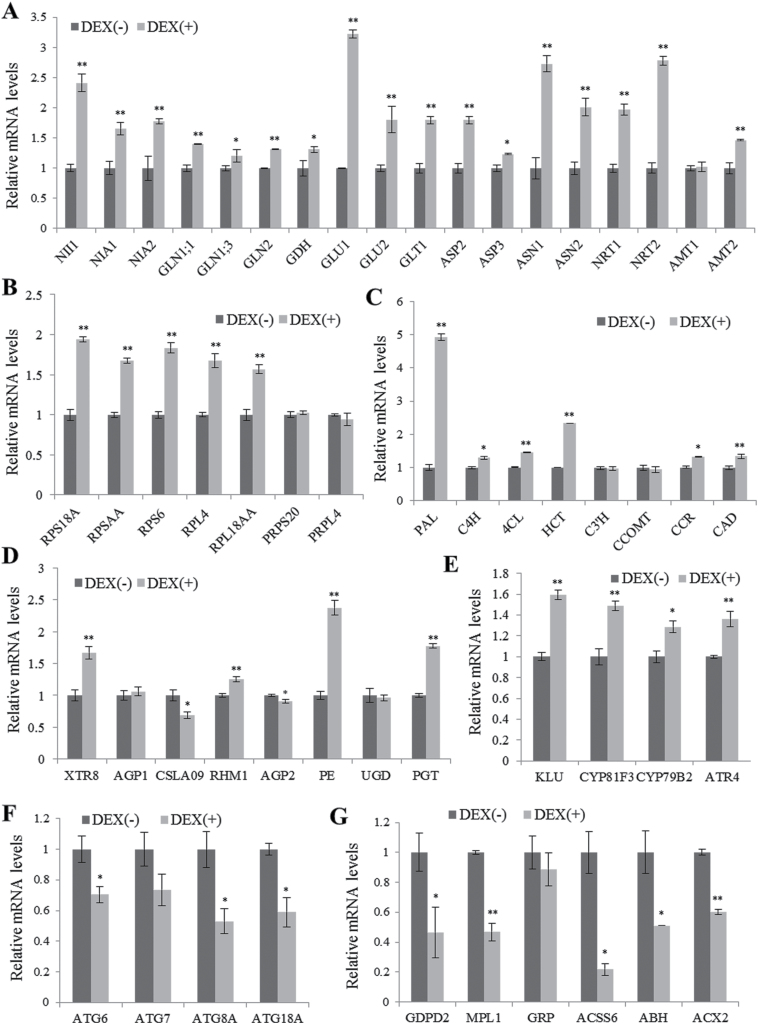
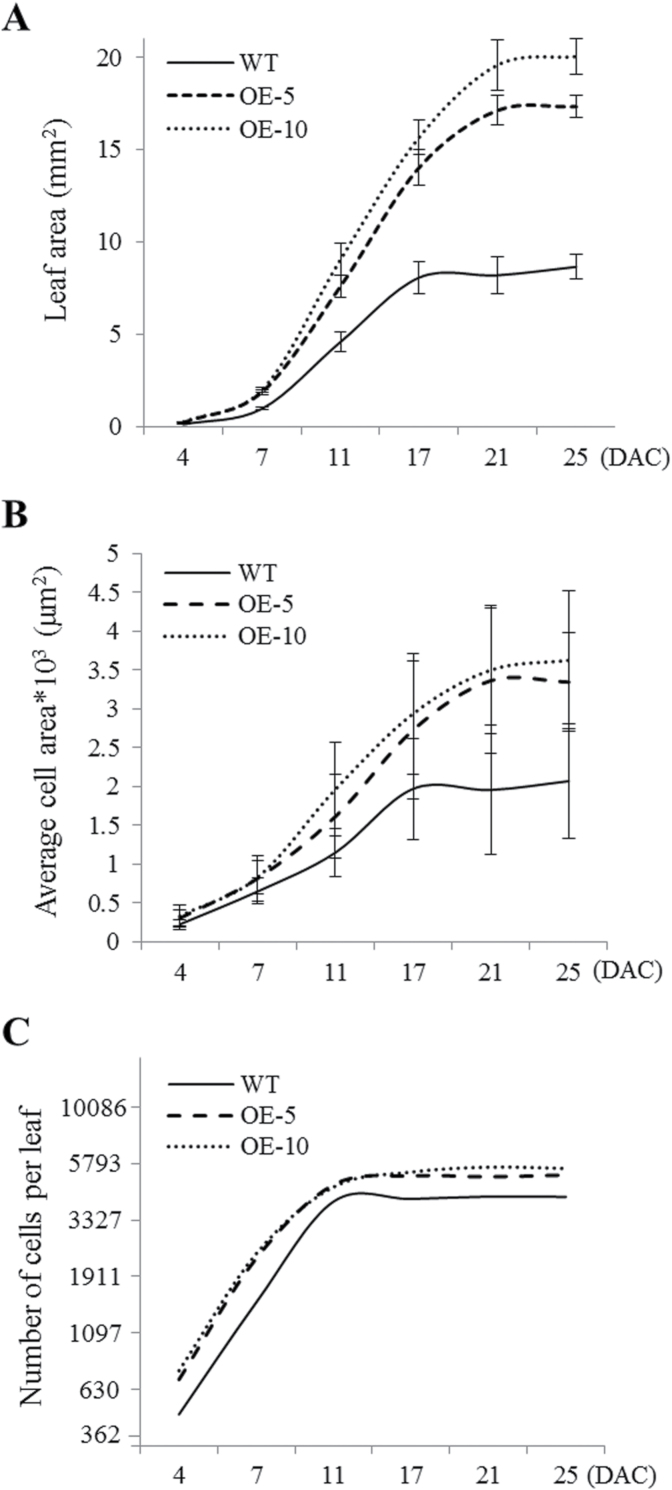
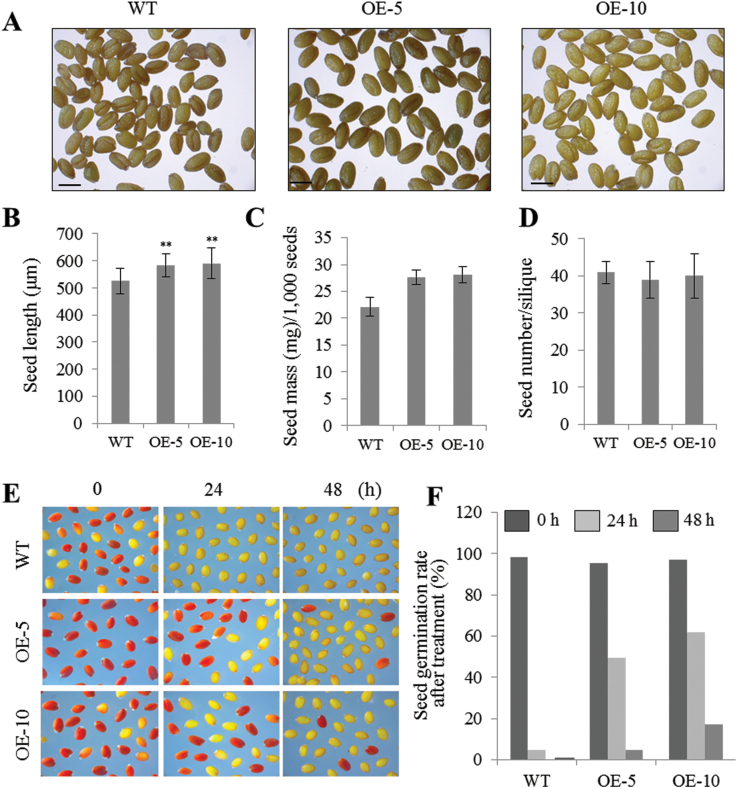
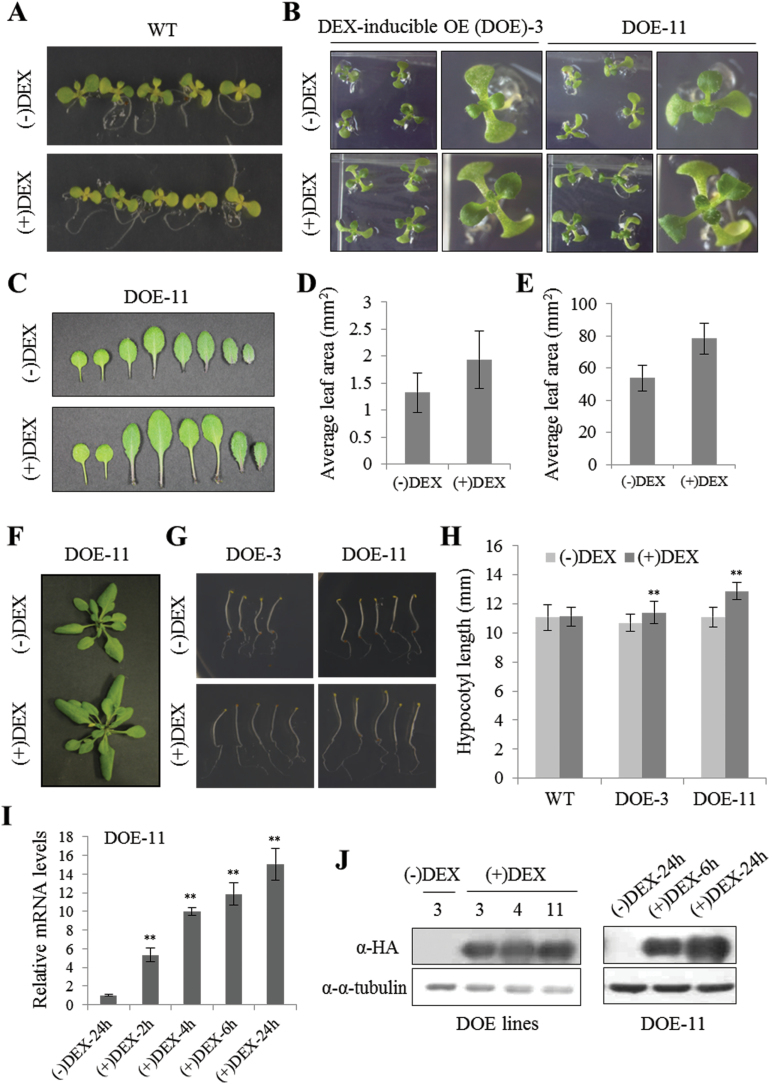
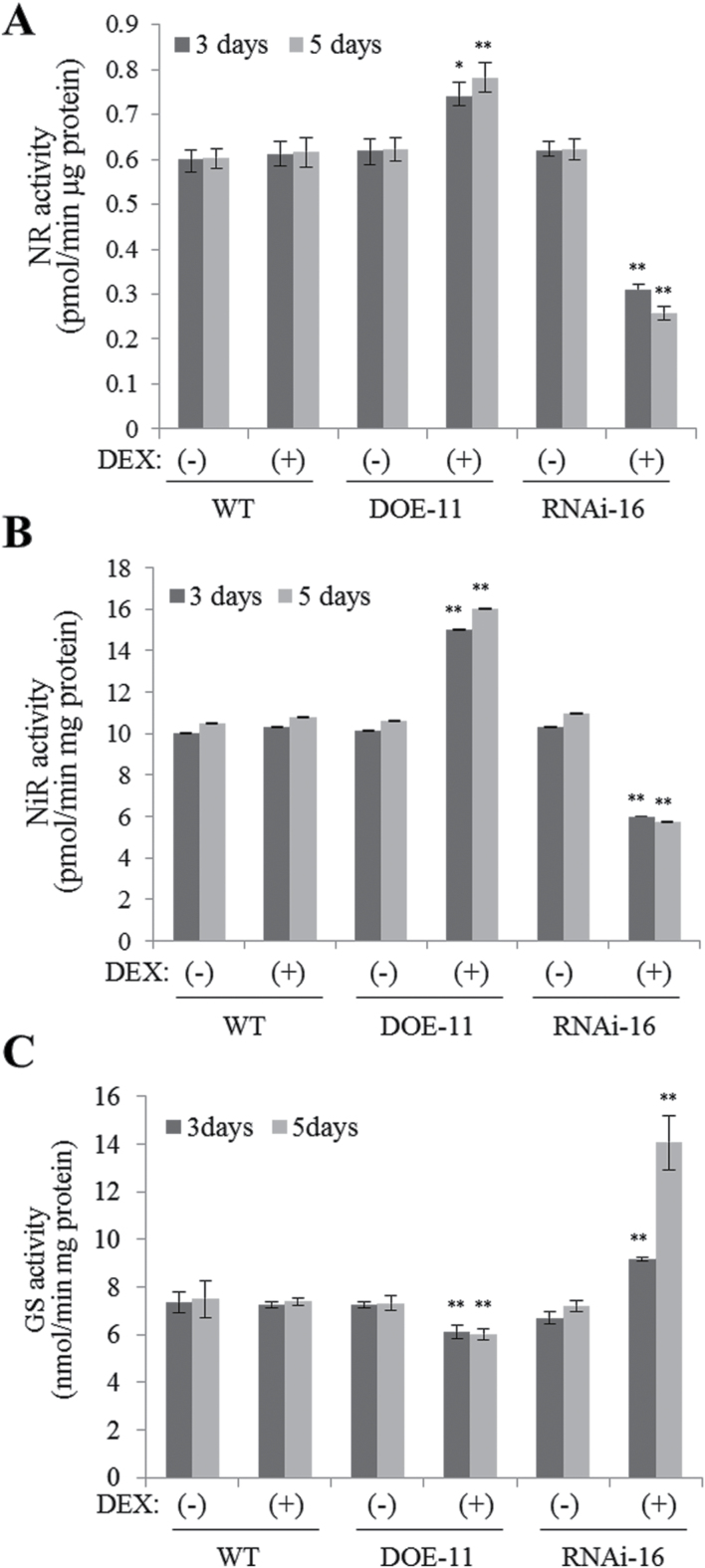
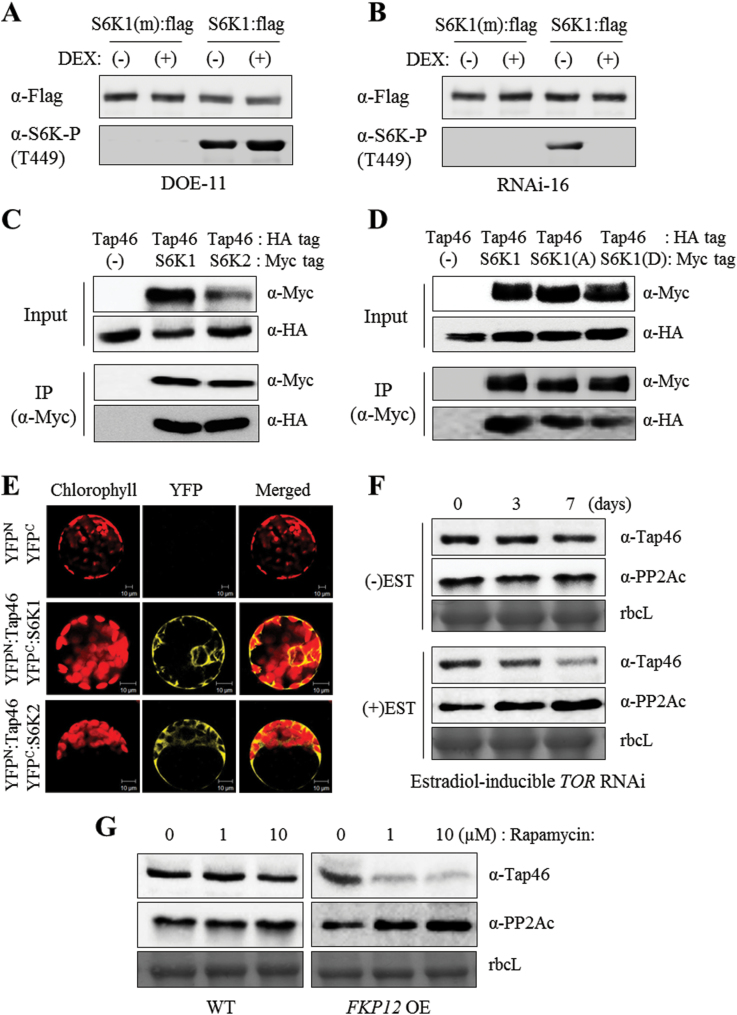
Tap46, a regulatory subunit of protein phosphatase 2A (PP2A), plays an essential role in plant growth and development through a functional link with the Target of Rapamycin (TOR) signalling pathway. Here, we have characterized the molecular mechanisms behind a gain-of-function phenotype of Tap46 and its relationship with TOR to gain further insights into Tap46 function in plants. Constitutive overexpression of Tap46 in Arabidopsis resulted in overall growth stimulation with enlarged organs, such as leaves and siliques. Kinematic analysis of leaf growth revealed that increased cell size was mainly responsible for the leaf enlargement. Tap46 overexpression also enhanced seed size and viability under accelerated ageing conditions. Enhanced plant growth was also observed in dexamethasone (DEX)-inducible Tap46 overexpression Arabidopsis lines, accompanied by increased cellular activities of nitrate-assimilating enzymes. DEX-induced Tap46 overexpression and Tap46 RNAi resulted in increased and decreased phosphorylation of S6 kinase (S6K), respectively, which is a sensitive indicator of endogenous TOR activity, and Tap46 interacted with S6K in planta based on bimolecular fluorescence complementation and co-immunoprecipitation. Furthermore, inactivation of TOR by estradiol-inducible RNAi or rapamycin treatment decreased Tap46 protein levels, but increased PP2A catalytic subunit levels. Real-time quantitative PCR analysis revealed that Tap46 overexpression induced transcriptional modulation of genes involved in nitrogen metabolism, ribosome biogenesis, and lignin biosynthesis. These findings suggest that Tap46 modulates plant growth as a positive effector of the TOR signalling pathway and Tap46/PP2Ac protein abundance is regulated by TOR activity.
Tap46是蛋白磷酸酶2A(PP2A)的一个调节亚基,通过与雷帕霉素靶蛋白(TOR)信号通路的功能联系,在植物生长发育中发挥重要作用。在此,我们对Tap46功能获得型表型背后的分子机制及其与TOR的关系进行了表征,以进一步深入了解Tap46在植物中的功能。拟南芥中Tap46的组成型过表达导致整体生长受到刺激,叶片和角果等器官增大。叶片生长的运动学分析表明,细胞大小增加是叶片增大的主要原因。Tap46过表达还提高了加速老化条件下种子的大小和活力。在可地塞米松(DEX)诱导的Tap46过表达拟南芥株系中也观察到植物生长增强,同时伴随着硝酸盐同化酶细胞活性的增加。DEX诱导的Tap46过表达和Tap46 RNA干扰分别导致S6激酶(S6K)磷酸化增加和减少,S6K是内源性TOR活性的敏感指标,基于双分子荧光互补和免疫共沉淀,Tap46在植物中与S6K相互作用。此外,通过雌二醇诱导的RNA干扰或雷帕霉素处理使TOR失活会降低Tap46蛋白水平,但会增加PP2A催化亚基水平。实时定量PCR分析表明,Tap46过表达诱导了参与氮代谢、核糖体生物合成和木质素生物合成的基因的转录调控。这些发现表明,Tap46作为TOR信号通路的正效应因子调节植物生长,并且Tap46/PP2Ac蛋白丰度受TOR活性调控。