Center for Advanced Endoscopy, Division of Gastroenterology, Beth Israel Deaconess Medical Center, Harvard Medical School, Boston, MA, USA.
Center for Advanced Endoscopy, Division of Gastroenterology, Beth Israel Deaconess Medical Center, Harvard Medical School, Boston, MA, USA
Gastroenterol Rep (Oxf). 2015 Feb;3(1):32-40. doi: 10.1093/gastro/gou083. Epub 2014 Nov 17.
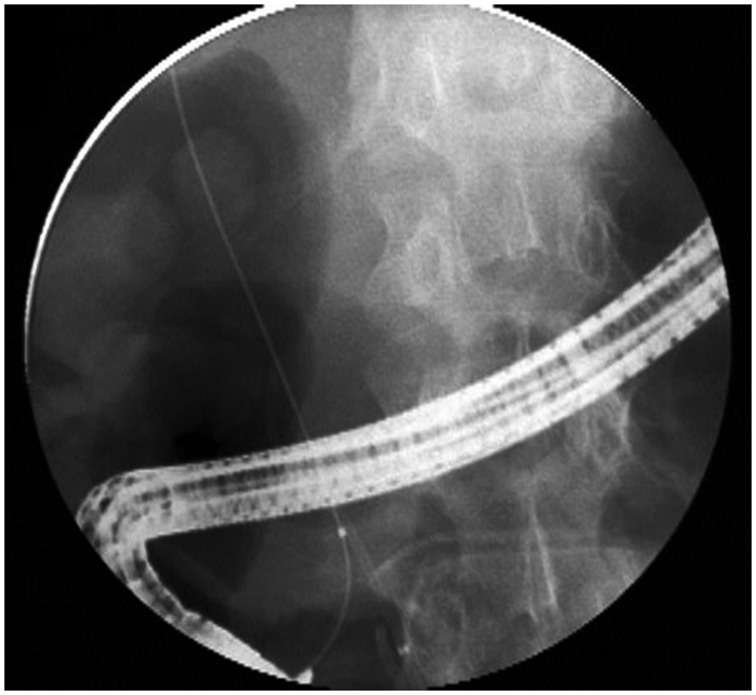
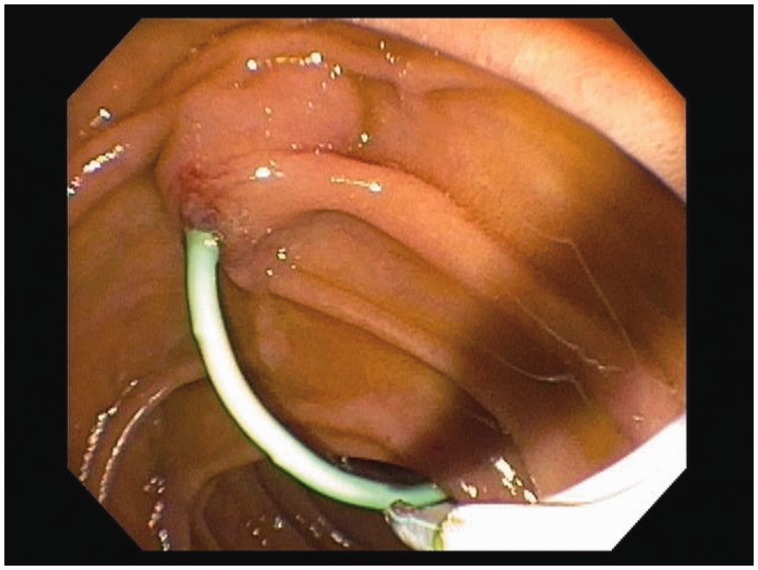
Acute pancreatitis remains the most common complication of endoscopic retrograde cholangiopancreatography (ERCP). It is reported to occur in 2-10% of unselected patient samples and up to 40% of high-risk patients. The purpose of this article is to review the evidence behind the known risk factors for post-ERCP pancreatitis, as well as the technical and medical approaches developed to prevent it. There have been many advances in identifying the causes of this condition. Based on this knowledge, a variety of preventive strategies have been developed and studied. The approach to prevention begins with careful patient selection and performing ERCP for specific indications, while considering alternative diagnostic modalities when appropriate. Patients should also be classified by high-risk factors such as young age, female sex, suspected sphincter of Oddi dysfunction, a history of post-ERCP pancreatitis, and normal serum bilirubin, all of which have been identified in numerous research studies. The pathways of injury that are believed to cause post-ERCP pancreatitis eventually lead to the common endpoint of inflammation, and these individual steps can be targeted for preventive therapies through procedural techniques and medical management. This includes the use of a guide wire for cannulation, minimizing the number of cannulation attempts, avoiding contrast injections or trauma to the pancreatic duct, and placement of a temporary pancreatic duct stent in high-risk patients. Administration of rectal non-steroidal anti-inflammatory agents (NSAIDs) in high-risk patients is the proven pharmacological measure for prevention of post-ERCP pancreatitis. The evidence for or against numerous other attempted therapies is still unclear, and ongoing investigation is required.
急性胰腺炎仍然是内镜逆行胰胆管造影(ERCP)最常见的并发症。据报道,在未经选择的患者样本中,有 2-10%发生这种情况,在高危患者中高达 40%。本文旨在回顾 ERCP 后胰腺炎已知危险因素的证据,以及为预防这种疾病而开发的技术和医疗方法。在确定这种疾病的病因方面已经取得了许多进展。基于这些知识,已经开发并研究了多种预防策略。预防的方法始于仔细选择患者,并为明确的适应证进行 ERCP,同时在适当的情况下考虑替代诊断方式。患者还应根据高危因素进行分类,如年龄较小、女性、疑似 Oddi 括约肌功能障碍、ERCP 后胰腺炎病史以及血清胆红素正常,这些因素在许多研究中都已得到证实。据信,导致 ERCP 后胰腺炎的损伤途径最终导致炎症的共同终点,并且可以通过程序技术和医疗管理针对这些单独步骤进行预防性治疗。这包括使用导丝进行插管、尽量减少插管尝试次数、避免对比剂注射或对胰管造成创伤,以及在高危患者中放置临时胰管支架。在高危患者中使用直肠非甾体抗炎药(NSAIDs)是预防 ERCP 后胰腺炎的已证实的药理学措施。其他尝试性治疗的证据仍不明确,需要进一步研究。