Yang Yan, Wang Guoqiang, Wang Lijing, Yu Jingshan, Xu Zongxue
College of Water Sciences, Beijing Normal University, Beijing 100875, China; United Graduate School of Agricultural Science, Gifu University, 1-1 Yanagido, Gifu, 501-1193, Japan.
College of Water Sciences, Beijing Normal University, Beijing 100875, China.
PLoS One. 2014 Nov 19;9(11):e112725. doi: 10.1371/journal.pone.0112725. eCollection 2014.
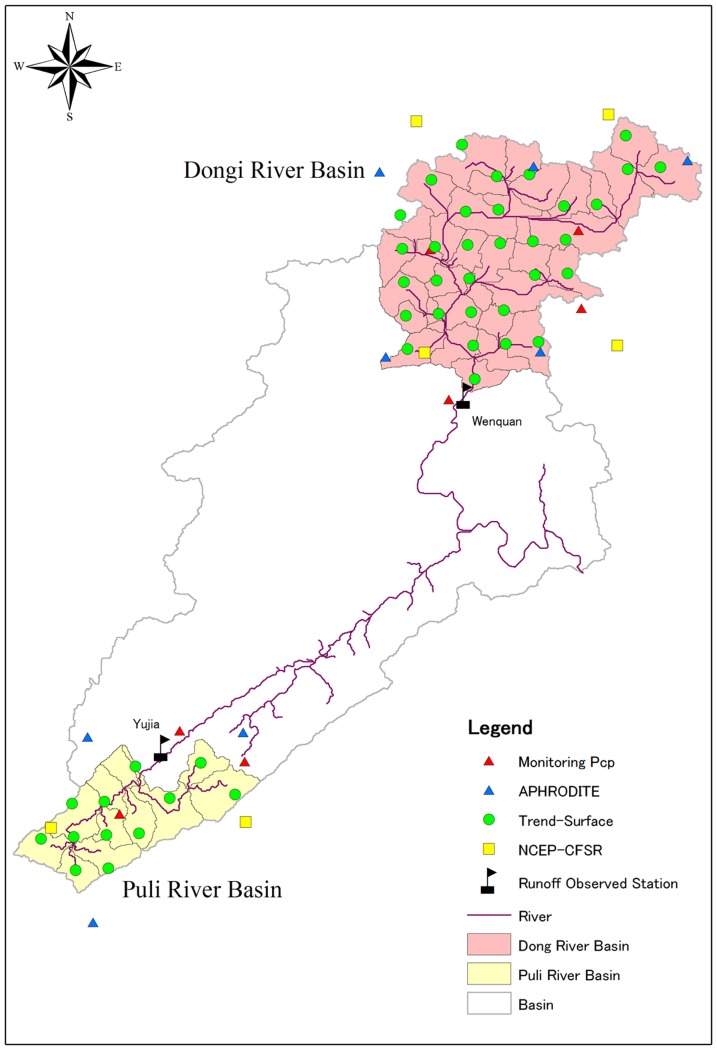
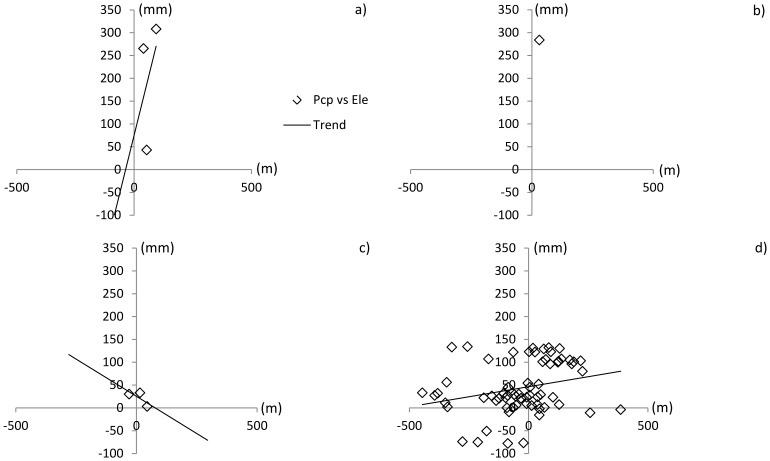
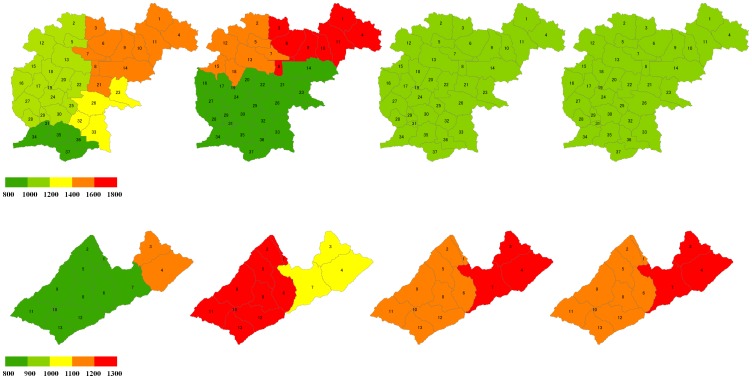
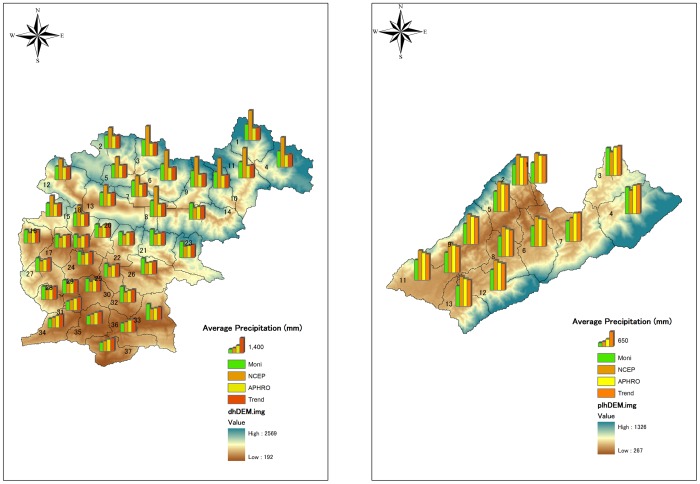
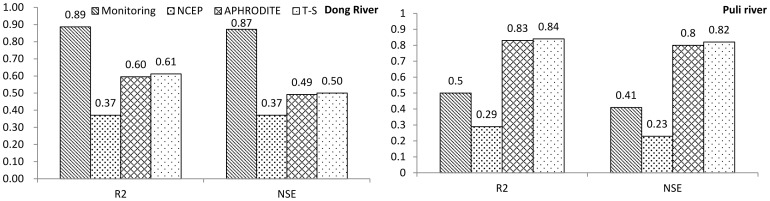
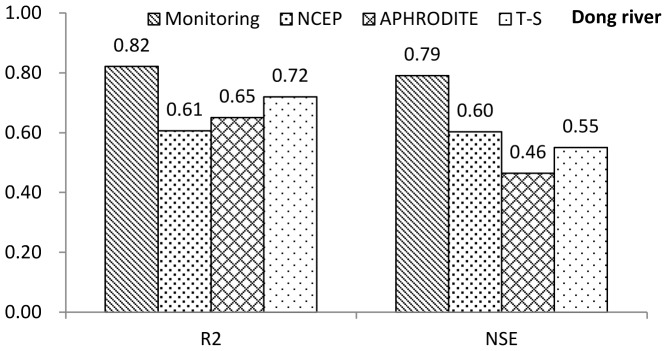
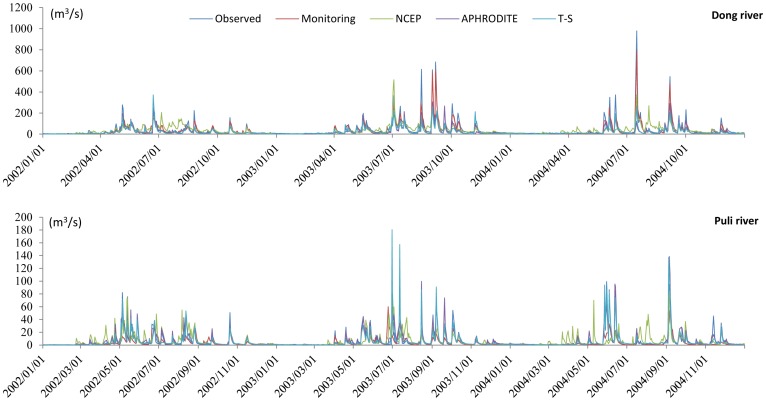
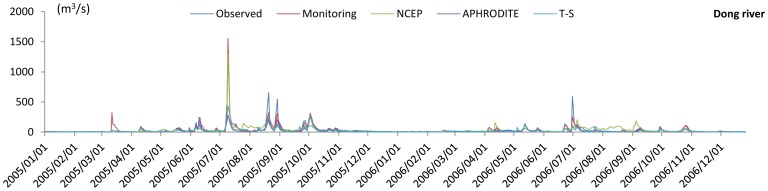
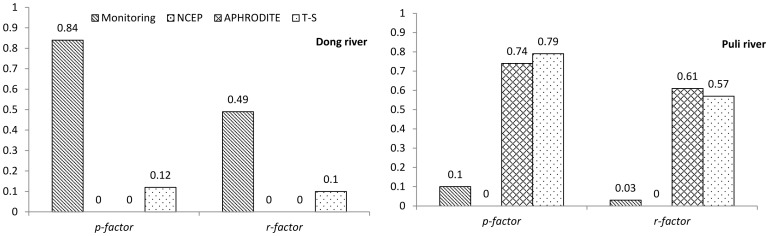
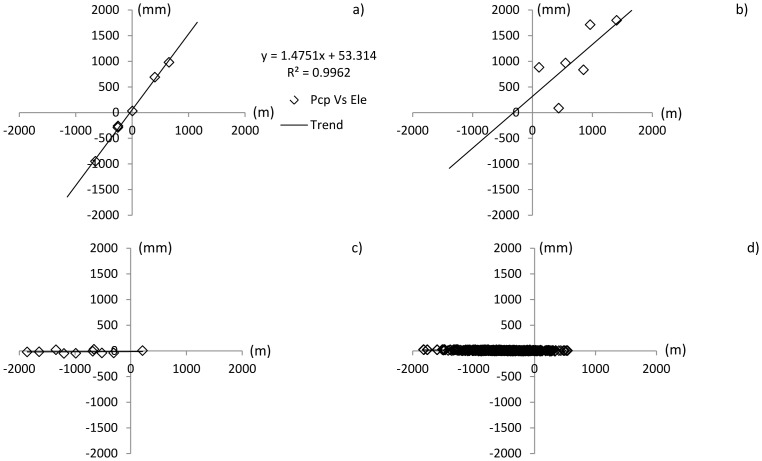
Gridded precipitation data are becoming an important source for driving hydrologic models to achieve stable and valid simulation results in different regions. Thus, evaluating different sources of precipitation data is important for improving the applicability of gridded data. In this study, we used three gridded rainfall datasets: 1) National Centers for Environmental Prediction-Climate Forecast System Reanalysis (NCEP-CFSR); 2) Asian Precipitation-Highly-Resolved Observational Data Integration Towards Evaluation (APHRODITE); and 3) China trend-surface reanalysis (trend surface) data. These are compared with monitoring precipitation data for driving the Soil and Water Assessment Tool in two basins upstream of Three Gorges Reservoir (TGR) in China. The results of one test basin with significant topographic influence indicates that all the gridded data have poor abilities in reproducing hydrologic processes with the topographic influence on precipitation quantity and distribution. However, in a relatively flat test basin, the APHRODITE and trend surface data can give stable and desirable results. The results of this study suggest that precipitation data for future applications should be considered comprehensively in the TGR area, including the influence of data density and topography.
网格化降水数据正成为驱动水文模型以在不同区域获得稳定且有效模拟结果的重要数据源。因此,评估不同来源的降水数据对于提高网格化数据的适用性至关重要。在本研究中,我们使用了三个网格化降雨数据集:1)美国国家环境预测中心气候预报系统再分析(NCEP - CFSR);2)亚洲降水——用于评估的高分辨率观测数据集成(APHRODITE);以及3)中国趋势面再分析(趋势面)数据。将这些数据与中国三峡水库(TGR)上游两个流域驱动土壤与水评估工具的监测降水数据进行比较。一个受地形影响显著的测试流域的结果表明,所有网格化数据在再现受地形影响的降水量和分布的水文过程方面能力较差。然而,在一个相对平坦的测试流域中,APHRODITE和趋势面数据能够给出稳定且理想的结果。本研究结果表明,未来在三峡库区应用降水数据时应综合考虑,包括数据密度和地形的影响。