Ganse Bergita, Zange Jochen, Weber Tobias, Pohle-Fröhlich Regina, W Johannes Bernd, Hackenbroch Matthias, Rittweger Jörn, Eysel Peer, Koy Timmo
Division Space Physiology, Institute of Aerospace Medicine, German Aerospace Center (DLR), Cologne.
Acta Orthop. 2015 Jun;86(3):388-92. doi: 10.3109/17453674.2014.989382. Epub 2014 Nov 24.
Unloading alters the thickness of joint cartilage. It is unknown, however, to what extent unloading leads to a loss of glycosaminoglycans (GAGs) in the cartilage tissue. We hypothesized that muscle forces, in addition to axial loading, are necessary to maintain the joint cartilage GAG content of the knee and the upper and lower ankle.
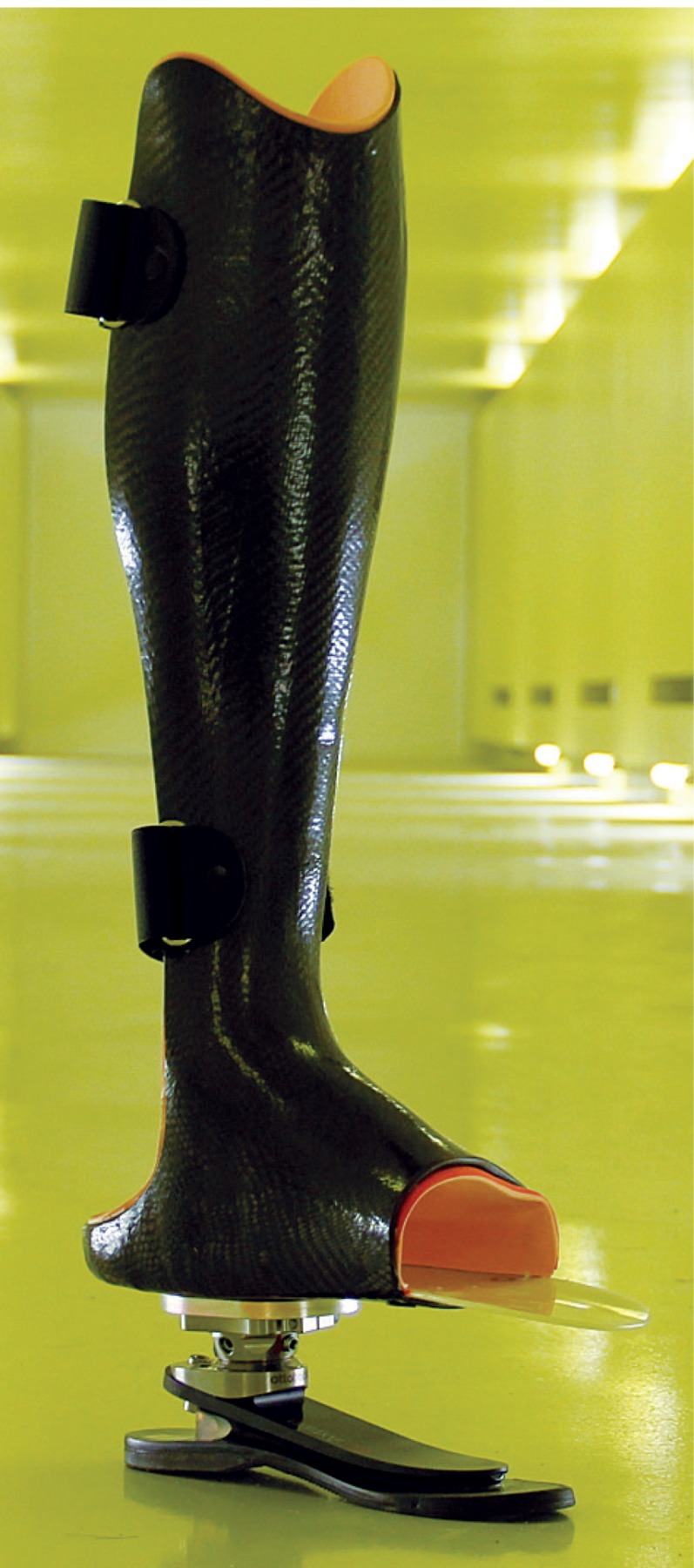
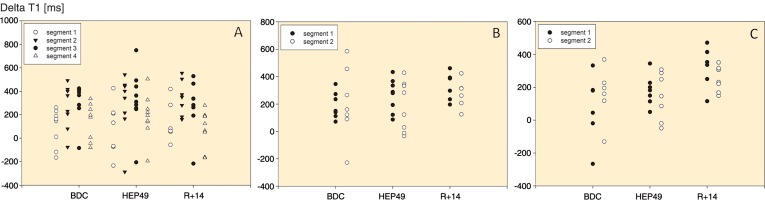
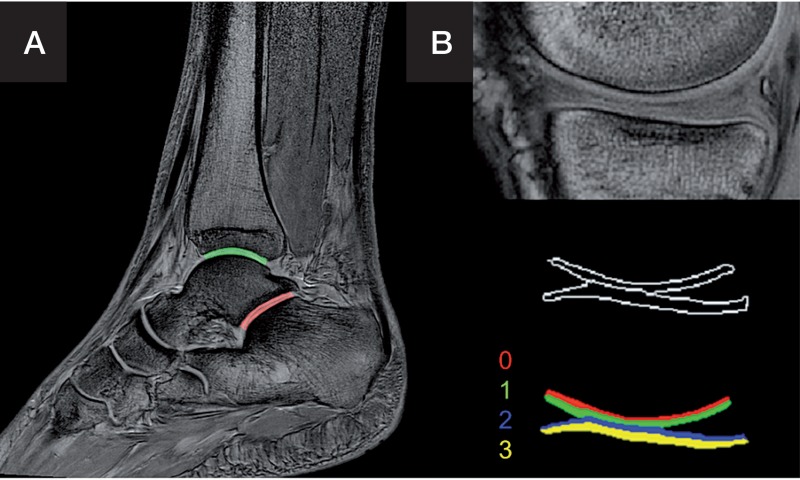
The HEPHAISTOS orthosis was worn unilaterally by 11 men (mean age 31 (23-50) years old) for 56 days. The orthosis reduces activation and force production of the calf muscles while it permits full gravitational loading of the lower leg. MRI measurements of the knee and ankle were taken before the intervention, during the intervention (on day 49), and 14 days after the end of the intervention. Cartilage segmentation was conducted semiautomatically for the knee joint (4 segments) and for the upper (tibio-talar) and lower (subtalar) ankle joints (2 segments each). Linear mixed-effects (LME) models were used for statistical analysis.
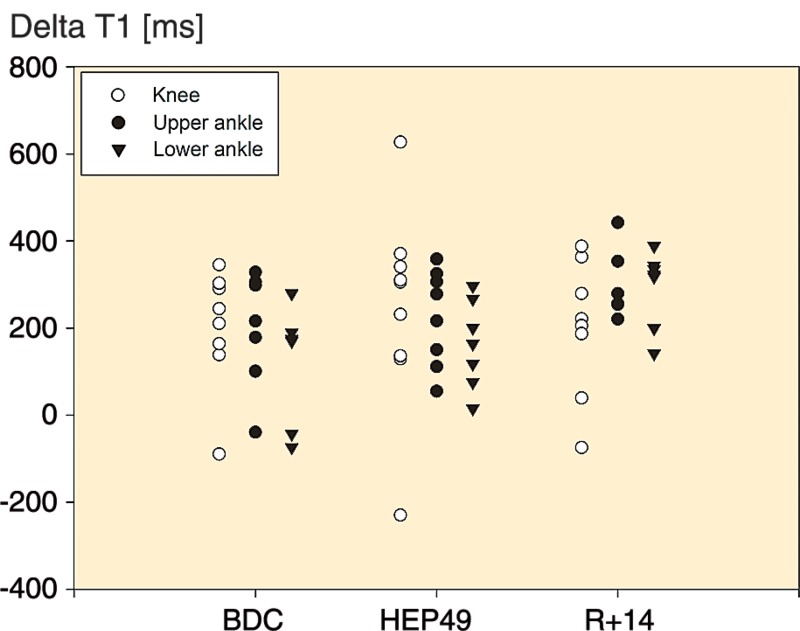
8 volunteers completed the MRI experiment. In the lower ankle joint, differences in ΔT1 were found between the end of the intervention and 14 days after (p = 0.004), indicating a decrease in GAG content after reloading. There were no statistically significant differences in ΔT1 values in the knee and upper ankle joints.
Our findings suggest that in addition to gravitational load, muscular forces affect cartilage composition depending on the local distribution of forces in the joints affected by muscle contraction.
卸载会改变关节软骨的厚度。然而,目前尚不清楚卸载在多大程度上会导致软骨组织中糖胺聚糖(GAGs)的流失。我们推测,除了轴向负荷外,肌肉力量对于维持膝关节以及上下踝关节的关节软骨GAG含量是必要的。
11名男性(平均年龄31(23 - 50)岁)单侧佩戴HEPHAISTOS矫形器56天。该矫形器可减少小腿肌肉的激活和力量产生,同时允许小腿完全承受重力负荷。在干预前、干预期间(第49天)以及干预结束后14天对膝关节和踝关节进行MRI测量。对膝关节(4个节段)以及上(胫距关节)下(距下关节)踝关节(各2个节段)进行半自动软骨分割。采用线性混合效应(LME)模型进行统计分析。
8名志愿者完成了MRI实验。在下踝关节,干预结束时与14天后的ΔT1存在差异(p = 0.004),表明重新加载后GAG含量降低。膝关节和上踝关节的ΔT1值无统计学显著差异。
我们的研究结果表明,除了重力负荷外,肌肉力量会根据受肌肉收缩影响的关节中力的局部分布来影响软骨成分。