Petravicz Jeremy, Boyt Kristen M, McCarthy Ken D
Curriculum in Neurobiology, University of North Carolina at Chapel Hill Chapel Hill, NC, USA.
Department of Pharmacology, University of North Carolina at Chapel Hill Chapel Hill, NC, USA.
Front Behav Neurosci. 2014 Nov 12;8:384. doi: 10.3389/fnbeh.2014.00384. eCollection 2014.
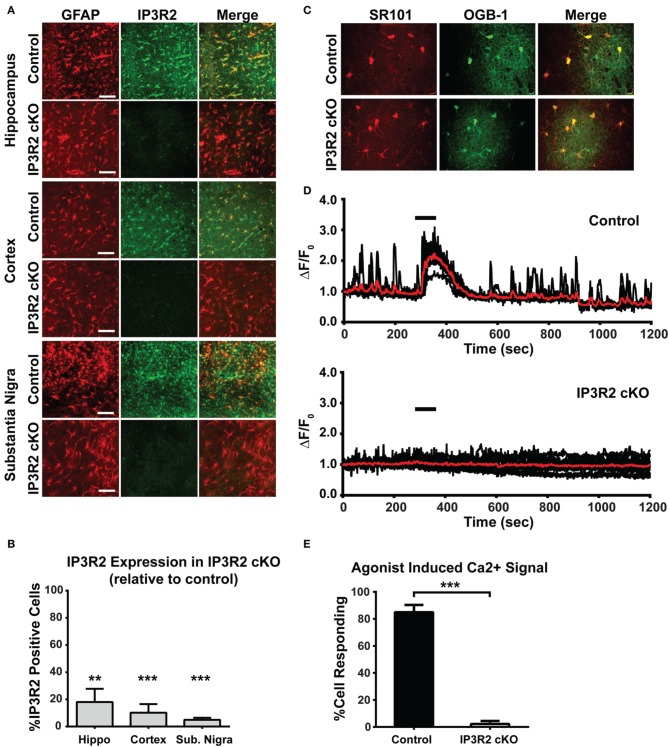
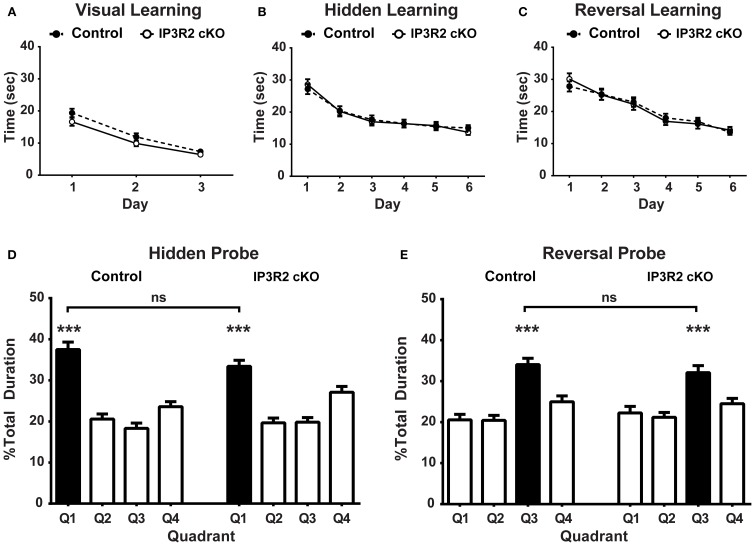
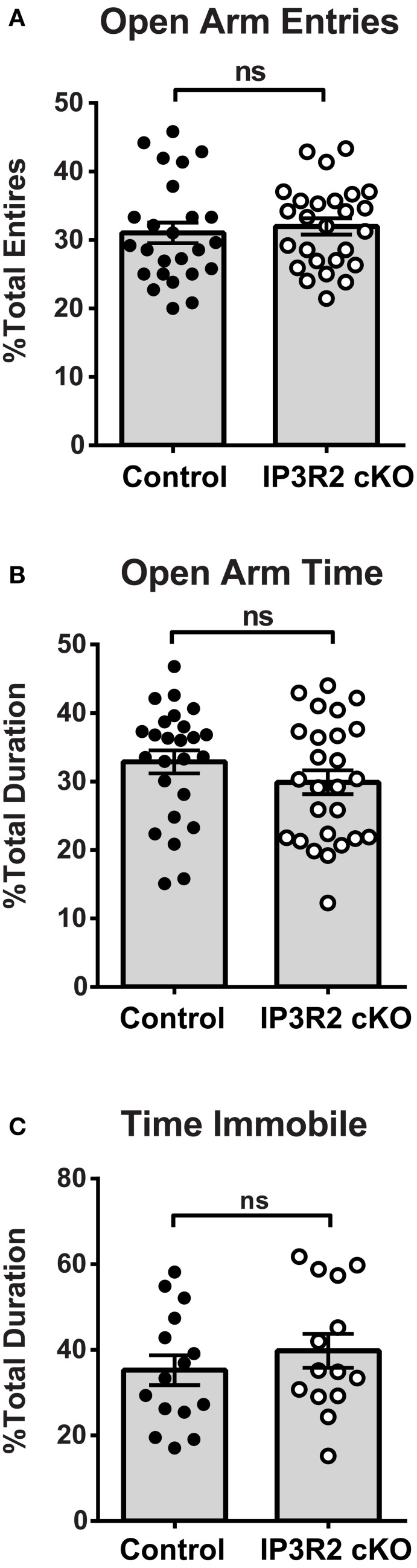
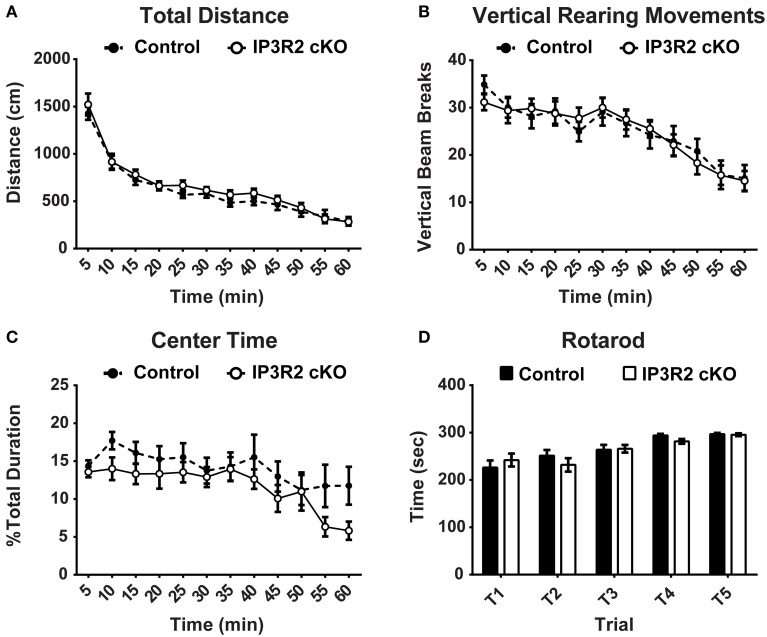
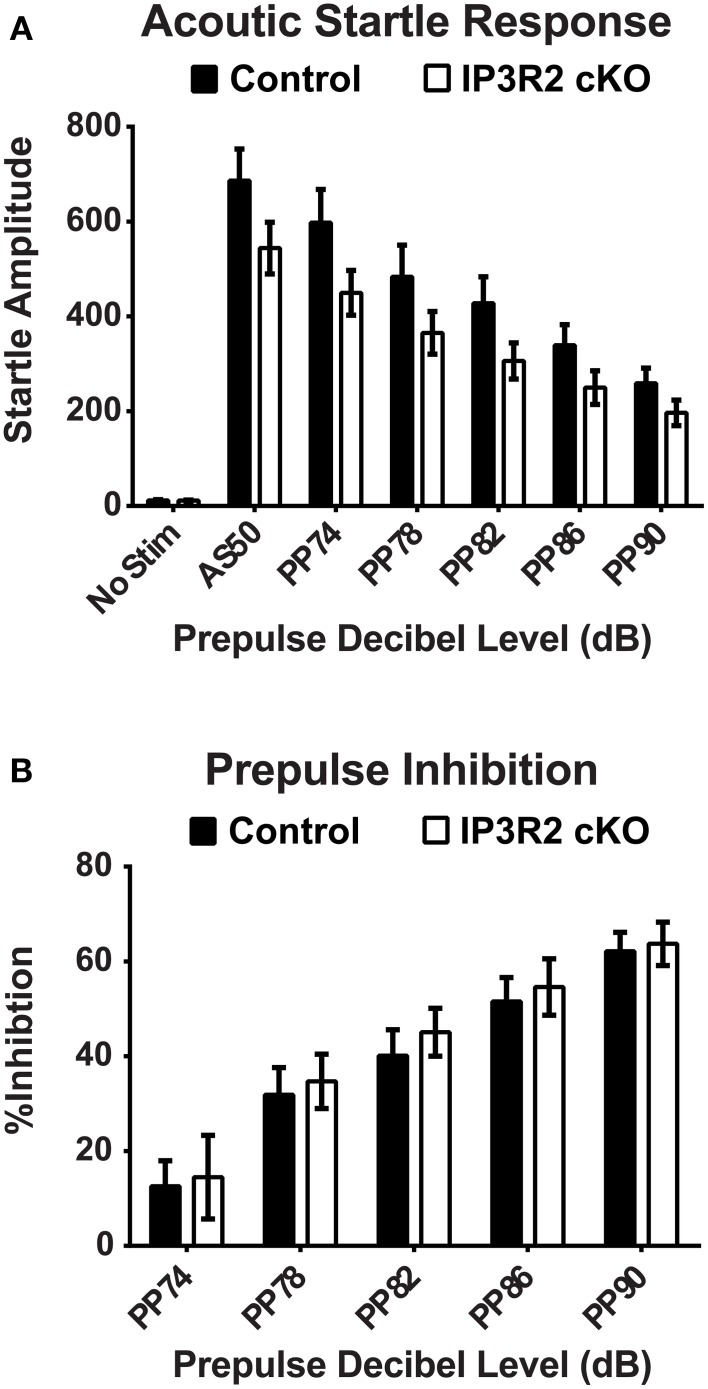
Calcium-dependent release of gliotransmitters by astrocytes is reported to play a critical role in synaptic transmission and be necessary for long-term potentiation (LTP), long-term depression (LTD) and other forms of synaptic modulation that are correlates of learning and memory. Further, physiological processes reported to be dependent on Ca(2+) fluxes in astrocytes include functional hyperemia, sleep, and regulation of breathing. The preponderance of findings indicate that most, if not all, receptor dependent Ca(2+) fluxes within astrocytes are due to release of Ca(2+) through IP3 receptor/channels in the endoplasmic reticulum. Findings from several laboratories indicate that astrocytes only express IP3 receptor type 2 (IP3R2) and that a knockout of IP3R2 obliterates the GPCR-dependent astrocytic Ca(2+) responses. Assuming that astrocytic Ca(2+) fluxes play a critical role in synaptic physiology, it would be predicted that elimination of astrocytic Ca(2+) fluxes would lead to marked changes in behavioral tests. Here, we tested this hypothesis by conducting a broad series of behavioral tests that recruited multiple brain regions, on an IP3R2 conditional knockout mouse model. We present the novel finding that behavioral processes are unaffected by lack of astrocyte IP3R-mediated Ca(2+) signals. IP3R2 cKO animals display no change in anxiety or depressive behaviors, and no alteration to motor and sensory function. Morris water maze testing, a behavioral correlate of learning and memory, was unaffected by lack of astrocyte IP3R2-mediated Ca(2+)-signaling. Therefore, in contrast to the prevailing literature, we find that neither receptor-driven astrocyte Ca(2+) fluxes nor, by extension, gliotransmission is likely to be a major modulating force on the physiological processes underlying behavior.
据报道,星形胶质细胞通过钙依赖方式释放神经胶质递质在突触传递中起关键作用,并且是长时程增强(LTP)、长时程抑制(LTD)以及其他与学习和记忆相关的突触调制形式所必需的。此外,据报道依赖于星形胶质细胞中Ca(2+)通量的生理过程包括功能性充血、睡眠和呼吸调节。大量研究结果表明,星形胶质细胞内大多数(如果不是全部)受体依赖性Ca(2+)通量是由于Ca(2+)通过内质网中的IP3受体/通道释放所致。几个实验室的研究结果表明,星形胶质细胞仅表达IP3受体2型(IP3R2),并且IP3R2基因敲除消除了GPCR依赖性星形胶质细胞Ca(2+)反应。假设星形胶质细胞Ca(2+)通量在突触生理学中起关键作用,可以预测消除星形胶质细胞Ca(2+)通量将导致行为测试出现显著变化。在此,我们通过对IP3R2条件性基因敲除小鼠模型进行一系列涉及多个脑区的广泛行为测试来验证这一假设。我们提出了一个新发现,即行为过程不受星形胶质细胞IP3R介导的Ca(2+)信号缺失的影响。IP3R2基因敲除动物在焦虑或抑郁行为方面没有变化,运动和感觉功能也没有改变。莫里斯水迷宫测试作为学习和记忆的行为相关指标,不受星形胶质细胞IP3R2介导的Ca(2+)信号缺失的影响。因此,与现有文献相反,我们发现受体驱动的星形胶质细胞Ca(2+)通量以及由此延伸的神经胶质传递都不太可能是行为背后生理过程的主要调节力量。