Walker Douglas G, Whetzel Alexis M, Serrano Geidy, Sue Lucia I, Beach Thomas G, Lue Lih-Fen
Laboratory of Neuroinflammation, Banner Sun Health Research Institute, Sun City, AZ, USA.
Laboratory of Neuroinflammation, Banner Sun Health Research Institute, Sun City, AZ, USA.
Neurobiol Aging. 2015 Feb;36(2):571-82. doi: 10.1016/j.neurobiolaging.2014.09.023. Epub 2014 Oct 2.
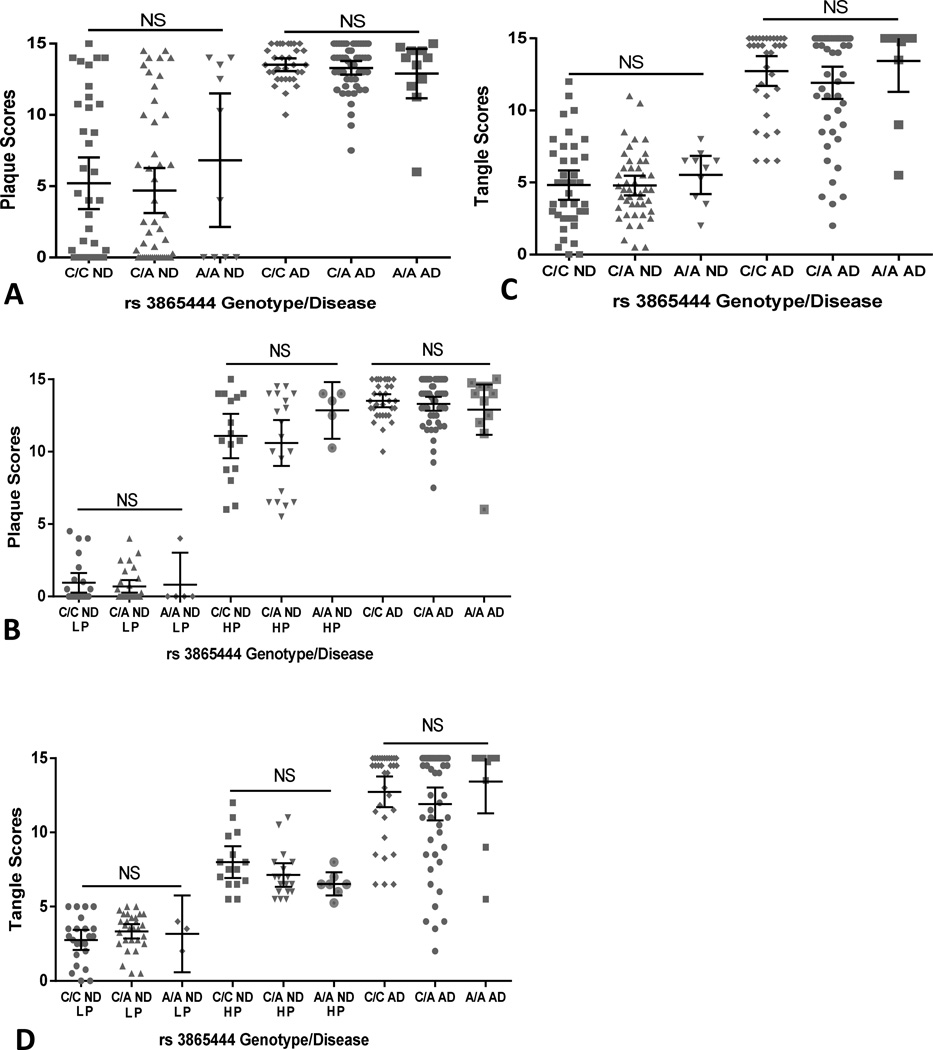
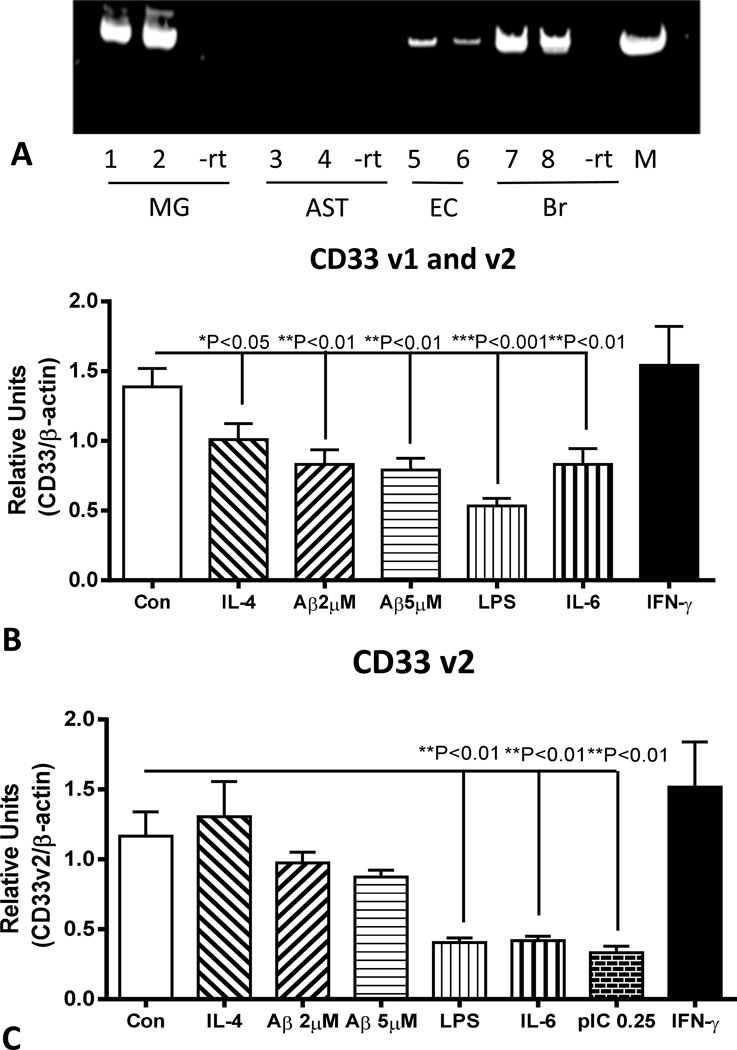
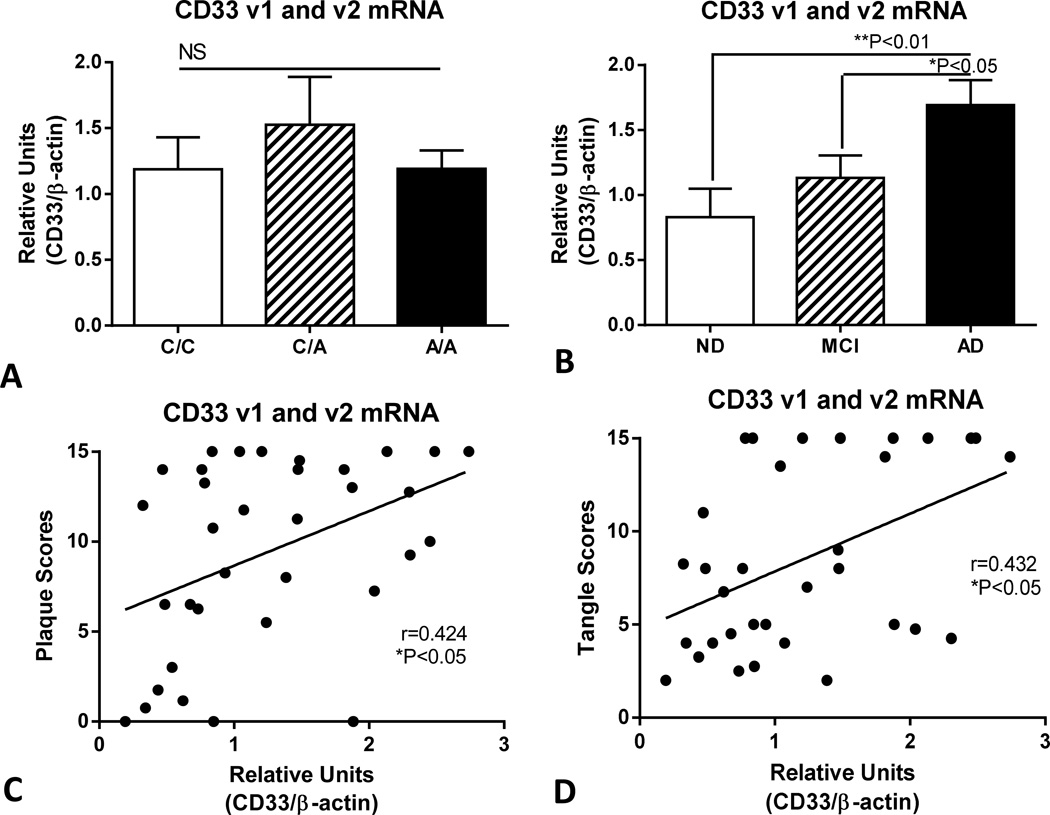
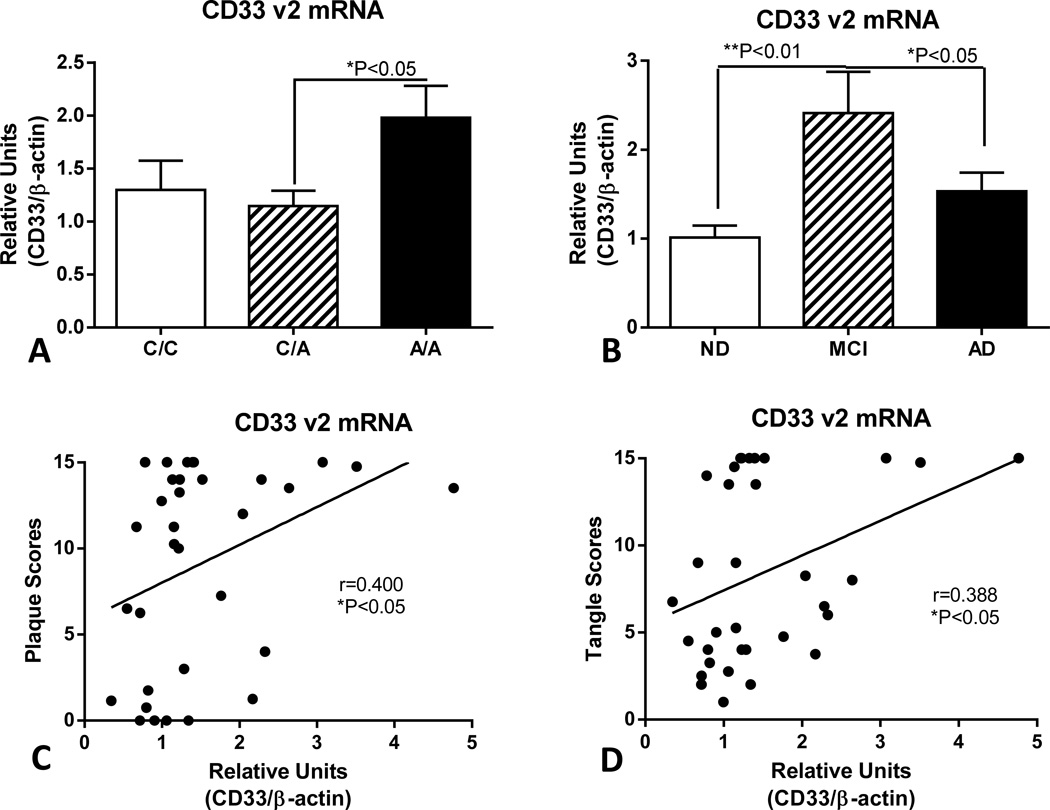
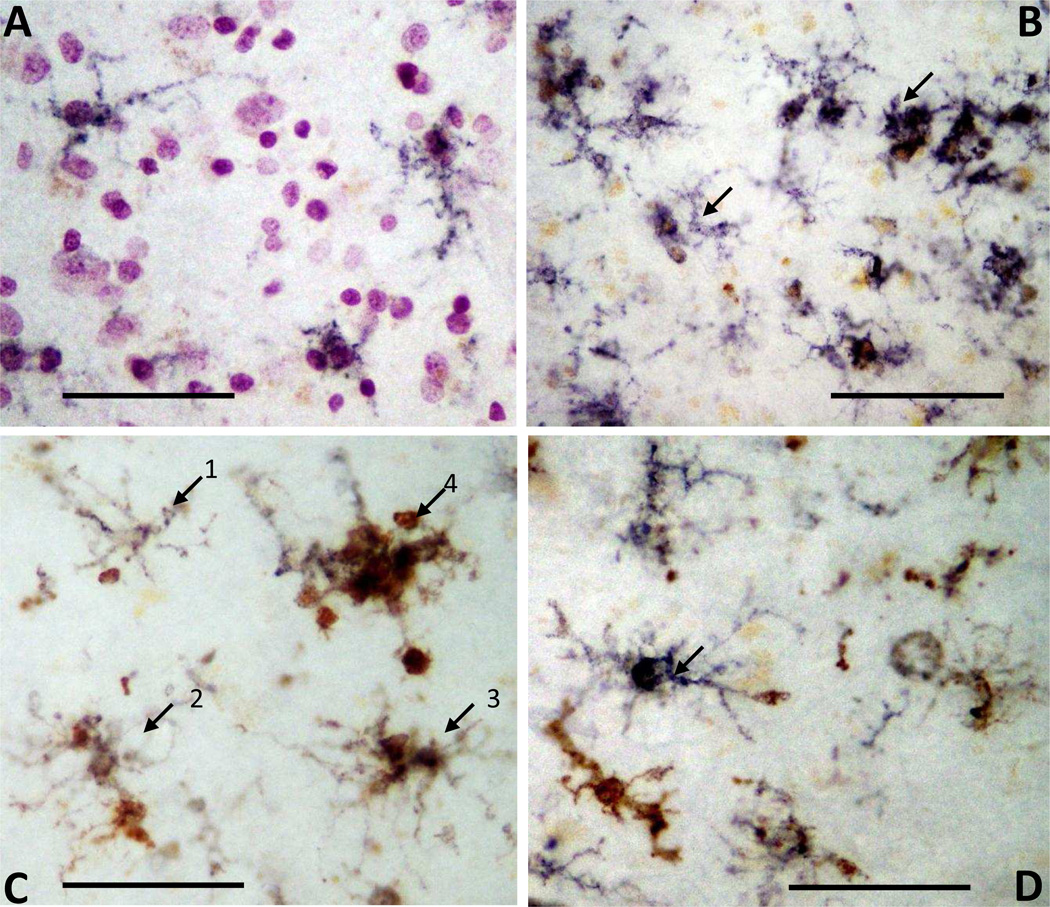
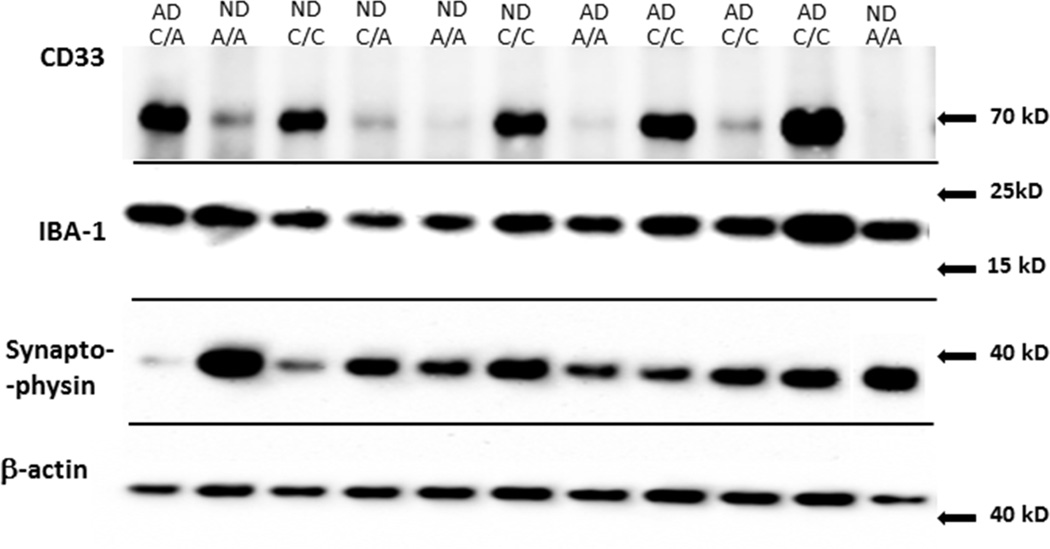
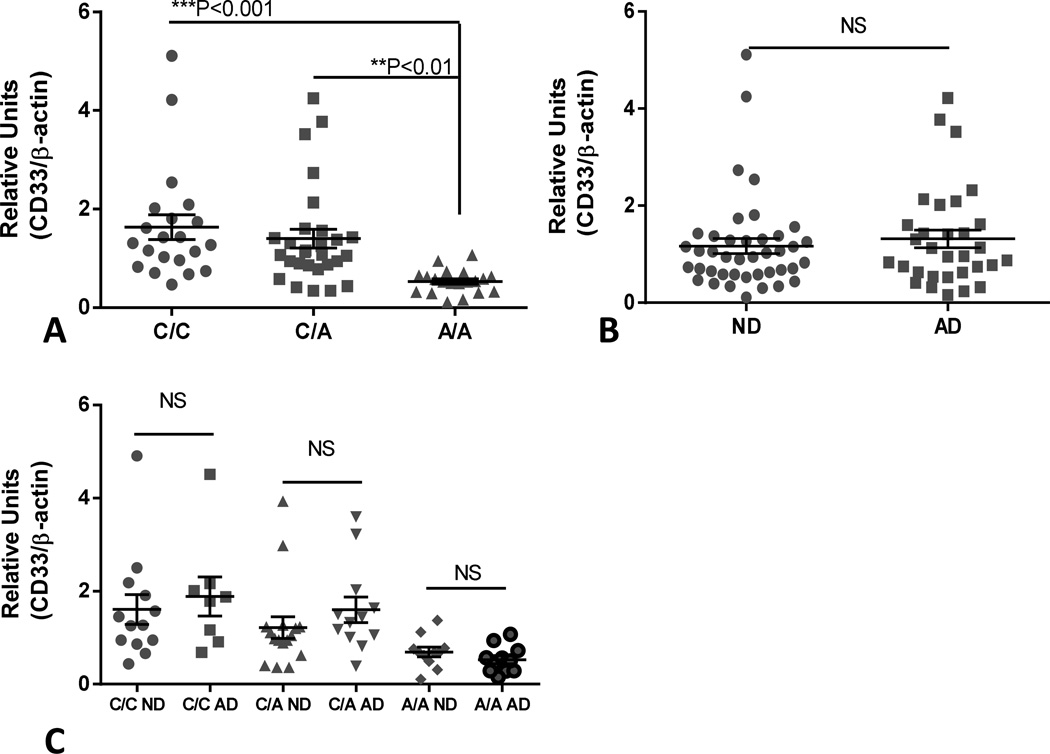
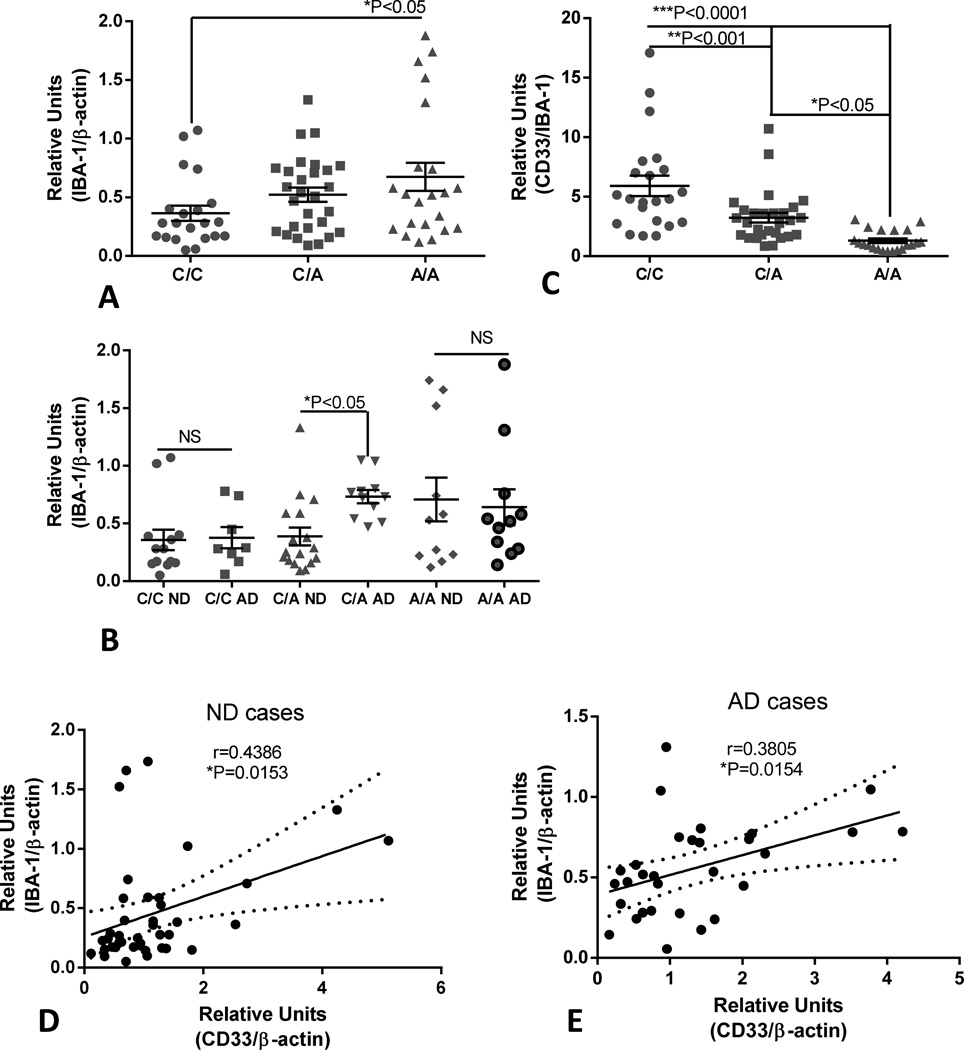
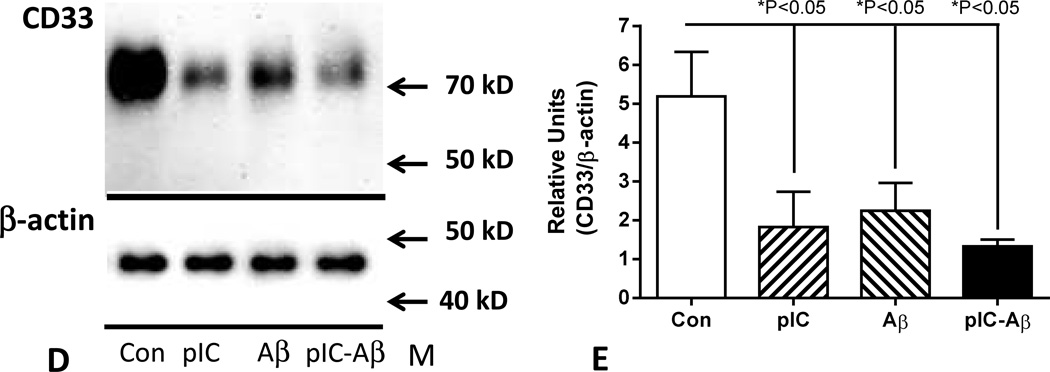
Recent findings identified the minor A allele present in the single-nucleotide polymorphism rs3865444 in the CD33 gene as being associated with the reduced risk of developing Alzheimer's disease (AD). CD33 (Siglec-3) is an immune function protein with anti-inflammatory signaling, cell adhesion, and endocytosis functions with sialic acid-modified proteins or lipids as ligands. Its involvement in AD pathologic mechanisms is still unclear; so, the goal of this study was to investigate if the rs3865444 polymorphism affects the development of AD pathology and the expression of CD33 messenger RNA (mRNA) and protein. For this study, we used DNA from 96 nondemented (ND) and 97 AD neuropathologically diagnosed cases to identify the different rs3865444 alleles and correlate with different measures of AD pathology. Using semiquantitative histologic measures of plaque and tangle pathology, we saw no significant differences between the different genotypes within these disease groups. However, increased expression of CD33 mRNA was associated with increasing AD pathology in temporal cortex brain samples. We also showed that cases with A/A alleles had reduced levels of CD33 protein in temporal cortex but increased levels of the microglia protein IBA-1. Using immunohistochemistry on temporal cortex sections, CD33 was selectively localized to microglia, with greater expression in activated microglia. The factors causing increased CD33 expression by microglia in brain are still unclear, although both genetic and disease factors are involved. Treatment of human microglia isolated from autopsy brains with amyloid-beta peptide and a range of other inflammatory activating agents resulted in reduced CD33 mRNA and protein levels.
最近的研究发现,CD33基因单核苷酸多态性rs3865444中的次要A等位基因与患阿尔茨海默病(AD)风险降低相关。CD33(唾液酸结合免疫球蛋白样凝集素3)是一种具有抗炎信号传导、细胞粘附及以内含唾液酸修饰的蛋白质或脂质为配体的内吞作用功能的免疫功能蛋白。其在AD病理机制中的作用仍不清楚;因此,本研究的目的是调查rs3865444多态性是否影响AD病理学发展以及CD33信使核糖核酸(mRNA)和蛋白质的表达。在本研究中,我们使用了来自96例非痴呆(ND)和97例经神经病理学诊断为AD的病例的DNA,以鉴定不同的rs3865444等位基因,并将其与AD病理学的不同指标相关联。使用斑块和缠结病理学的半定量组织学测量方法,我们发现在这些疾病组的不同基因型之间没有显著差异。然而,在颞叶皮质脑样本中,CD33 mRNA表达增加与AD病理学加重相关。我们还表明,携带A/A等位基因的病例在颞叶皮质中CD33蛋白水平降低,但小胶质细胞蛋白IBA-1水平升高。在颞叶皮质切片上进行免疫组织化学检测,CD33选择性定位于小胶质细胞,在活化的小胶质细胞中表达更高。尽管涉及遗传和疾病因素,但导致脑中小胶质细胞CD33表达增加的因素仍不清楚。用β淀粉样肽和一系列其他炎症激活剂处理从尸检脑中分离出的人小胶质细胞,导致CD33 mRNA和蛋白水平降低。